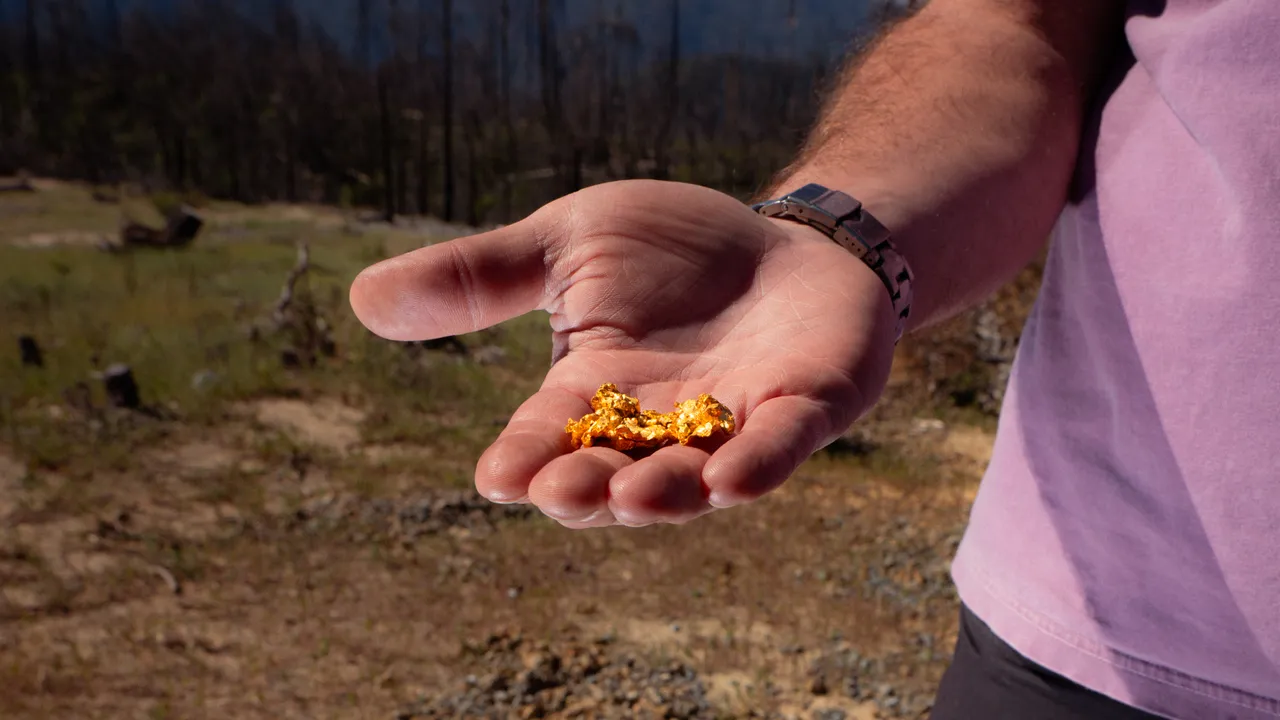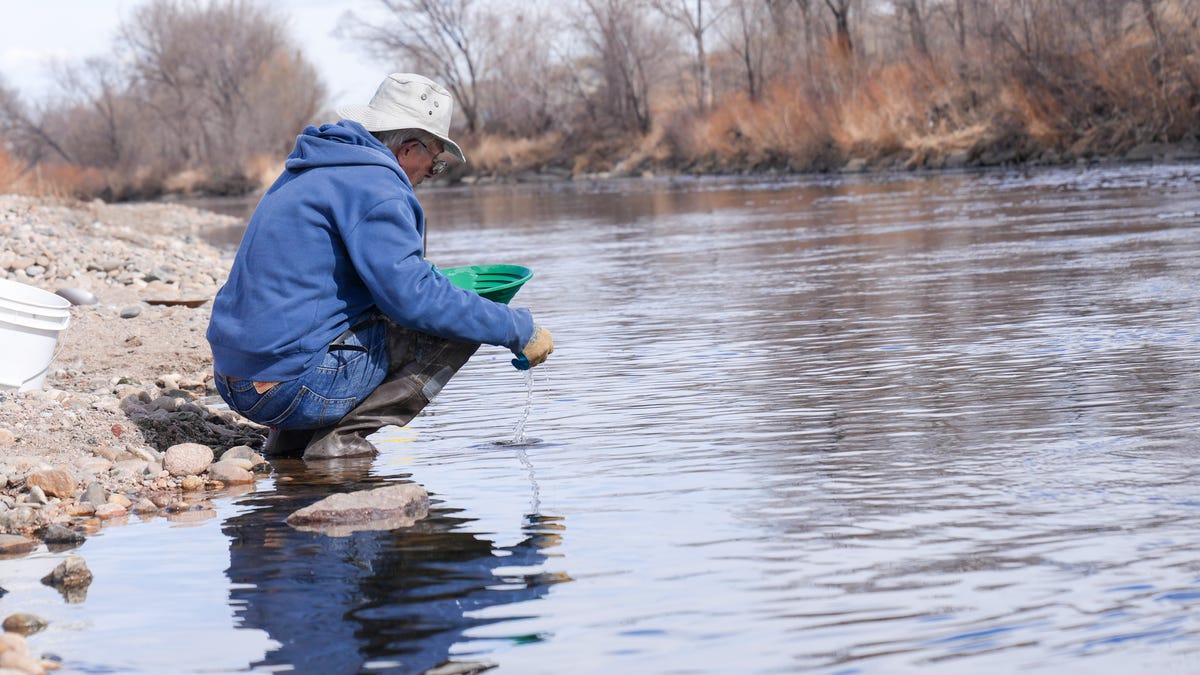
COLOMA, CA ‒ Ankle-deep in a stream, James W. Marshall bent over and grabbed a shiny object that caught his eye. He placed it on a rock and began striking it with another. The shiny material pounded flat, which told him nearly everything he needed to know.
He had struck gold – literally.
Looking down at his feet, Marshall saw more glimmering particles. Over the next half hour, the carpenter and businessman filled his hat with gold worth about $15 (the equivalent amount would now be worth about $2,500). He must have felt rich: At the time, he was leading construction of a sawmill by the river. His men, working for $1 a day plus room and board, soon abandoned their jobs to search for gold.
Marshall's Jan. 24, 1848, discovery at Sutter's Mill sparked the California Gold Rush, one of the most significant events in America's nearly 250-year history. The news of readily accessible gold attracted prospectors from across the country and around the world, launching a mass migration and a quest for success, the spirit of which lives on in the region today.
USA TODAY is tracing these epic journeys as part of our coverage of America's upcoming 250th birthday.