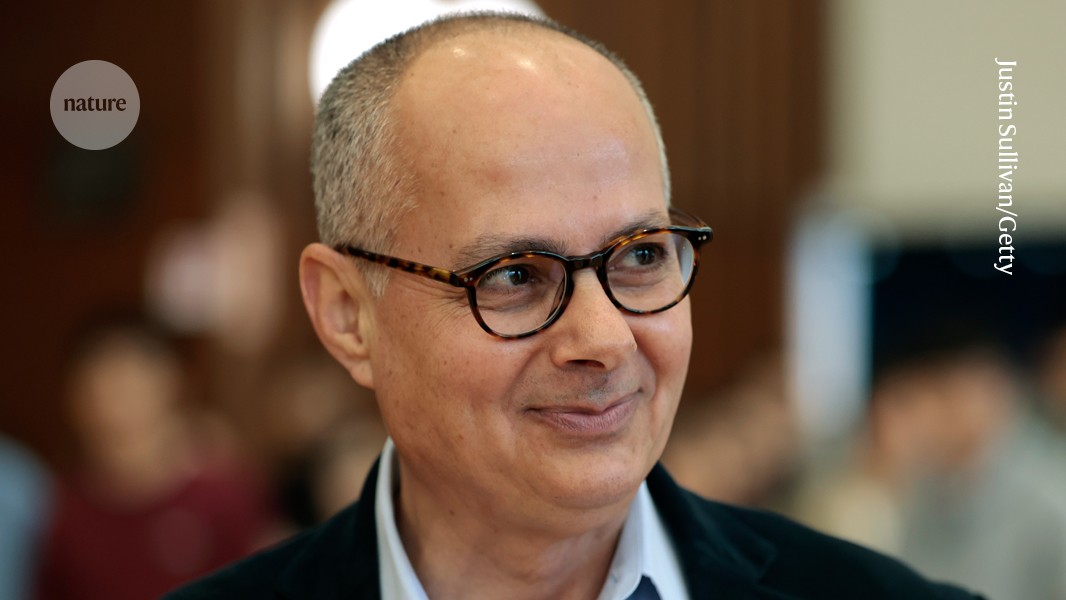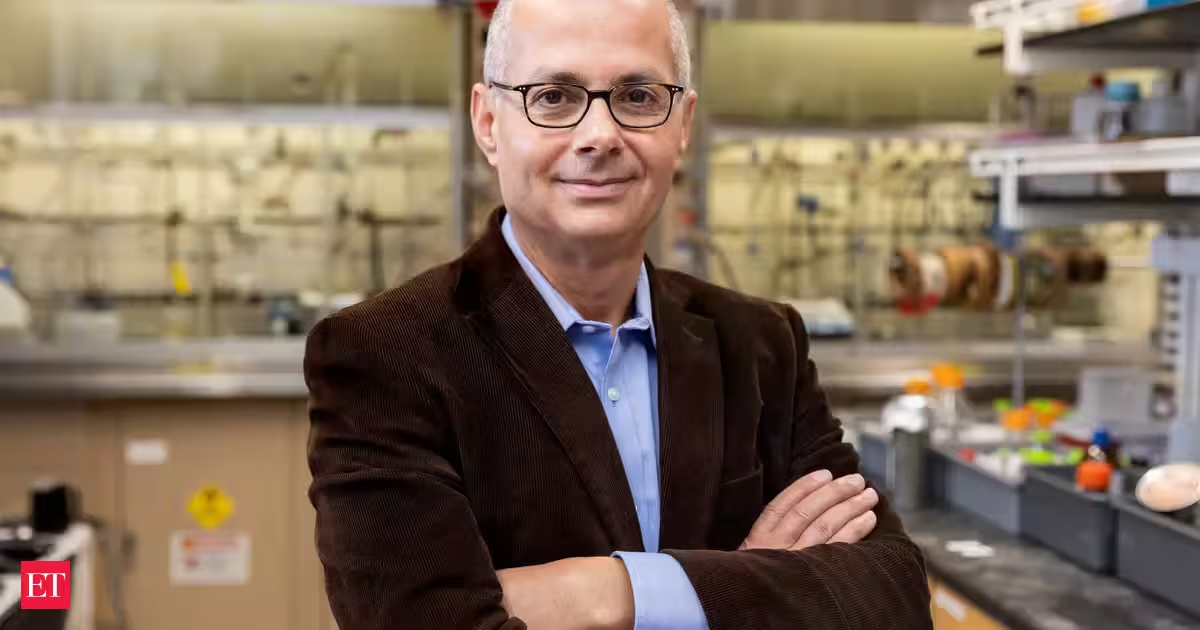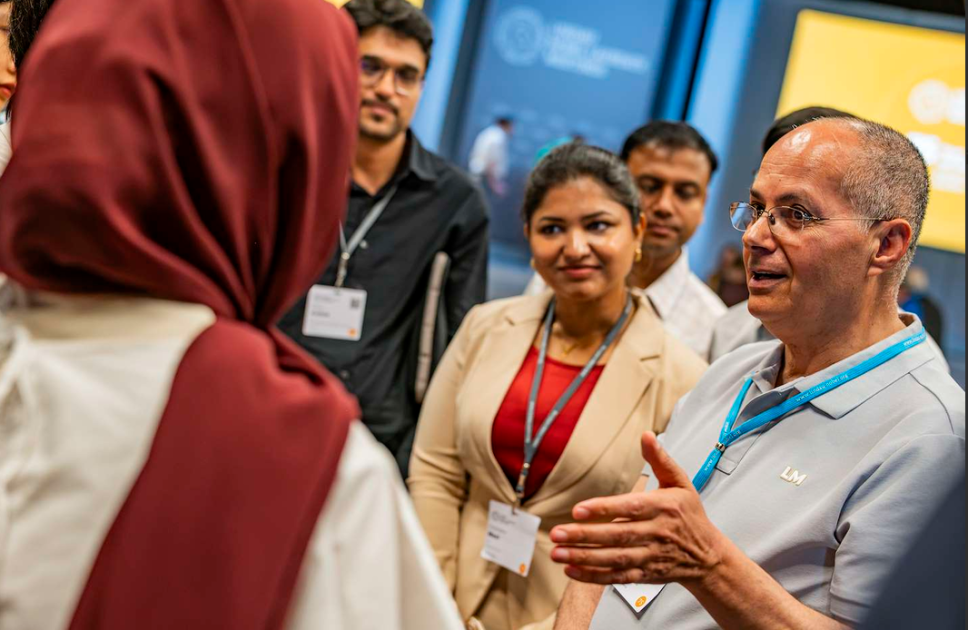
A Nobel Prize-winning scientist who is moving from Berkeley to Beijing has hit out at increasingly restrictive visa policies hampering international scientific collaboration as he prepares to leave the US.
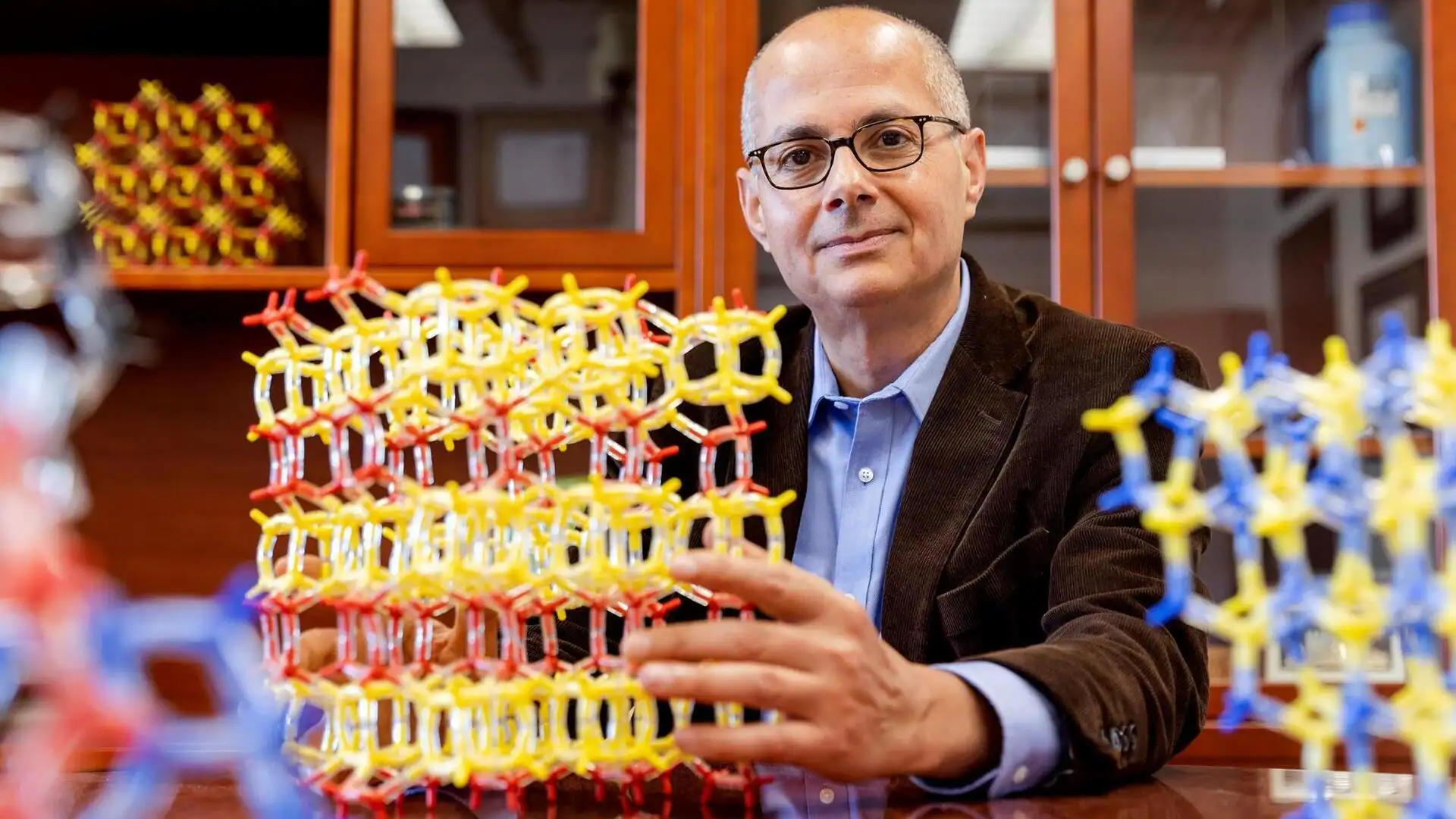
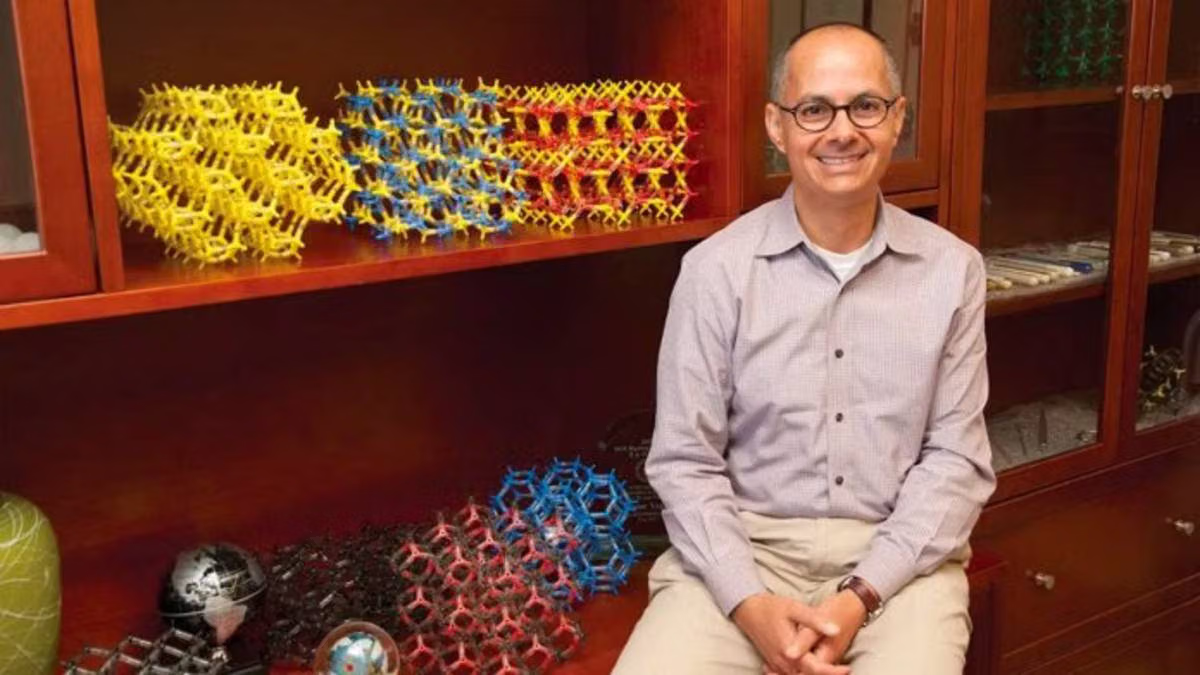
In what some regard as a watershed moment for Chinese science, Omar Yaghi announced earlier this month that he is joining Tsinghua University to further his artificial intelligene-focused research on ultra-porous materials that can suck pollution or water from the air, vacating his professorship at the University of California, Berkeley where he has worked since 2012.
Born in Jordan to Palestinian refugee parents, Yaghi moved to the US at the age of 15 to pursue his education in the early 1980s, eventually sharing the 2025 Nobel Prize in Chemistry with Richard Robson and Susumu Kitagawa for their work on metal-organic frameworks and reticular chemistry.
The departure of a Nobel-winning scientist from a top American research university to China has been hailed as a major coup for Chinese science, potentially marking the acceleration of a West-to-East brain drain that has until now mainly involved returning Chinese scientists.
Speaking to Times Higher Education, Yaghi said he was disappointed by recent policy changes in the US but also other Western nations that had inhibited scientific mobility and cooperation.