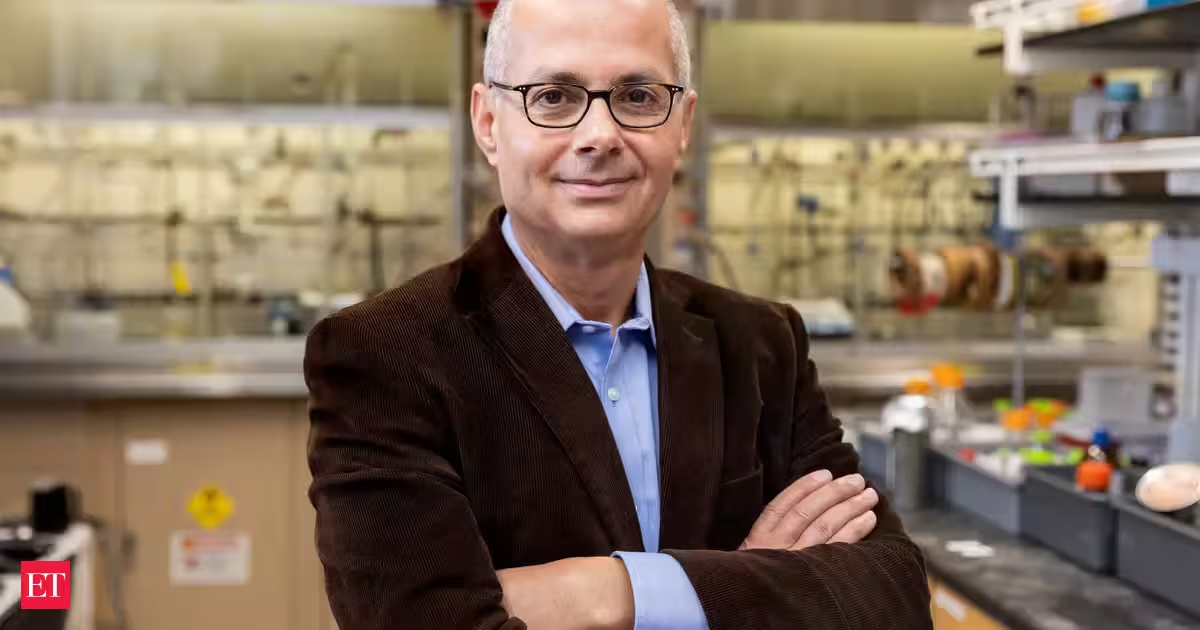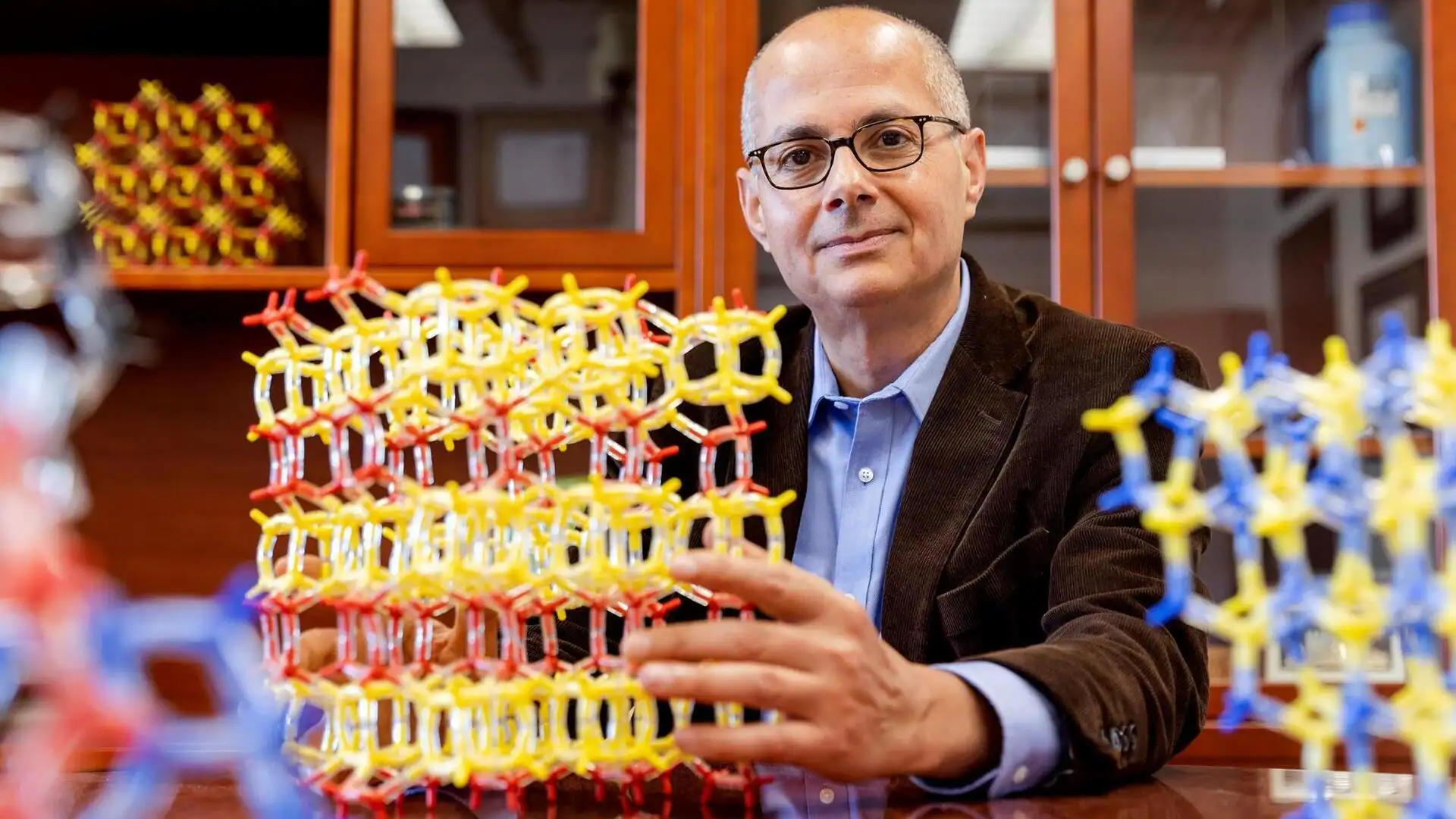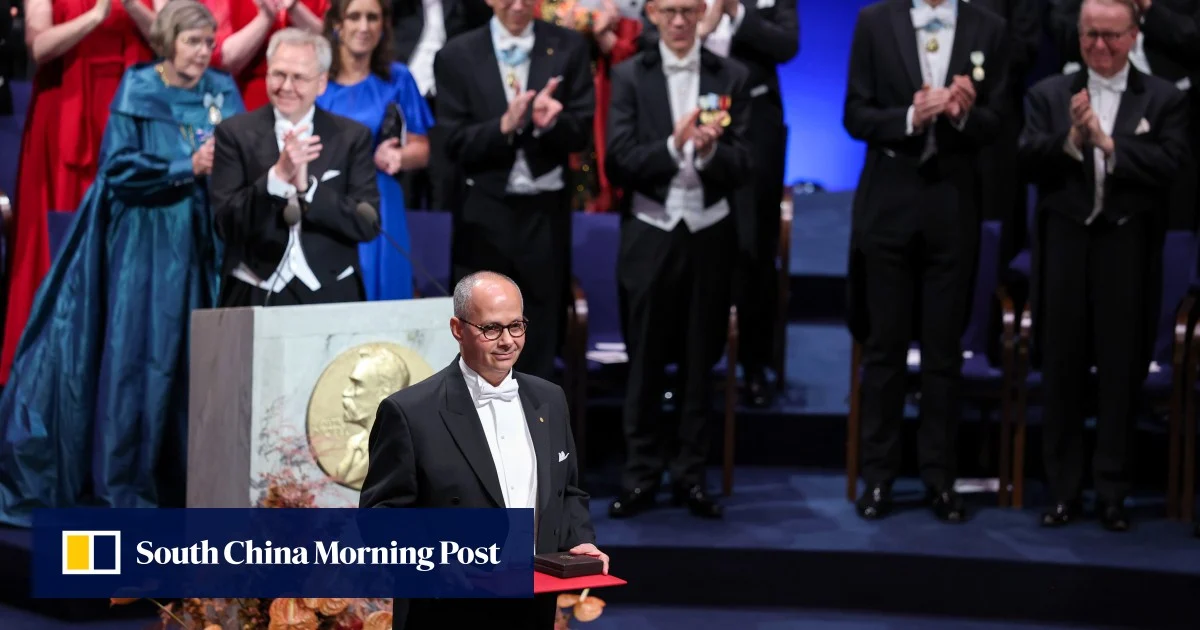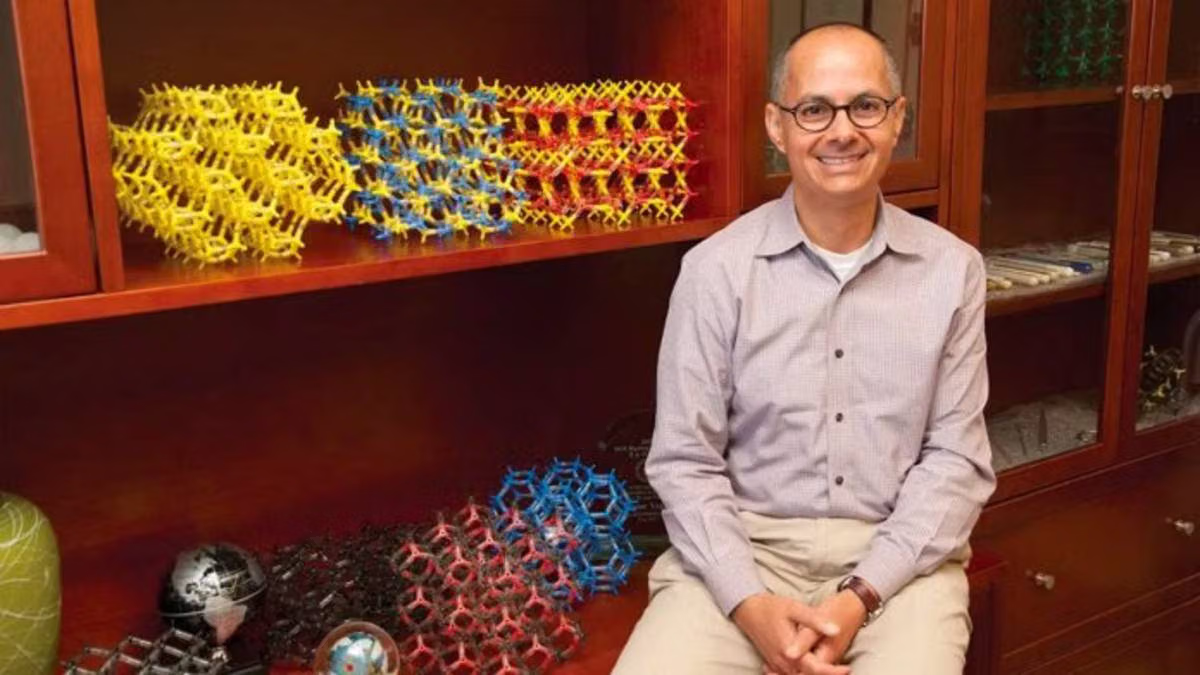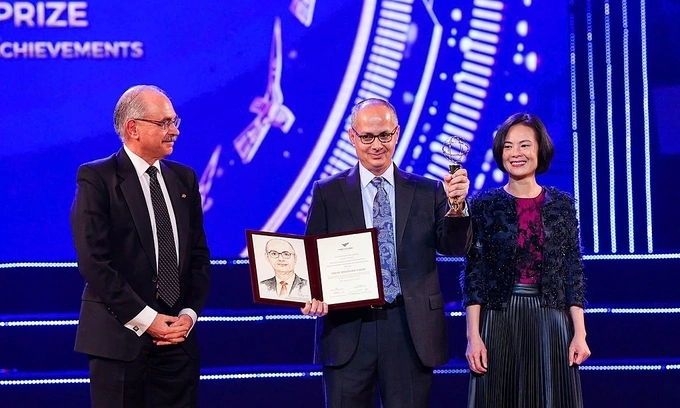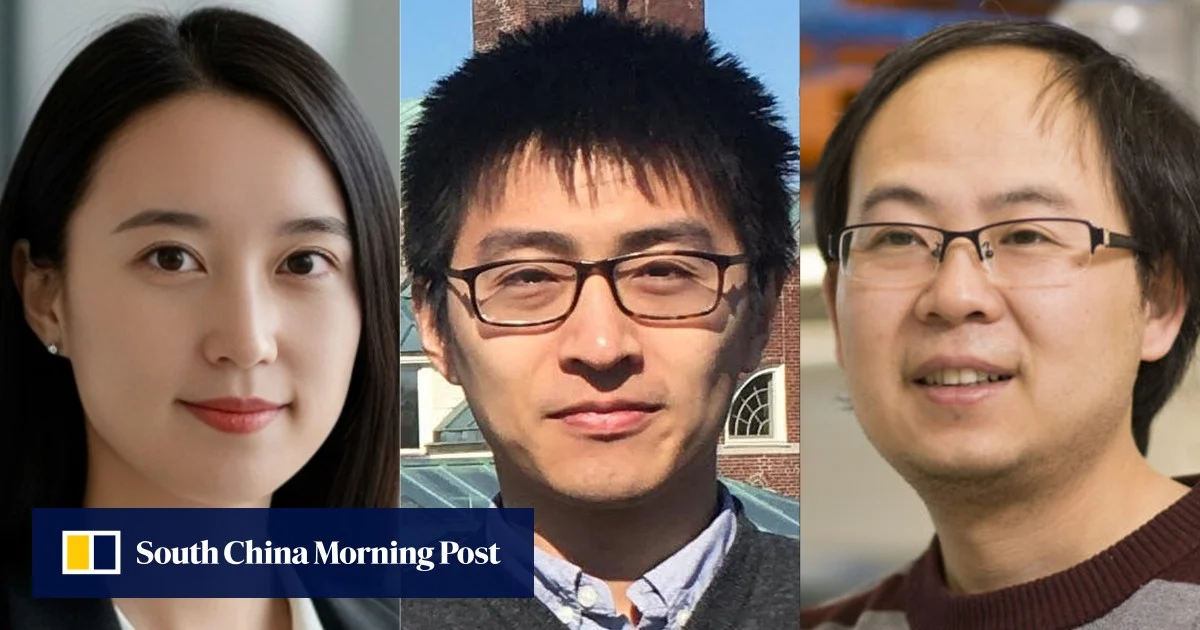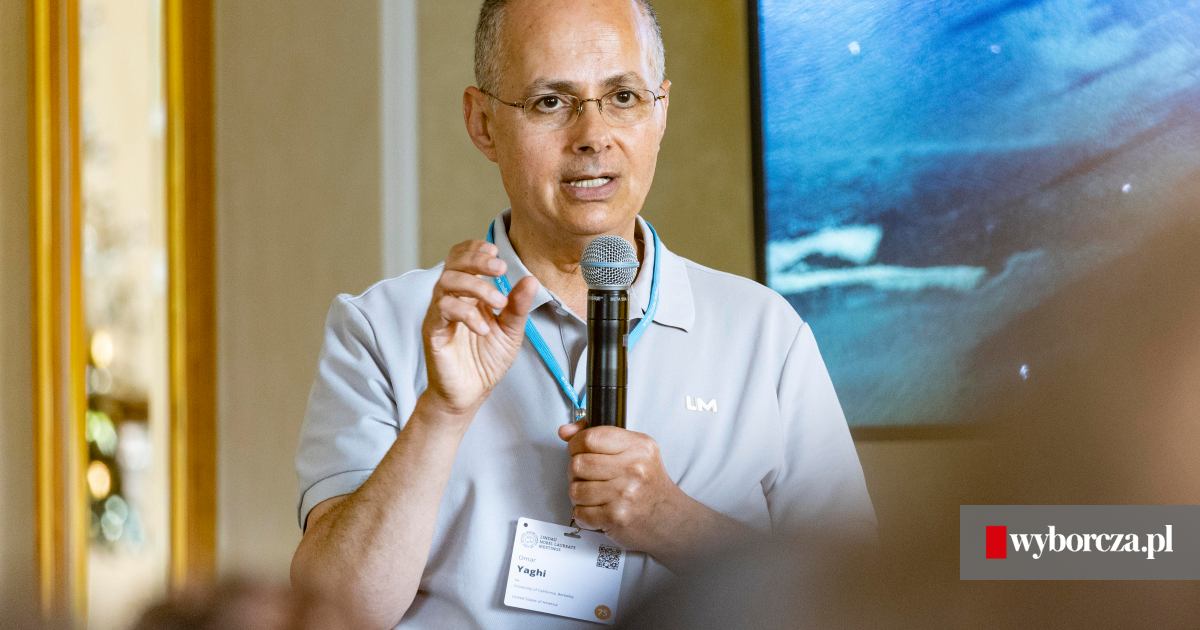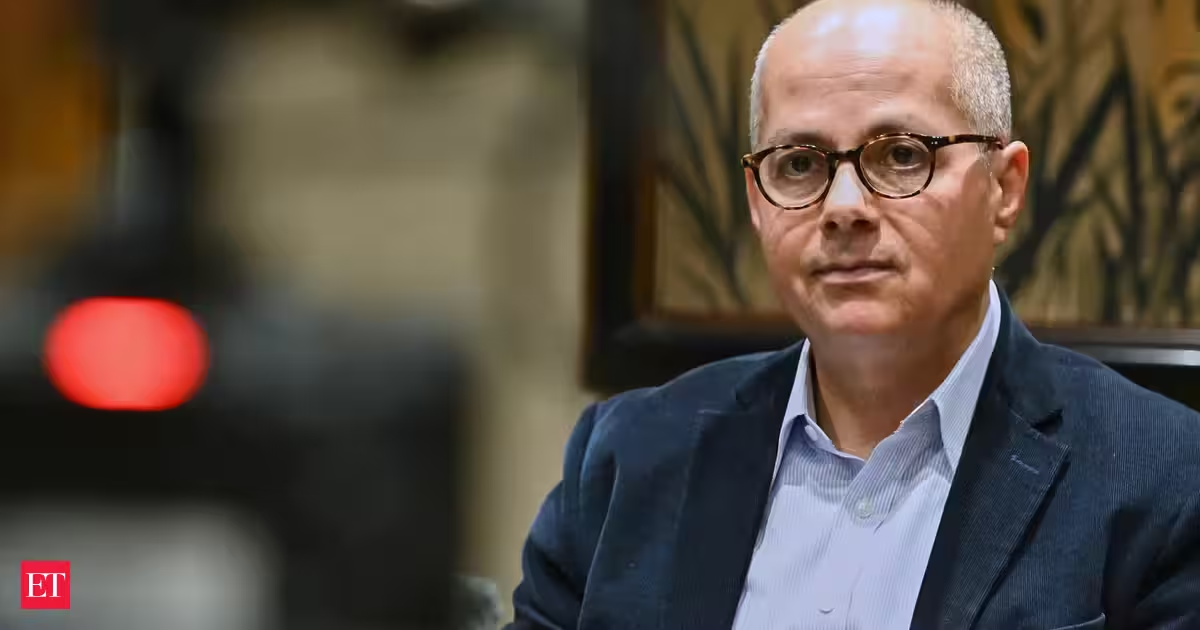
Nobel Prize–winning materials scientist Omar Yaghi has taken up a new role at China’s Tsinghua University, where he will lead an AI‑driven research center. He was awarded the Nobel Prize in Chemistry 2025 for the development of metal–organic frameworks. The 61‑year‑old chemist is set to oversee a team exploring how artificial intelligence can reshape the design and synthesis of advanced materials and dramatically cut development timelines “by orders of magnitude,” Tsinghua University said on Friday, according to the South China Morning Post (SCMP).His appointment comes at a time when a growing number of scientists and experts are leaving the United States and Britain to continue their work in China. Many cite limited funding and restricted opportunities for Chinese academics to lead projects in Western institutions, underscoring why Yaghi’s move reflects a broader shift in global research dynamics.List of scientists who have migrated to ChinaZhang KaiZhang Kai is a pioneering scientist who is working to build an ultra‑large‑scale cellular structure data bank with precision; returning to China was the natural step to advance his ambitions.On January 12, he stepped down from his tenure-track role at Yale University and formally joined the School of Life Sciences and Medicine at the University of Science and Technology of China (USTC) in Hefei, Anhui province, according to South China Morning Post (SCMP).Jiang JianfengSemiconductor scientist Jiang Jianfeng completed his PhD in June 2024 at the age of 30. After a brief stint as a postdoctoral researcher at Massachusetts Institute of Technology (MIT), he returned to Peking University, where he now serves as a principal investigator, associate professor, and PhD supervisor, according to SCMP.While it typically takes eight to 10 years after earning a PhD to become a doctoral supervisor, Jiang reached the milestone in a record 18 months.Chen PeipeiChen Peipei, an energy transition scientist, made the move from Cambridge to Hong Kong in May 2026. She transitioned from a research associate position at the University of Cambridge to a presidential assistant professorship at City University of Hong Kong, reflecting a decisive career shift.At CityU's School of Energy and Environment, the energy transition scientist has access to the research funding and PhD student recruitment quotas needed to build her own research team.Dai LiangDr. Dai Liang is a physicist who was awarded a fellowship reserved for the “brightest young scientists” in the United States and Canada for his work hunting for black holes. He received the prestigious Sloan Research Fellowship for physics in 2021 for his outstanding contributions to the field. After receiving this international recognition, the accomplished researcher has returned to China.Most recently, Dai took up a professorship at Fudan University in Shanghai. He has officially joined the Fudan Centre for Astronomy and Astrophysics, where he is now continuing his scientific research.Chih-Ying SuNeurobiologist Chih-Ying Su specializes in research on the sense of smell using fruit flies and mosquitoes. The Taiwan-born American scholar previously built her career in the United States, where she served as the faculty vice-chair at the University of California San Diego. Su has left her position at the American institution to relocate to China for a new research role. She has officially joined the Shenzhen Academy of Medical Sciences (SMART), where she will serve as a full-time senior investigator. Her appointment at the academy was formally confirmed by SMART on July 2, 2026.Ling HaibinLing Haibin, an acclaimed computer scientist best known for developing the world’s first mobile plant identification app, has stepped down from his position in the United States to take up a full‑time role at Westlake University in Hangzhou, eastern China.
Nobel Prize winner to Energy and Semiconductor pioneers: Why top scientists left US and UK for China? Check list of key names
Nobel laureate Omar Yaghi will lead an AI research center at Tsinghua University. Several prominent scientists are relocating to China for advanced research opportunities. These experts cite funding and leadership limitations in Western nations. Their moves reflect a significant shift in global scientific research dynamics. China is becoming a prominent hub for cutting-edge scientific exploration.
589 words~3 min read