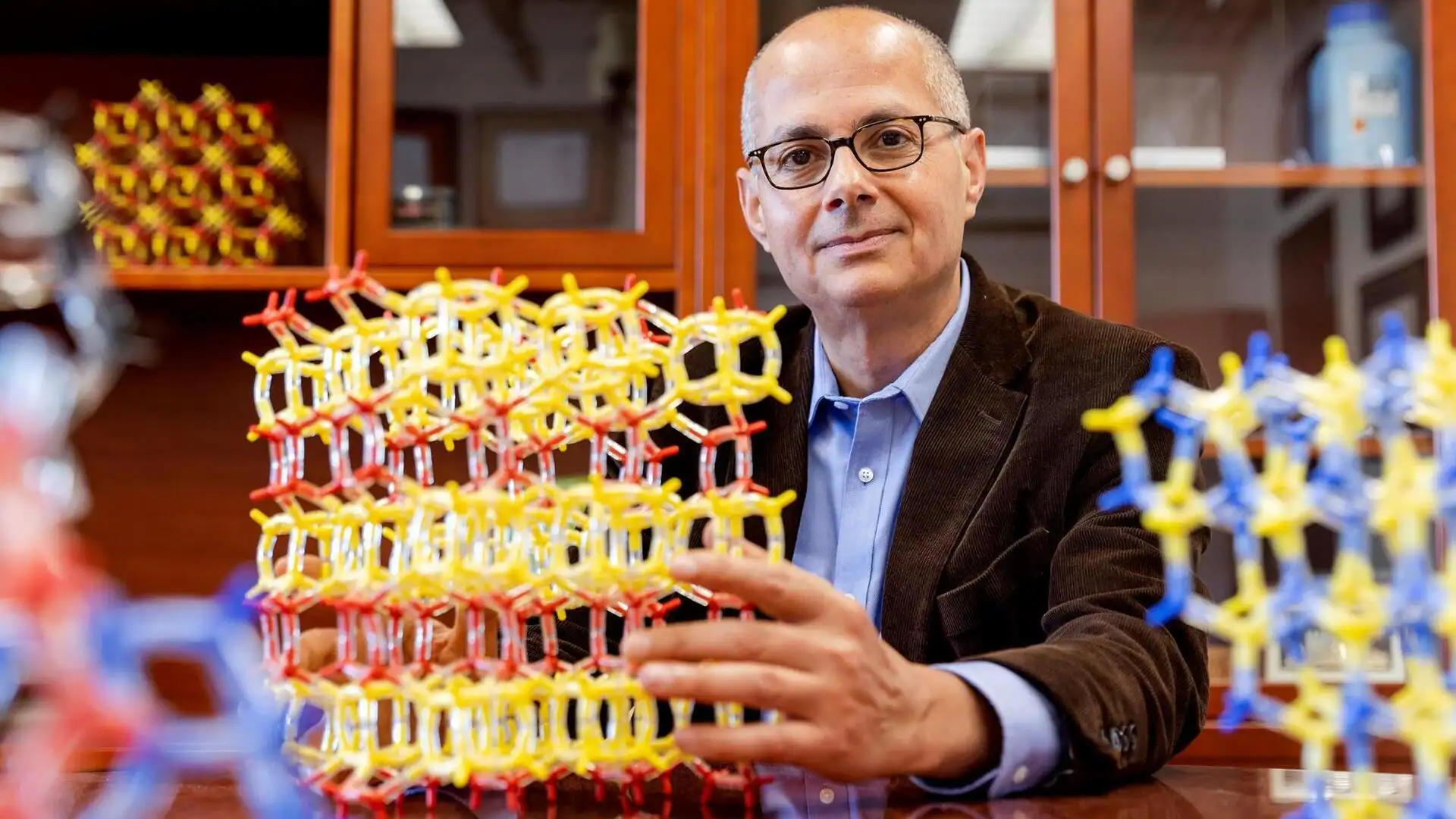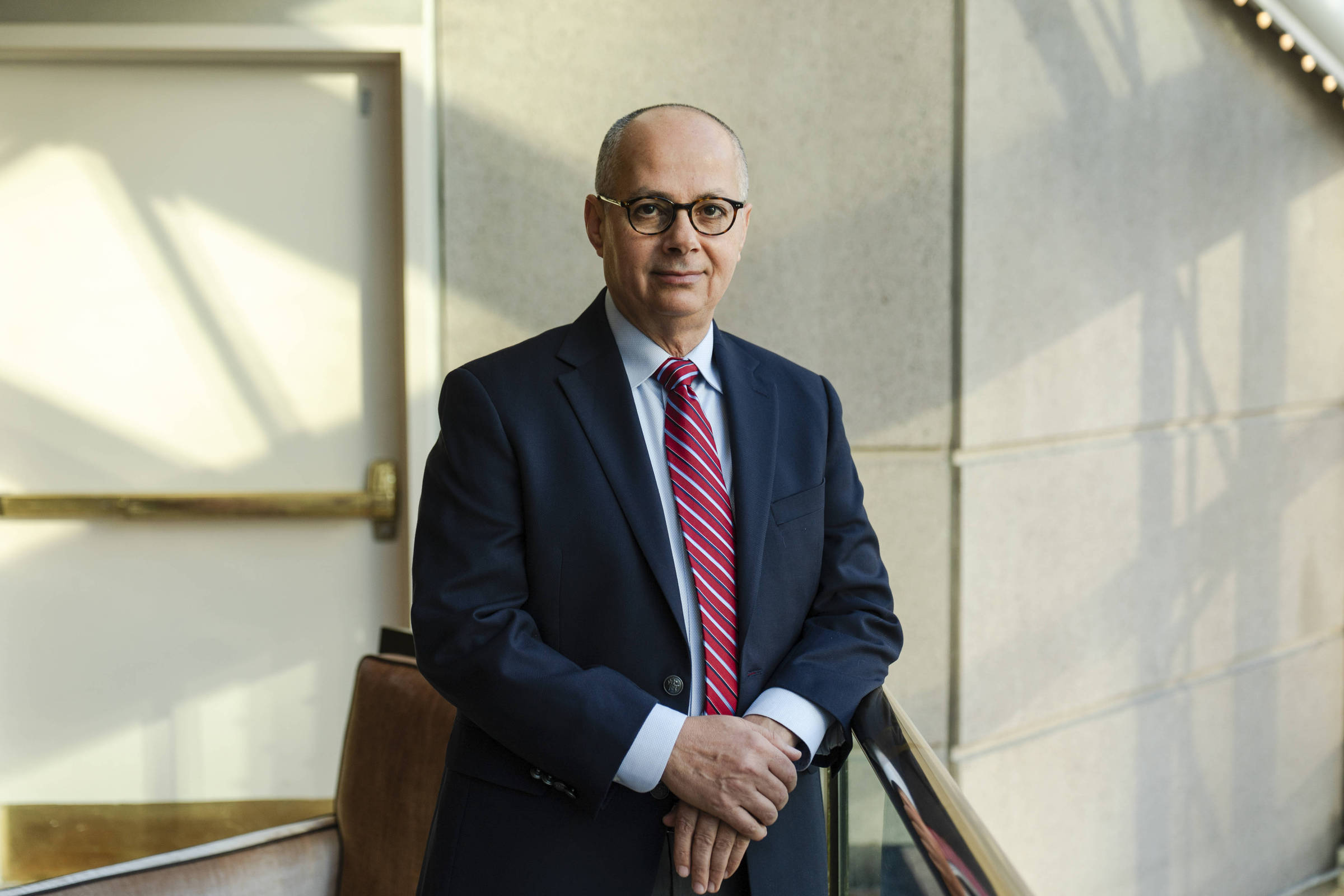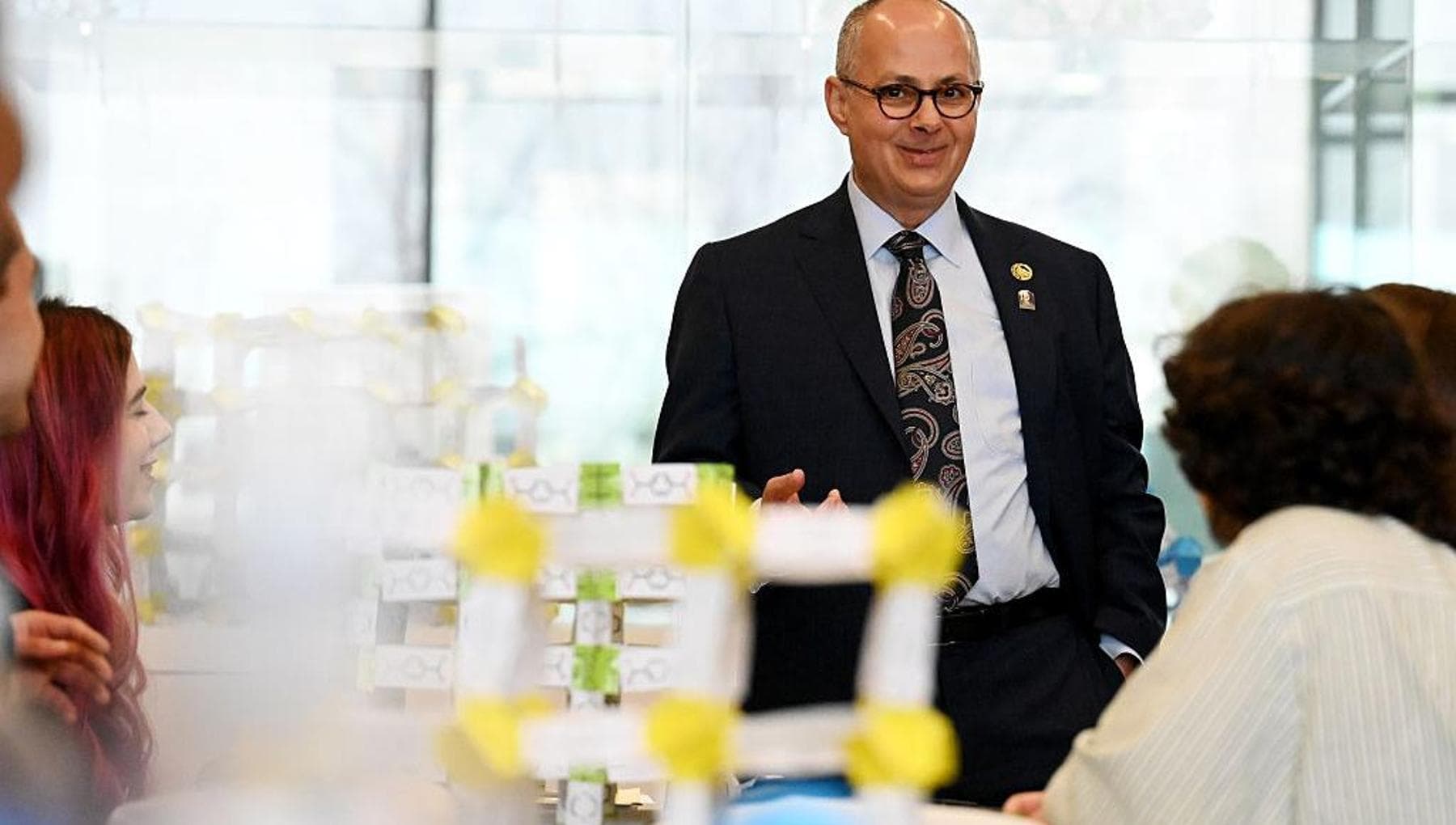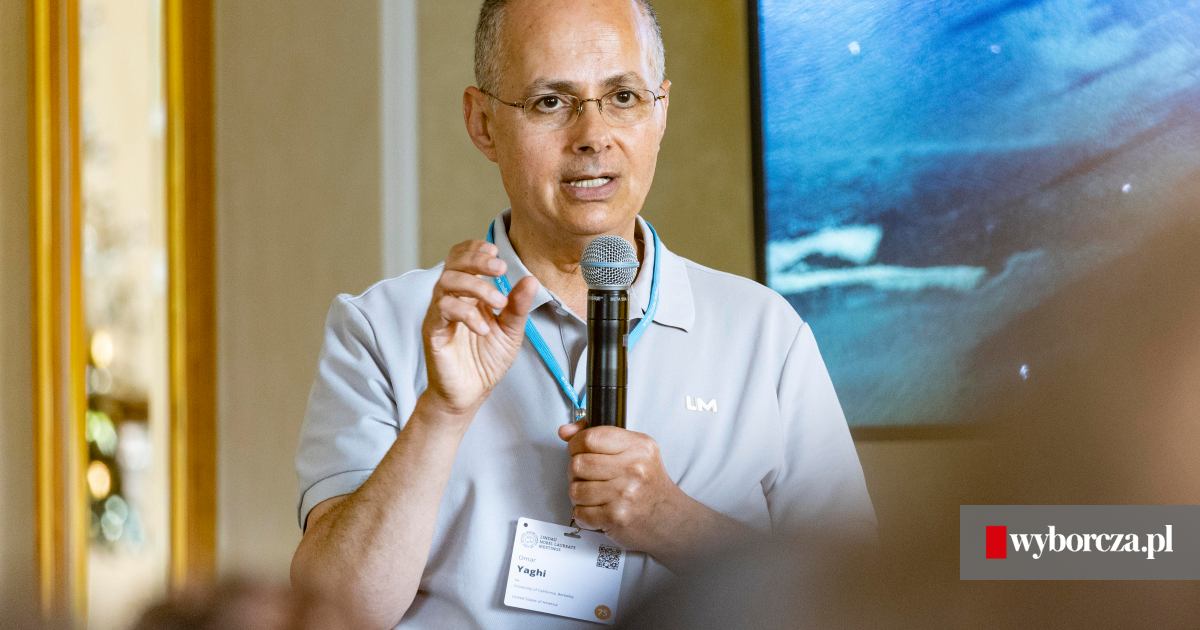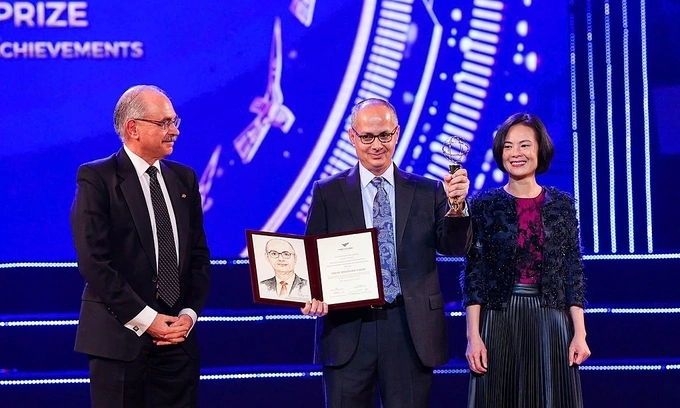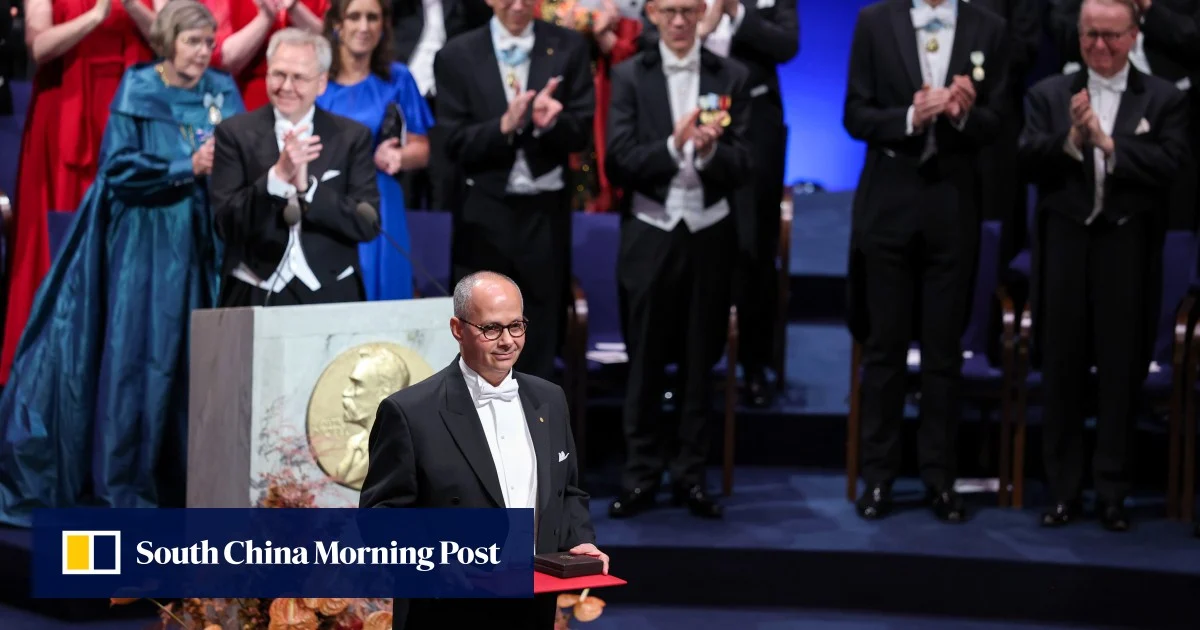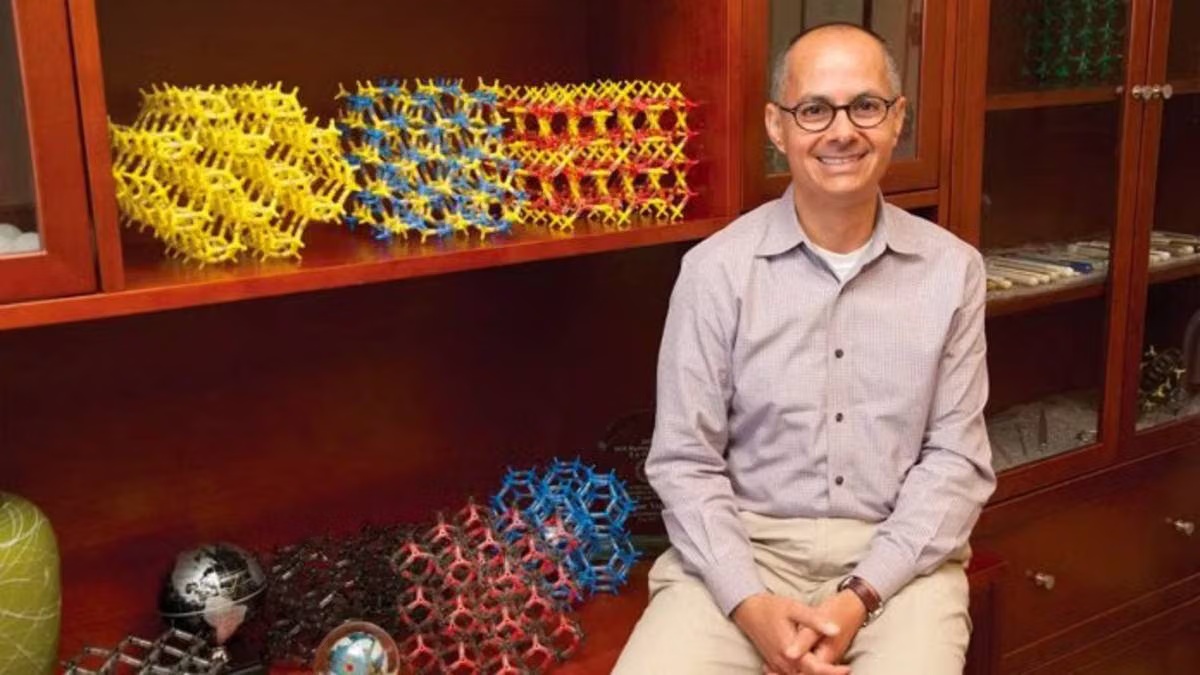
New Delhi: In the wake of US President Donald Trump’s repeated fund cuts for scientific research and restrictions on international collaboration, Nobel Prize-winning chemist Omar Yaghi has left the US to join China’s Tsinghua University and lead a new AI driven research centre.
Before joining the university in Beijing, 61-year-old Yaghi, who is of Palestinian origin, served as James and Neeltje Tretter Professor of Chemistry at the University of California, Berkeley.Last year, Yaghi shared the Nobel Prize in chemistry with Richard Robson and Susumu Kitagawa for pioneering the development of metal-organic frameworks, or MOFs, which are ultra-porous, sponge-like materials formed by linking metal ions with carbon-based molecules, and possess some of the highest internal surface areas ever recorded. This enables them to capture and convert carbon dioxide, extract water from desert air and store hydrogen for use as a clean energy source.
In an interview last month to Scientific American, Yaghi had described the current state of American science as “not so encouraging because of the cutting back on grants and support of science by the very agencies that many university researchers rely on”.He also expressed concern that many US scientists were failing to embrace what he called the “AI revolution”, arguing that researchers must engage with artificial intelligence models “as a matter of survival of the advanced research system in the US”.Trump, in his second term in office, has cut more than 7,800 research grants, and as many as 25,000 scientists, researchers and other personnel left or were dismissed from federal agencies that oversee scientific research, according to a Nature report. The administration also proposed cutting approximately 35% or $32 billion from the US science budget.In an unprecedented step, the Trump administration began terminating previously approved research grants at the National Institutes of Health (NIH) before extending similar actions to the National Science Foundation (NSF), two of the country’s largest public funders of scientific research. In total, 5,844 NIH grants and 1,996 NSF grants have been cancelled or suspended, the report noted.The cuts have disproportionately affected research areas the administration has criticised, including studies on misinformation, vaccine hesitancy, infectious diseases, and projects involving underrepresented racial, ethnic and gender groups.Yaghi’s move, first reported by the South China Morning Post, comes amid these restrictions.As Trump dials down on scientific research, countries around the world have intensified efforts to recruit leading US-based scientists by offering generous funding and institutional support.China has expanded its talent recruitment programmes, with several cities and provinces offering substantial relocation bonuses and monthly stipends to attract international researchers. France announced earlier this year that it would provide financial backing to dozens of American researchers relocating there.Since joining the University of California, Berkeley, in 2012, Yaghi has received many of the world’s highest honours in materials science, including the Albert Einstein World Award of Science, the Wolf Prize in Chemistry and, in 2025, a share of the Nobel Prize in Chemistry.Beyond academia, he has founded and co-founded several US companies based on his research. Among them are Atoco, an Irvine, California-based company developing advanced materials for water harvesting and carbon capture, and WaHa, based in California, whose technology converts atmospheric humidity into drinking water while reducing the energy required for climate control.(Edited by Nida Fatima Siddiqui)