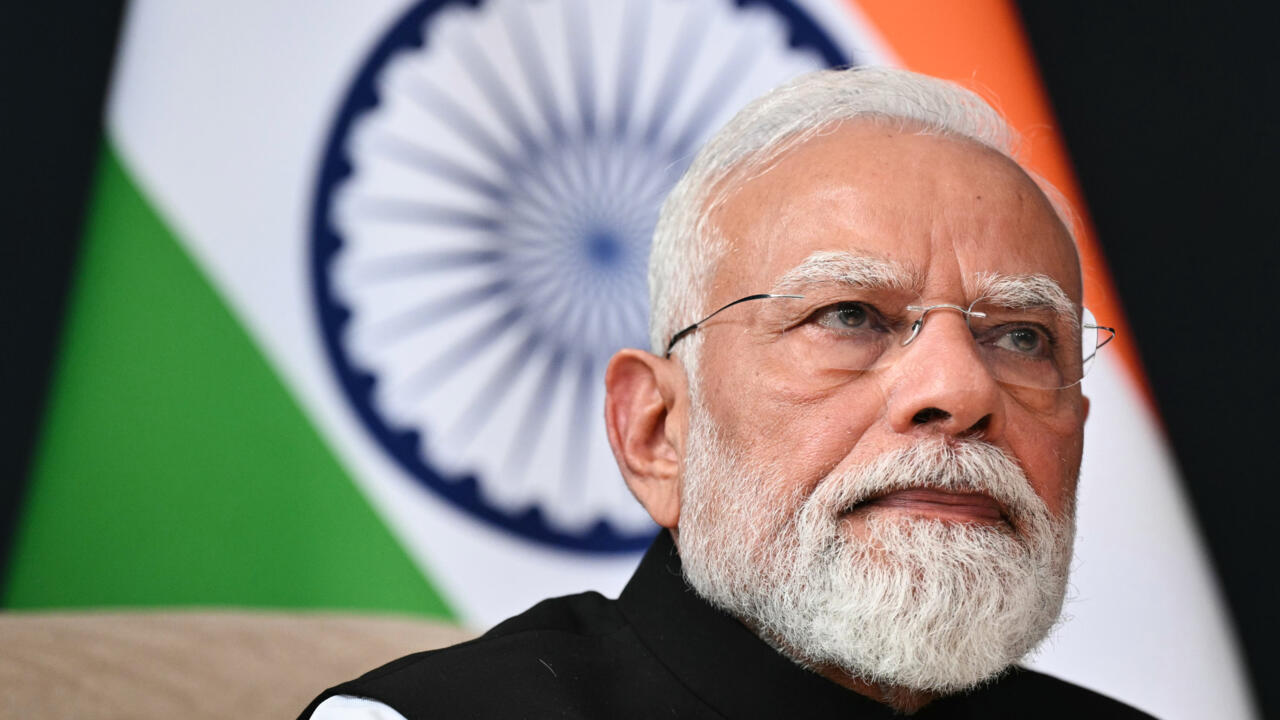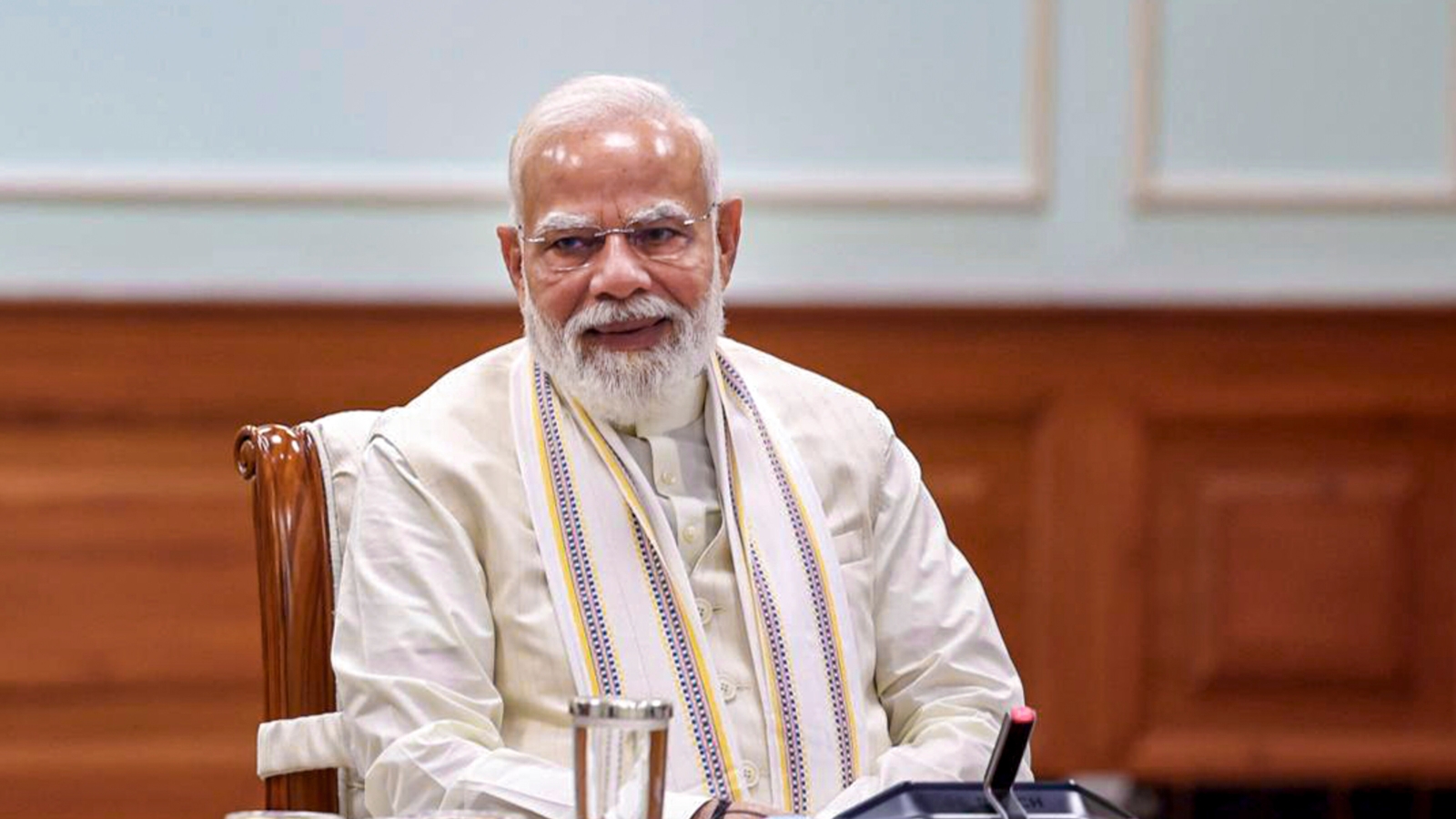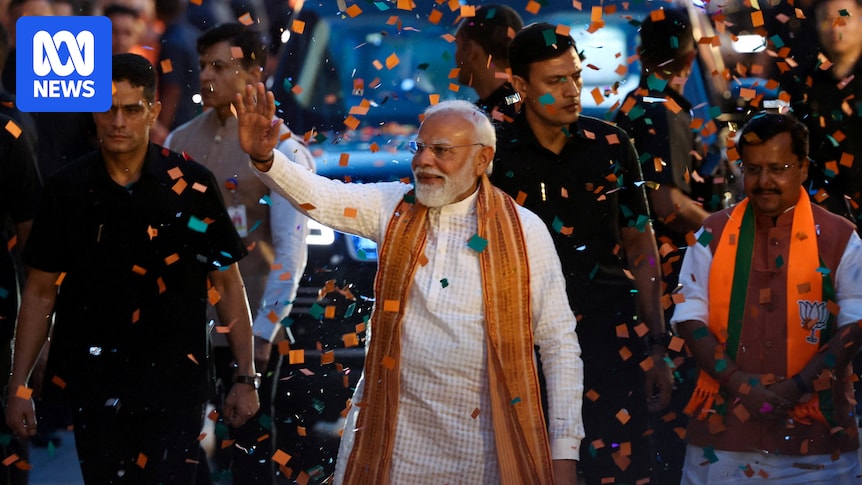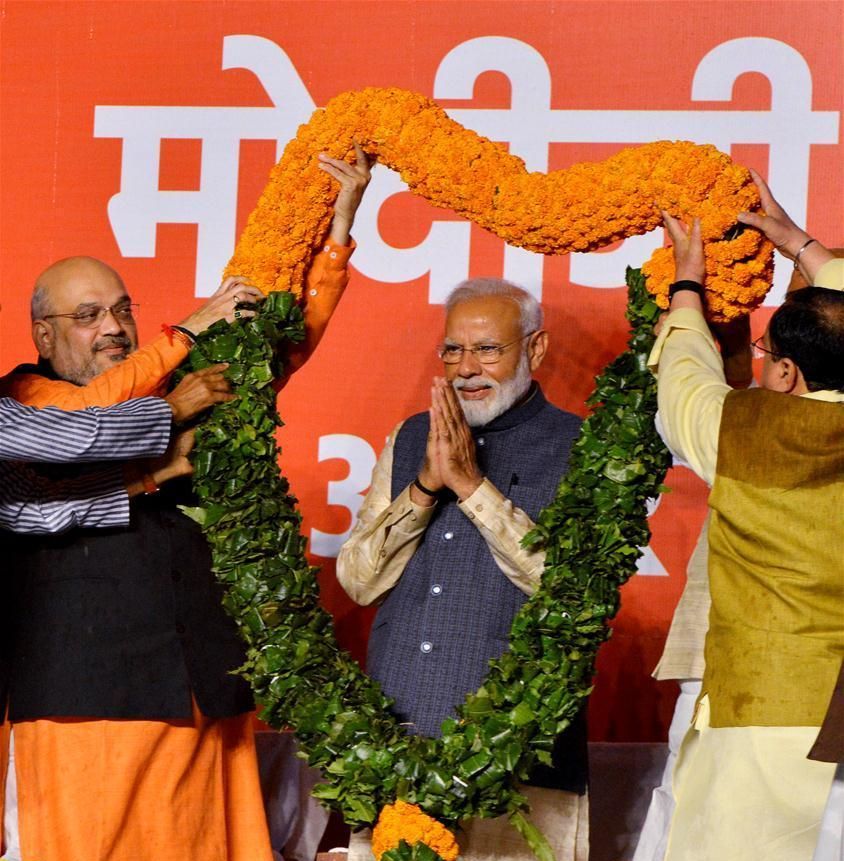
Indian Prime Minister Narendra Modi (C) celebrates victory at the Bharatiya Janata Party (BJP) headquarters in New Delhi, India.
For twenty-five years, Narendra Modi's political identity has rested on a single, carefully cultivated idea: he does not back down. From his rise as Gujarat's chief minister in 2001 through three terms as prime minister, the entire " brand Modi" was built on the projected strength of a leader who absorbs pressure rather than yielding to it. Last week, that identity took what his own biographer called the "biggest possible hit" it's ever suffered. That assessment is correct, and it matters more than most coverage of this moment is giving it credit for.
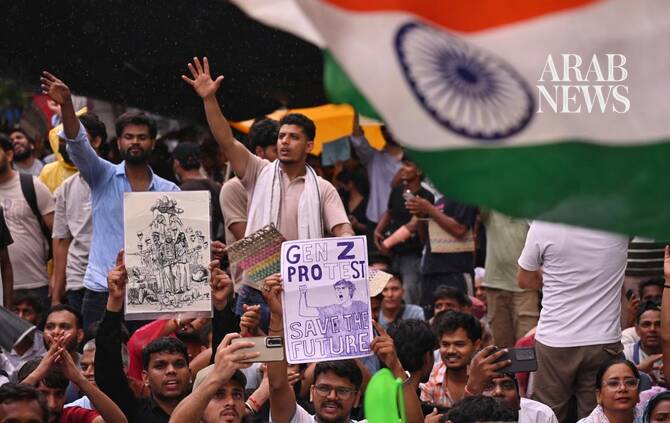
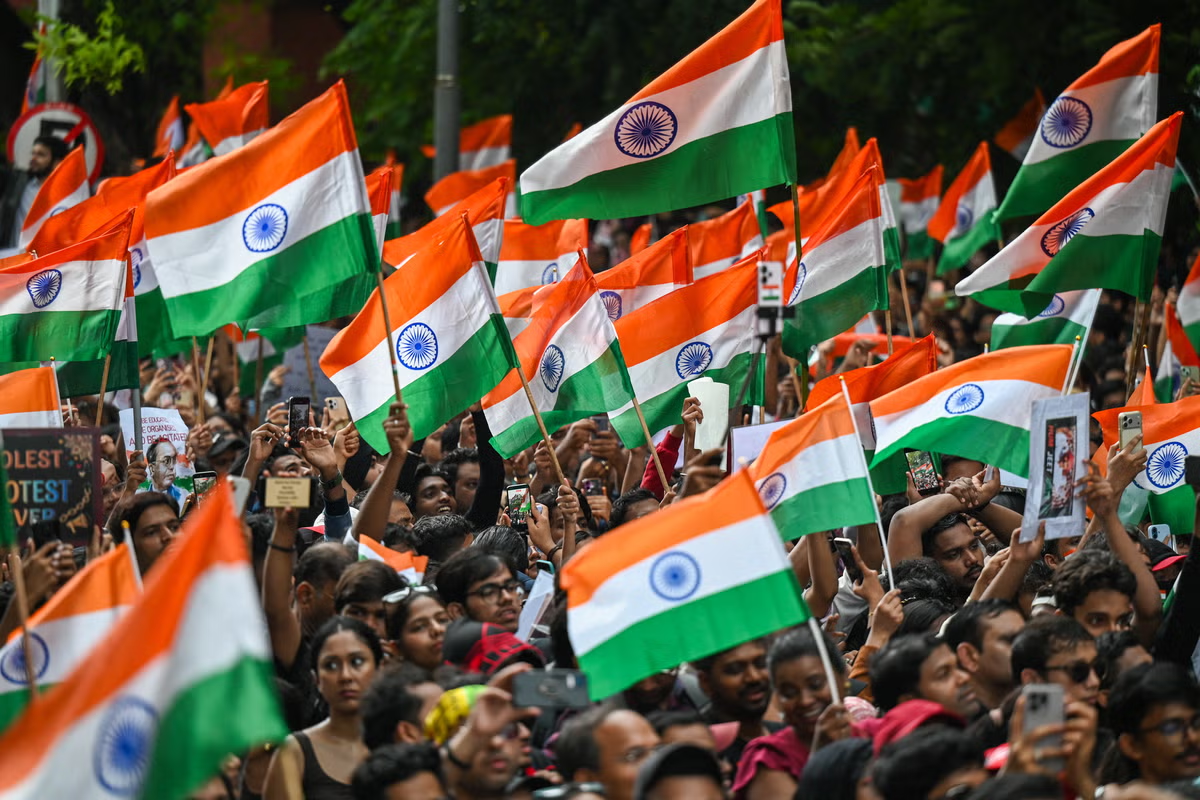
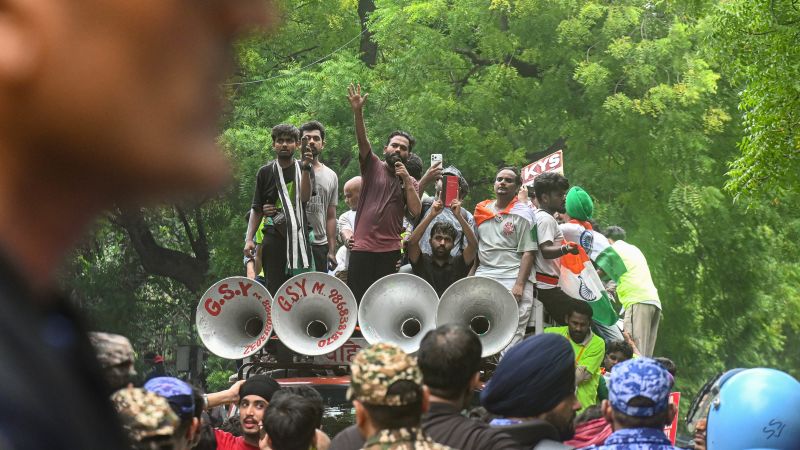
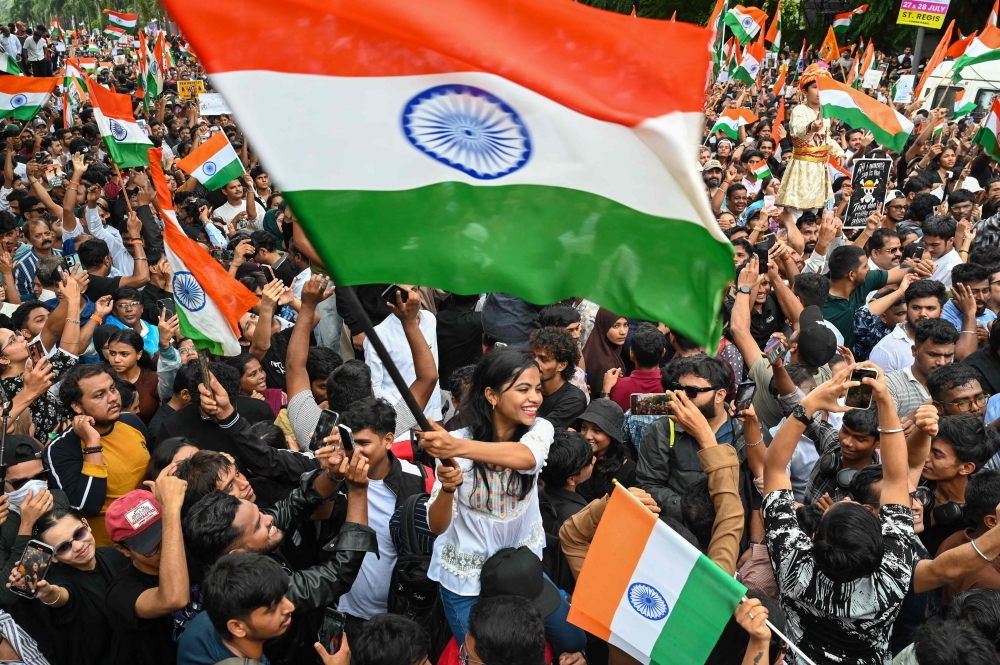
The facts are straightforward enough. A satirical online movement calling itself the Cockroach Janta Party organised weeks of protests over leaked exam papers, the kind of scandal that, in isolation, sounds almost mundane. But repeated leaks in the national exams that determine university admission and government jobs had already disrupted years of preparation for millions of students, and in at least one case were linked to student suicides. When police tear-gassed and baton-charged a march on parliament on the 20th of July, the government's crackdown did the opposite of what crackdowns are supposed to do. It turned a grievance about exam administration into a referendum on whether Modi's government could still be challenged at all. Five days later, Education Minister Dharmendra Pradhan resigned, and the government quietly agreed not to prosecute detained protesters.