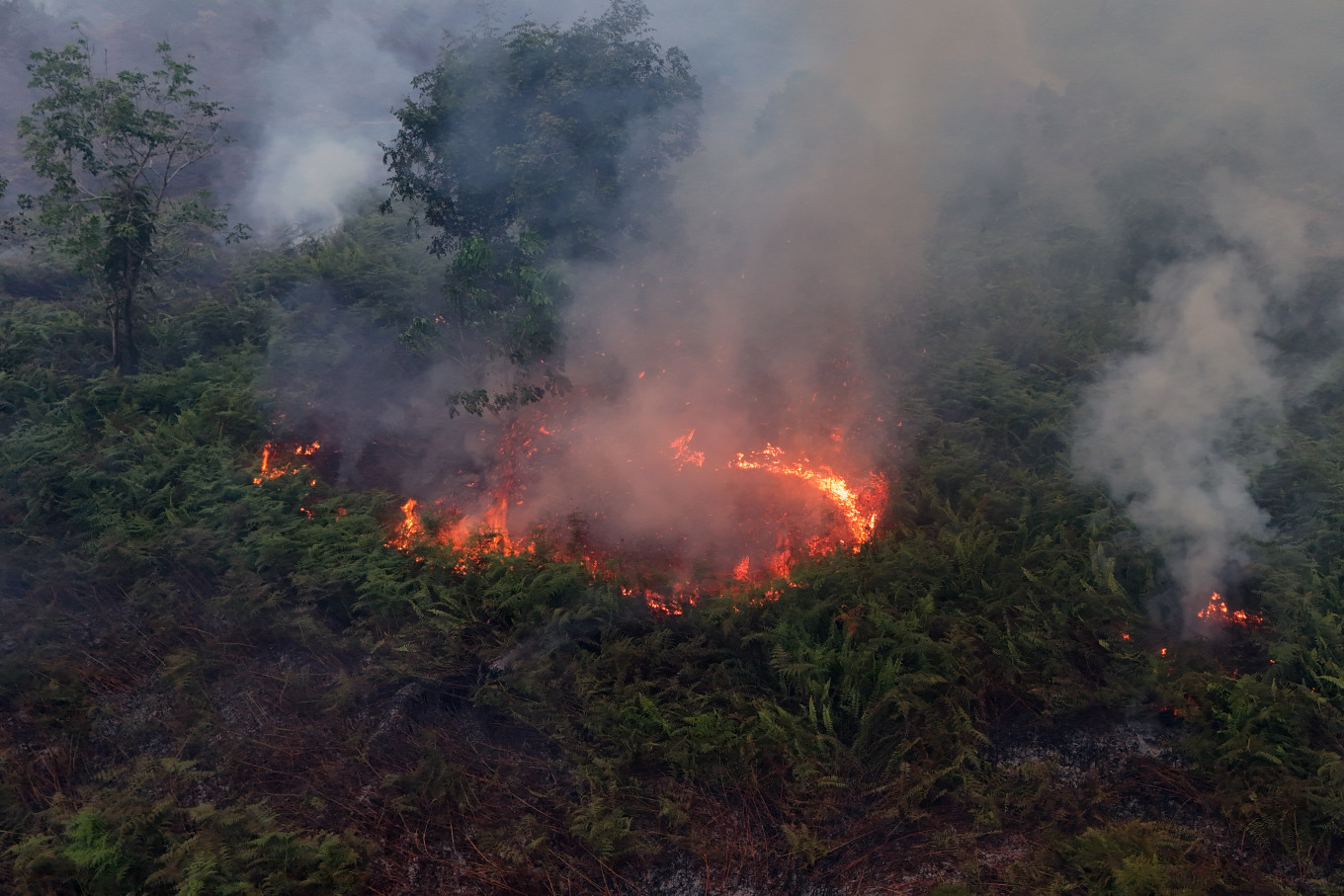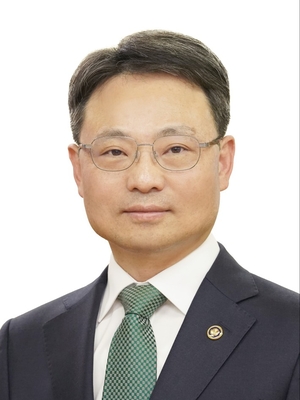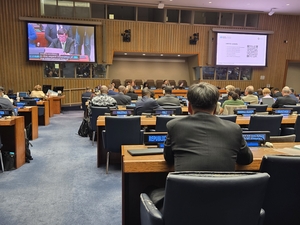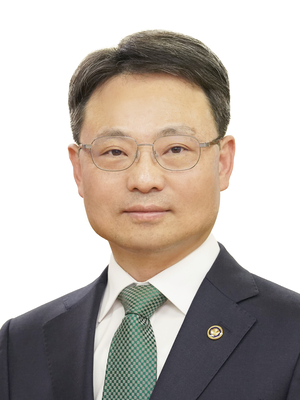
Park Eun-sik, minister of the Korea Forest Service (KFS) By Park Eun-sikForest fires are becoming a year-round threat. Climate change is reshaping the world's forests and disrupting our lives. Today, the world faces an unprecedented compound crisis marked by extreme heat, prolonged droughts, large-scale forest fires and the irreversible loss of biodiversity. None of these challenges remains confined within the borders of any single country. The crisis facing forests is a shared crisis for humanity, and it can only be addressed through international cooperation and solidarity.Against this backdrop, the 6th APEC Ministerial Meeting on Forestry (MMRF6) was held in Shenzhen, Guangdong Province, China, from July 27 to 28. The meeting served as a platform for cooperation to explore how forests can be conserved and sustainably managed in response to the shared challenges of climate change, biodiversity loss and forest disasters, and how these efforts can contribute to building a more sustainable future together. Delegations from 21 APEC member economies, including the Republic of Korea, gathered under the theme of "Toward a Green Asia-Pacific and Ecological Well-being for All” to discuss policy directions and cooperation toward achieving the global forestry goals. I also attended the meeting as a representative of the Korean government and shared Korea's achievements and experience in forest policy with the international community.Forests are among nature's most effective carbon sinks, serving as the foundation of life by conserving biodiversity and water resources. They are also valuable assets that support local livelihoods and economies. Protecting forests is not only about conserving the environment but also about investing in the prosperity of future generations.The Joint Statement adopted at the meeting calls for a shared commitment to strengthening science-based sustainable forest management, combating illegal logging, promoting trade in legally harvested forest products, and maximizing the values and ecosystem services that forests provide. In line with these international efforts, Korea is implementing its revised 6th National Forest Plan, which reflects the Global Forest Goals and Korea's Nationally Determined Contribution. Korea has also established a digital forest management system that harnesses satellite data and artificial intelligence, enhancing the efficiency of forest management and strengthening its capacity to respond to transboundary forest disasters.Korea has evolved from an aid recipient country into one that shares its experience and expertise with the global community. Korea successfully restored forests devastated by war into a green landscape. This has become one of the most widely recognized examples of successful forest restoration. Building on this experience, Korea is expanding cooperation with developing and climate-vulnerable countries by supporting forest restoration and strengthening forest disaster response capacity.One of the key topics highlighted at the meeting was the conservation and restoration of mangrove ecosystems, a core element of nature-based solutions. Mangrove forests can sequester up to four times more carbon than tropical rainforests and serve as natural breakwaters that protect coastlines from typhoons and storm surges. In Vietnam, Korea restored 330 hectares of degraded mangrove forests, contributing to both ecosystem recovery and increased incomes for local communities. The project was recognized by the OECD as a public sector innovation case. It demonstrates that forest restoration can contribute not only to environmental recovery, but also to the sustainable development of local communities.Urban forests and the restoration of waterfront ecosystems in the rapidly urbanizing Asia-Pacific region were also key topics of discussion. During my visit to Futian Mangrove Ecological Park and the Dasha River Ecological Corridor in Shenzhen, I saw how ecological corridors and waterfront spaces can be seamlessly integrated into urban environments, allowing nature and people to live together even in a highly urbanized city. It was a powerful reminder that the future of climate-resilient cities begins not with more concrete, but with more forests and green spaces.Korea is also steadily expanding green infrastructure in urban areas, including climate-responsive urban forests, urban wind corridors and green safe zones for children. In addition, we are developing 40 garden cities across the country, transforming urban spaces into sustainable ecological networks. Through this meeting, we shared these policies and experiences with fellow member economies and presented a new path forward where cities and forests grow together.Forests are a shared asset of humanity that transcends national borders and a legacy we must pass on to future generations. Just as forests quietly prepare for spring beneath the frozen ground of winter, we must continue to plant and nurture the seeds of green solidarity as the climate crisis deepens. Forest fire smoke and climate change do not stop at national borders, but neither does the power of cooperation to create meaningful change.The climate crisis is not a challenge that any country can solve alone. By caring for forests together and sharing our experience and expertise, we can build a greener future together. I hope that stronger forest cooperation across the Asia-Pacific region will take root and lead to shared prosperity beyond the climate crisis.Park Eun-sik is the minister of the Korea Forest Service. The views expressed in this article are the writer's own. — Ed.
[Contribution] Connecting the Asia-Pacific through forests: A green path to shared prosperity
By Park Eun-sik Forest fires are becoming a year-round threat. Climate change is reshaping the world's forests and disrupting our lives. Today, the world faces
827 words~4 min read