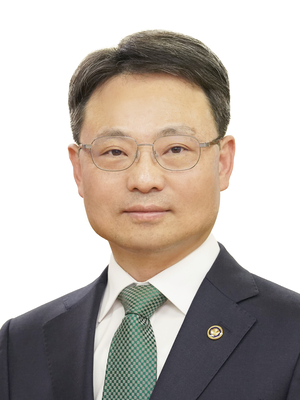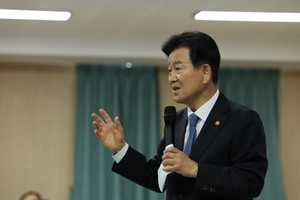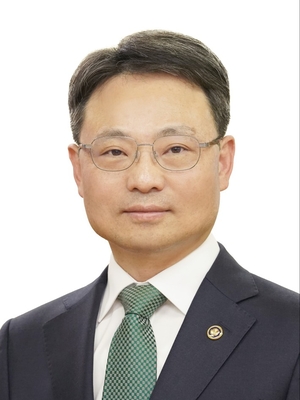
Korea Forest Service Minister Park Eun-sik (Korea Forest Service) By Park Eun-sikMinister of Korea Forest ServiceToday, we live in an era of unprecedented global volatility, marked by protracted conflicts such as the Russia-Ukraine war and instability in the Middle East. As history has shown, war leaves deep and indelible scars on all involved, regardless of who claims victory. Peace is not merely the absence of conflict; it is the fundamental prerequisite for a secure daily life and a vital engine for economic development. Yet the Korean Peninsula remains divided by the Military Demarcation Line established in 1953, enduring more than 70 years of a fragile armistice without a formal peace treaty.The Korean government has consistently pursued a policy of "Peaceful Coexistence and Shared Growth" to ensure that tensions stemming from the division do not threaten the lives of citizens or hinder economic progress. The 2018 inter-Korean summits reaffirmed that even the most entrenched tensions can be eased through dialogue and cooperation.It is worth noting that during these summits, North Korea most actively requested cooperation in forestry. Since the economic crisis of the 1990s, North Korean forests have been severely degraded due to indiscriminate land clearing for food production and excessive cutting of trees for fuel. As of 2018, approximately 28 percent of North Korea’s total forest area — some 2.62 million hectares — had been devastated. Because North Korea prioritizes forest restoration as a national project to break the vicious cycle of landslides and shortages, forestry cooperation stands as a key area of humanitarian cooperation with direct benefits for the lives of the North Korean people.The crisis facing North Korean forests is not a distant problem. The forests of the Korean Peninsula form a single, unified ecological system connected through the Baekdudaegan mountain range. Forest fires and pests in border regions, including the Demilitarized Zone (DMZ), spread across the demarcation line, causing mutual harm. In particular, landslides in upstream northern regions during torrential summer rains can lead to flooding in downstream areas of the South, resulting in losses of life and property. In an era of climate crisis, transboundary cooperation to protect the lives and safety of residents on both sides is no longer an option but a necessity. A model of reciprocal prosperity must be established to deliver practical benefits to both Koreas.Successful inter-Korean exchange requires more than government will alone; it demands an organic collaboration system involving both the public and private sectors. Especially during periods of diplomatic stalemate, diverse stakeholders — including the Korea Forest Service, relevant ministries, local governments, international organizations and civil society organizations — must maintain the thread of cooperation through their respective expertise. By working together to identify practical, phased models of cooperation, these actors can help nurture a small but resilient spark of hope amid division and confrontation.In the forest, winter is not a season of dormancy; it is a period of intense preparation for spring. Now, while inter-Korean relations remain frozen, is the right time to select superior seeds and meticulously nurture seedlings for the coming "Spring of Peace." The Korea Forest Service will continue to prepare and steadfastly implement inter-Korean forestry projects that will serve as catalysts for peaceful coexistence and shared growth on the Korean Peninsula.Park Eun-sik is the minister of the Korea Forest Service. The views in this column are his own. — Ed.
[Contribution] Forestry as a pathway to peace on the Korean Peninsula
By Park Eun-sik Minister of Korea Forest Service Today, we live in an era of unprecedented global volatility, marked by protracted conflicts such as the Russia-
557 words~3 min read