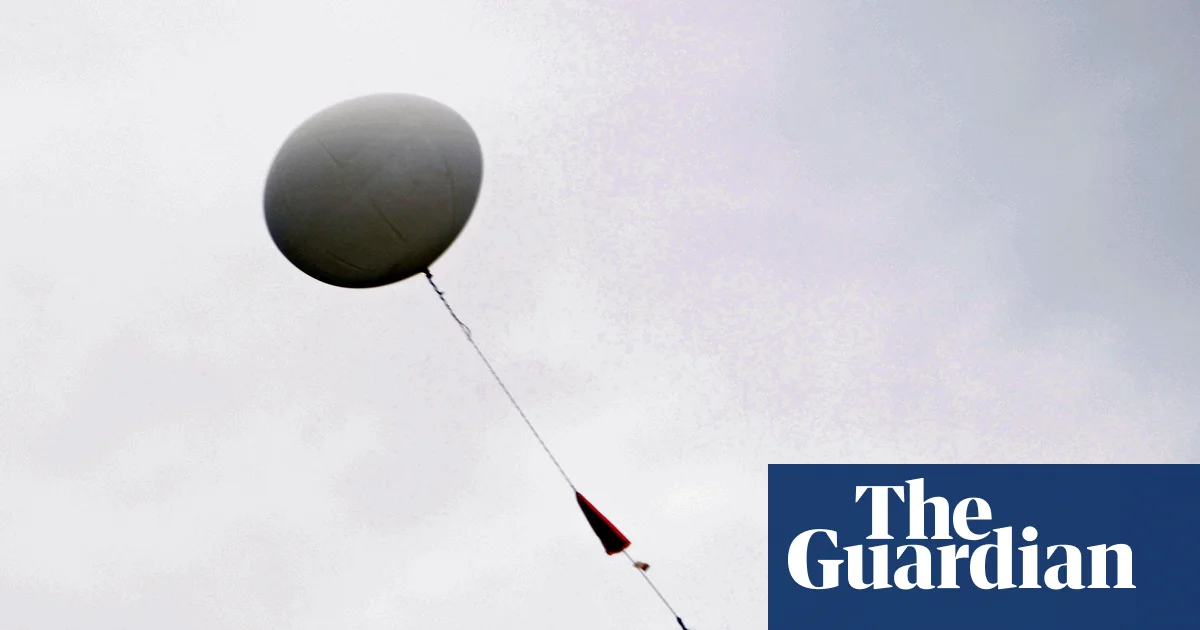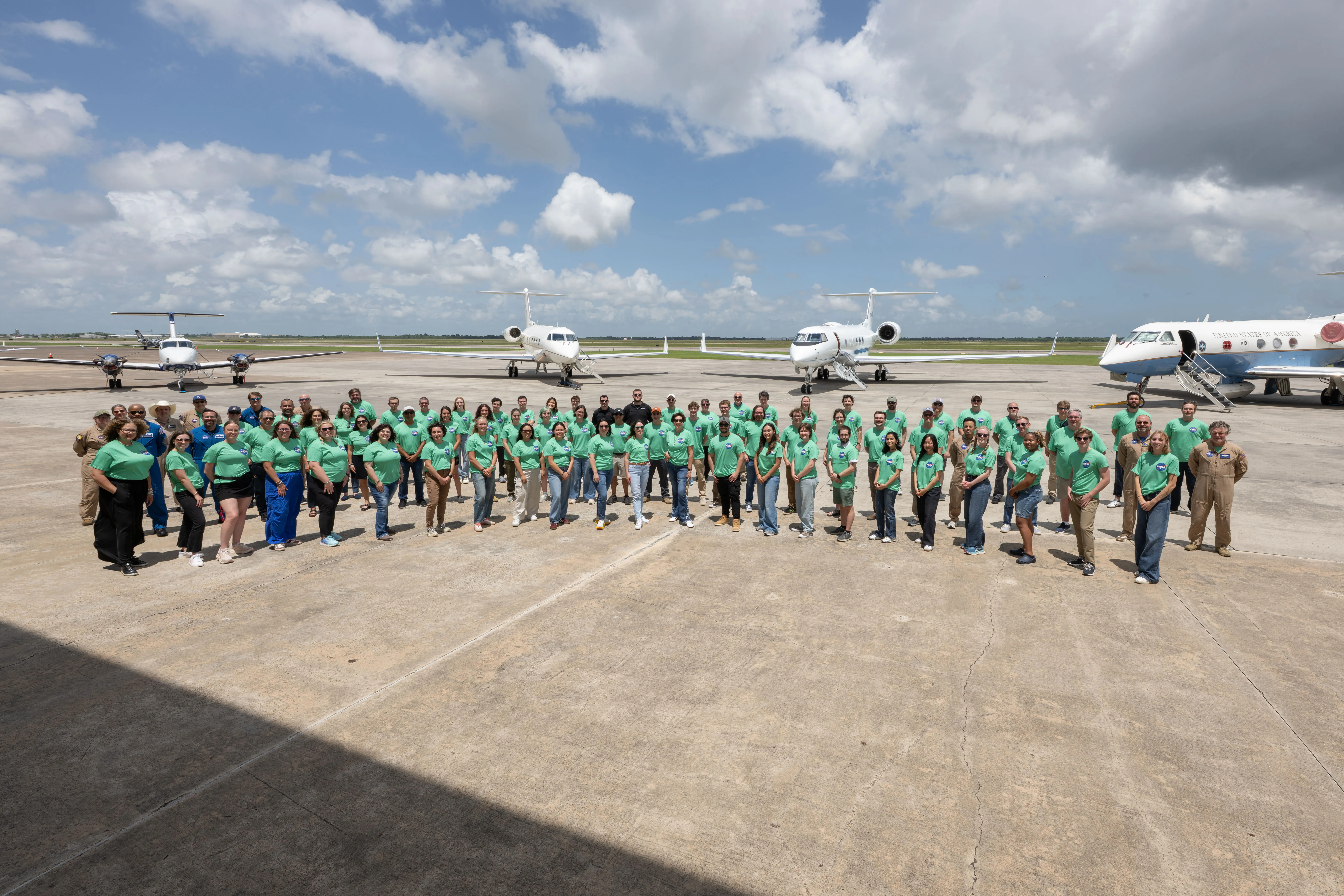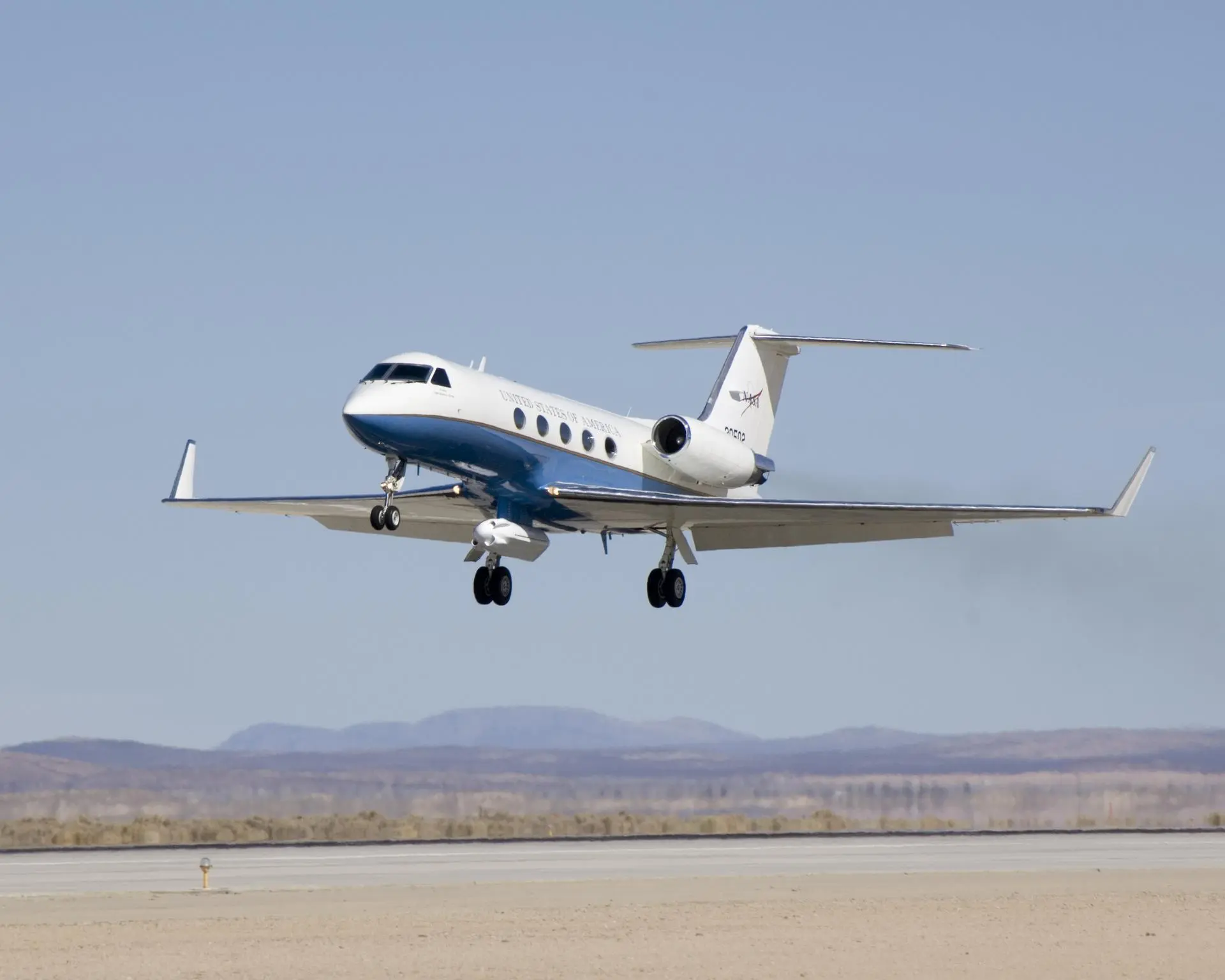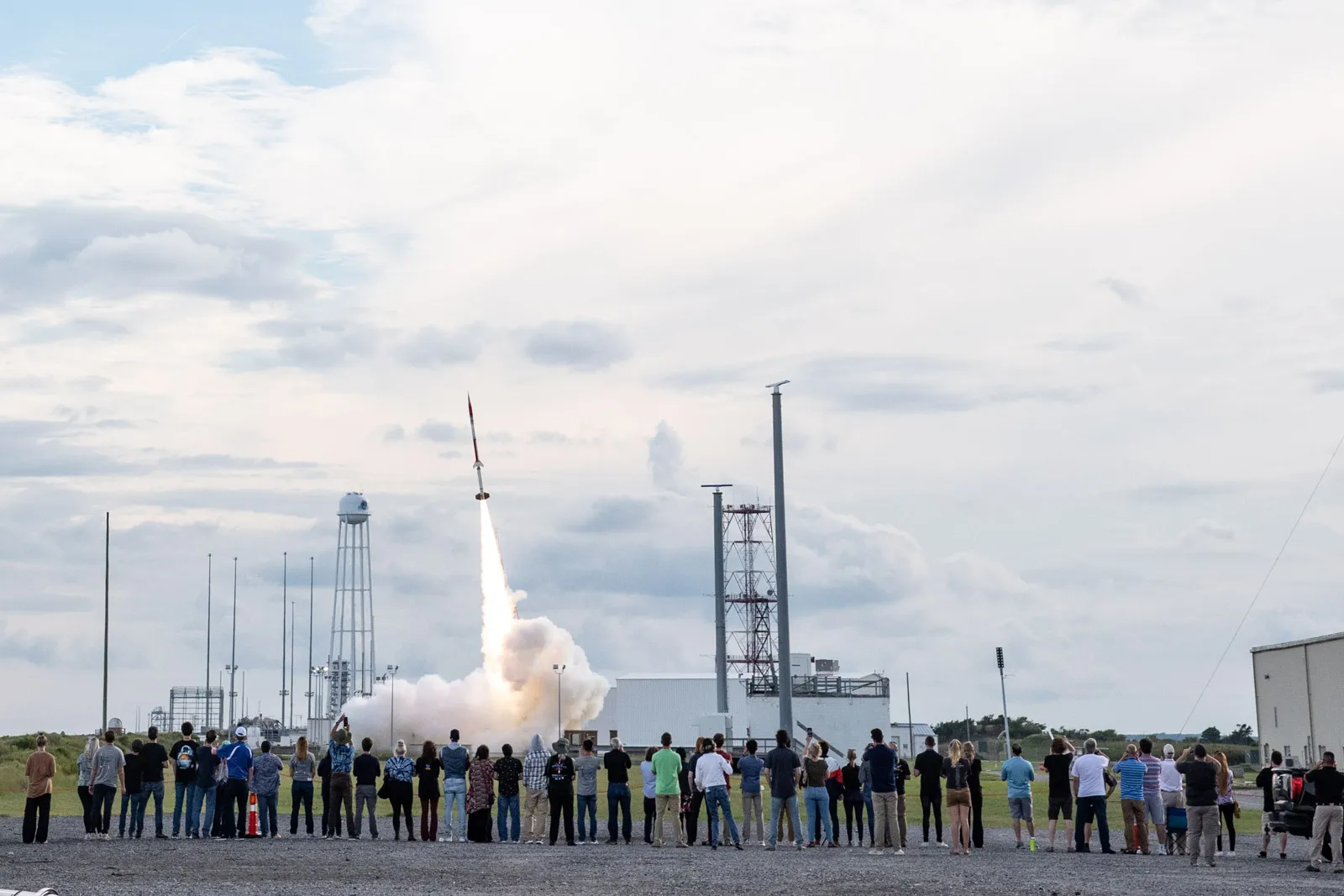
The gusty wind didn’t make it easy to hold tight to a balloon so large. The balloon, a scientific instrument called an ozonesonde, was about to be released into the atmosphere above the Texas Gulf Coast by students from NASA’s SARP (Student Airborne Research Program), which concluded its summer session July 27. The balloon’s job was to measure ozone concentrations as it rose through the atmosphere.
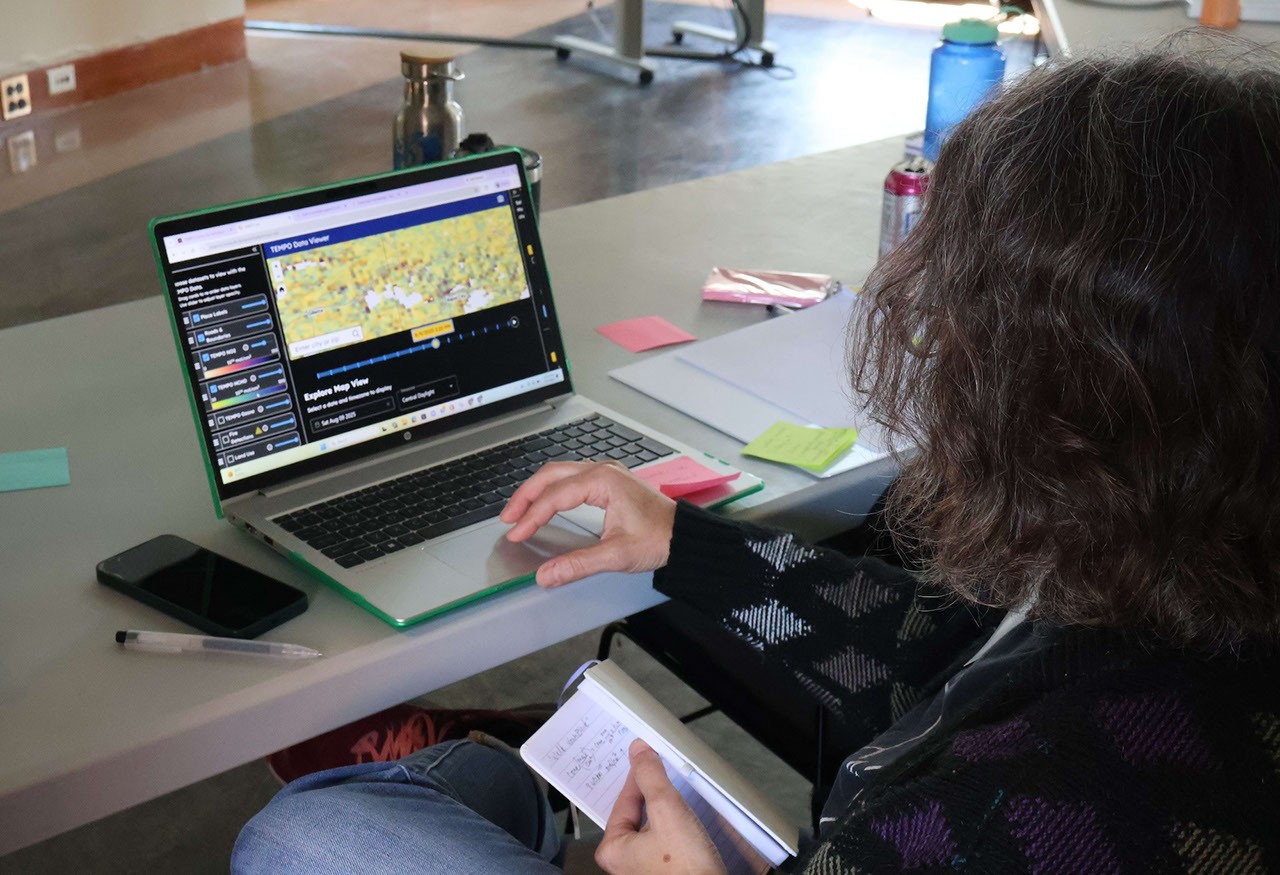
A dozen of the 48 undergraduate students participated in atmospheric field research. Guided by instrument scientists, university professors, and graduate students, the SARP students prepared the ozonesondes for takeoff. They chemically treated instrument cells attached to the sensor, wrangled the balloons during inflation, and finally, released them into the sky. As the balloons flew, the students monitored the data.
“This research program is a unique experience for students where they have the opportunity to see the different careers related to Earth system science,” said Yaitza Luna-Cruz, program manager for NASA’s Early Career Research Program at NASA Headquarters in Washington.
Each student was assigned to one of four disciplines: atmospheric science, oceans, terrestrial ecology, or hydrology. They gathered field data, designed individual research projects, and presented their findings at the end of the program. When possible, they cross-checked their measurements with NASA satellite missions.