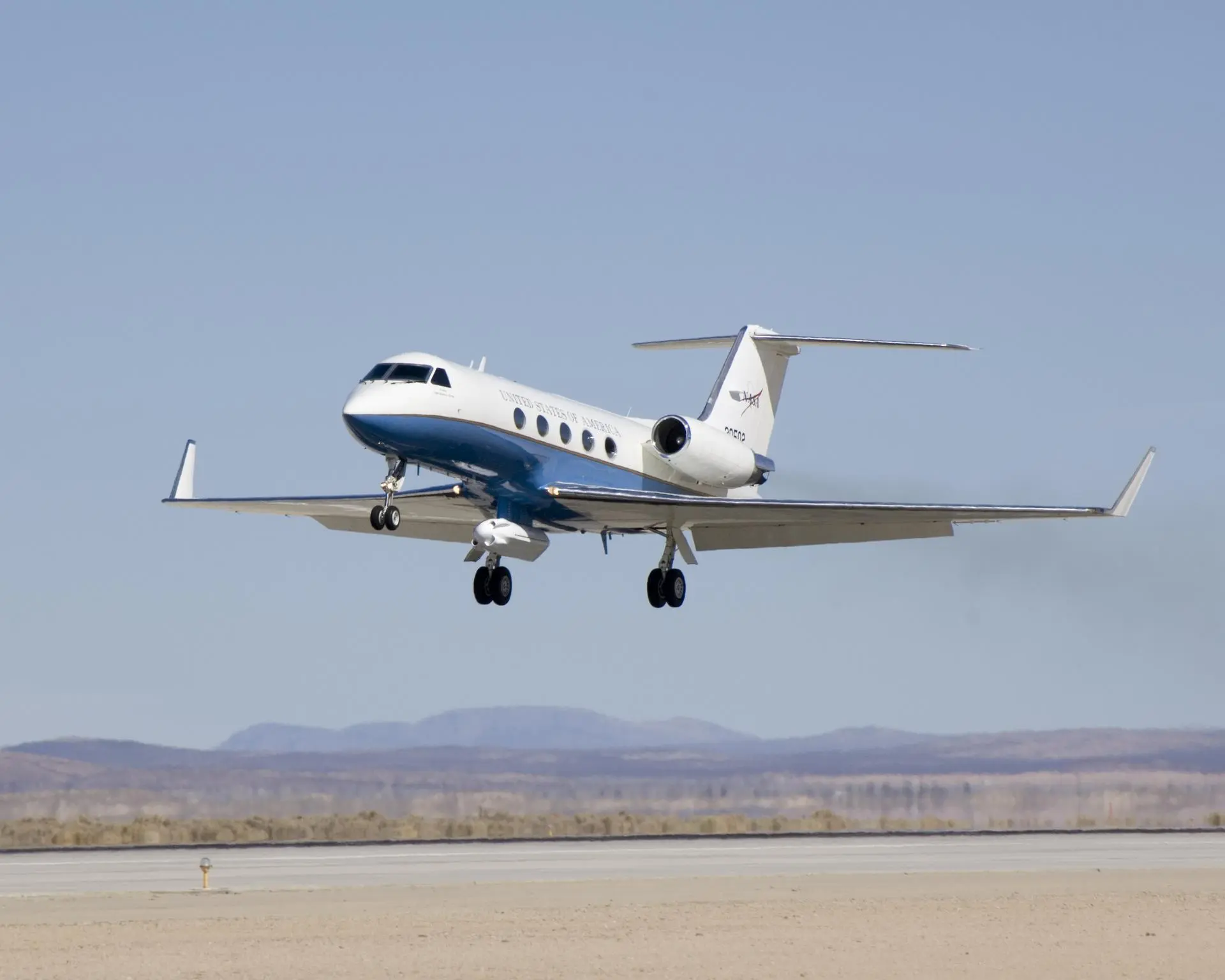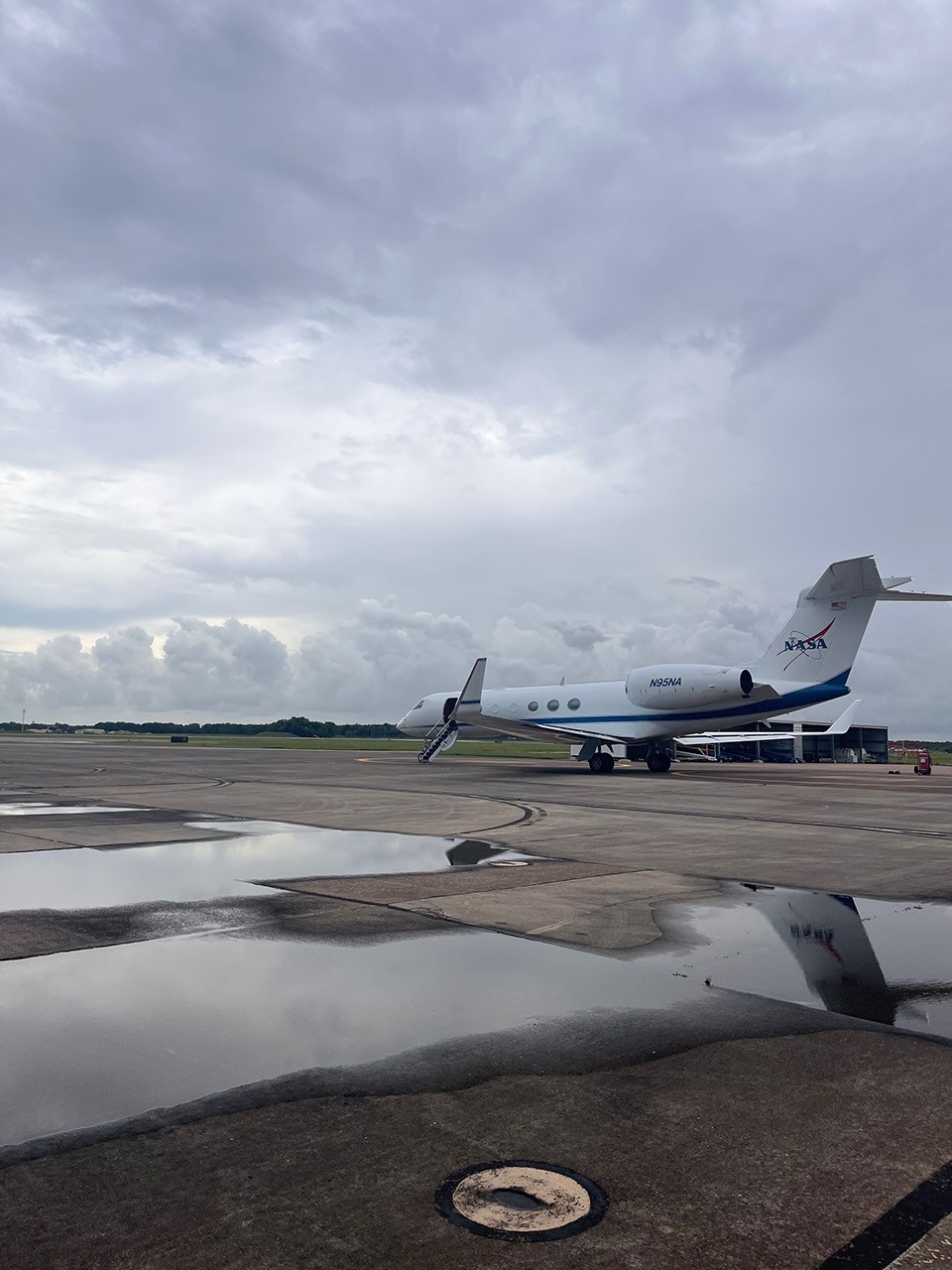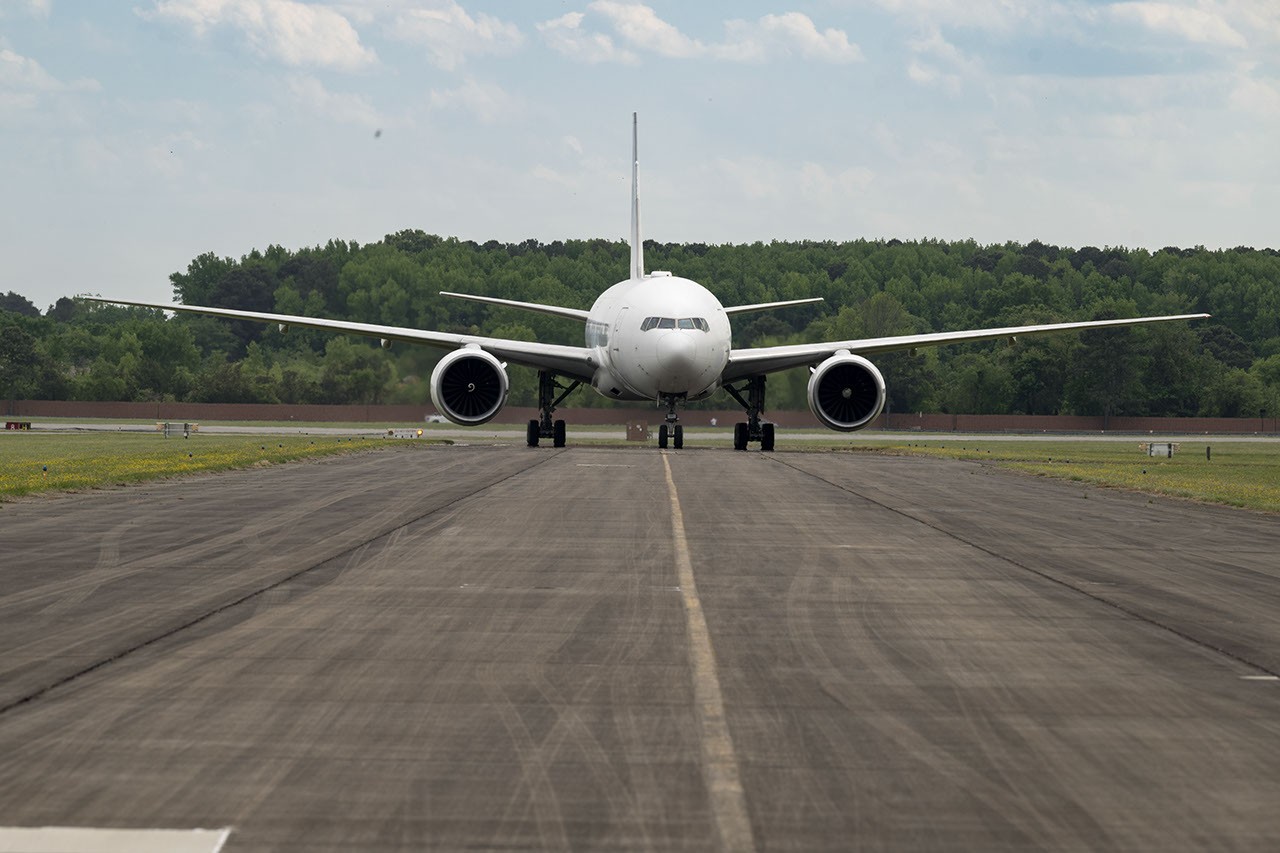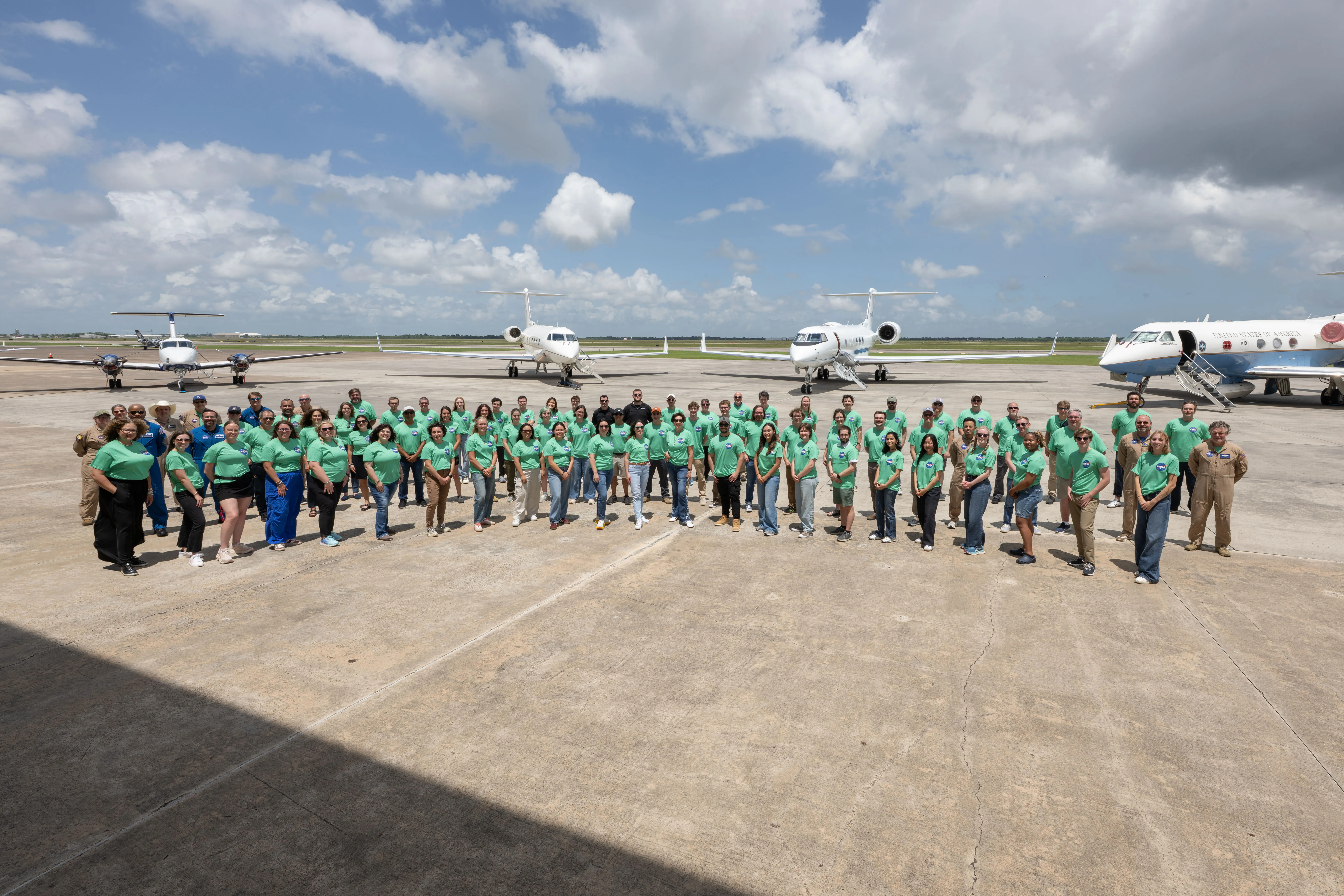
From June 3 to 13, aircraft at Ellington Field in Houston gave students a firsthand look at how scientists study Earth from the air.
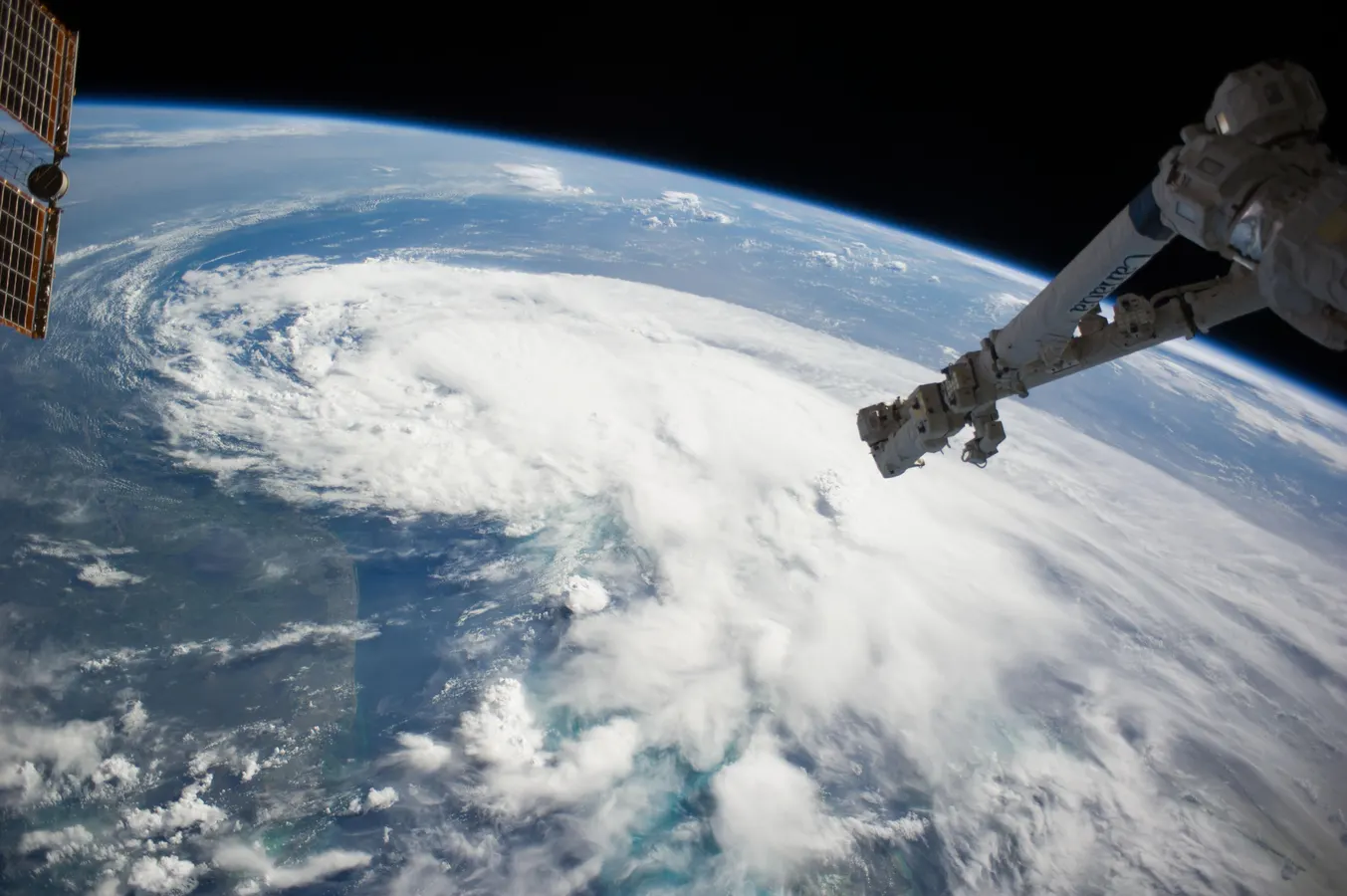
Through NASA’s Student Airborne Research Program, or SARP, students learned how airborne field campaigns collect data used in atmospheric science, ecology, air quality research, and climate modeling.
This year’s activity took place alongside an air quality campaign led by NOAA (National Oceanic and Atmospheric Administration), giving students a chance to see how federal agencies work together to study Earth’s atmosphere.
“Every SARP flight is more than a mission; it’s a classroom in the sky, where students learn how science is planned, executed, and transformed into discovery,” said NASA’s Ames Research Center Earth Science Project Specialist Vidal Salazar.
The NOAA effort allowed NASA to build on active atmospheric research already underway in Texas. By integrating additional aircraft into the campaign, students gained access to a real-world research environment and saw how scientists collect data from the air.