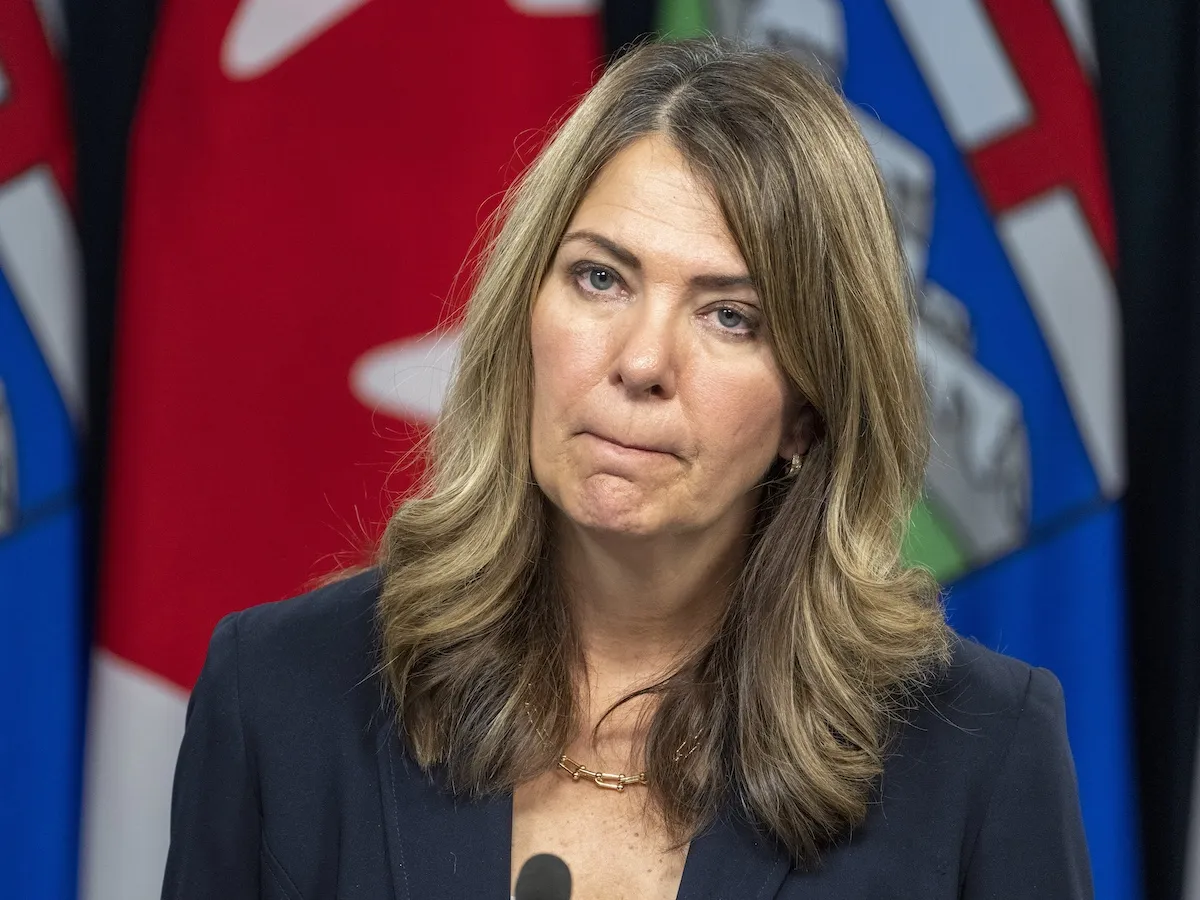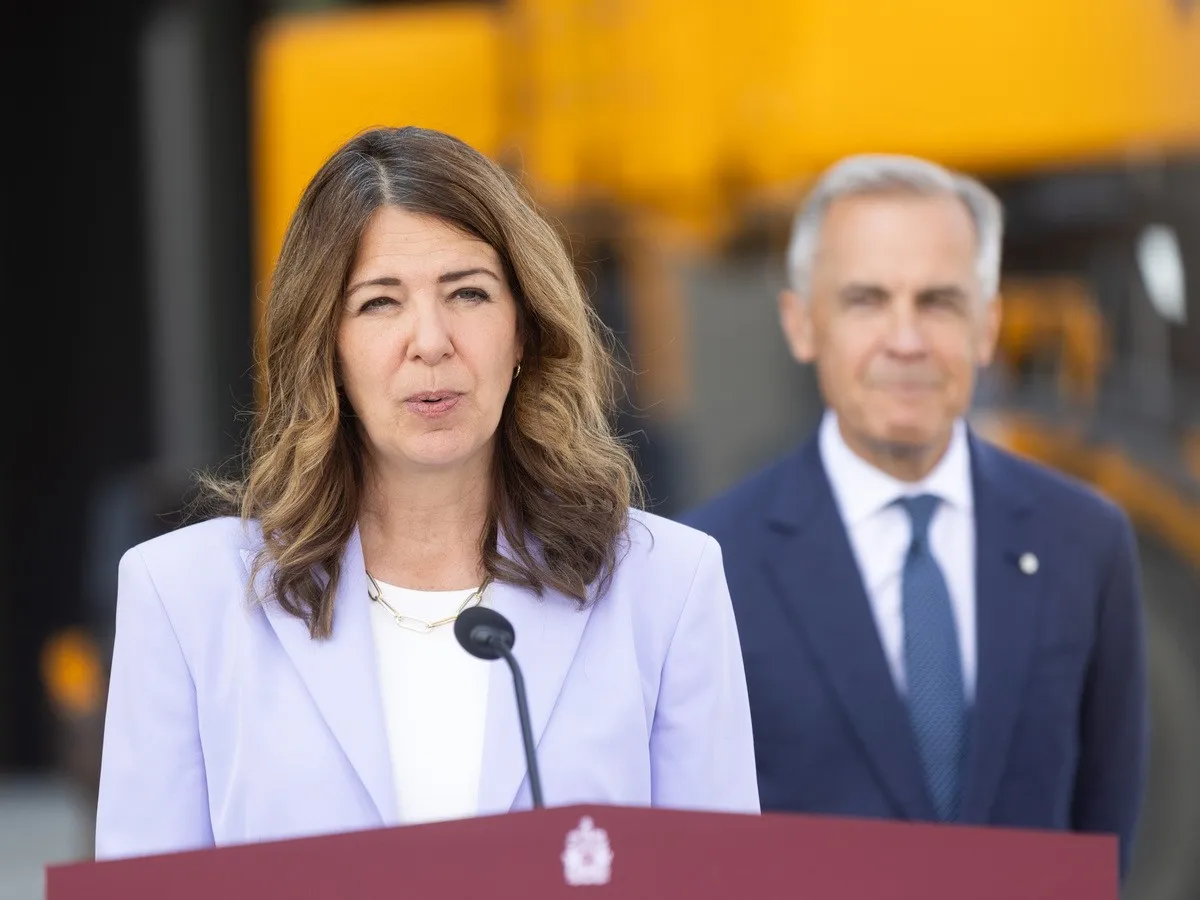
Skip to Content Subscribe Our Offers My Account Manage My Subscriptions FAQ Newsletters Canada Canadian True Crime Canadian Politics Health World Israel & Middle East Financial Post NP Comment Longreads Puzzmo Diversions Comics NP News Quiz New York Times Crossword Horoscopes Life Eating & Drinking Style Sponsored Play for Ontario Travel Travel Canada Travel USA Travel International Cruises Travel Essentials Culture Books Celebrity Movies Music Theatre Television Business Essentials Advice Lives Told Tails Told Shopping Buy Canadian Home Living Outdoor Living Kitchen & Dining Tech Style & Beauty Personal Care Entertainment & Hobbies Gift Guide Travel Guide Amazon Prime Day Deals Savings National Post Store More Sports Hockey Baseball Basketball Football Soccer Golf Tennis Driving Vehicle Research Reviews News Gear Guide Obituaries Place an Obituary Place an In Memoriam Classifieds Place an Ad Celebrations Working Business Ads Archives Healthing Epaper Manage Print Subscription Profile Settings My Subscriptions Saved Articles My Offers Newsletters Customer Service FAQ Newsletters Canada World Financial Post NP Comment Longreads Puzzmo Diversions Life Shopping Epaper Manage Print Subscription HomeCanadaHow Danielle Smith wants to fix the equalization programSmith said that her plan is to equalize 'to the point of need' and give whatever's left to the provinces on an 'equal per capita basis'Last updated 24 minutes ago You can save this article by registering for free here. Or sign-in if you have an account.Premier Danielle Smith was joined by Prime Minister Mark Carney was in Red Deer, north of Calgary on Wednesday, July 29, 2026. Photo by Brent Calver /PostmediaOTTAWA — Alberta Premier Danielle Smith caught some onlookers off guard on Wednesday when she said that she wanted to fix equalization, not kill it.Enjoy the latest local, national and international news.Exclusive articles by Conrad Black, Barbara Kay and others. Plus, special edition NP Platformed and First Reading newsletters and virtual events.Unlimited online access to National Post.National Post ePaper, an electronic replica of the print edition to view on any device, share and comment on.Daily puzzles including the New York Times Crossword.Support local journalism.Enjoy the latest local, national and international news.Exclusive articles by Conrad Black, Barbara Kay and others. Plus, special edition NP Platformed and First Reading newsletters and virtual events.Unlimited online access to National Post.National Post ePaper, an electronic replica of the print edition to view on any device, share and comment on.Daily puzzles including the New York Times Crossword.Support local journalism.Create an account or sign in to continue with your reading experience.Access articles from across Canada with one account.Share your thoughts and join the conversation in the comments.Enjoy additional articles per month.Get email updates from your favourite authors.Create an account or sign in to continue with your reading experience.Access articles from across Canada with one accountShare your thoughts and join the conversation in the commentsEnjoy additional articles per monthGet email updates from your favourite authorsSign In or Create an AccountorSmith said her immediate focus is reversing the escalator the Harper government added to the equalization program in 2009, ensuring the funding pot grows with the economy.“(The escalator) is kind of counter-intuitive, because if the economy is growing and everybody’s doing better, they should be less they should be less reliant on the equalization,” Smith told reporters in Red Deer, Alta., where she was joined by Prime Minister Mark Carney for an unrelated housing announcement.Smith said that her “pitch” to the prime minister was to get rid of the escalator, equalize “to the point of need” and give whatever’s left to the provinces on an “equal per capita basis.”She also said that Ontario, Canada’s largest provincial economy, should stop collecting equalization.“You don’t just cut a cheque to Ontario, who clearly doesn’t need it. They’re a powerful economy, they shouldn’t be getting equalization from smaller provinces,” said Smith.She added that she would eventually like to see equalization payments tied to per capita spending. The current rules use a complex formula that calculates fiscal capacity, or each province’s theoretical ability to raise revenues.Smith said in a televised address to Albertans last year that large provincial economies like Ontario and Quebec shouldn’t be eligible for equalization.Here’s what you need to know about the Alberta premier’s plan to fix the contentious equalization program.The principle of equalization stems from the longstanding view that each province should be able to provide reasonably comparable public services at similar levels of taxation.A formal equalization system was rolled out in 1957, initially tying payments to the per-capita revenues of Canada’s two wealthiest provinces: Ontario and B.C. This was later lowered to the national average among provinces.The principle of equalization became part of Canada’s Constitution in 1982.With the global financial crisis creating massive uncertainty, the Harper government brought in a new rule in 2009 that linked equalization payments to overall national economic growth. While meant at the time to make equalization costs more predictable and manageable, the so-called “escalator” had some unintended effects once the crisis ended and growth returned to normal.Trevor Tombe, an economist at the University of Calgary and expert on equalization, says the escalator has disconnected equalization payments from interprovincial inequalities.“Right now, (equalization) is paying out more than what it’s own formula wants to, because inequality is less than the total dollars available,” says Tombe.Tombe noted that, while the mid-2010s oil glut shrunk the gap between Alberta and the rest of the country, payments have only grown since then.He estimates that, as a result of the escalator, equalization receiving “have-not” provinces have been overpaid by more than $7 billion over the last five years.The Harper-era escalator is also why Ontario gets equalization payments. The escalator generates excess funds beyond what the equalization formula allocates to true “have-not” provinces. This surplus regularly goes to Ontario, the next worst off province, in the form of adjustment payments.Ontario is scheduled to receive a $406 million payment in 2026-27.Yes and no.Albertans voted in a 2021 provincial referendum on whether equalization should be removed from the Constitution, with the “yes” side winning 61.7 per cent of the vote. Turnout was 38.7 per cent.However, Jason Kenney, then Alberta’s premier, said heading into the referendum that he was seeking a mandate to renegotiate equalization with Ottawa. Provinces cannot unilaterally exit the program.The federal government could, in theory, change the formula unilaterally by amending the Federal-Provincial Fiscal Arrangements Act.For example, Tombe says that tying federal equalization payments directly to provincial GDP could help ease regional tensions and ensure equalization dollars are spent more efficiently.The program is formally reviewed by the federal government every five years, in consultation with the provinces. The next mandatory review must take place before March 31, 2029.National Postrmohamed@postmedia.comOur website is the place for the latest breaking news, exclusive scoops, longreads and provocative commentary. Please bookmark nationalpost.com and sign up for our daily newsletter, Posted, here. Join the Conversation This website uses cookies to personalize your content (including ads), and allows us to analyze our traffic. Read more about cookies here. By continuing to use our site, you agree to our Terms of Use and Privacy Policy.
How Danielle Smith wants to fix the equalization program
Alberta Premier Danielle Smith caught some onlookers off guard on Wednesday when she said that she wanted to fix, not kill, equalization.
1,157 words~5 min read