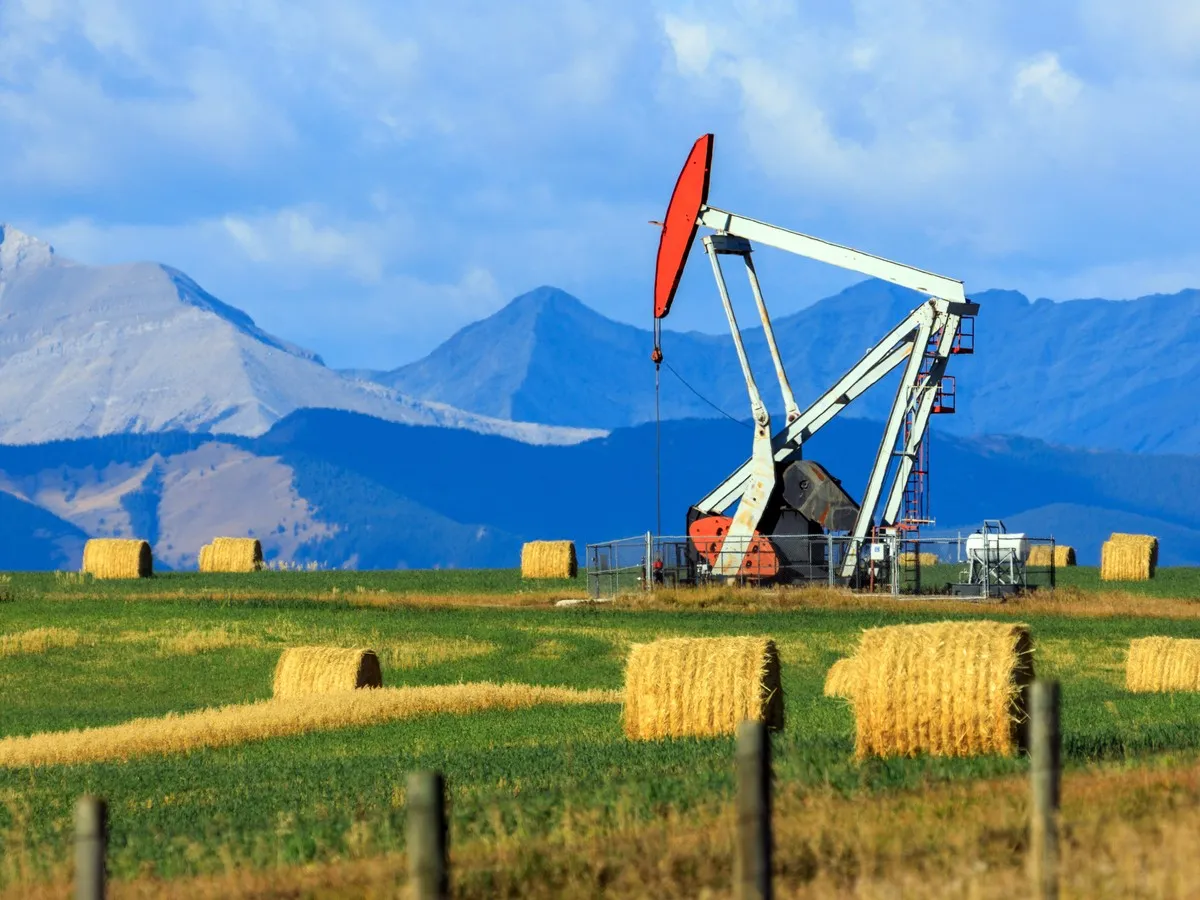
Skip to Content Subscribe Our Offers My Account Manage My Subscriptions FAQ Newsletters Canada Canadian True Crime Canadian Politics Health World Israel & Middle East Financial Post NP Comment Longreads Puzzmo Diversions Comics NP News Quiz New York Times Crossword Horoscopes Life Eating & Drinking Style Sponsored Play for Ontario Travel Travel Canada Travel USA Travel International Cruises Travel Essentials Culture Books Celebrity Movies Music Theatre Television Business Essentials Advice Lives Told Tails Told Shopping Buy Canadian Home Living Outdoor Living Kitchen & Dining Tech Style & Beauty Personal Care Entertainment & Hobbies Gift Guide Travel Guide Amazon Prime Day Deals Savings National Post Store More Sports Hockey Baseball Basketball Football Soccer Golf Tennis Driving Vehicle Research Reviews News Gear Guide Obituaries Place an Obituary Place an In Memoriam Classifieds Place an Ad Celebrations Working Business Ads Archives Healthing Epaper Manage Print Subscription Profile Settings My Subscriptions Saved Articles My Offers Newsletters Customer Service FAQ Newsletters Canada World Financial Post NP Comment Longreads Puzzmo Diversions Life Shopping Epaper Manage Print Subscription HomeNewsCanadaEconomist proposes changes to equalization payments to ease provincial tensionsOne of Alberta's leading economists says that tying federal equalization payments to provincial GDP could help ease regional tensions You can save this article by registering for free here. Or sign-in if you have an account.Economist Trevor Tombe said a shift to GDP-based equalization payments would shut down debate over the development of natural resources, which tends to pit Alberta and other oil and gas producing provinces against Quebec. Photo by laughingmangovideo/stock.adobeOne of Alberta’s leading economists says that tying federal equalization payments directly to provincial GDP could help ease regional tensions and ensure equalization dollars are spent more efficiently.Enjoy the latest local, national and international news.Exclusive articles by Conrad Black, Barbara Kay and others. Plus, special edition NP Platformed and First Reading newsletters and virtual events.Unlimited online access to National Post.National Post ePaper, an electronic replica of the print edition to view on any device, share and comment on.Daily puzzles including the New York Times Crossword.Support local journalism.Enjoy the latest local, national and international news.Exclusive articles by Conrad Black, Barbara Kay and others. Plus, special edition NP Platformed and First Reading newsletters and virtual events.Unlimited online access to National Post.National Post ePaper, an electronic replica of the print edition to view on any device, share and comment on.Daily puzzles including the New York Times Crossword.Support local journalism.Create an account or sign in to continue with your reading experience.Access articles from across Canada with one account.Share your thoughts and join the conversation in the comments.Enjoy additional articles per month.Get email updates from your favourite authors.Create an account or sign in to continue with your reading experience.Access articles from across Canada with one accountShare your thoughts and join the conversation in the commentsEnjoy additional articles per monthGet email updates from your favourite authorsSign In or Create an AccountorTrevor Tombe, an economist at the University of Calgary, says that the current equalization formula, which is based on how much revenue each province raises, creates resentment between richer and poorer provinces. That is, it encourages the poorer ones to avoid growing revenues so they can keep getting bigger cheques from Ottawa.Tombe said that tethering equalization payments to GDP would make it harder for provinces to game the system.Get a dash of perspective along with the trending news of the day in a very readable format.By signing up you consent to receive the above newsletter from Postmedia Network Inc.A welcome email is on its way. If you don't see it, please check your junk folder.The next issue of NP Posted will soon be in your inbox.We encountered an issue signing you up. Please try again“You don’t just sit around a cabinet table and decide that GDP will be higher or lower this year, whereas you can do that with a lot of other policies that are part of the (equalization) program,” Tombe told National Post.Tombe is the author of a new report from the Macdonald-Laurier Institute calling on Ottawa to “re-balance” equalization and federal-provincial transfers.The report calls for equalization to move to a “simpler macro-based formula” tied to provincial GDP per capita. The new formula could be tweaked to account for provincial age demographics, regional price differences and other relevant factors.Tombe said a shift to GDP-based equalization payments would shut down the polarizing interprovincial debate over the development of natural resources, which tends to pit Alberta and other oil and gas producing provinces against Quebec.“Moving to a macro-based formula means we can move away from all these discussions around how to treat resource revenues,” said Tombe.Quebec has often come under fire from Alberta and Saskatchewan, two provinces that rarely get equalization payments, for happily taking equalization cheques financed by resource revenues while being against pipelines and other oil and gas infrastructure.It placed a provincial ban on oil and gas exploration in 2022, despite sitting on sizeable quantities of untapped natural gas.The equalization program was first introduced in 1957 with the goal of ensuring that all provinces could provide reasonably comparable public services. The principle of equalization became part of Canada’s Constitution in 1982.Albertans voted overwhelmingly in a 2021 provincial referendum to scrap equalization, with more than six in 10 voters saying that the equalization program should be removed from the Constitution.Tombe added that Quebec’s current practice of heavily subsidizing consumer electricity prices brings down its own assessed fiscal capacity, allowing it to claim artificially high equalization payments from Ottawa.The report also calls for a reversal of the growth escalator for total equalization payments introduced by the Harper government in 2009. The escalator requires aggregate payments to grow each year in line with recent national economic growth.Tombe argues the escalator unfairly penalizes Alberta and Saskatchewan. Even though the economic gap between the two energy producing “have” provinces and the rest of Canada has narrowed significantly since the mid-2010s commodities crash, the escalator keeps forcing the total amount Ottawa pays out to grow. As a result, Alberta and Saskatchewan — which haven’t received equalization since the reform — end up shouldering a larger and larger share of the national transfer burden every year through their federal taxes.(British Columbia is also a “have” province, but it generates a smaller share of revenue from resource extraction.)Tombe estimates that 5.9 per cent of Alberta’s provincial GDP went to Ottawa to support equalization payments, transfers and other federal spending in 2024.A record $27.2 billion will be spent on equalization this year. More than half of that, $13.9 billion, will go to Quebec.The federal government reviews equalization every five years. The current formula is up for mandatory review before March 31, 2029.National Postrmohamed@postmedia.comOur website is the place for the latest breaking news, exclusive scoops, longreads and provocative commentary. Please bookmark nationalpost.com and sign up for our daily newsletter, Posted, here. Join the Conversation This website uses cookies to personalize your content (including ads), and allows us to analyze our traffic. Read more about cookies here. By continuing to use our site, you agree to our Terms of Use and Privacy Policy.
Economist proposes changes to equalization payments to ease provincial tensions
One of Alberta's leading economists says that tying federal equalization payments to provincial GDP could help ease regional tensions.
1,169 words~5 min read