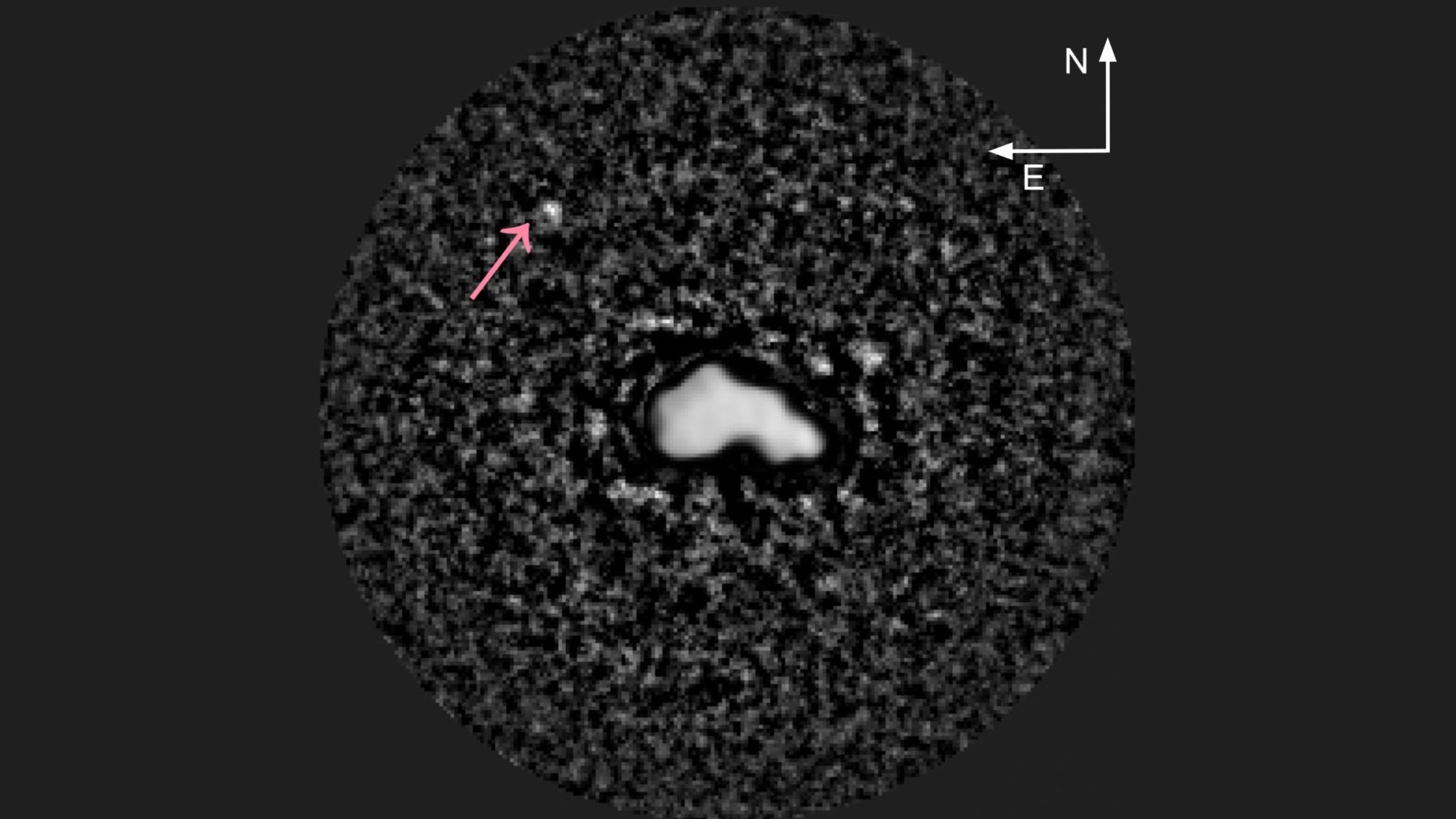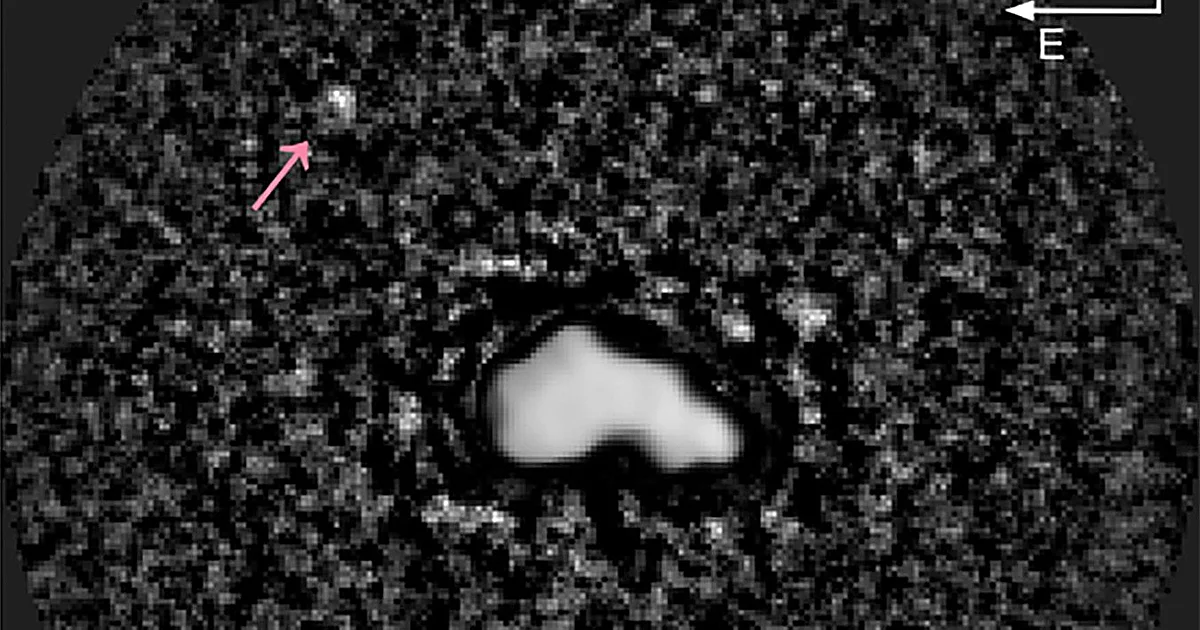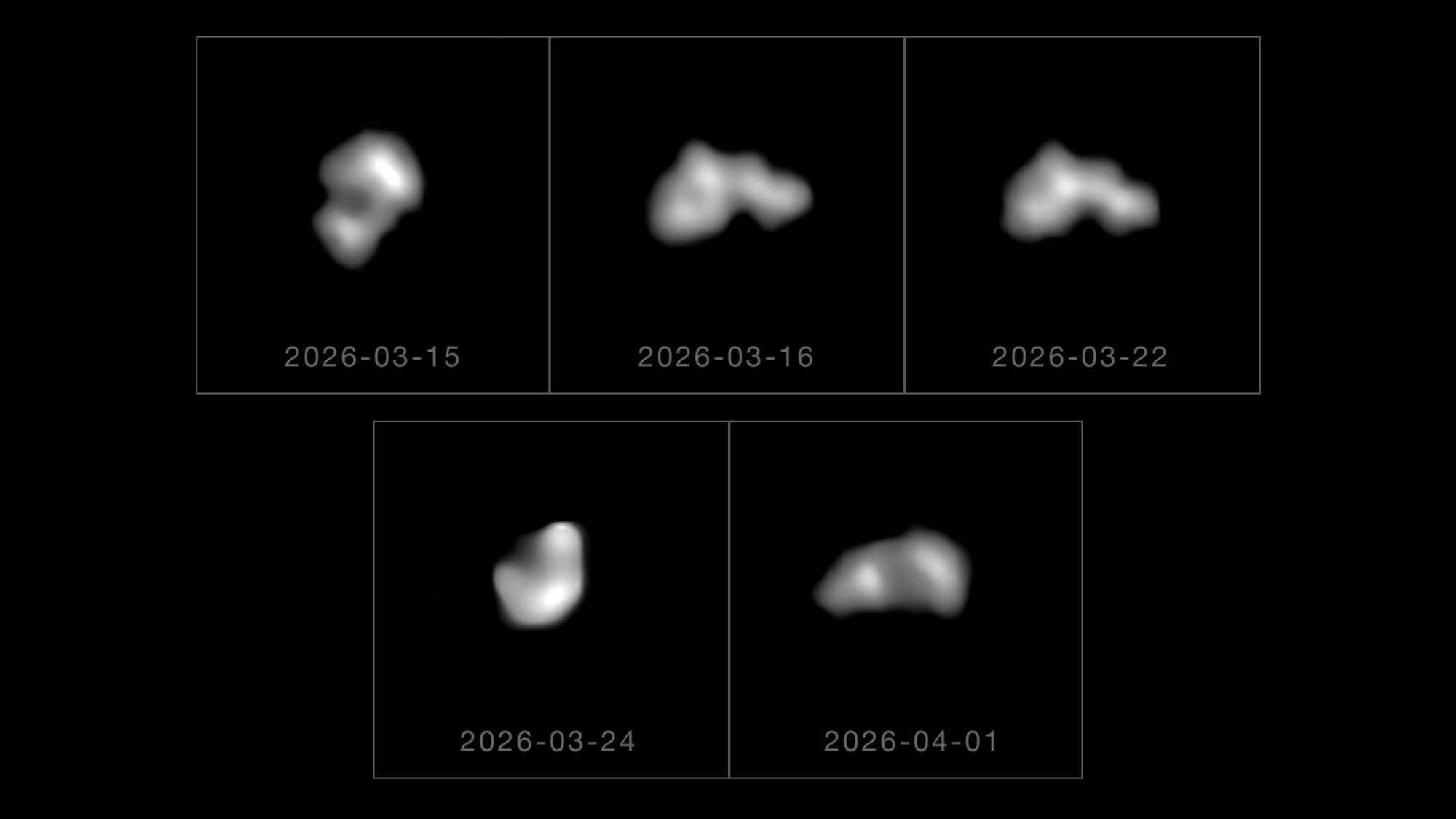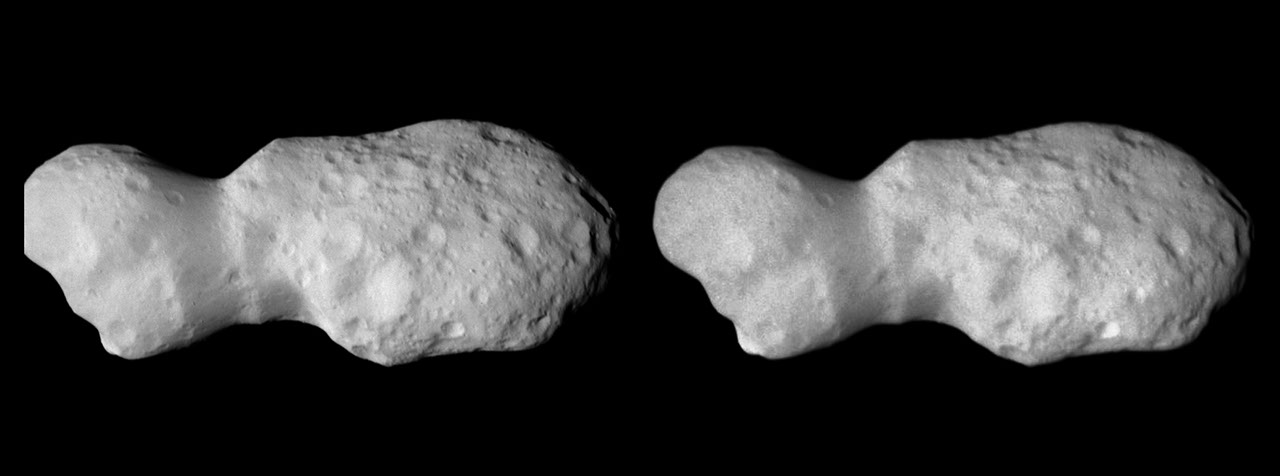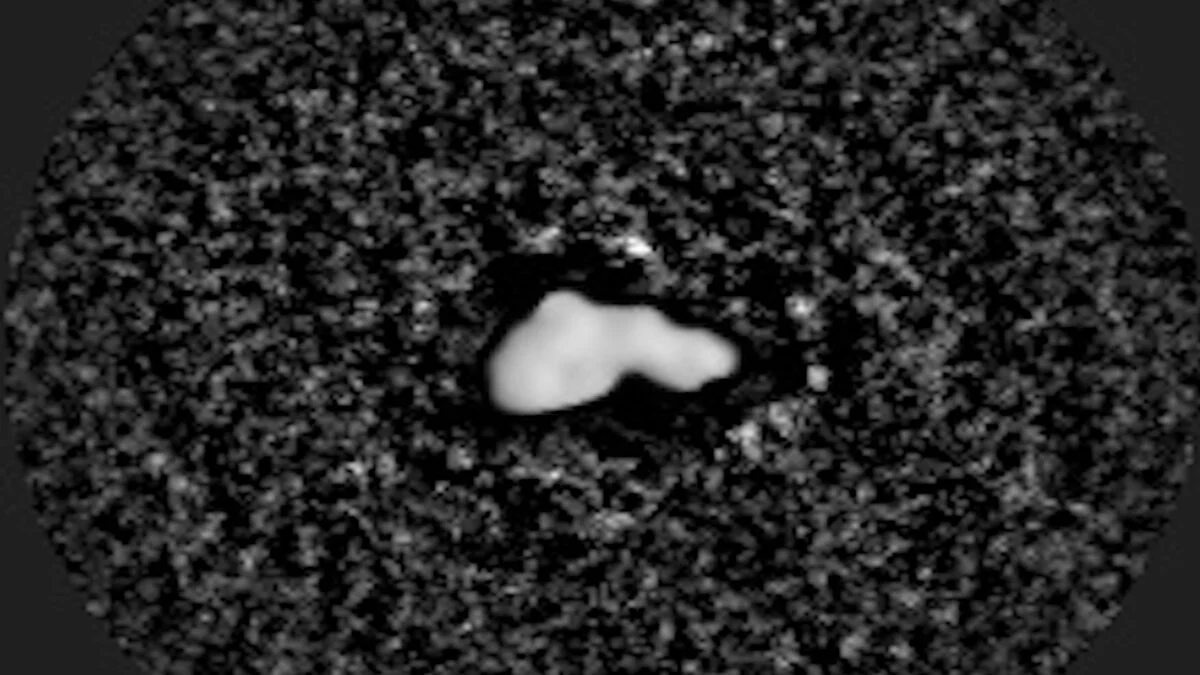
Astronomers got a closer look at one of the largest known asteroids in the main belt, revealing a world like no other accompanied by its own moon. The asteroid (44) Nysa was first discovered in 1857, circling the Sun between the orbits of Mars and Jupiter. Using high-resolution images from the Large Binocular Telescope in Arizona and the Very Large Telescope in Chile, a team of scientists built a three-dimensional model of the asteroid and found that it was unlike any they have ever seen. Nysa appears to have three lobes, which are connected together through a thin neck that’s holding the space rock together. The recent observations also found a tiny moon orbiting the asteroid at a distance of around 100 miles (170 kilometers). The new findings help shed light on ancient collisions that took place during the early history of the solar system and how they helped shape the asteroids that orbit the Sun today. Counting lobes Since its discovery, Nysa has gained plenty of attention for its unusual brightness and composition. Astronomers have been studying the asteroid for over a century, with earlier observations suggesting that it possessed an elongated or bilobate shape.
Nysa is an E-type asteroid, a somewhat rare space rock rich in an iron-free mineral called enstatite, which has a light-reflecting signature that makes the asteroid’s surface appear bright. E-type asteroids share similar chemical traits to the building blocks of Earth, and their composition suggests they formed closer to the Sun; that means they may hold clues to the formation process of the solar system.