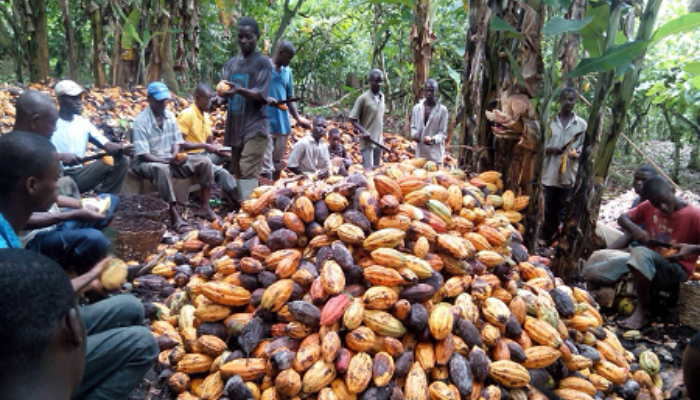
The remaining work is demanding. Farms must be renewed; credit must reach viable producers and businesses; processors must secure reliable supplies; compliance must be proved; and markets must be established before capacity is expanded. Success will be visible in productive farms, fuller factory order books, auditable supply chains, and higher household incomes, not in the number of declarations signed or facilities announced.
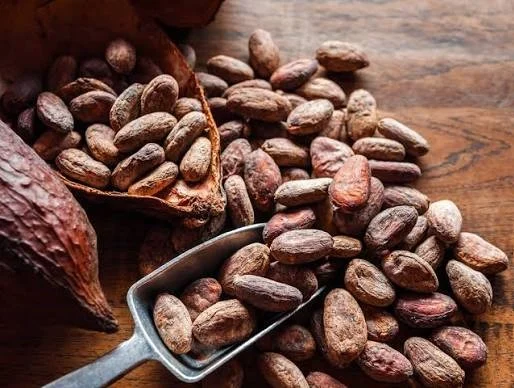
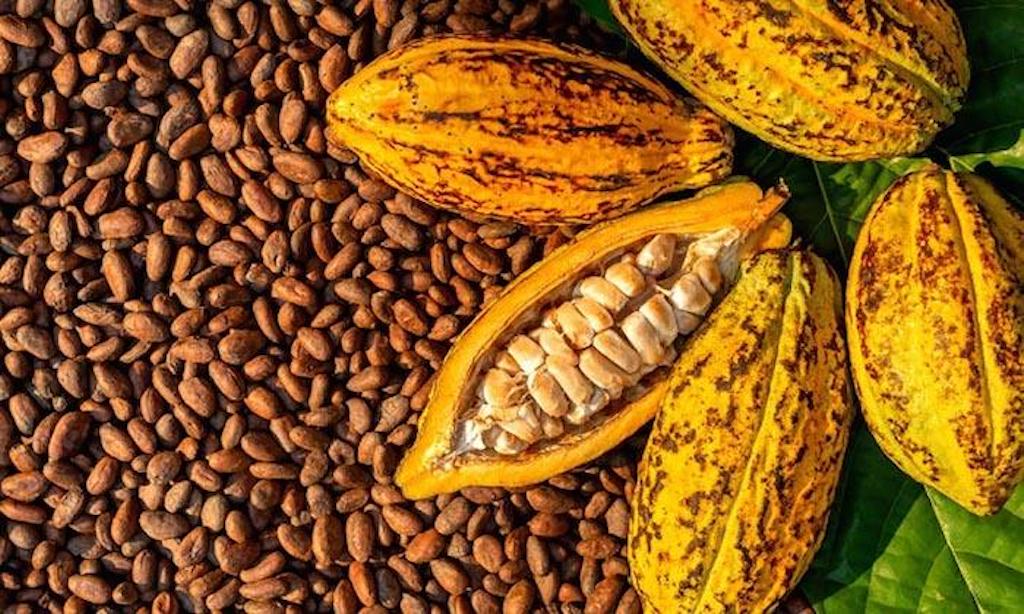
Every bag of cocoa that leaves Nigeria as unprocessed beans carries two values. The first is recorded at the port. The second, and much larger, is created later through grinding, pressing, ingredient manufacture, confectionery, branding and retail. Most of that value is still realised elsewhere.
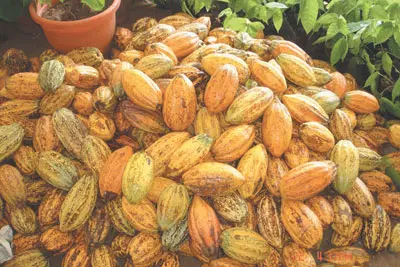
Nigeria produces more than 300,000 tonnes of cocoa a year but processes only about 50,000 tonnes. It grows the raw material for cocoa powder but still imports cocoa powder. This is not a shortage of cocoa. It is the consequence of an unfinished industrial system: farms poorly connected to patient capital, processors uncertain of reliable supplies, lenders without dependable production data, and exporters increasingly required to prove where their beans were grown and how they entered the supply chain.