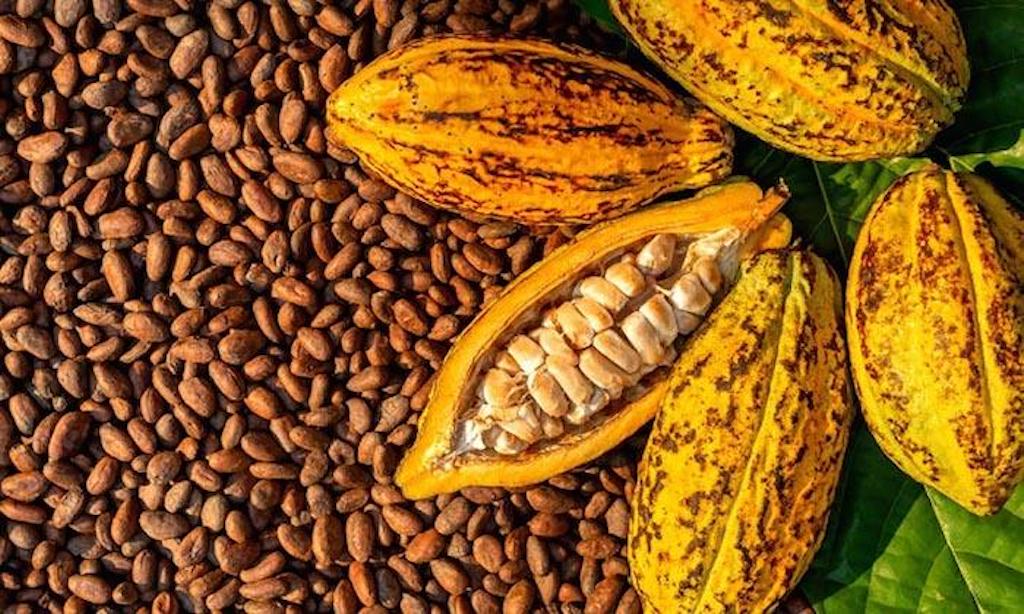
When cocoa prices fell below $4000 in February 2026, a decline of more than 60 per cent from the peak it recorded barely a year earlier, the market reaction was just as revealing as the rally that preceded it. The same industry that had been treated as a windfall suddenly looked vulnerable. Revenue forecasts were revised downward, balance sheets were reassessed, and operators across the cocoa value chain were evaluated through the same price-driven lens: if cocoa prices were falling, then cocoa businesses must be less attractive.
It is a tidy framework. For a narrow category of businesses, it is also the right one. But applied to a vertically integrated operator – one that controls the value chain from the farm gate through processing to export logistics- it is measuring the wrong thing. A price crash may reduce the value of raw beans, but it can also change the economics of processing, logistics, and local value addition. Nigeria is currently at an inflexion point in how it participates in the cocoa economy. The analytical lens being applied to businesses operating here has not caught up.
Let’s start with the business model most analysts have in mind: a trader or pure-play exporter that buys raw beans at one price and sells at another. Its commercial fate tracks the spread between those two numbers. Spot price sensitivity is a genuinely useful lens for this business model.