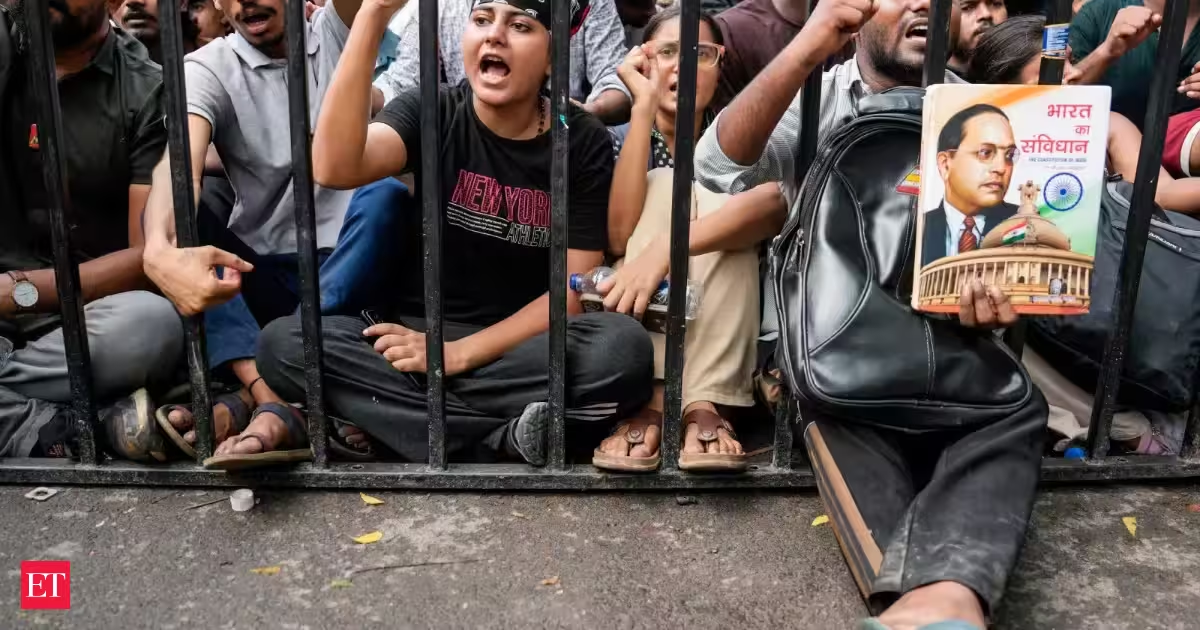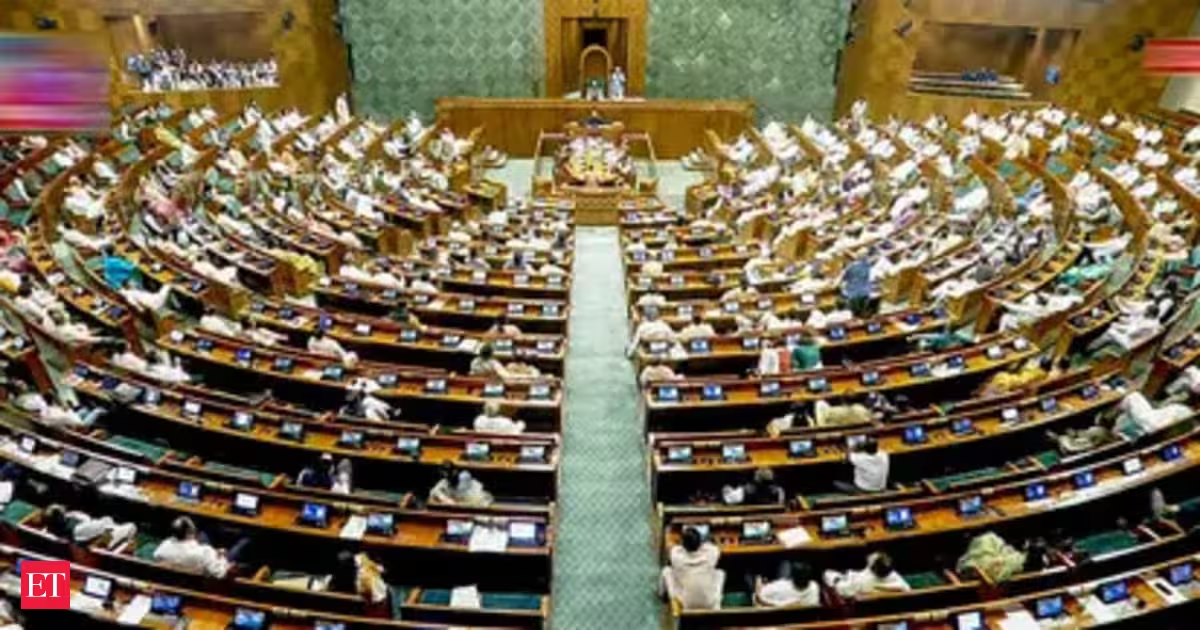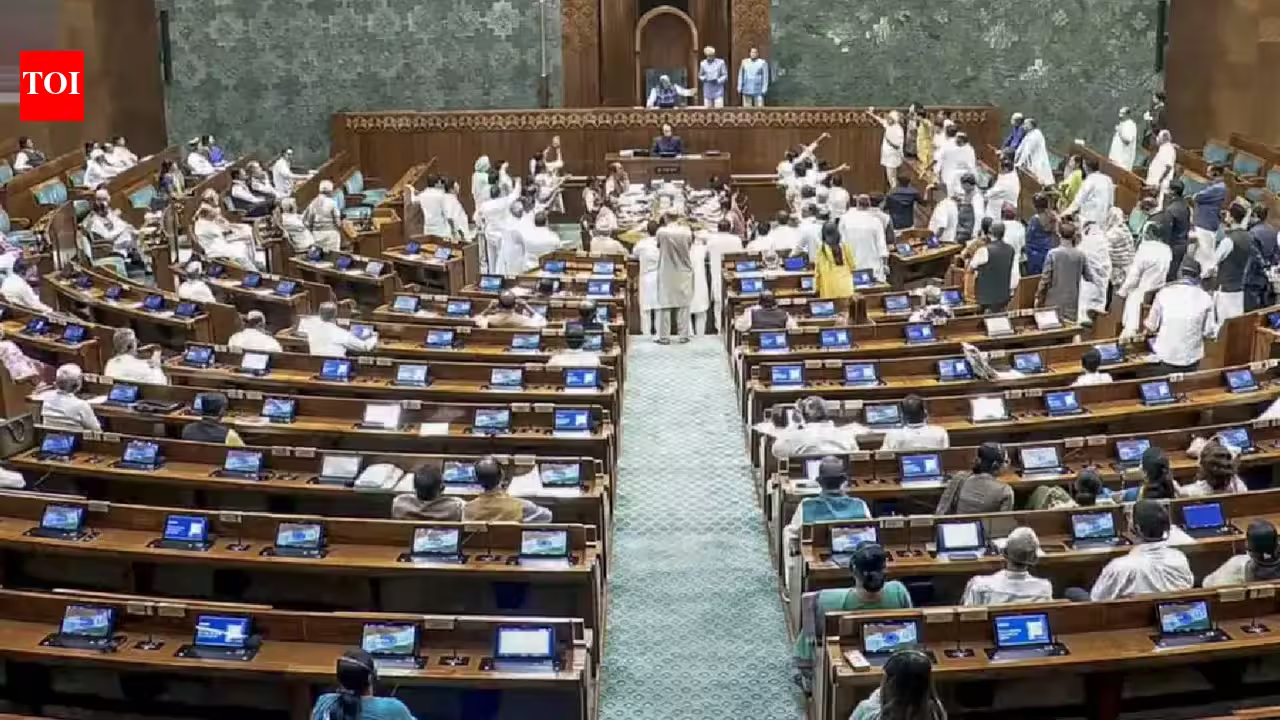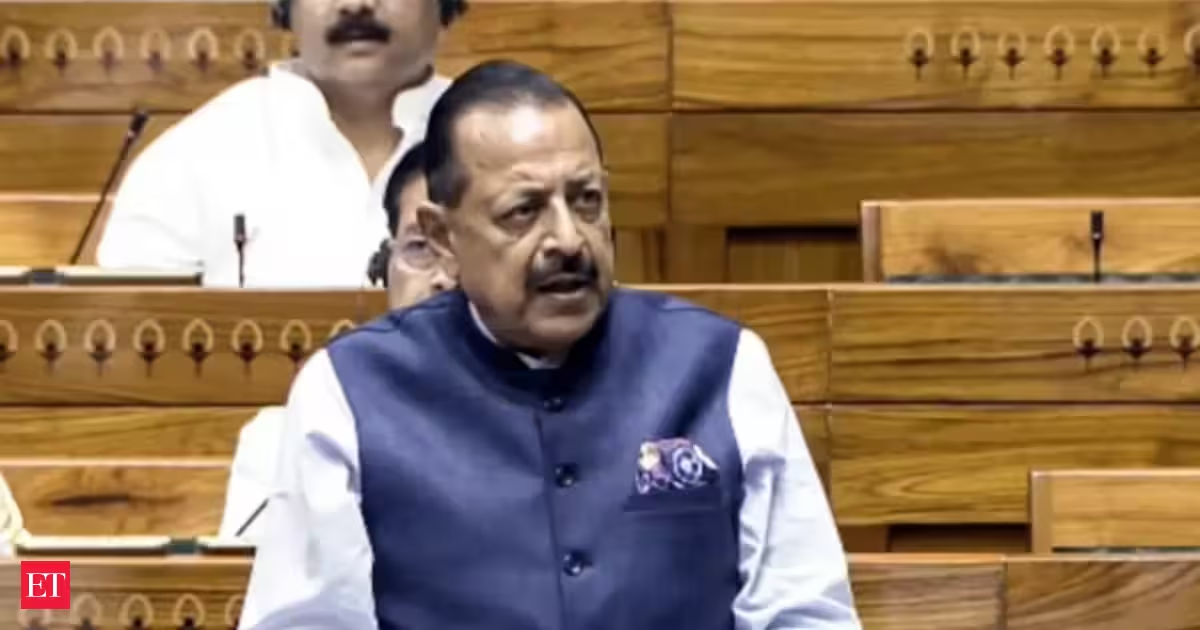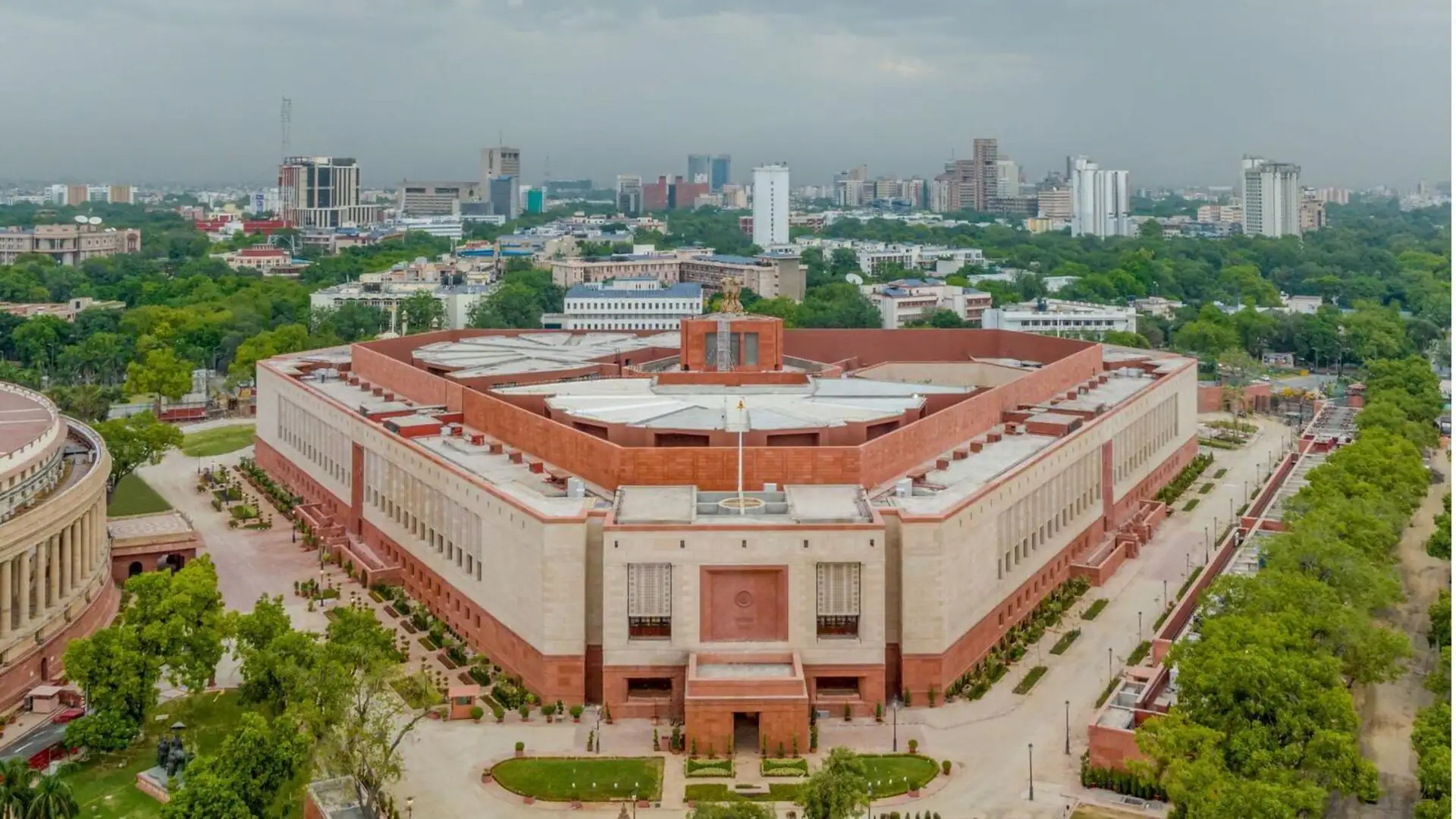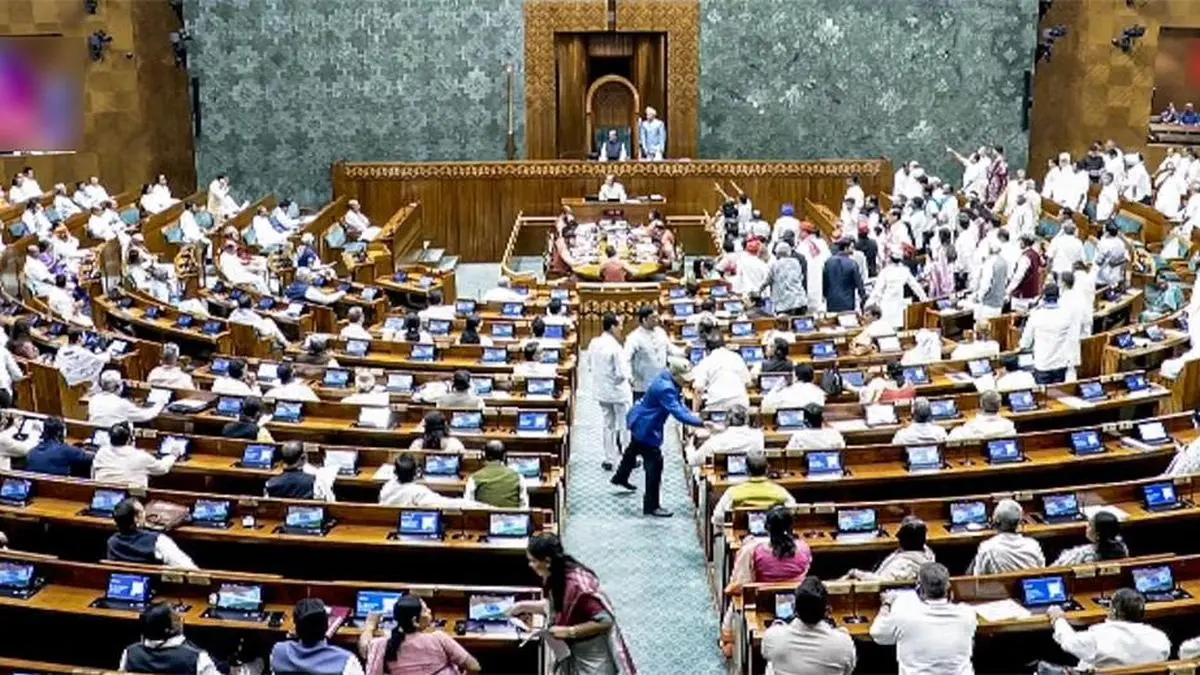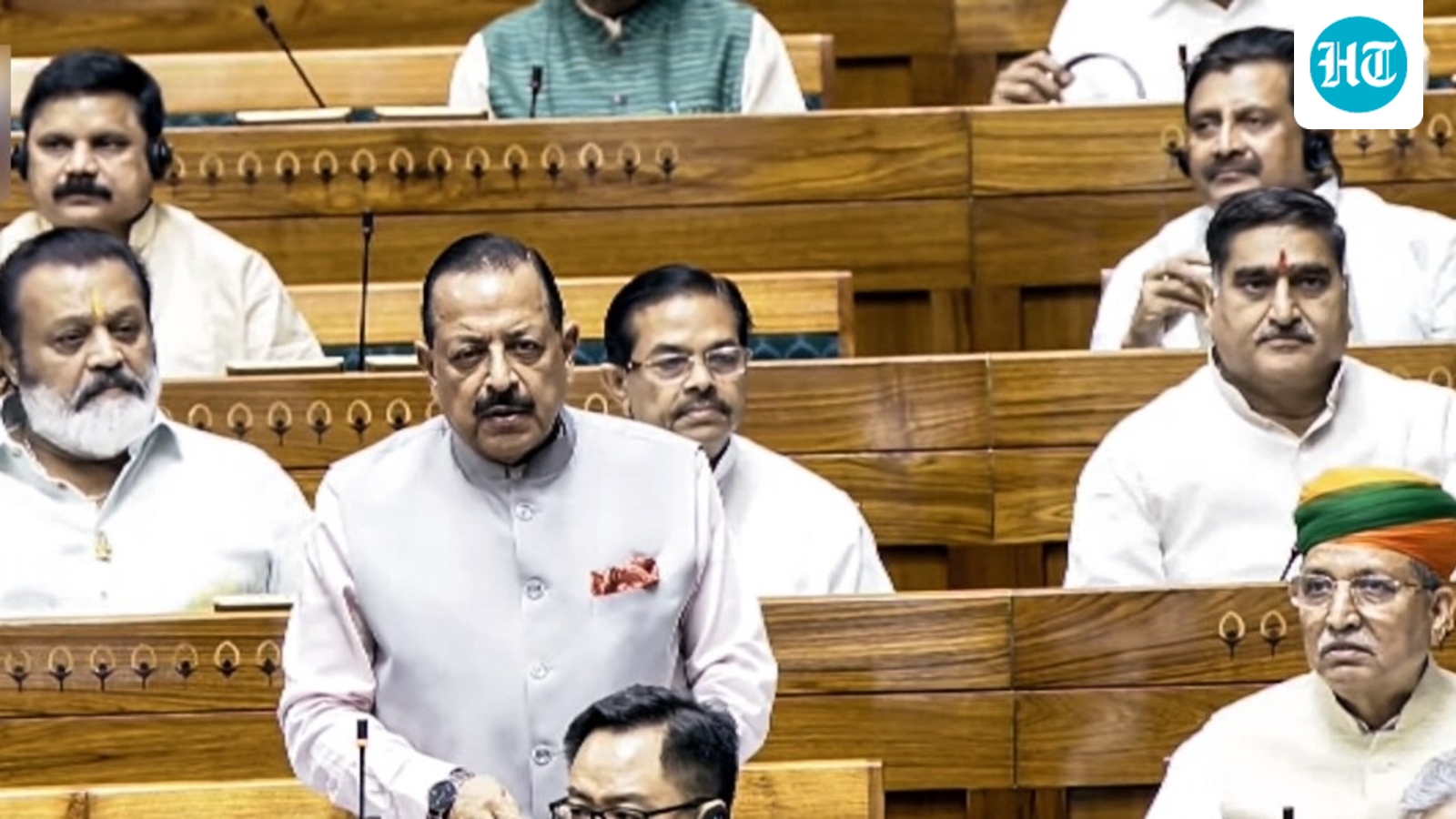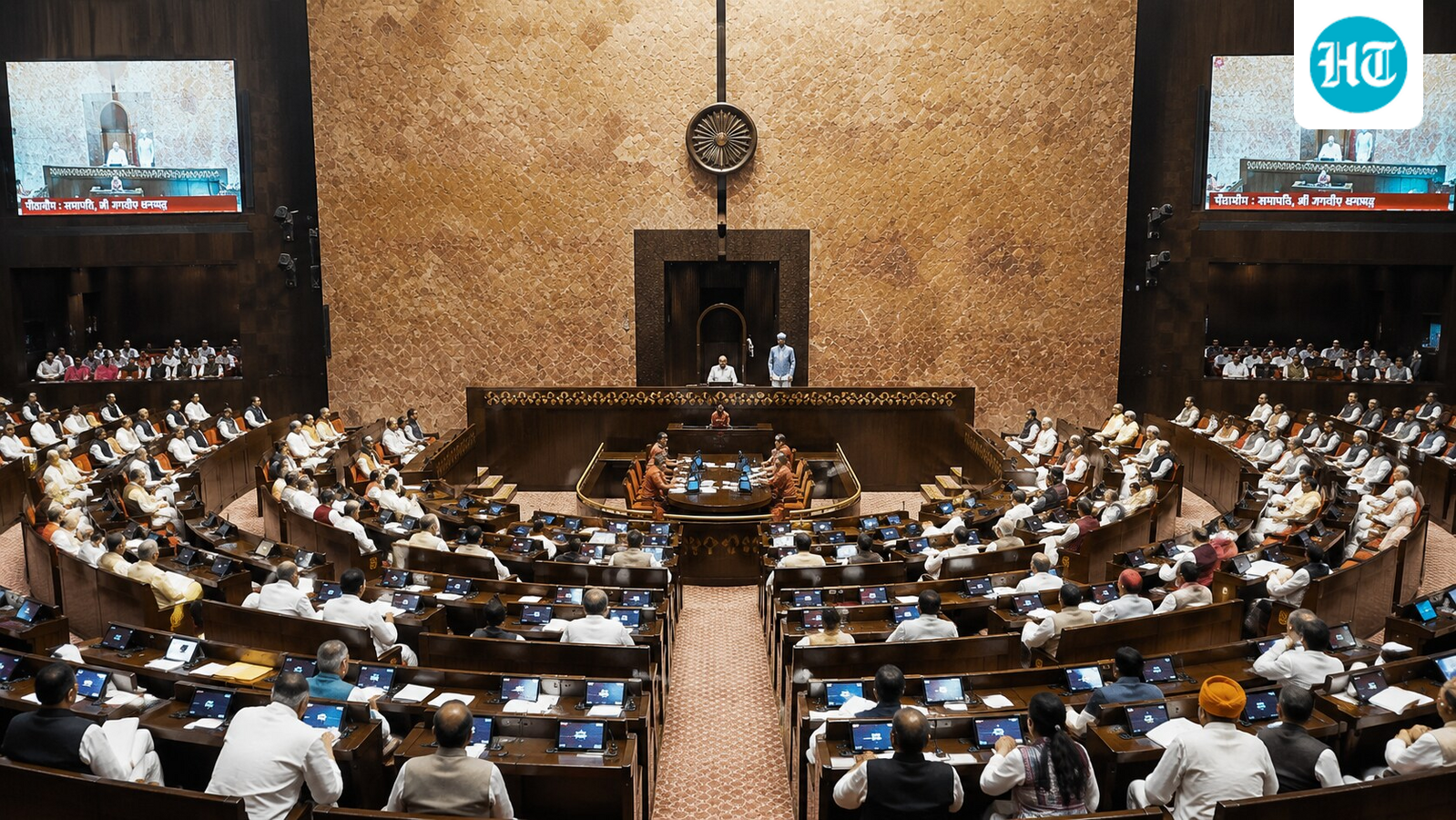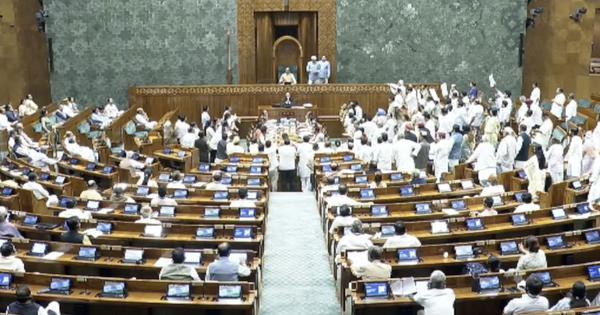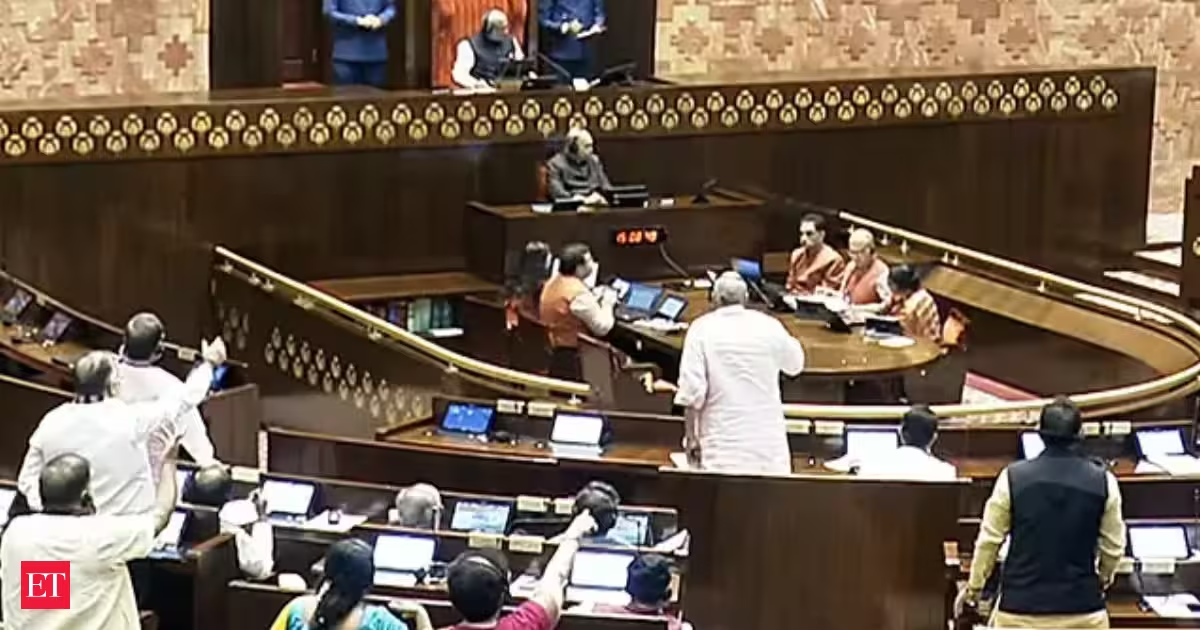
The Rajya Sabha on Thursday passed the Public Examinations (Prevention of Unfair Means) (Amendment) Bill, 2026, a day after it was cleared by the Lok Sabha, paving the way for stricter penalties against paper leaks and organised examination fraud.The legislation amends the Public Examinations (Prevention of Unfair Means) Act, 2024, and comes in the wake of the nationwide controversy over the alleged leak of the NEET-UG question paper, which intensified concerns about the integrity of India's public examination system.With the Bill now passed by both Houses of Parliament, it will be sent to the President for assent before becoming law.Also Read: Lok Sabha passes anti-paper leak Bill to tighten exam fraud penaltiesThe Bill was passed amid protests in the Upper House. Several Opposition parties staged a walkout ahead of its consideration, after repeated demands for a discussion under Rule 267 on the alleged use of force against protesting students and a reply from Union Home Minister Amit Shah were rejected by the Chair. The Rajya Sabha witnessed multiple adjournments over the issue before taking up the legislation.The amended legislation seeks to impose tougher punishments on those involved in compromising public examinations, including organised cheating syndicates and entities facilitating malpractice.The Bill substantially increases penalties for examination-related offences. For individuals convicted of examination fraud, the minimum prison term will be raised from three years to five years, while the maximum fine will increase from Rs 10 lakh to Rs 50 lakh.The amendments also tighten penalties for companies and agencies involved in conducting public examinations, including those managing examination centres, providing technology support and handling logistics.Also Read: Rajya Sabha allocates 7 hours for debate on anti-paper leak BillSuch entities can currently face fines of up to Rs 1 crore, recovery of the cost of conducting the examination and debarment from participating in public examinations for four years. Under the Bill, the maximum fine for these service providers will increase five-fold to Rs 5 crore, while the debarment period will be doubled to eight years.
Rajya Sabha clears anti-paper leak Bill with tougher penalties for exam fraud
Parliament's Upper House approved the Public Examinations (Prevention of Unfair Means) (Amendment) Bill, 2026. This legislation strengthens penalties for paper leaks and organized examination fraud. Individuals convicted of examination fraud face a minimum five-year prison term. Companies involved in conducting examinations can now receive fines up to five crore rupees. The bill aims to enhance the integrity of India's public examination system.
331 words~2 min read