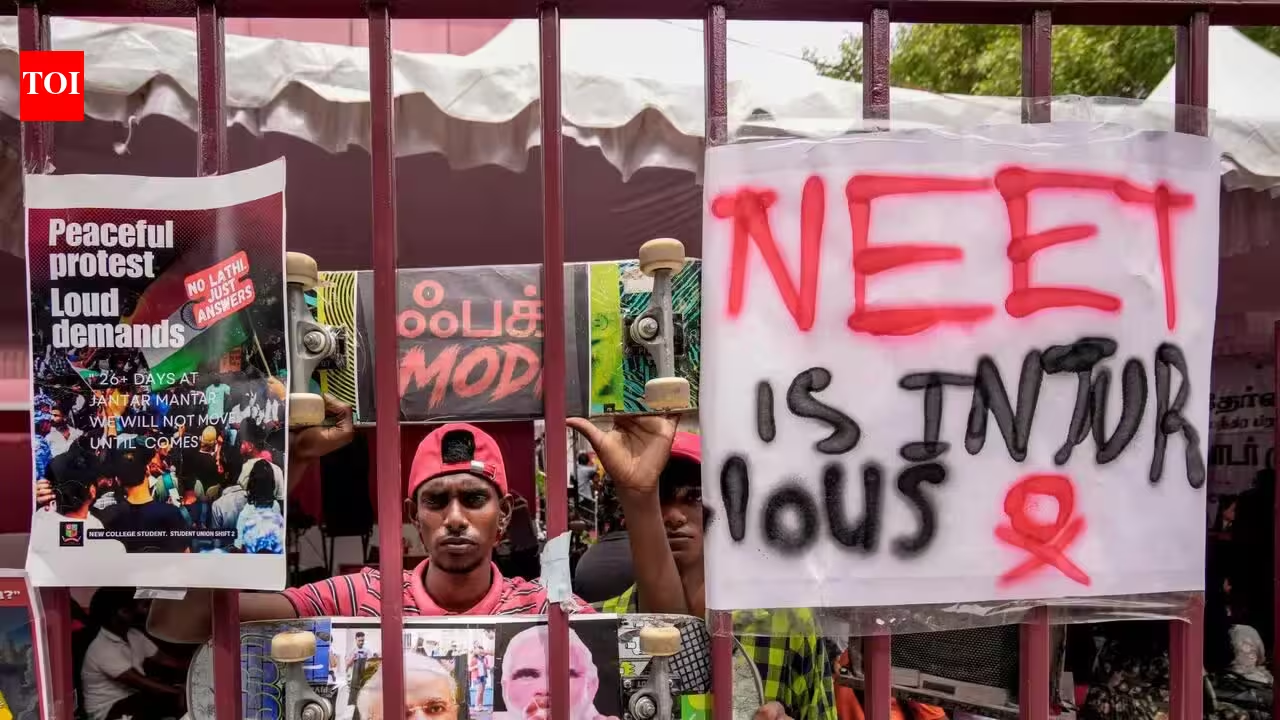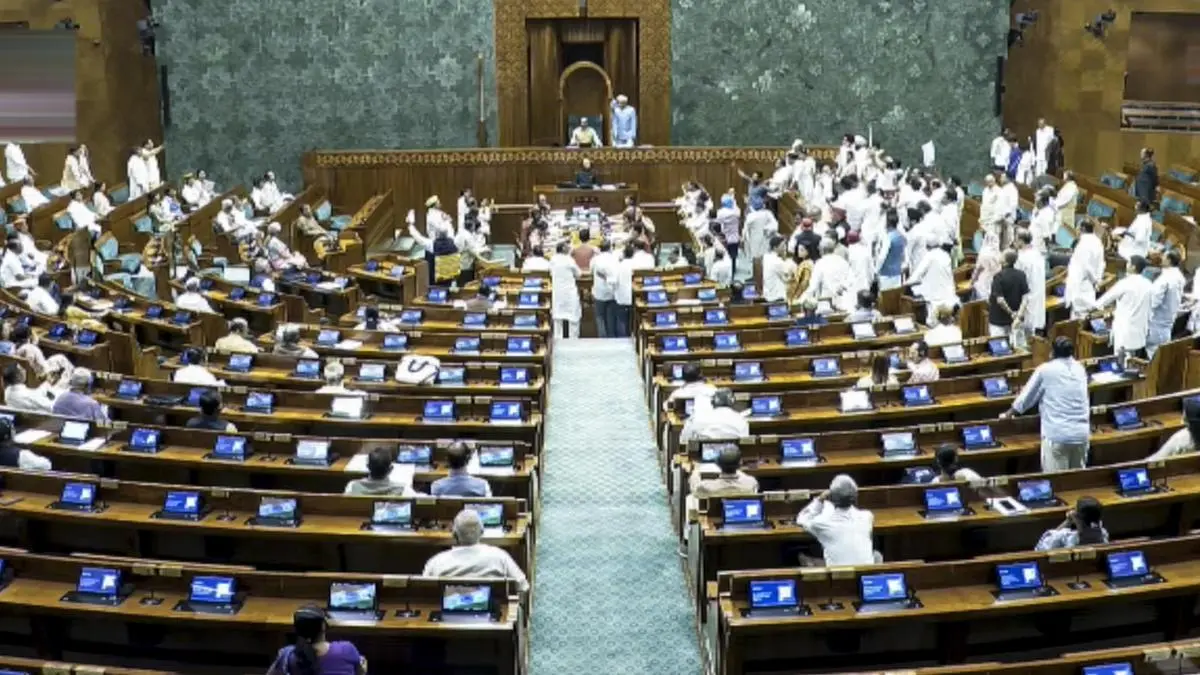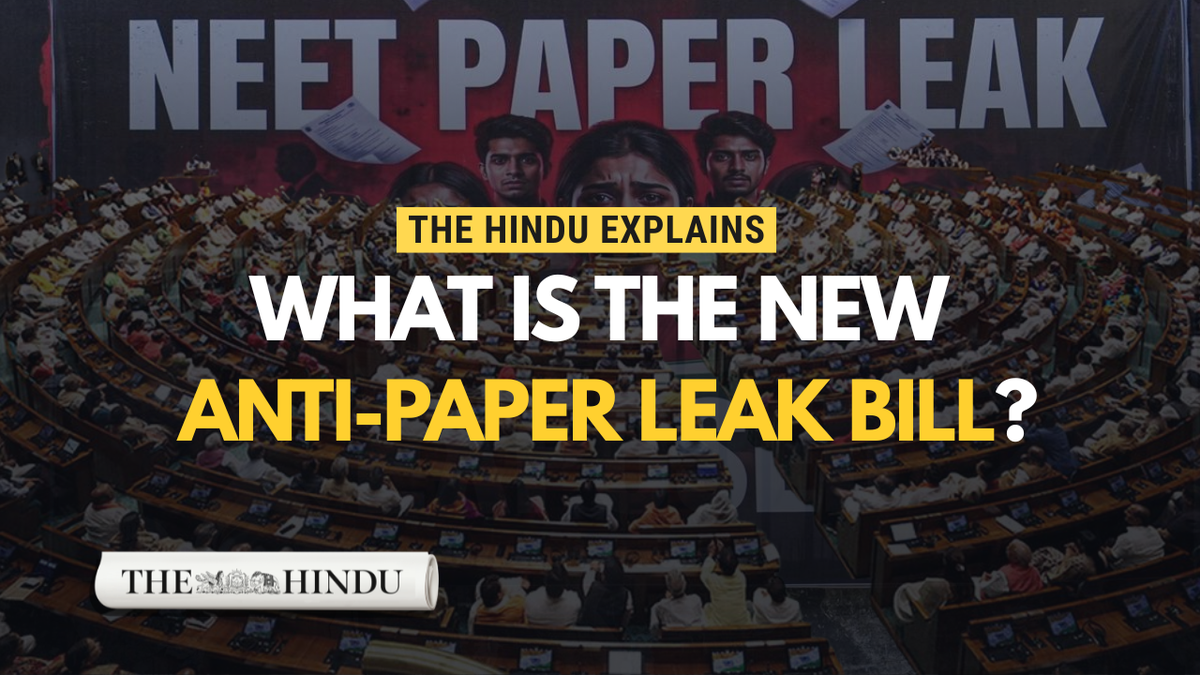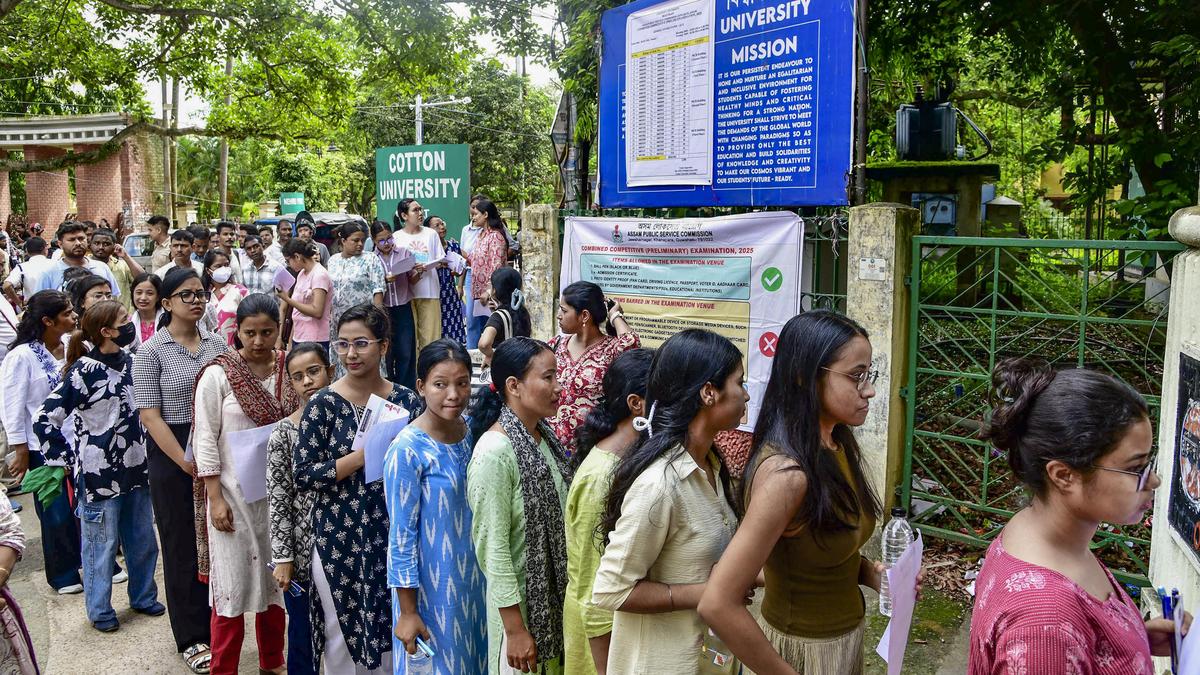
Image for representational purposes only.
| Photo Credit: PTI
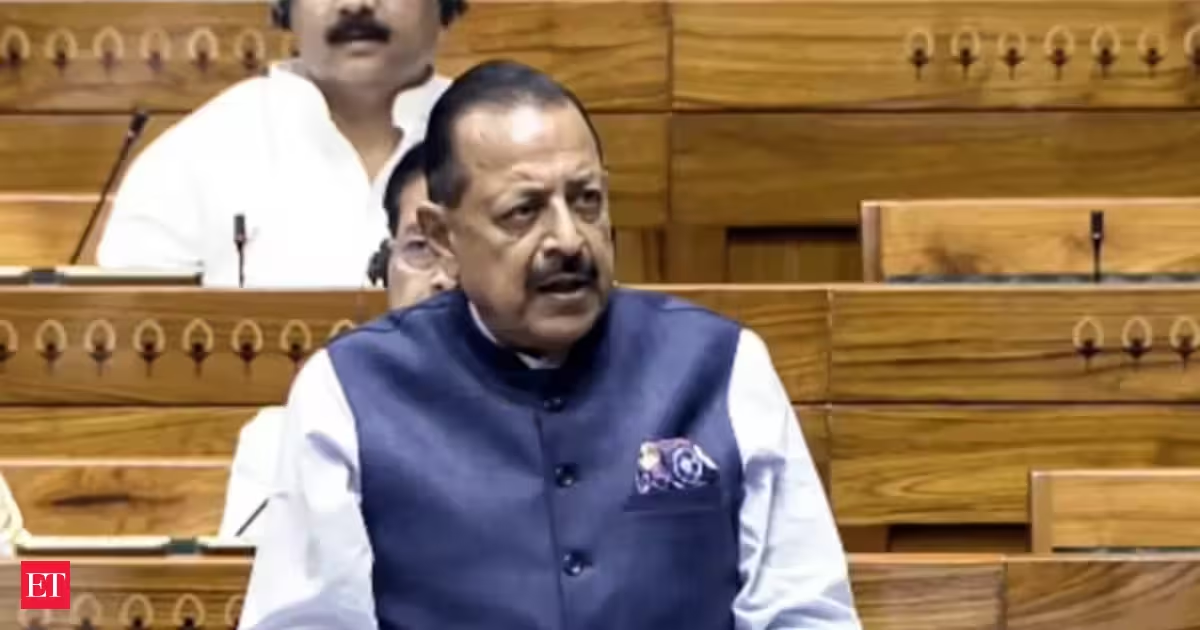
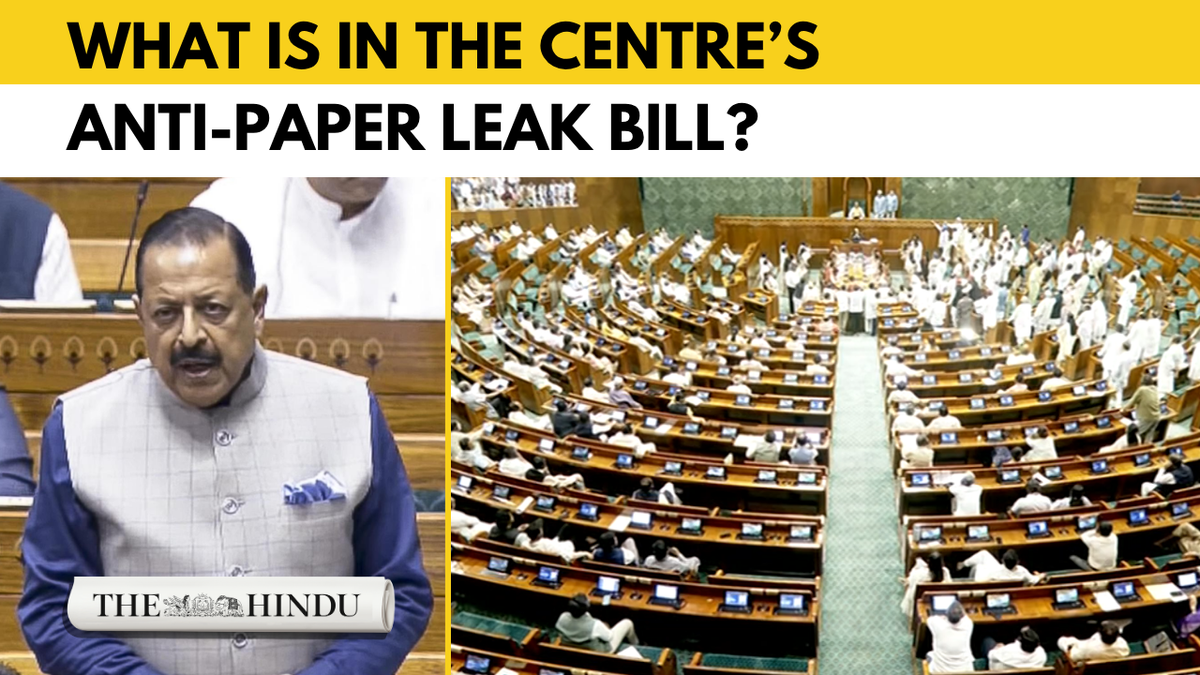
The story so far: The government on Monday (July 27, 2026) introduced in the Lok Sabha a Bill providing for harsher penalties and time-bound investigations into examination paper leaks.What is the primary purpose of The Public Examinations (Prevention of Unfair Means) Amendment Bill, 2026?The primary purpose of the bill is to strengthen the existing anti-cheating law, curb exam malpractices, ensure time-bound investigations, provide speedy trials, and establish enhanced deterrence against organized crime groups and institutions to safeguard transparent, merit-based selections.When was the copy of the proposed amendment bill circulated among members of Parliament, and when was it scheduled to be introduced?While the copy of the proposed bill was circulated among parliamentarians on July 25, the bill was later introduced on July 27.What are the newly established timelines for completing investigations and trials under the proposed bill?Investigations must be concluded within 60 days (whether conducted by local police, Central Investigating Agencies, or a Special Task Force) and trials must be wrapped up within three months of the chargesheet being filed in designated Special Fast Track Courts. Also, High Court appeals must be heard by a Division Bench (two judges) and resolved within three months.How have the penalties for General Offenses under Section 10(1) been revised?The previous penalty of 3 to 5 years in jail and a fine of up to ₹10 lakh in the anti-cheating law of 2024 has been escalated to 5 to 10 years in jail with a fine of up to ₹50 lakh.What are the revised penalties for Service Providers and their management under Section 10(2)?Service Provider Fines in the previous anti-cheating law of 2024 have been hiked from up to ₹1 crore to up to ₹5 crore. Also, imprisonment of 3 to 10 years for Directors and Management in the previous law has been increased up to of ₹5 crore (up from earlier ₹1 crore).What punishments apply to In-Charge Personnel under Section 10(3)?Imprisonment from 5 to 10 years (escalated from 3 to 10 years) and a fine of ₹5 crore (hiked from ₹1 crore) for In-Charge Personnel under the proposed bill.What are the enhanced penalties for Organized Crime under Section 11(1)?For Organised Crime Networks, a minimum of 7 years in jail (up from 5 years) and a fine of up to ₹10 crore (up from ₹1 crore) has been proposed in the new bill.How does the Bill address procedural delays and court adjournments?Courts are restricted from granting adjournments beyond the following day without writing explicit, exceptional reasons. All ongoing cases under the 2024 Act will instantly transfer to newly designated Special Fast Track Courts. States and UTs are mandated to appoint Special Public Prosecutors exclusively for these trials. It is pertinent to be noted that while the anti-cheating law came into effect in June 2024, there have been no convictions under the law since the past two years. Published - July 28, 2026 11:16 am IST