The Centre has introduced a bill to amend the Public Examinations (Prevention of Unfair Means) Act, 2024, proposing stricter punishment for paper leaks, including jail terms of up to 10 years and fines of up to ₹10 crore.
| Photo Credit:
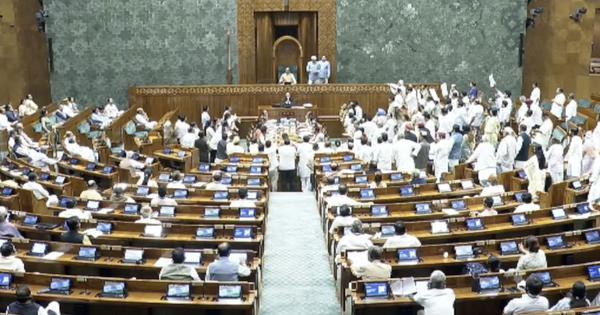
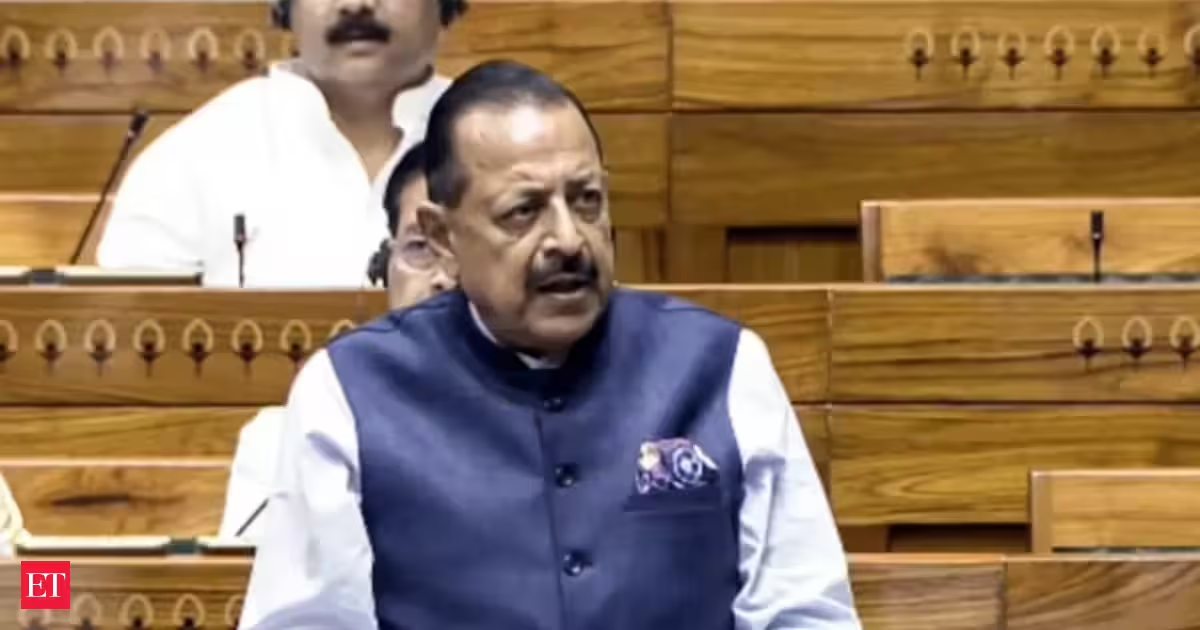
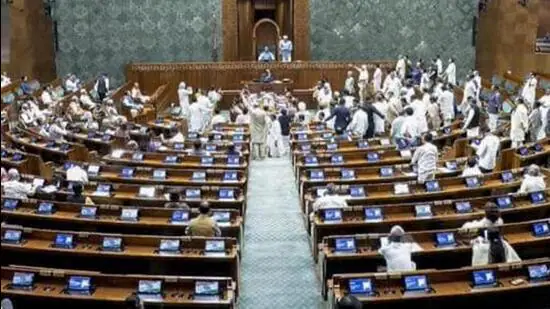
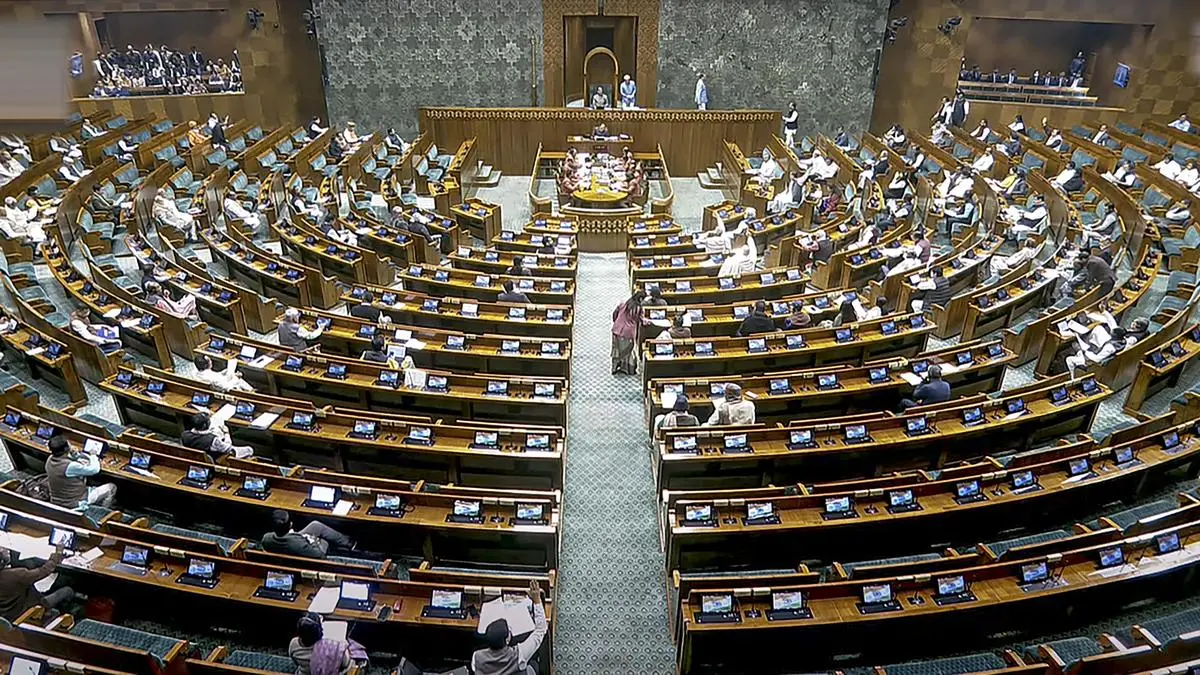
The government on Monday introduced a bill to amend the Public Examinations (Prevention of Unfair Means) Act, 2024, with provisions for jail terms of up to 10 years and a penalty of up to ₹10 crore for individuals or entities found guilty in paper-leak cases.Amid protests by the opposition, the bill was moved by Minister of State in the Prime Minister’s Office, Jitendra Singh. Although Speaker, Lok Sabha, Om Birla called out the names of various members of the opposition bench to express their opinion on the introduction of the bill, none responded. Later, Birla assured members that they would have enough time to share their views and suggestions during the debate on the bill.Stricter punishment and higher penalties proposedThe present law prescribes a jail term of 3-5 years and a fine of up to ₹10 lakhs for any person or persons who resort to unfair means or commit offences in public examinations. Now, the bill proposes a minimum jail term of 5 years and a maximum of 10 years, with a fine of up to ₹50 lakhs. Similarly, the service provider found guilty will be liable to a fine of up to ₹5 crore, as against ₹1 crore at present. Also, the service provider will be debarred from conducting examinations for 8 years, as against the present provision of 4 years.Another provision in the new bill prescribed that where it is established during the investigation that an offence under this Act has been committed with the consent or connivance of any Director, Senior Management or the persons in charge of the service provider firm, he shall be liable for imprisonment for a term not less than 5 years, as against the present provision of 3 years. The jail term may be extended to 10 years. Also, it is proposed to increase the fine to ₹5 crore from ₹1 crore. In the event of default in payment of the fine, an additional punishment of imprisonment shall be imposed as per the provisions of the Bharatiya Nyaya Sanhita, 2023.Organised crime and fast-track trialsThe bill proposes that if a person or a group of persons, including the examination authority, service provider or any other institution commits an organised crime, he shall be punished with imprisonment for a term not less than 7 years, as against the present provision of 5 years. The amount of funds will be ₹10 crore, up from ₹1 crore. Here too, in the event of default in payment of the fine, an additional punishment of imprisonment shall be imposed as per the provisions of the Bharatiya Nyaya Sanhita.The bill proposes to empower all State Governments and Union Territory Administrations to designate any Court of Session as a Special Fast Track Court to try offences under the said Act. The proceedings in such Special Fast Track Courts are continued on a day-to-day basis, and the trial shall be completed within 3 months from the date of filing of the charge sheet. The centre will be empowered to constitute a Special Task Force to investigate any offence, if necessary.Time-bound investigation and appeal mechanismThe bill proposes that the investigations be completed within 2 months. One or more Special Public Prosecutors for the conduct of cases can be appointed. The bill also provides for an appeal mechanism against any judgment, sentence or order to a bench of two Judges of the High Court, for its disposal within a period of 3 months from the date of admission of appeal.Published on July 27, 2026