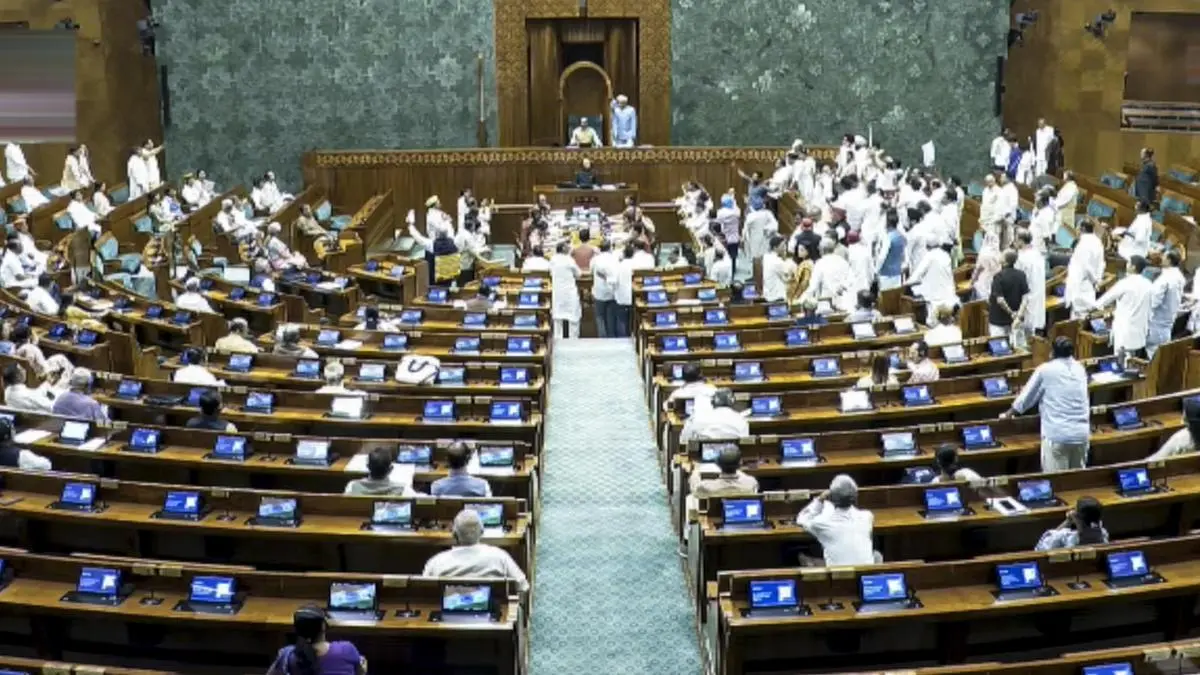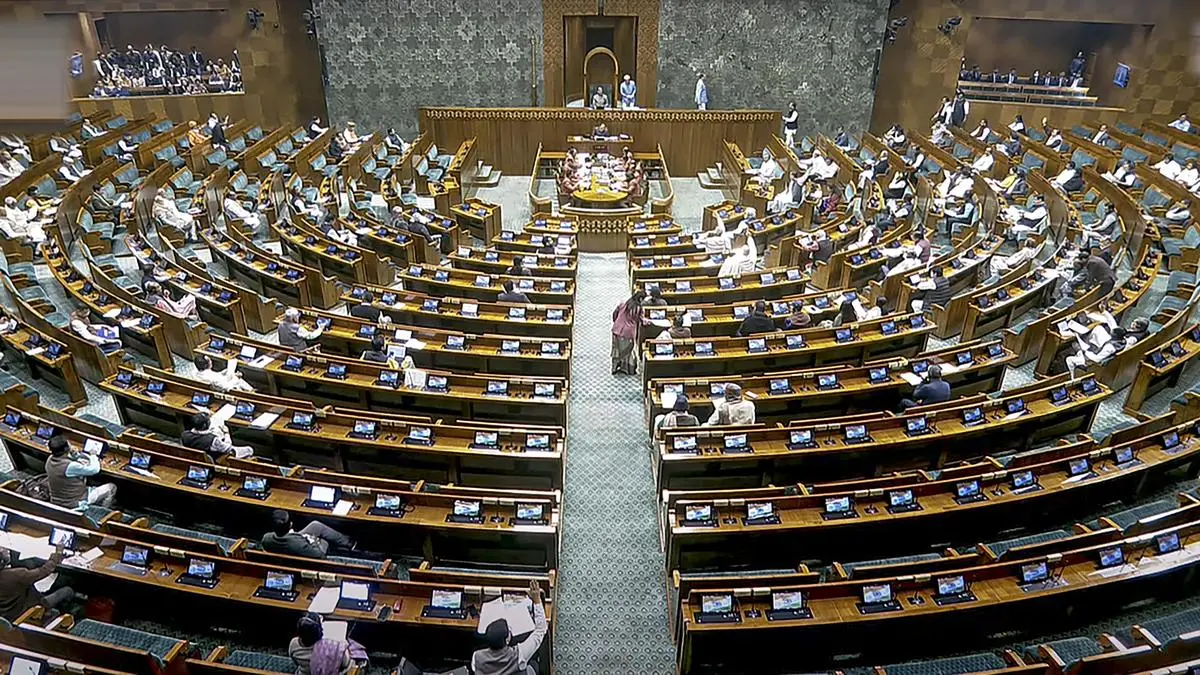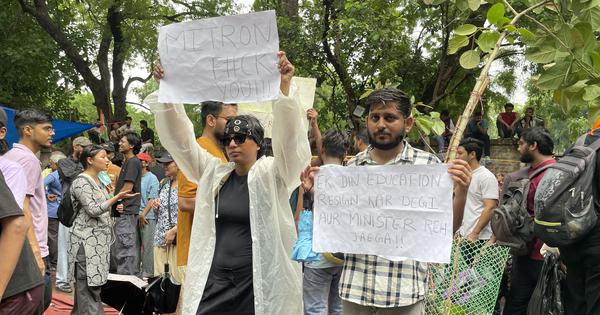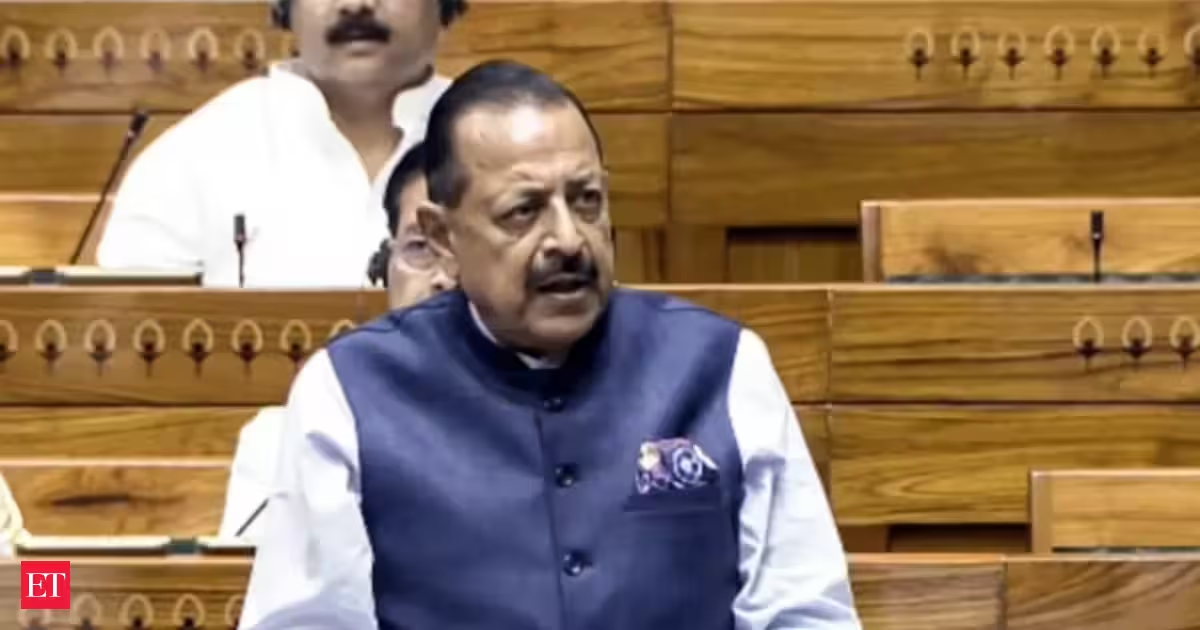
The government on Monday introduced the Public Examinations (Prevention of Unfair Means) Amendment Bill, 2026 in the Lok Sabha, proposing tougher penalties for examination fraud, stricter action against service providers involved in malpractice and faster investigation and trial of paper leak cases.Jitendra Singh, Minister of State in the Department of Atomic Energy, tabled the bill, which seeks to strengthen the Public Examinations (Prevention of Unfair Means) Act, 2024, enacted to curb unfair practices and organised cheating networks in public examinations.Also Read: NEET paper leak row: What Centre's new anti-paper leak bill proposes and why it mattersThe move comes amid protests over alleged irregularities in competitive examinations, including the NEET paper leak issue. Bill proposes stricter punishment for exam fraudThe proposed amendments increase penalties for individuals convicted under the law. The existing punishment of imprisonment ranging from three to five years would be revised to a minimum of five years and a maximum of 10 years.The maximum fine would also be increased five-fold from ₹10 lakh to ₹50 lakh.For private agencies and service providers engaged by examination authorities for conducting exams, printing question papers, logistics or technology support, the bill proposes raising the maximum financial penalty from ₹1 crore to ₹5 crore.The period of debarment for such service providers from participating in public examinations would also be doubled from four years to eight years.Tougher action against companies, organised networksThe bill proposes stricter provisions against directors, senior management and persons responsible for companies involved in examination malpractice.If an investigation establishes their involvement or connivance, the minimum imprisonment would increase from three years to five years, while the fine would rise from ₹1 crore to ₹5 crore.For organised examination-related crimes involving individuals, institutions, examination authorities or service providers, the proposed amendments increase the minimum jail term from five years to seven years. The minimum fine in such cases would rise from ₹1 crore to ₹10 crore.Two-month probe, fast-track courts for paper leak casesThe proposed legislation seeks to introduce a time-bound mechanism for handling paper leak cases.Investigations conducted by police, central investigating agencies or a Special Task Force constituted by the Centre would have to be completed within two months.The bill also empowers the Centre to constitute a Special Task Force specifically for investigating offences under the Act, besides allowing cases to be referred to central investigating agencies.Dedicated courts, faster appeals proposedThe bill requires every state and Union Territory administration, in consultation with the concerned High Court, to designate Special Fast Track Courts to exclusively hear offences under the Act.These courts would conduct day-to-day proceedings and complete trials within three months of the filing of chargesheets. Existing cases under the law would also be transferred to these designated courts.Also Read: SC says Nilekani-led task force recommendations will be key to online NEET decisionThe legislation proposes a dedicated appellate mechanism, allowing appeals against judgments, sentences or orders of Special Fast Track Courts before a two-judge High Court bench.Such appeals would, as far as possible, have to be disposed of within three months of admission.Centre cites need to restore credibility of examsThe Centre said the amendments are aimed at strengthening the fairness, transparency and credibility of India's public examination system.The Statement of Objects and Reasons accompanying the bill said the changes were prompted by incidents of question paper leaks and malpractices that have undermined public confidence in high-stakes examinations.The proposed amendments seek to deter organised cheating networks through stricter punishments, quicker investigations and dedicated judicial mechanisms.
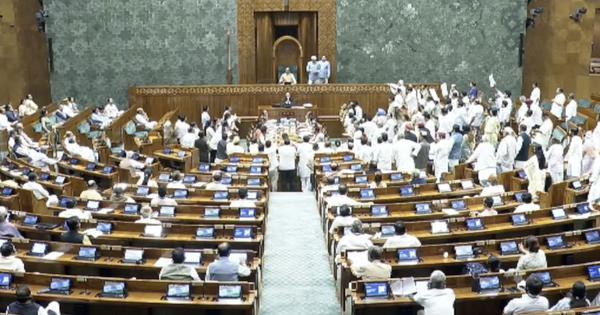
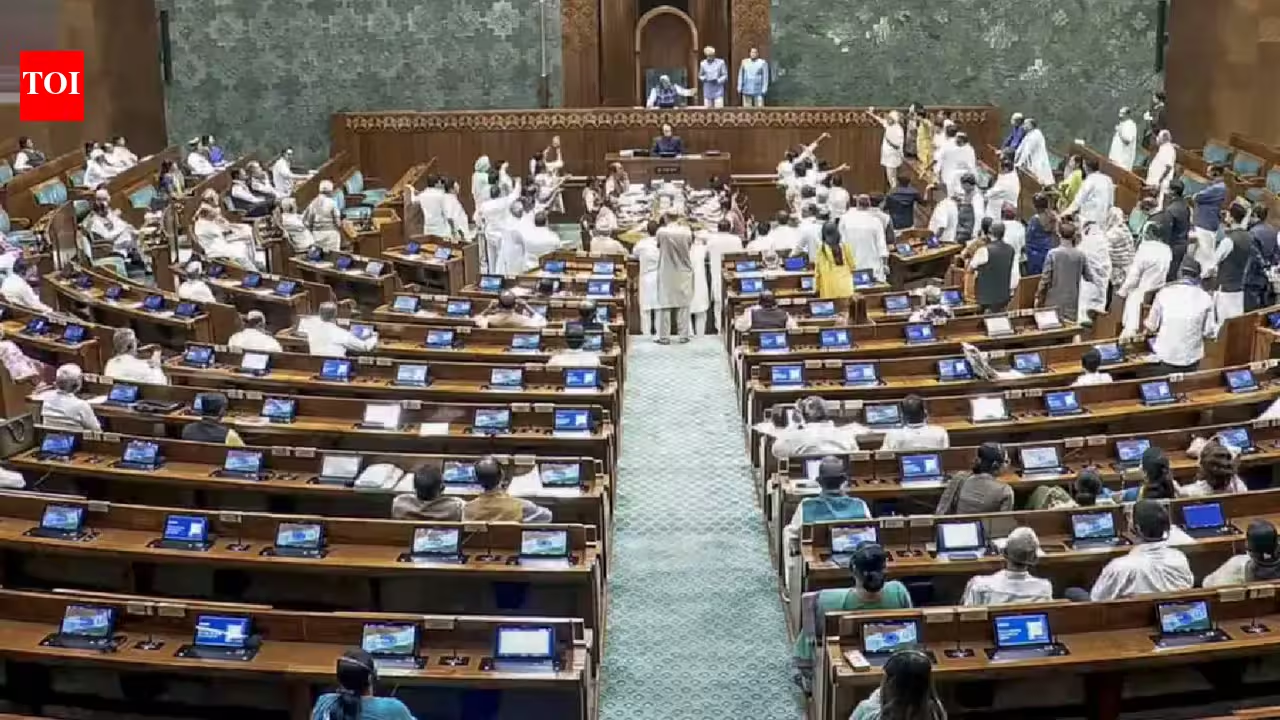
Govt introduces anti-paper leak Bill in Lok Sabha amid Opposition protests
The government introduced a bill proposing tougher penalties for examination fraud. This amendment seeks to strengthen the existing Public Examinations Act of 2024. It increases punishments for individuals and raises fines for private agencies involved. The bill also introduces time-bound mechanisms for investigations and trials of paper leak cases. These measures aim to improve transparency and credibility in public examinations.
570 words~3 min read