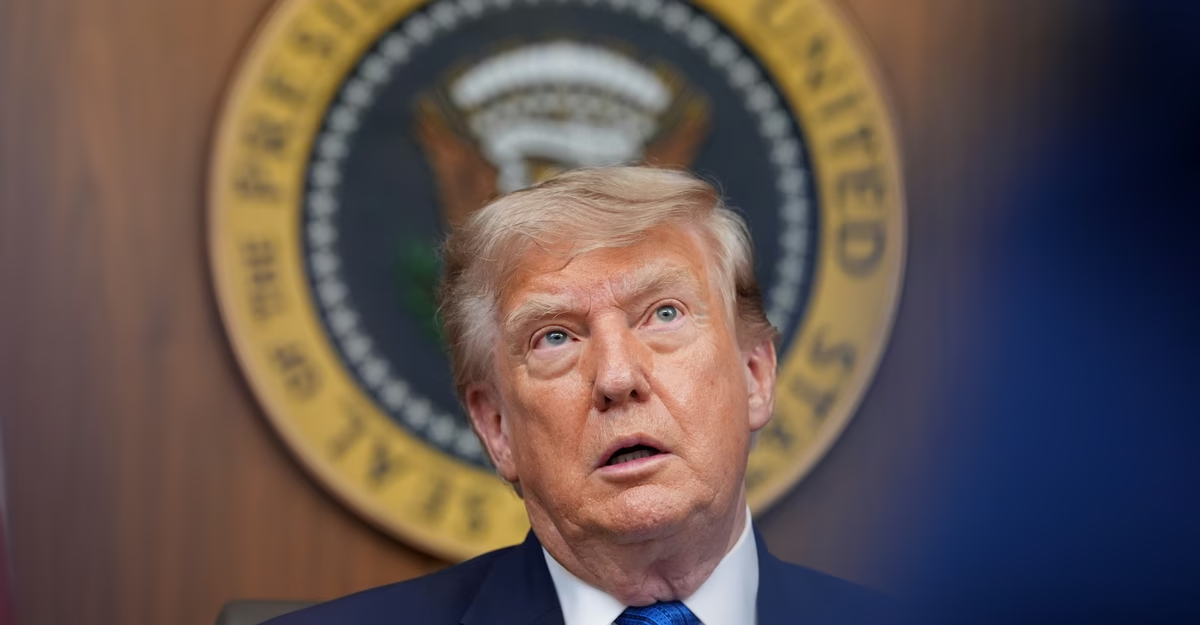
When Secretary of Defense Pete Hegseth testified before the Senate last Tuesday, he came ready to defend his claim of a “historic and overwhelming victory” over Iran. His scorecard was familiar: Iran’s navy sunk, its missiles buried, its defense industrial base “almost completely destroyed,” and its military “set back not just years, but likely decades.”
Senators kept asking the obvious question: If Iran’s military had suffered such a decisive defeat, why was it still firing on US bases and commercial shipping? Whereas Hegseth measured success by the destruction accomplished, the senators saw the disruption that continued.
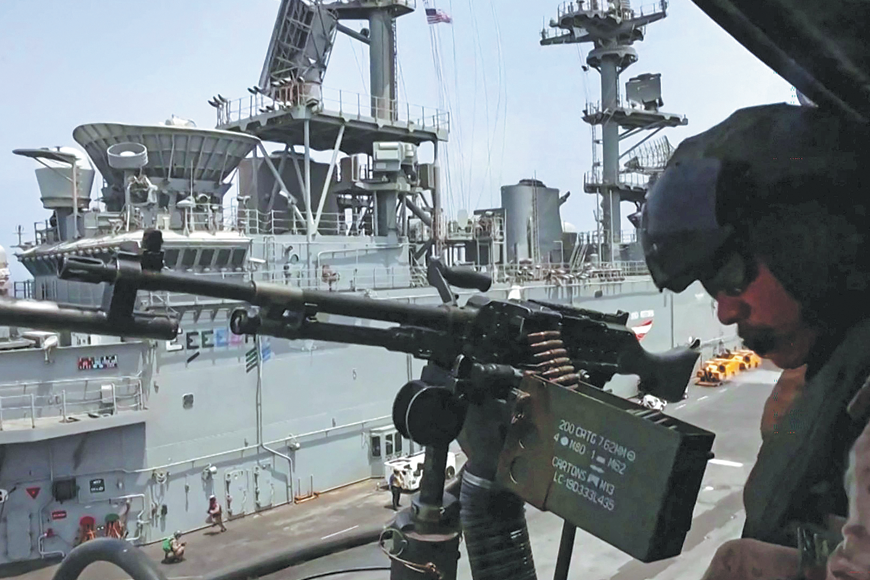
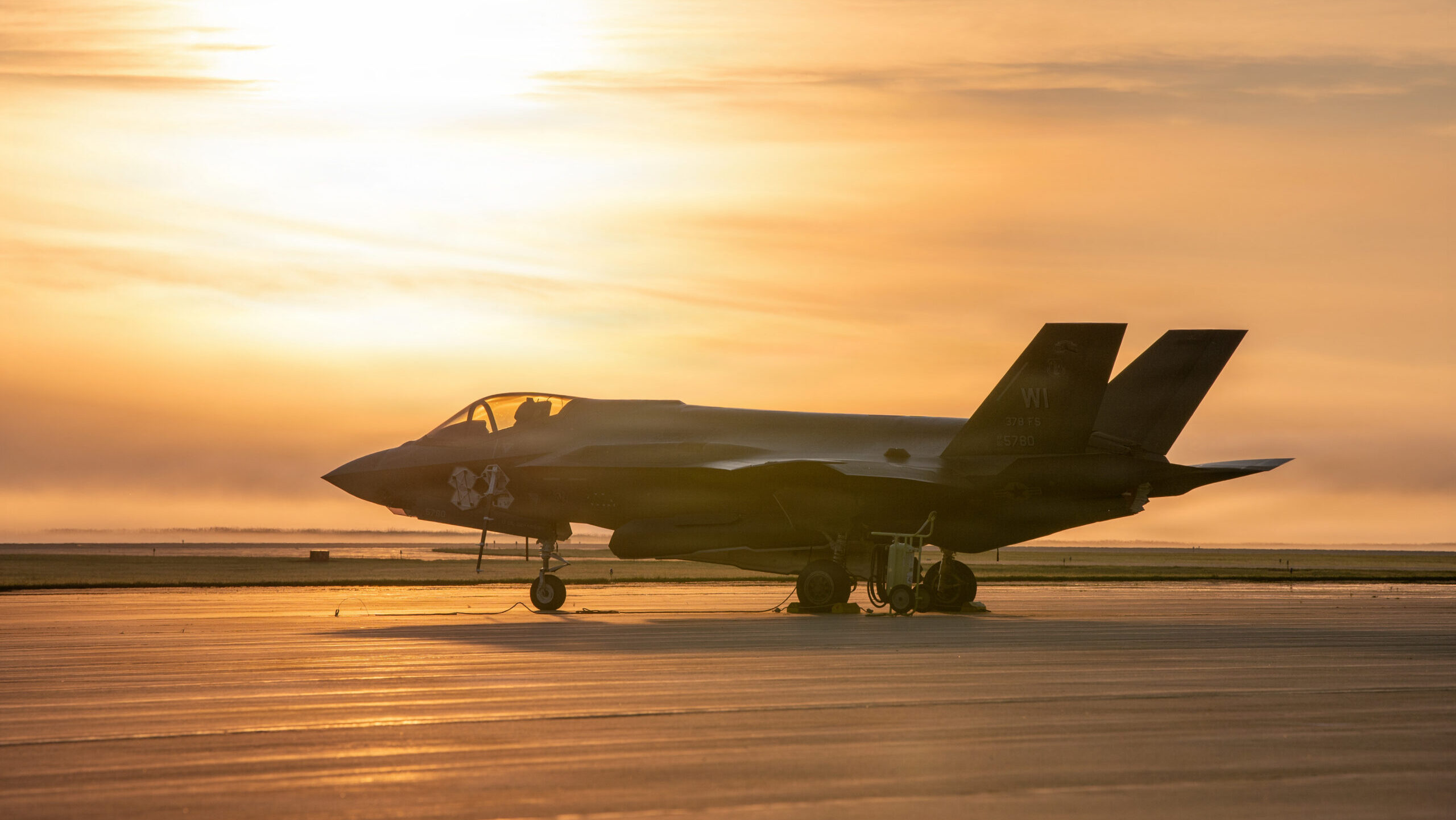
That gap is the puzzle at the heart of Operation Epic Fury. Traditional airpower won the air war everyone expected it to win. It destroyed much of Iran’s air force, rolled back air defenses, achieving air superiority in the high skies and striking at will. And still, for months, that air superiority could not keep the Strait of Hormuz open. Iranian drones and missiles have struck more than thirty commercial vessels, keeping both warships and merchant shipping out of a waterway the United States dominated from high above. That is the paradox for current airpower theory to explain.