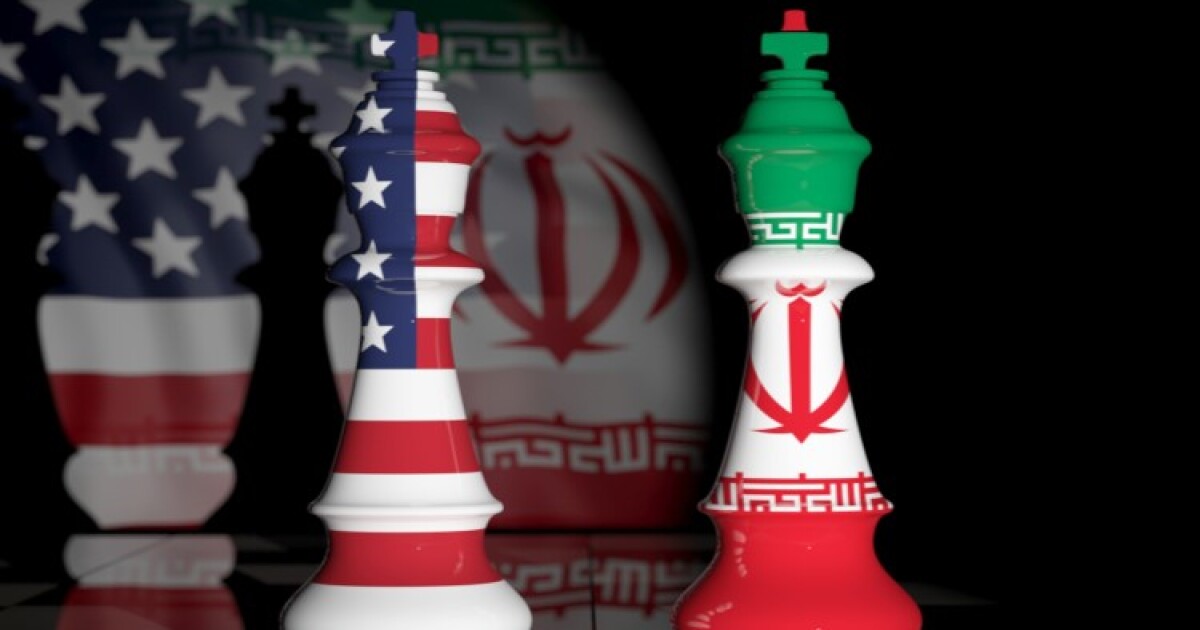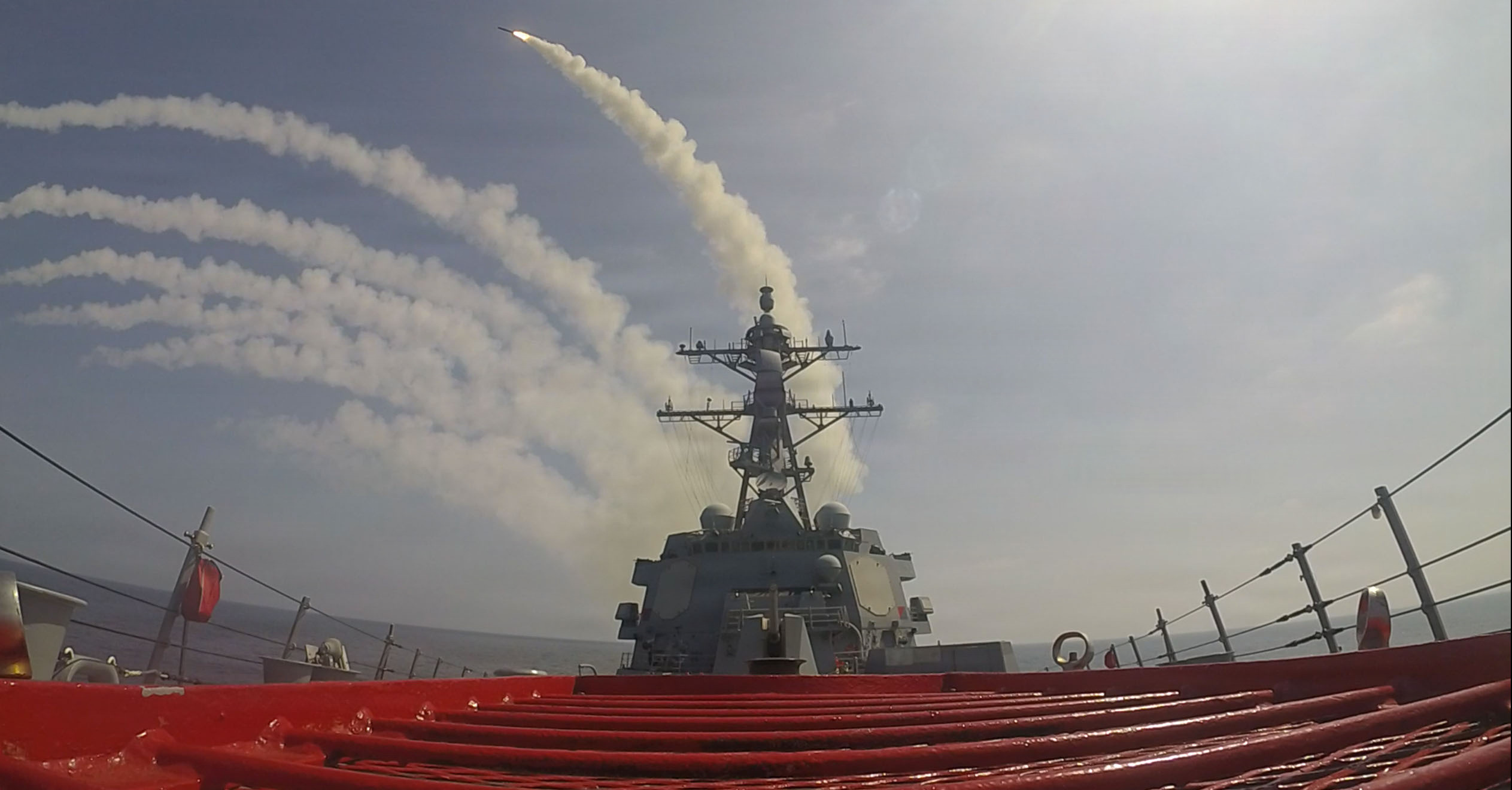
Nestled inside the four months since the United States launched attacks on Iran was six weeks of the most intensive air campaign since the “shock and awe” opening of the Iraq invasion. Yet the deal it produced, while still in final negotiations, seems to be a draw at best and, in many ways, favors Iran. Threatening to resume the bombing, as President Donald Trump has done several times, misunderstands why.
The US was engaged in two air wars simultaneously — one of destruction, and one of disruption. It lost the one that mattered most.
The first — the air war of destruction — centered on the US and Israel seizing the airspace high above Iran and exploiting it to strike at scale. Above 20,000 feet, where stealth and precision-guided munitions decide outcomes, the US military performed exactly as designed. It achieved air superiority over large swaths of southern and western Iran, degraded air defenses, sank much of Iran’s traditional navy, and damaged elements of its missile and drone capabilities. The war of destruction was measured in targets (DMPIs, or “desired mean points of impact” in military parlance) hit and capabilities destroyed. By those metrics, the US won.
Yet Iran managed to keep the Strait of Hormuz effectively closed. A second air war — a war not of destruction but of disruption, imposing psychological and economic costs until the fighting became politically unbearable — decided that.