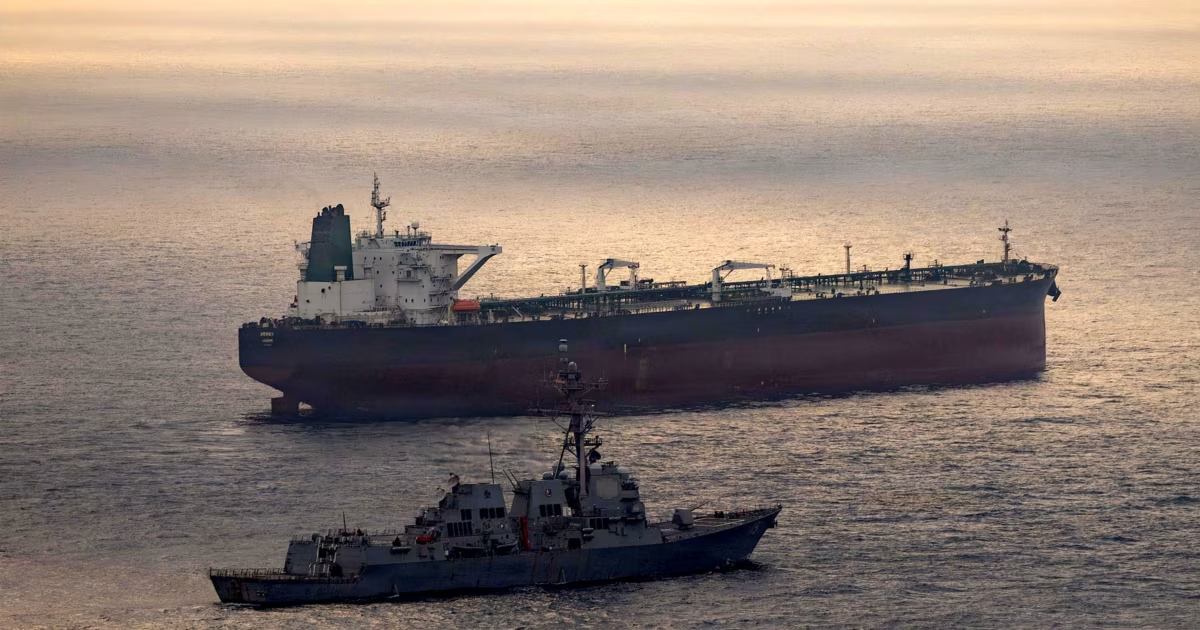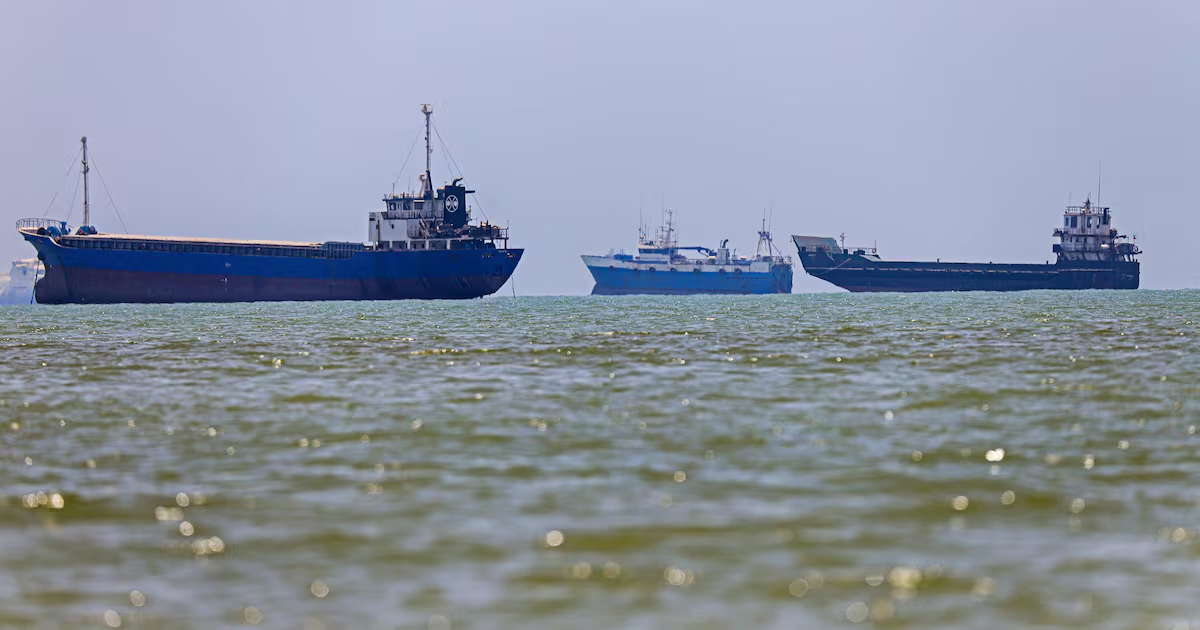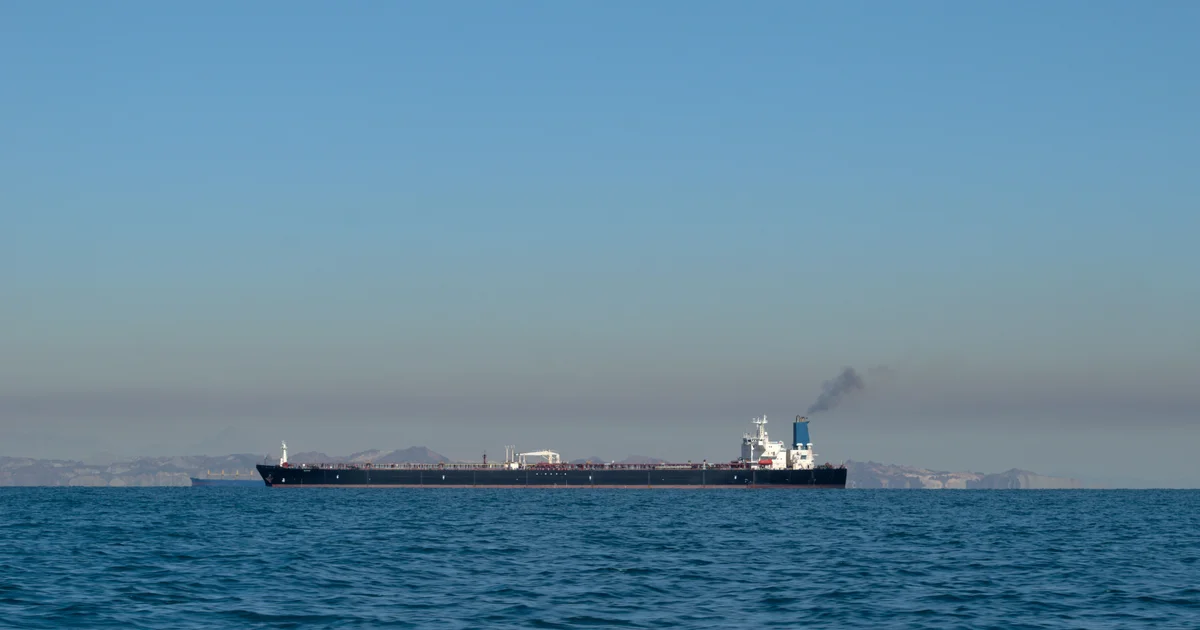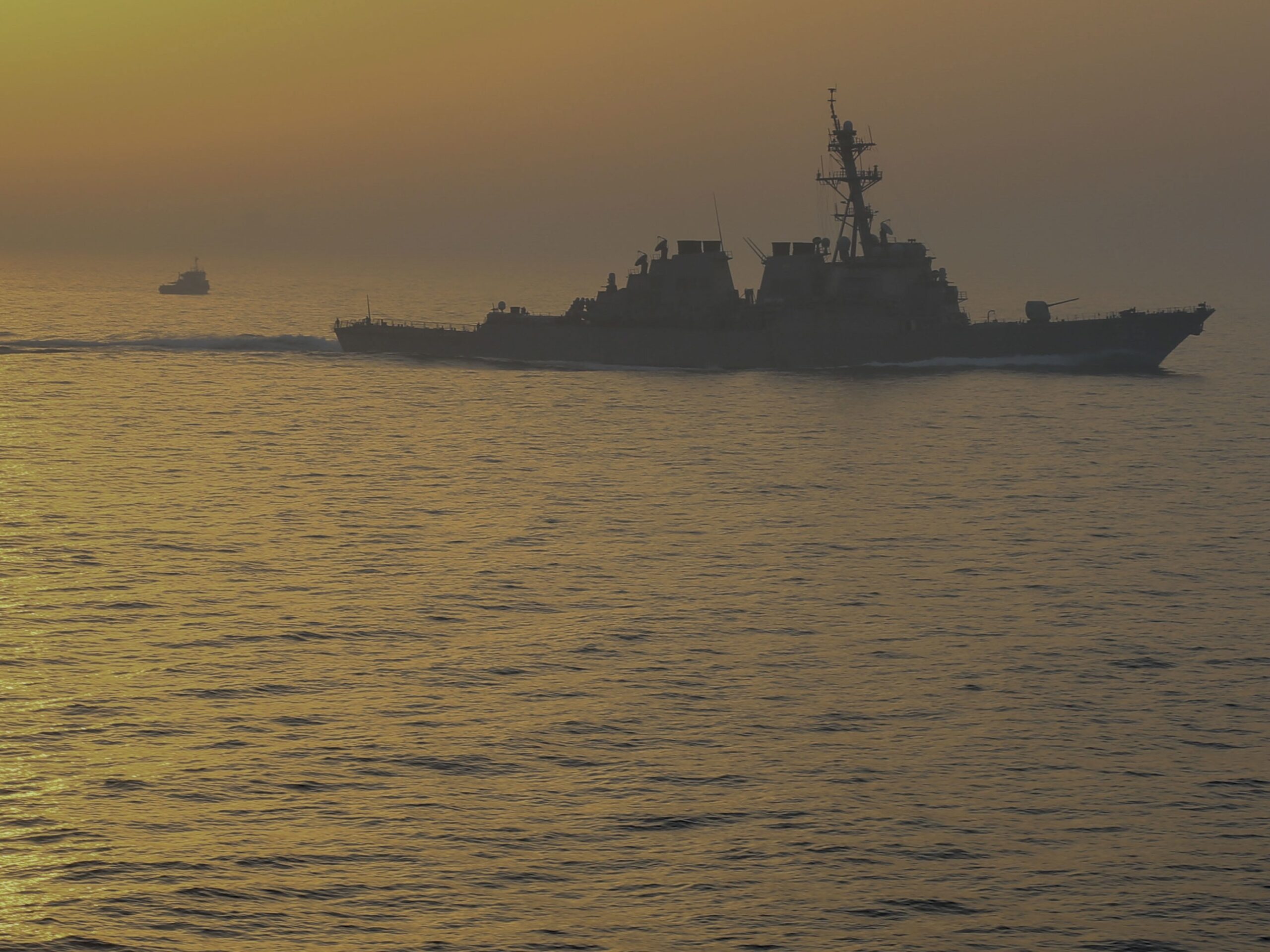
The Strait of Hormuz remains mostly closed — US Central Command protestations notwithstanding — with traffic running at about 10 percent of prewar levels. That strategic fact pushed President Donald Trump to rescind orders for what he described as a massive military strike amid talks to fully reopen the key waterway.
In a recent op-ed in these pages, Stephen Wills argues in response to an opinion piece of my own that this is not a Navy failure. While I greatly respect Wills’ expertise on naval affairs, we don’t agree here.
Our analyses do overlap in several respects, however, even if the conclusions we draw remain leagues apart. Let’s go piece by piece:
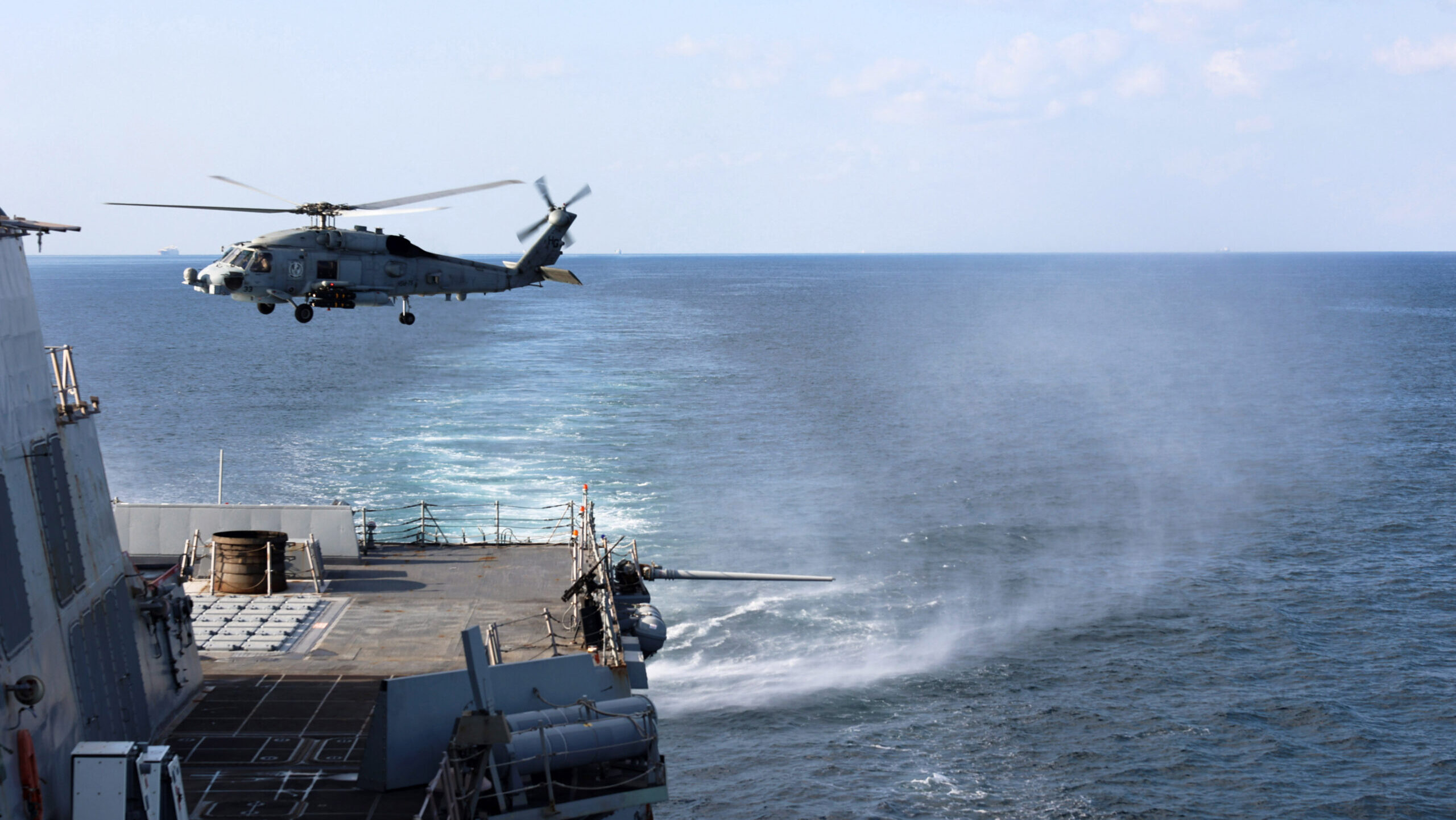
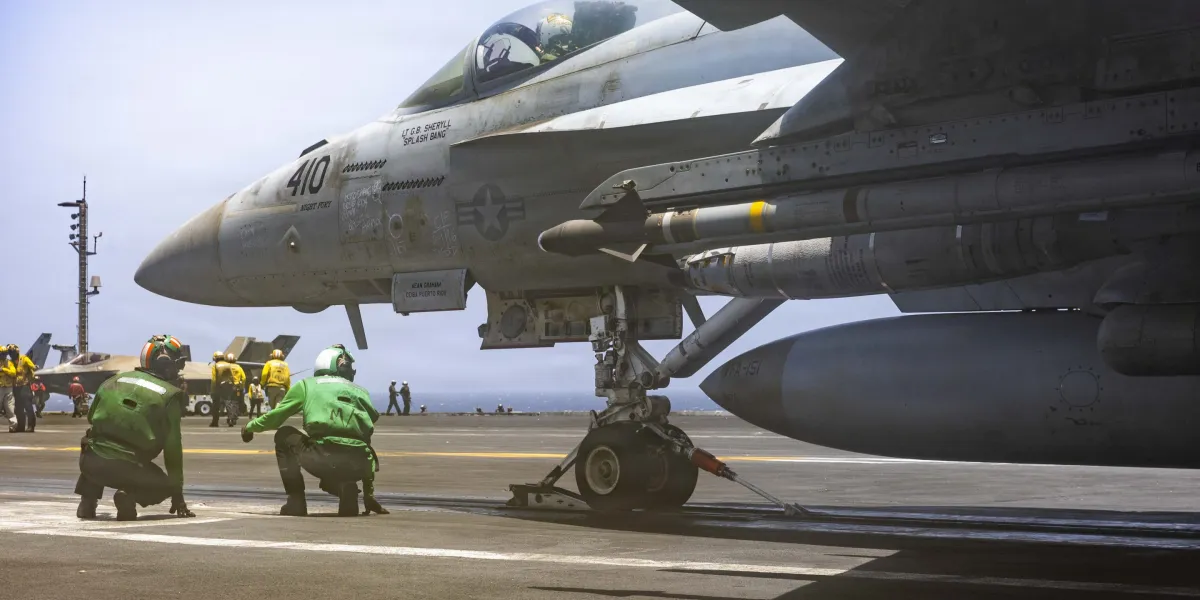
The war is not over yet. This is a fair observation, and the president could yet order a major military operation to open the Strait. I believe such an operation would likely succeed, though with some casualties. However, the war has gone on for nearly five months, and such an operation has not occurred. The strategic and economic damage has already been immense, even if the war ends soon.
The blockade has been effective. This is absolutely true. The blockade of Iranian shipping through the Strait adds stress to an already faltering Iranian economy. The Navy can take credit for this well executed operation. However, the blockade has not neutralized Iran’s control. The effect has been that any shipping transiting the Strait must now get permission from both the United States and Iran.