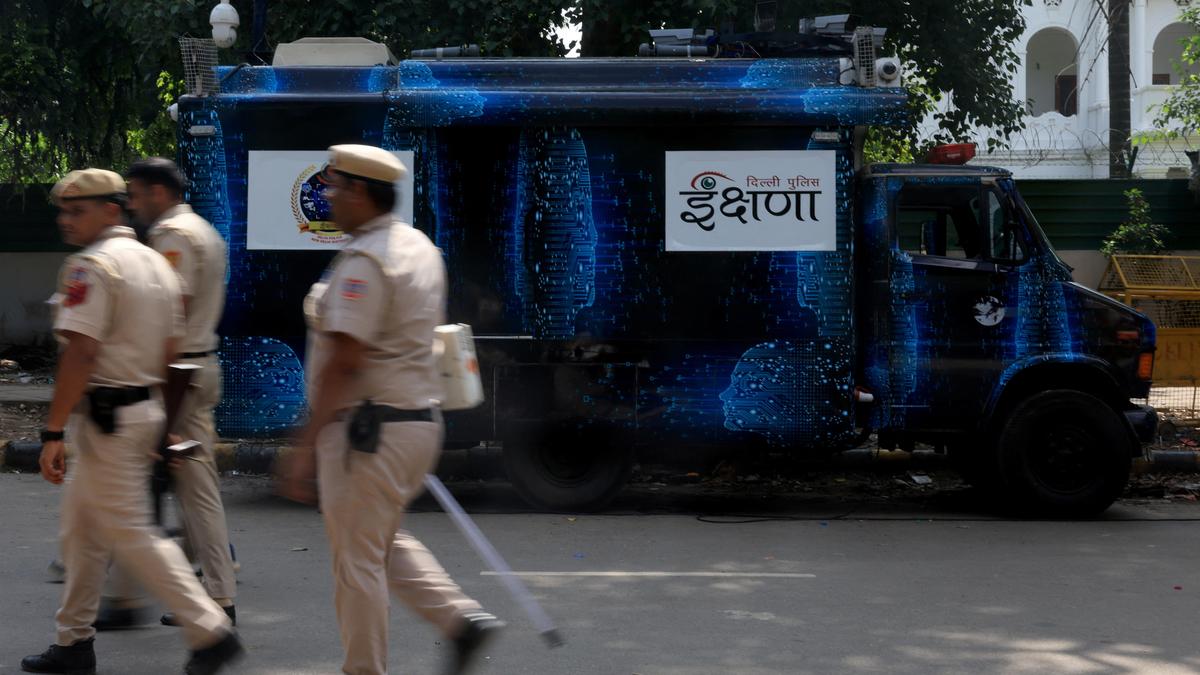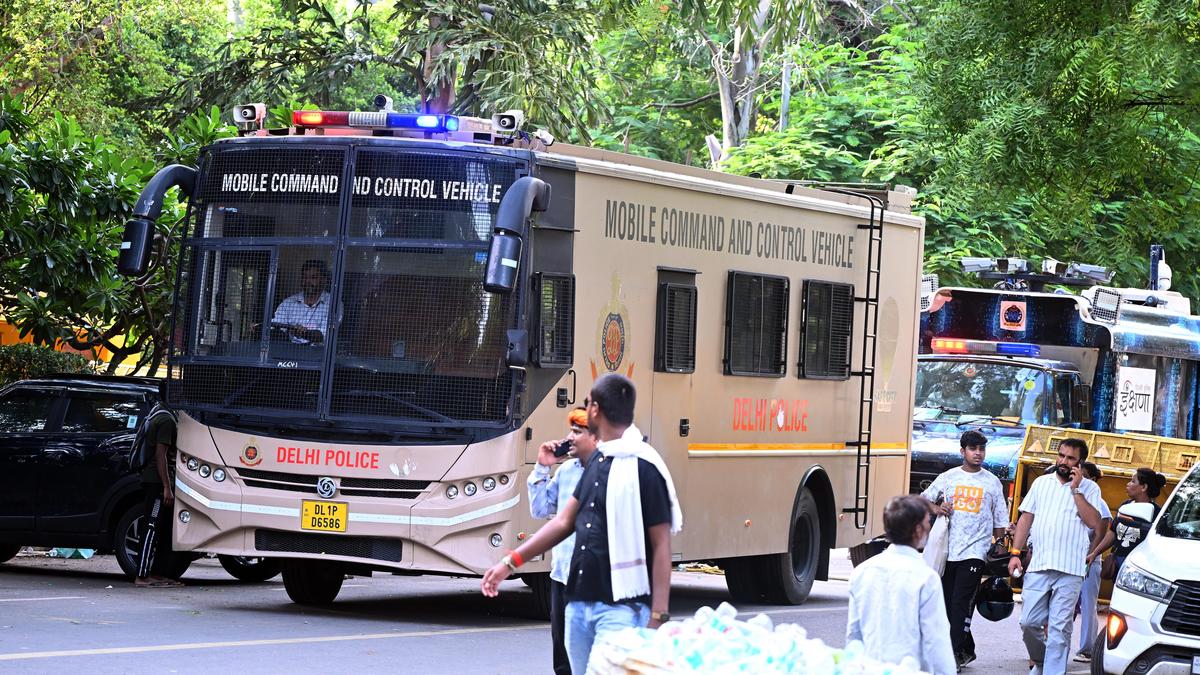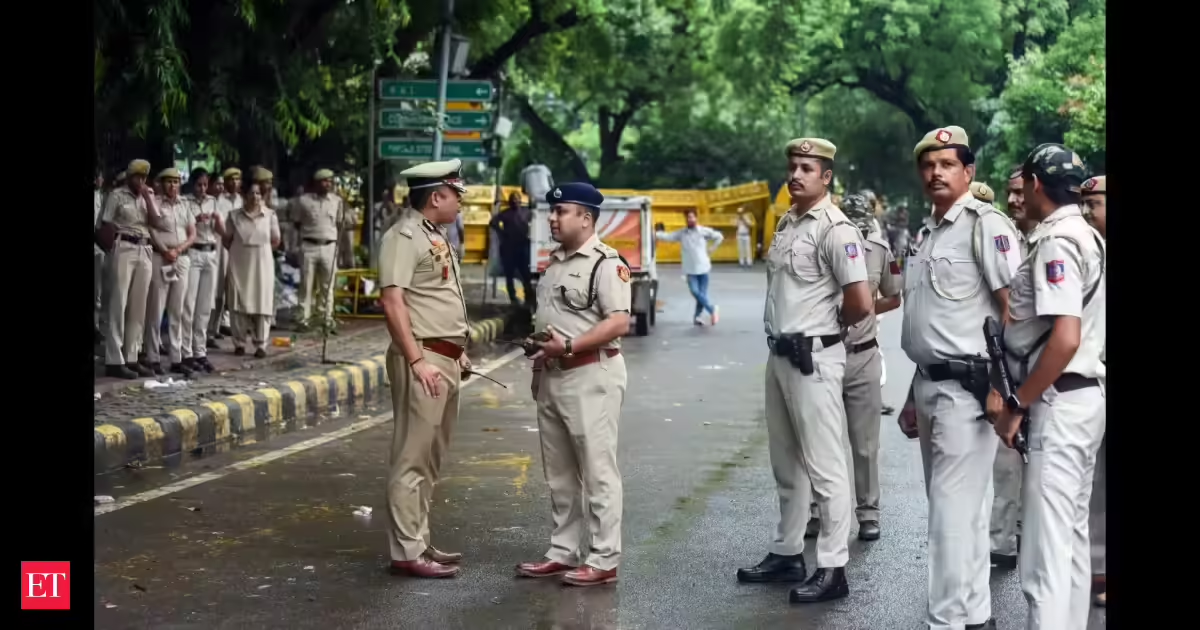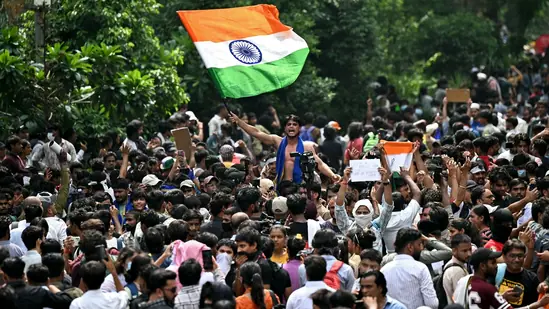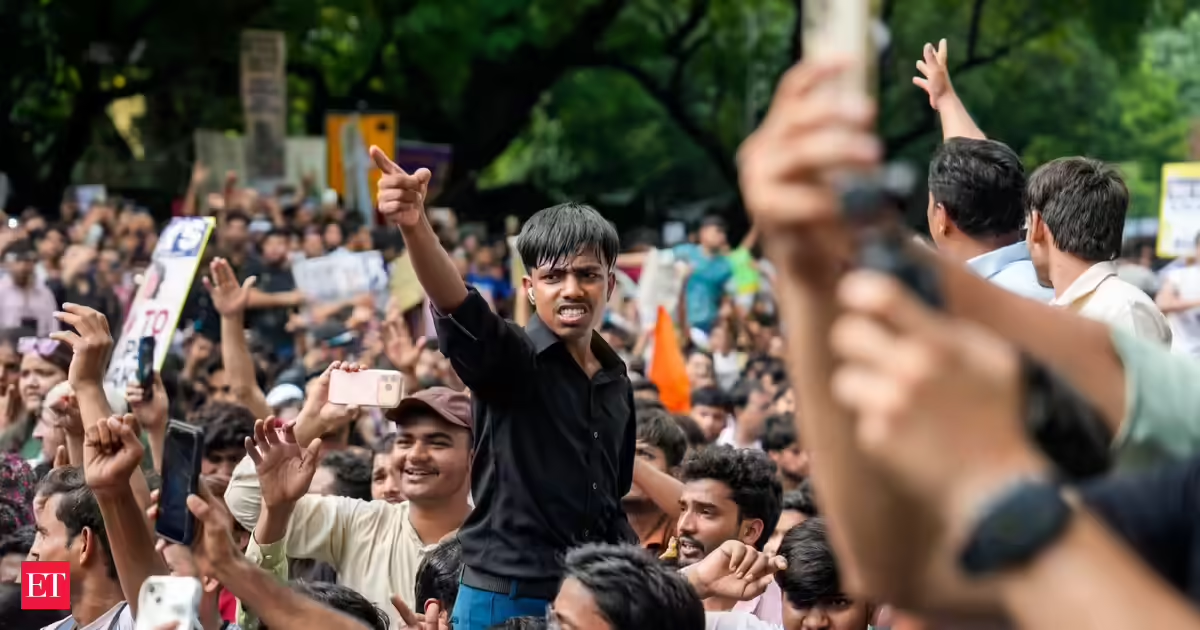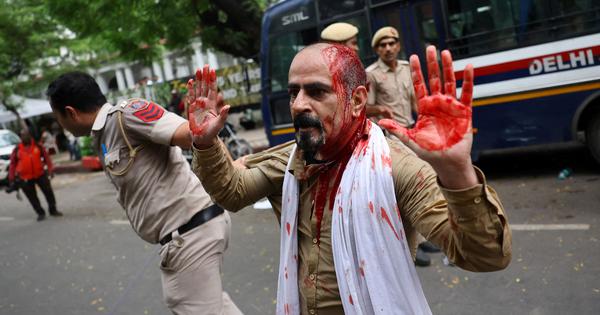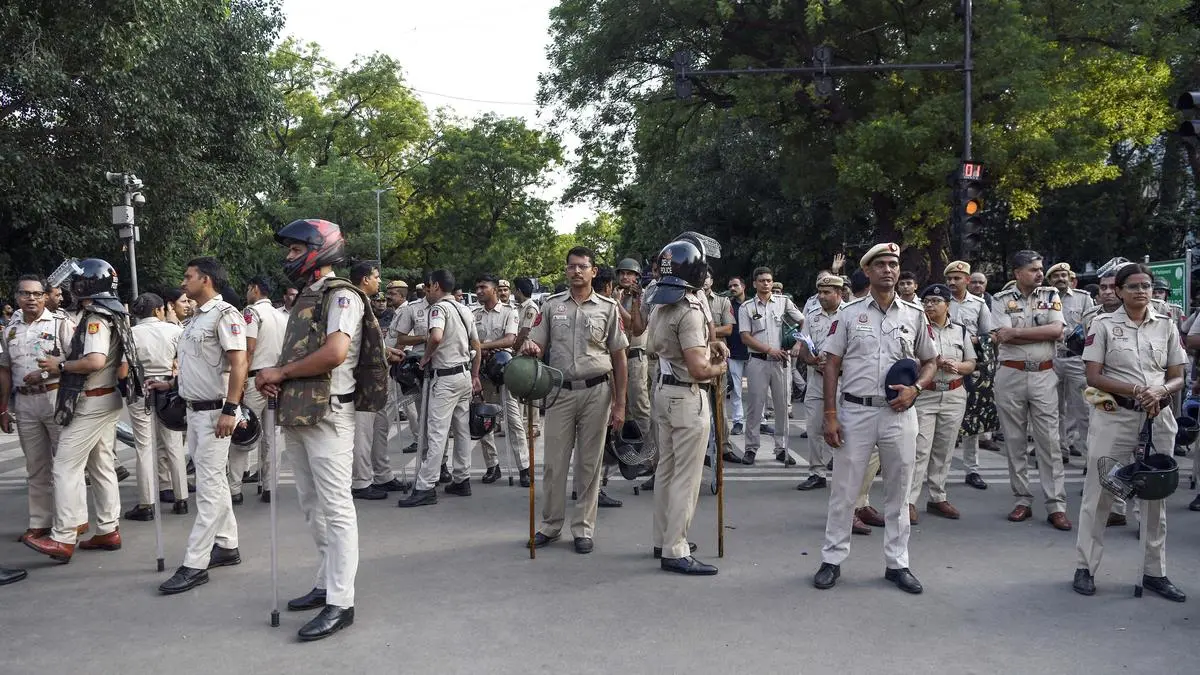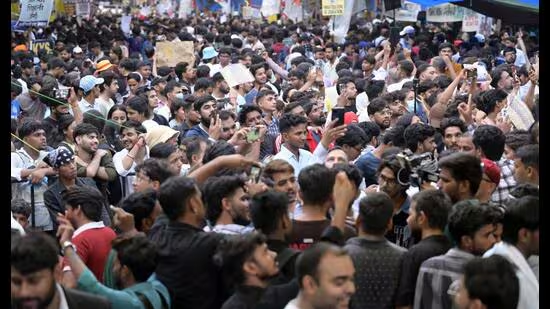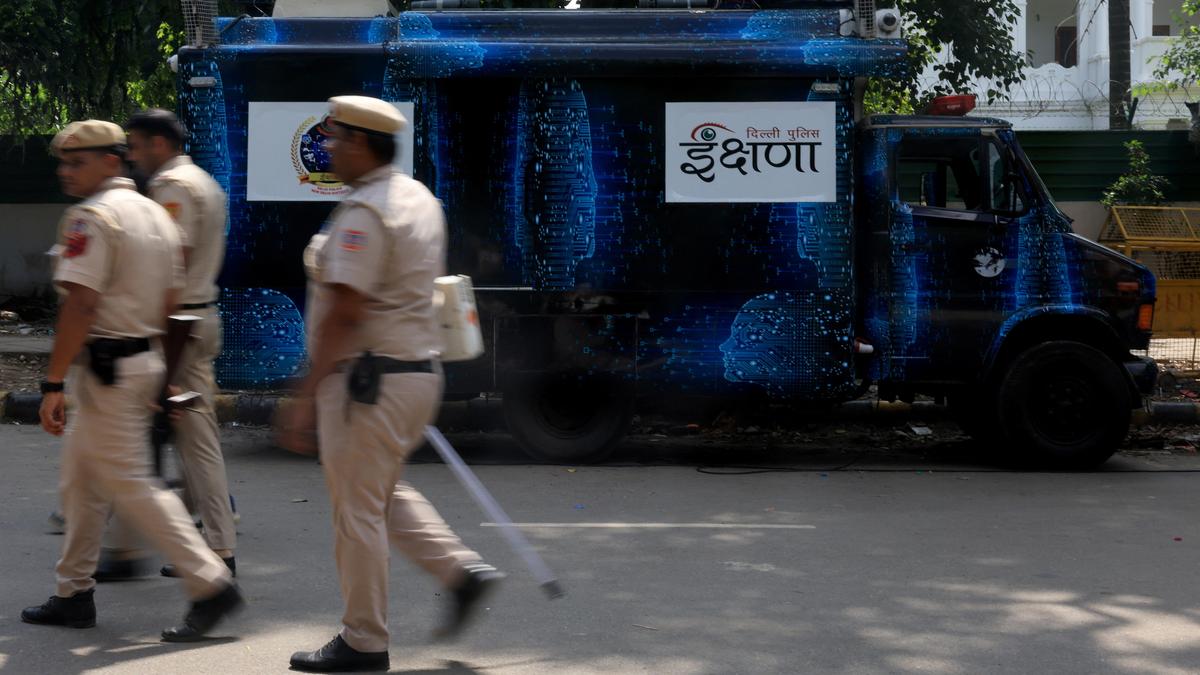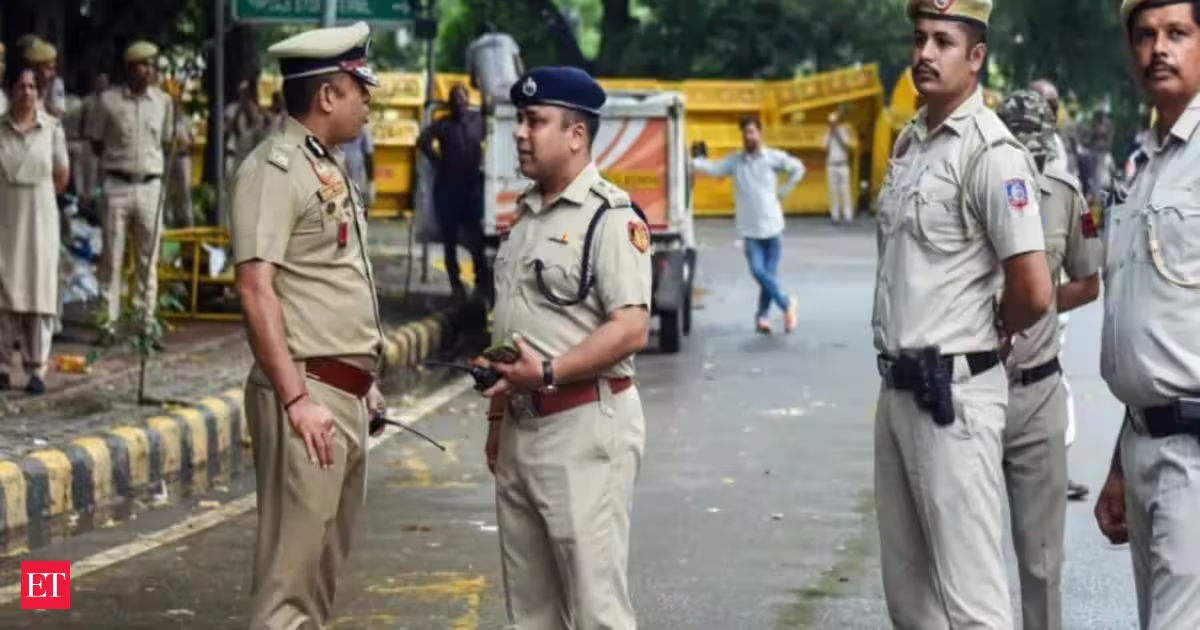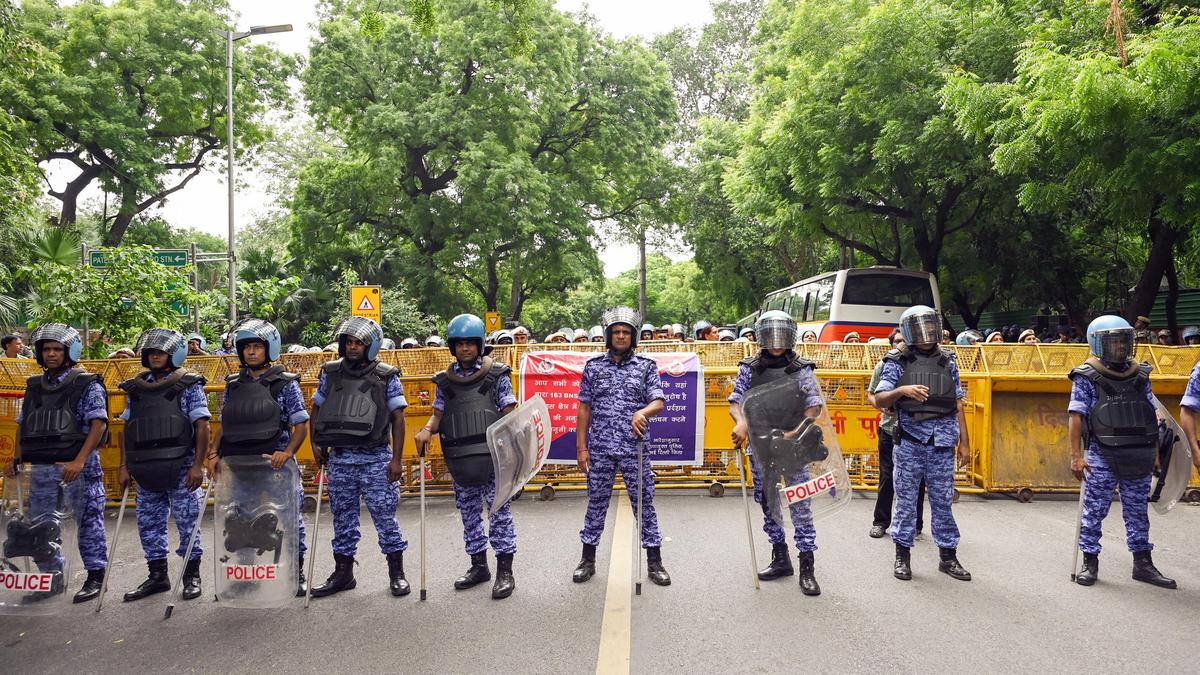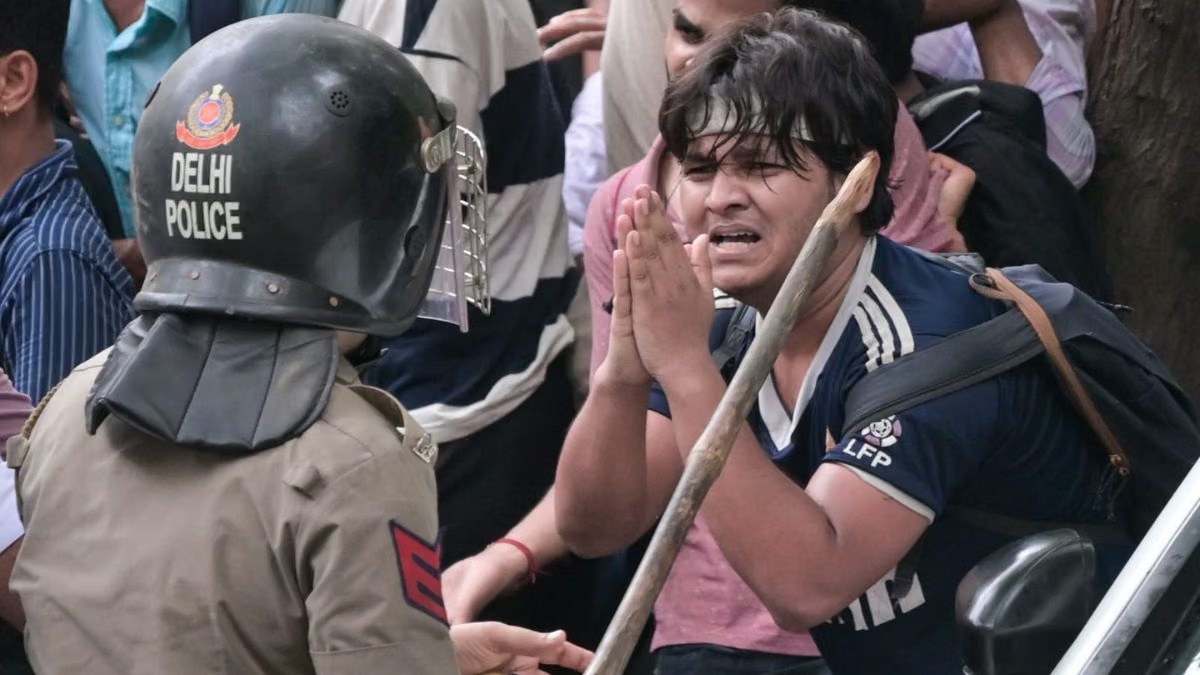
The Delhi police allegedly used facial recognition and profiling equipment at Jantar Mantar. By turning their devices on the crowd, they were able to capture the faces of hundreds of people who either had criminal records or were facing criminal charges. Now that these people have been identified, the police will investigate them further
Obviously there are many questions to be asked here about the right to privacy, about whether the same equipment is used at BJP rallies, about how the cops define criminals and, if the criterion is the existence of cases filed against individuals, wouldn’t this device be far more useful at the entrance to our legislatures?But I’ll leave those ethical issues for another time because my concern this week is with technology and the police. We know already that intelligence and law enforcement organisations are experienced in the use of Pegasus and other intrusive tech software and devices. Facial recognition devices sound new, but who knows? Perhaps the cops have been using them all along.
So here is the obvious question. If the police are now so tech-savvy, how come nobody told them that most people now use something called a camera phone? And that these phones allow people to take videos of police misconduct and to upload them to the internet instantly? And that there is also something called YouTube, which allows millions of horrified people to watch gangs of policemen clubbing unarmed students into states of unconsciousness?It’s strange that the cops have no idea of the power of the camera phone. These phones have now shown India how its policemen actually function. And how much they enjoy assaulting young people, hitting children with lathis and arrogantly slapping women in public.Police brutality is not new. For years we have read how ‘demonstrators clashed with police’ or how ‘police cleared the area’. The narrative is nearly always sympathetic to the police, portraying them as servants of the people who were forced to restore order on our behalf. Even when demonstrators complain about how brutally they were assaulted, we tend to take the line that “they asked for it by demonstrating.”The police know that the media and public are usually on their side, so they don’t worry too much about being brutal. And they know the Indian middle class well enough to recognise that violence against farmers, minorities or poor people in general does not cause us sleepless nights. So, there is one rule for the poor and another for the middle class.It also helps the police that much of the media is nearly always supportive. Partly, it is the middle-class bias, and partly it is that reporters have to go back to the same cops for stories day after day—so they try not to antagonise their sources. And yes, proprietors like maintaining good relations with the police.So why did the police get it so wrong and club middle-class children in the heads at the Jantar Mantar protests?