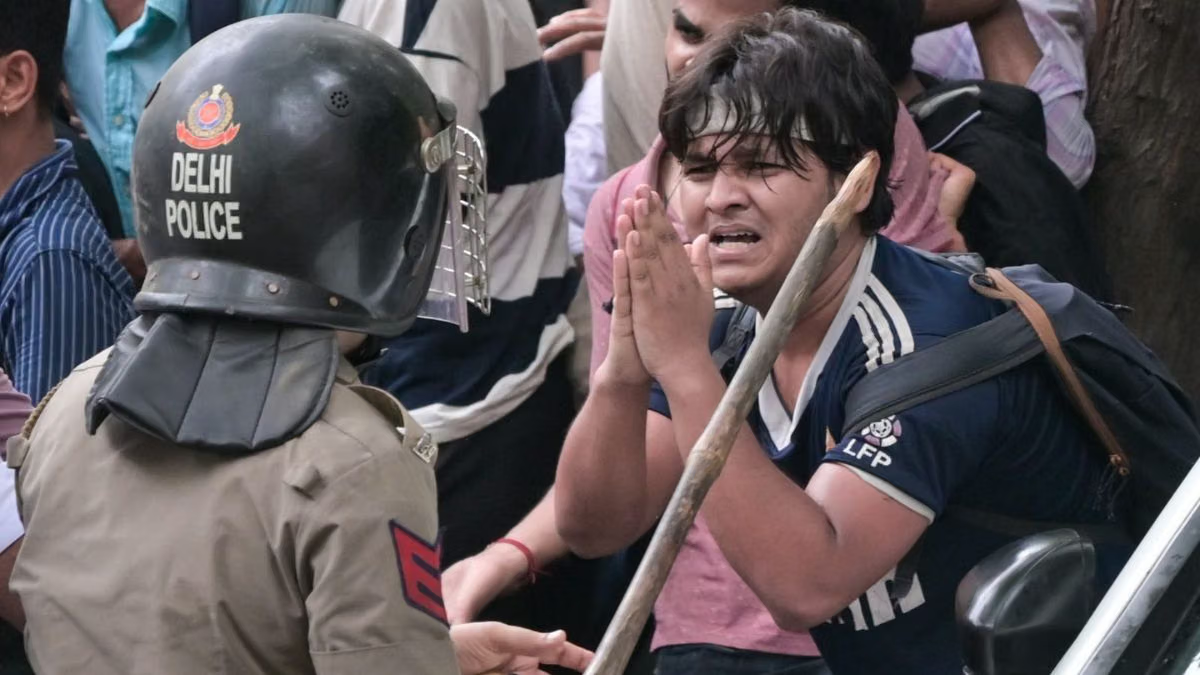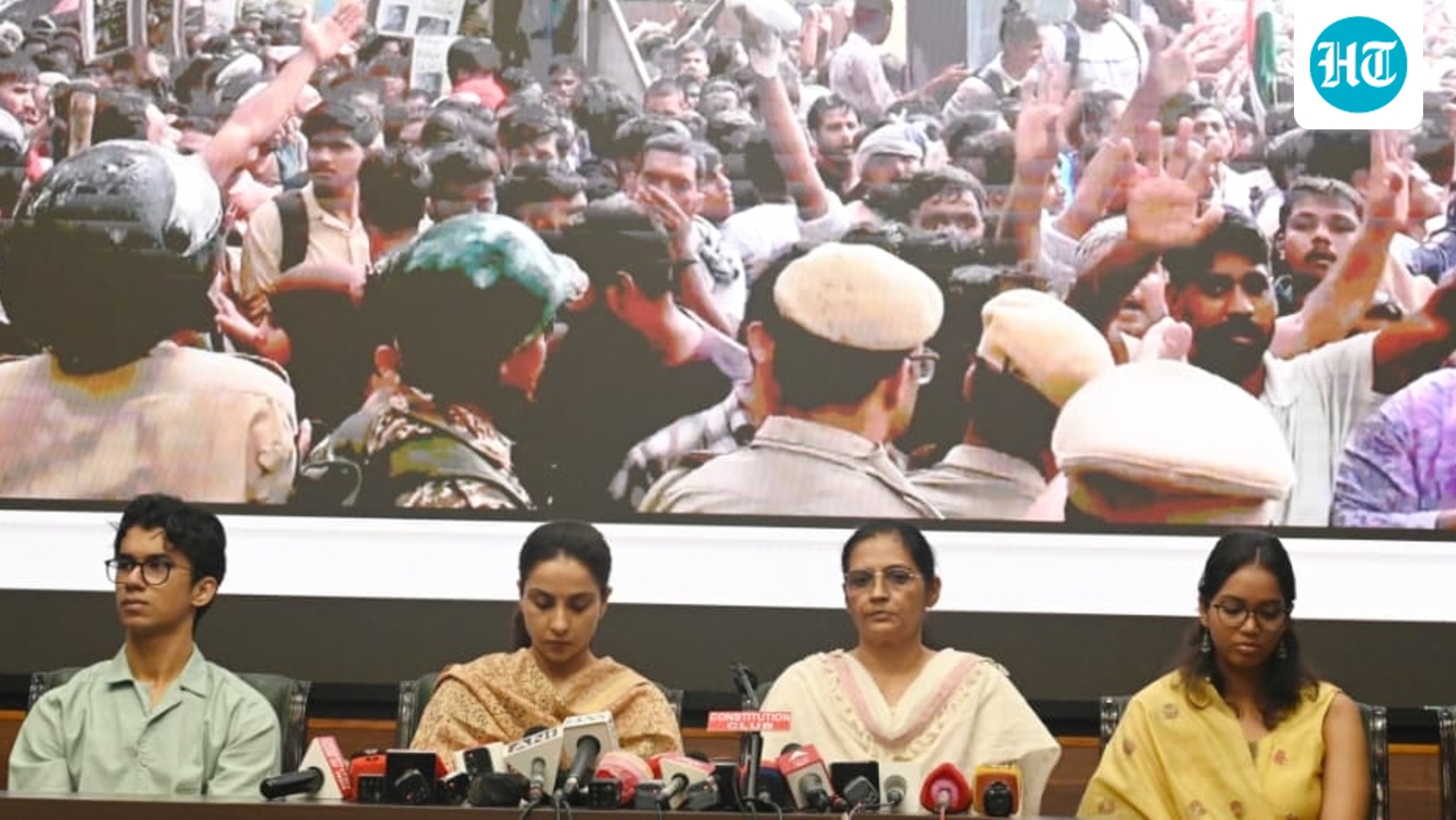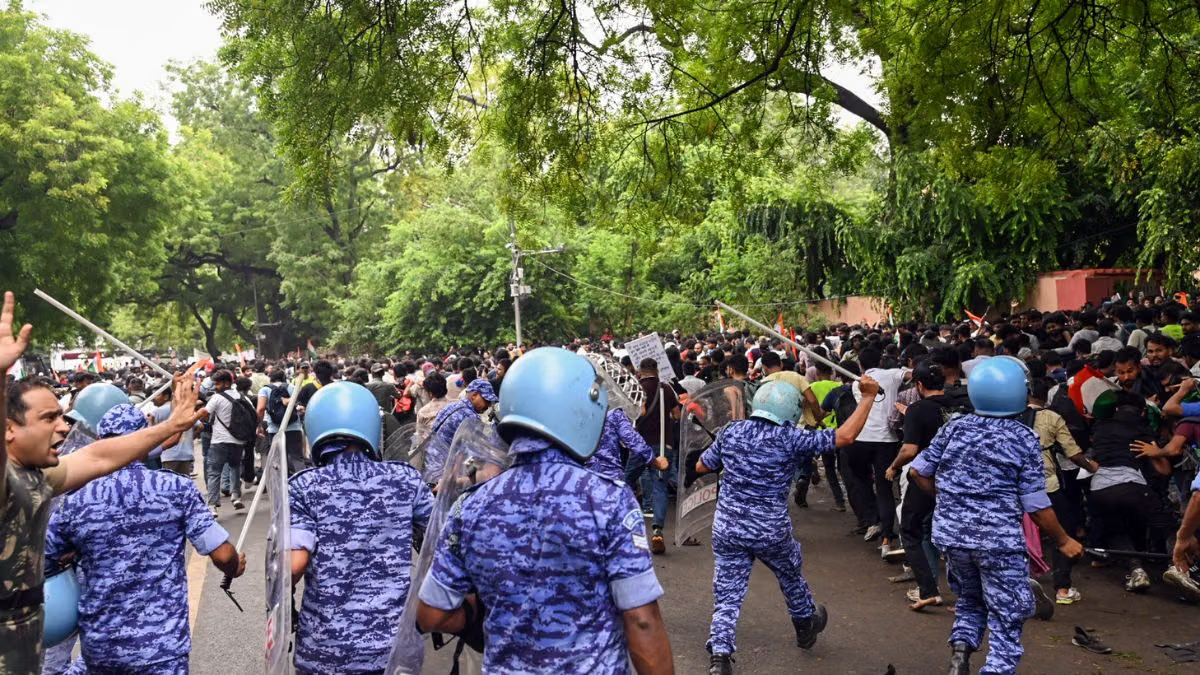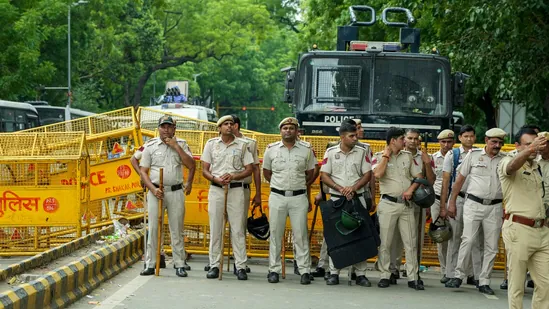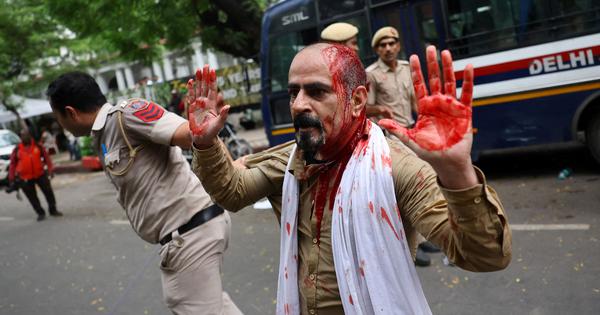
If one looks beyond the merits of the student unrest at Jantar Mantar, beyond the politics, the partisanship and the competing narratives and reflect solely on the conduct of the policing forces at the venue, one is left with a profound sense of unease.This reflection comes from someone who has worn the uniform, led troops in some of the most challenging circumstances during the height of insurgency in the Kashmir Valley and witnessed first-hand the pressures, provocations and split-second decisions that confront those entrusted with maintaining order in volatile situations.There is a deep understanding of the difficult circumstances in which uniformed personnel often operate, the dangers they face and the emotional and operational pressures that can arise when confronted by crowds, unrest, or hostility.Precisely because of that experience, the responsibility of restraint becomes even more significant. The authority of the uniform is immense, but so is the obligation that accompanies it. Those entrusted with the power of the state must always remember that the legitimacy of that power comes from the confidence and trust of the people.The larger questionThe issue is not whether the protesters were right or wrong; reasonable people may differ on that. The larger question is whether the state, acting through its law enforcement institutions, exercised its authority in a manner consistent with the values of a constitutional democracy.There is also a fundamental principle that must never be lost sight of: the conduct of the police can never be equated with that of a protesting crowd. A crowd, by its very nature, may become emotional, disorderly or even unruly. The police, however, are not another participant in the confrontation; they are the constitutional authority entrusted with maintaining order. The standard expected of them must therefore be higher.The police must be better – not because their task is easier, but precisely because their power is greater and their responsibility is heavier.It is understood that those in uniform operate within a hierarchy of command and are duty-bound to execute lawful orders given to them. In difficult circumstances, personnel may find themselves carrying out directions that they may personally question or find uncomfortable. The realities of disciplined service and institutional functioning require obedience to command.However, this obligation does not extinguish individual responsibility or professional judgement. Within the framework of their training, experience and duty, personnel retain the responsibility to ensure that the manner in which orders are executed does not exceed the limits of legality, proportionality and professional conduct.The difference between carrying out a difficult duty and exceeding one’s brief is precisely where the character of an institution is tested. Discipline does not mean the absence of judgement; true discipline is the ability to exercise restraint even under pressure.
Delhi unrest: Police conduct can never be equated with that of a protesting crowd
The only relevant question is whether the law enforcers exercised their authority in a manner consistent with the values of a constitutional democracy.
1,204 words~5 min read