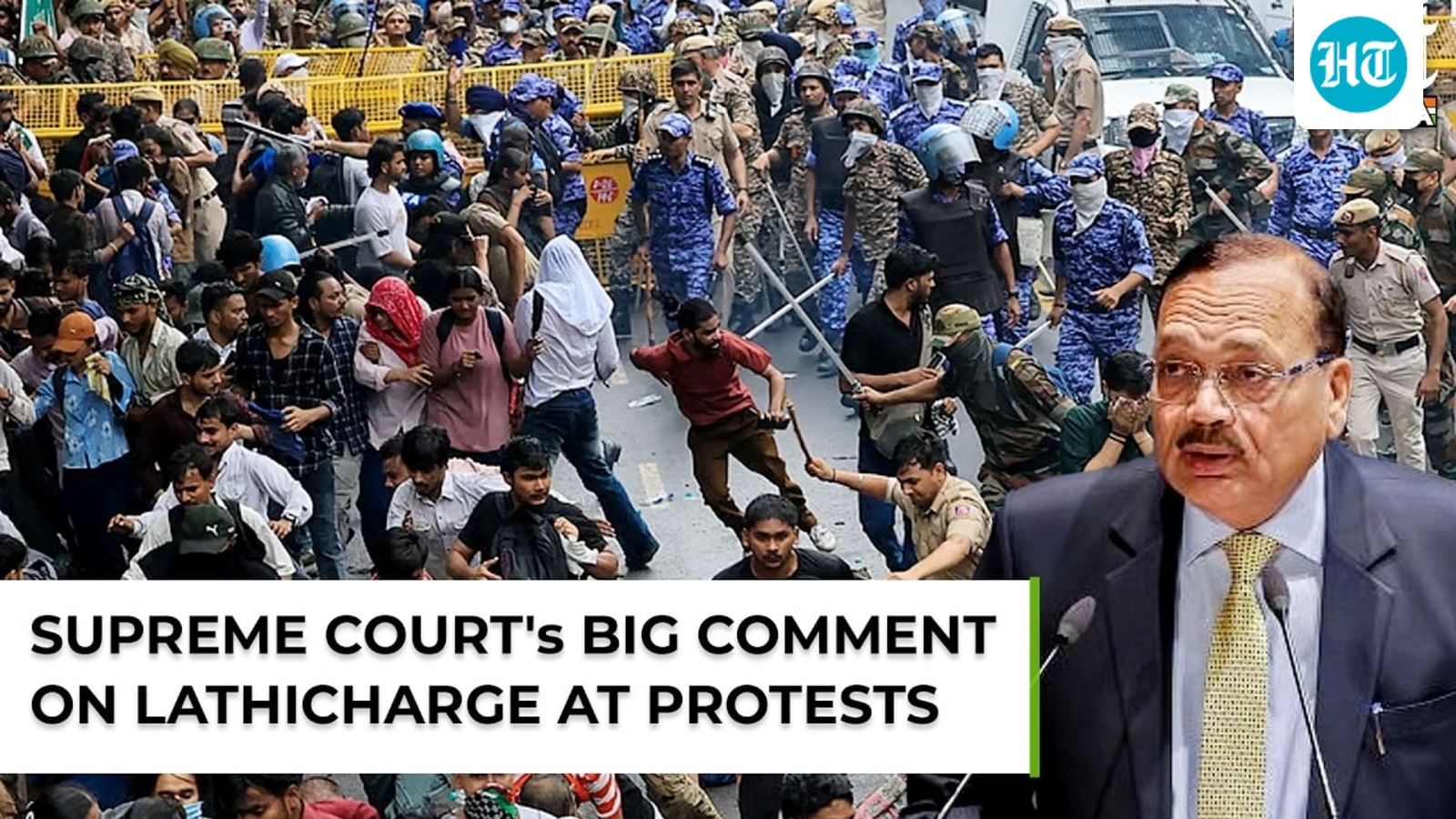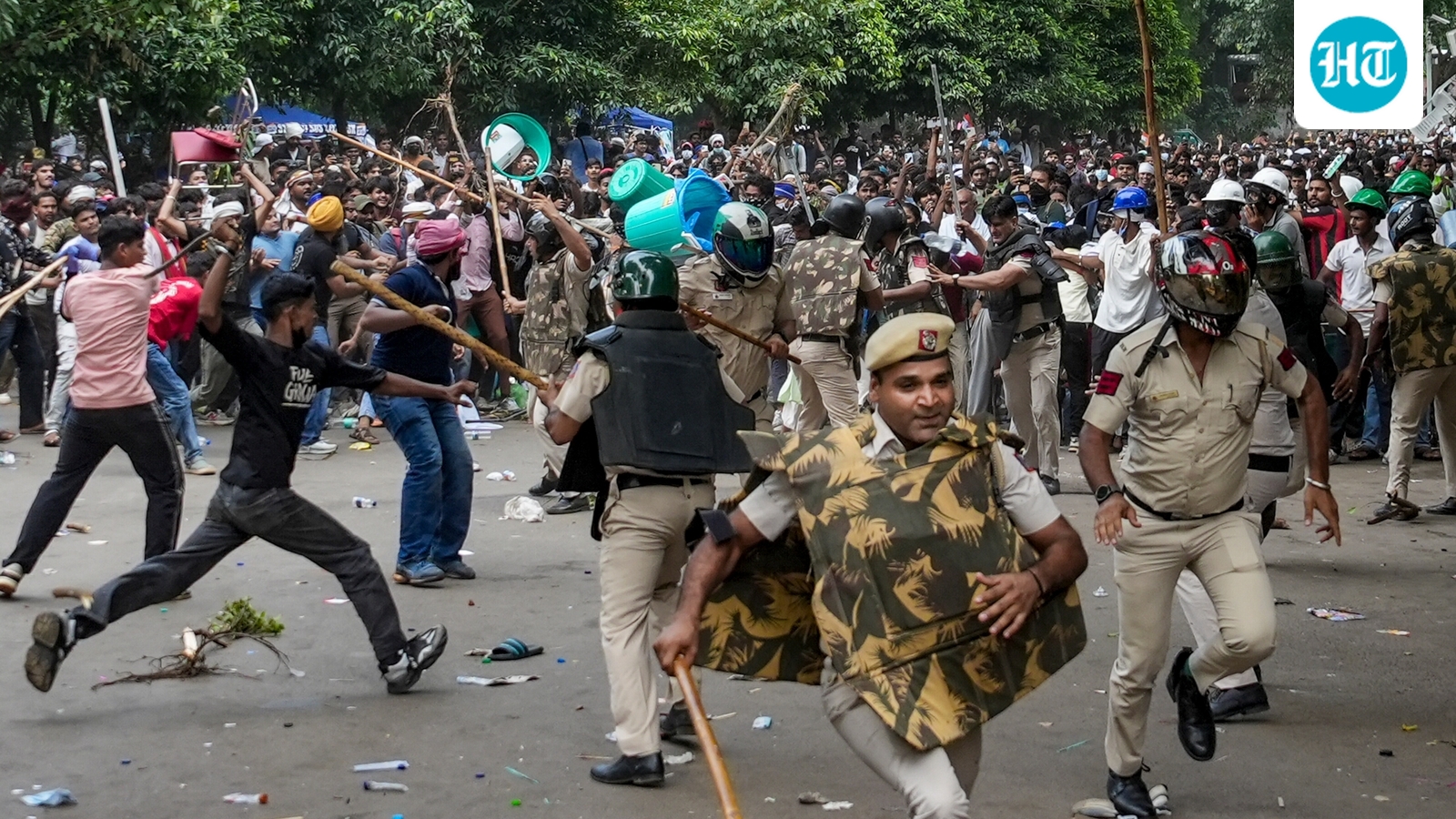
The bench seeks crowd-control guidelines, rejects violence against peaceful student demonstrations across India.
| Photo Credit:
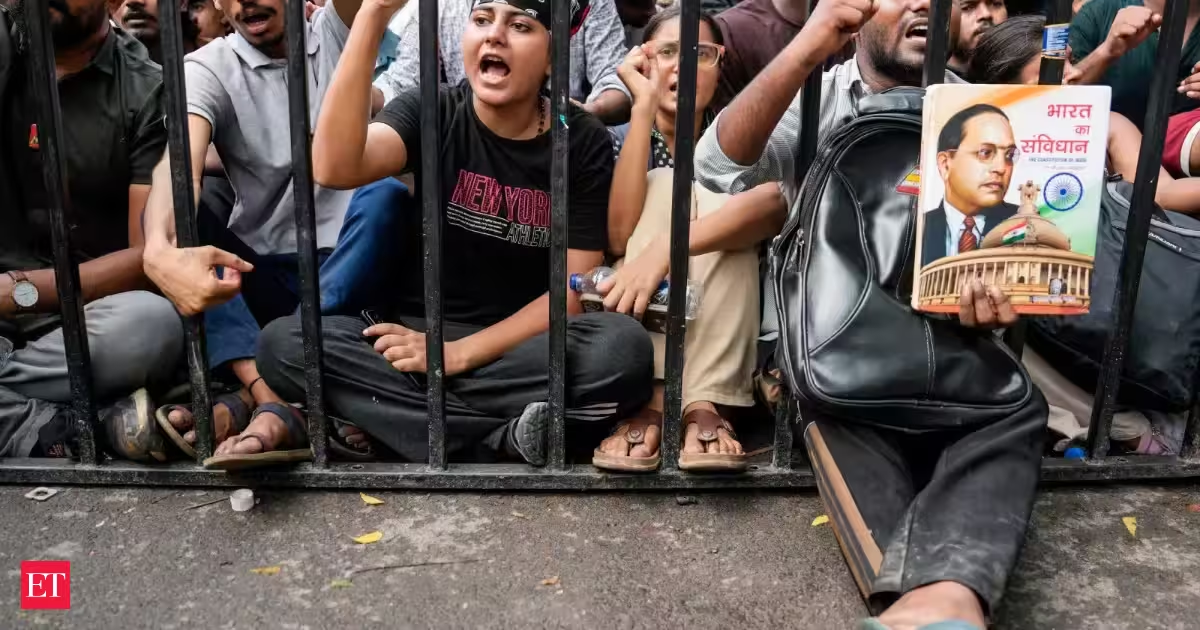
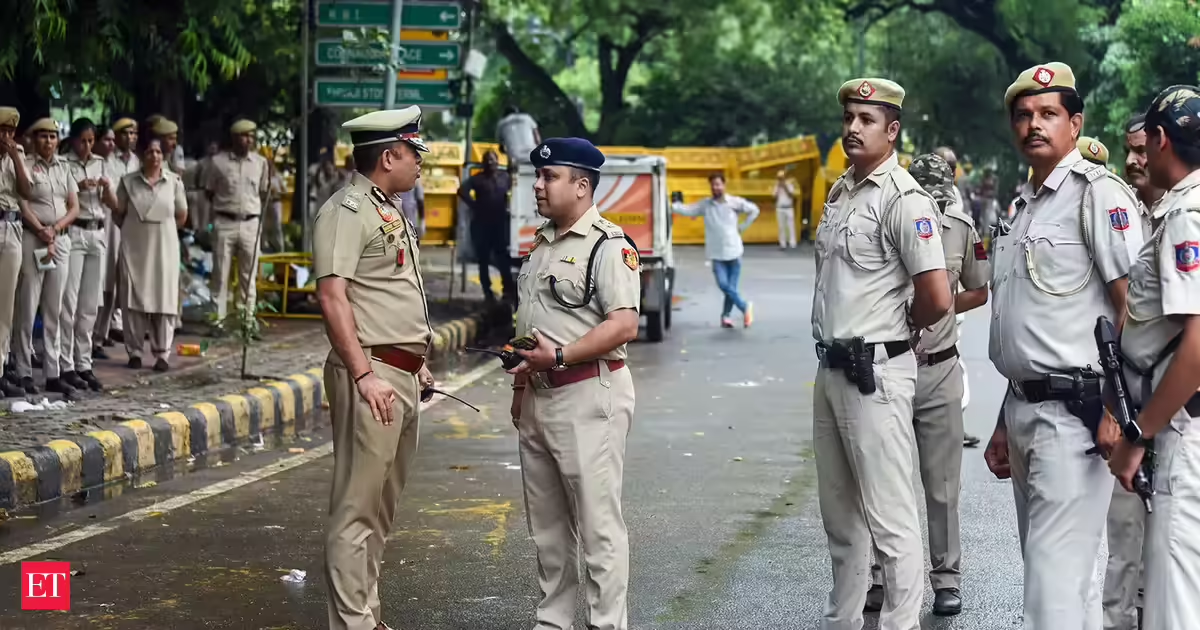
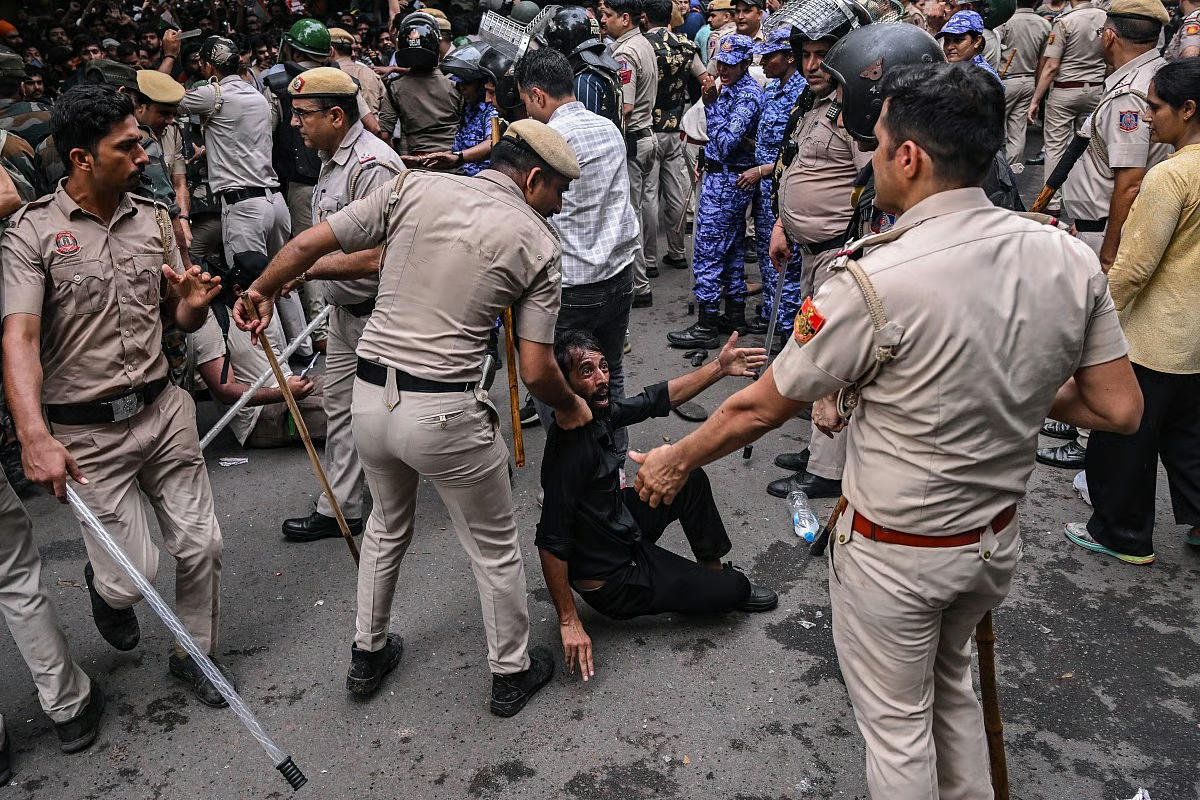
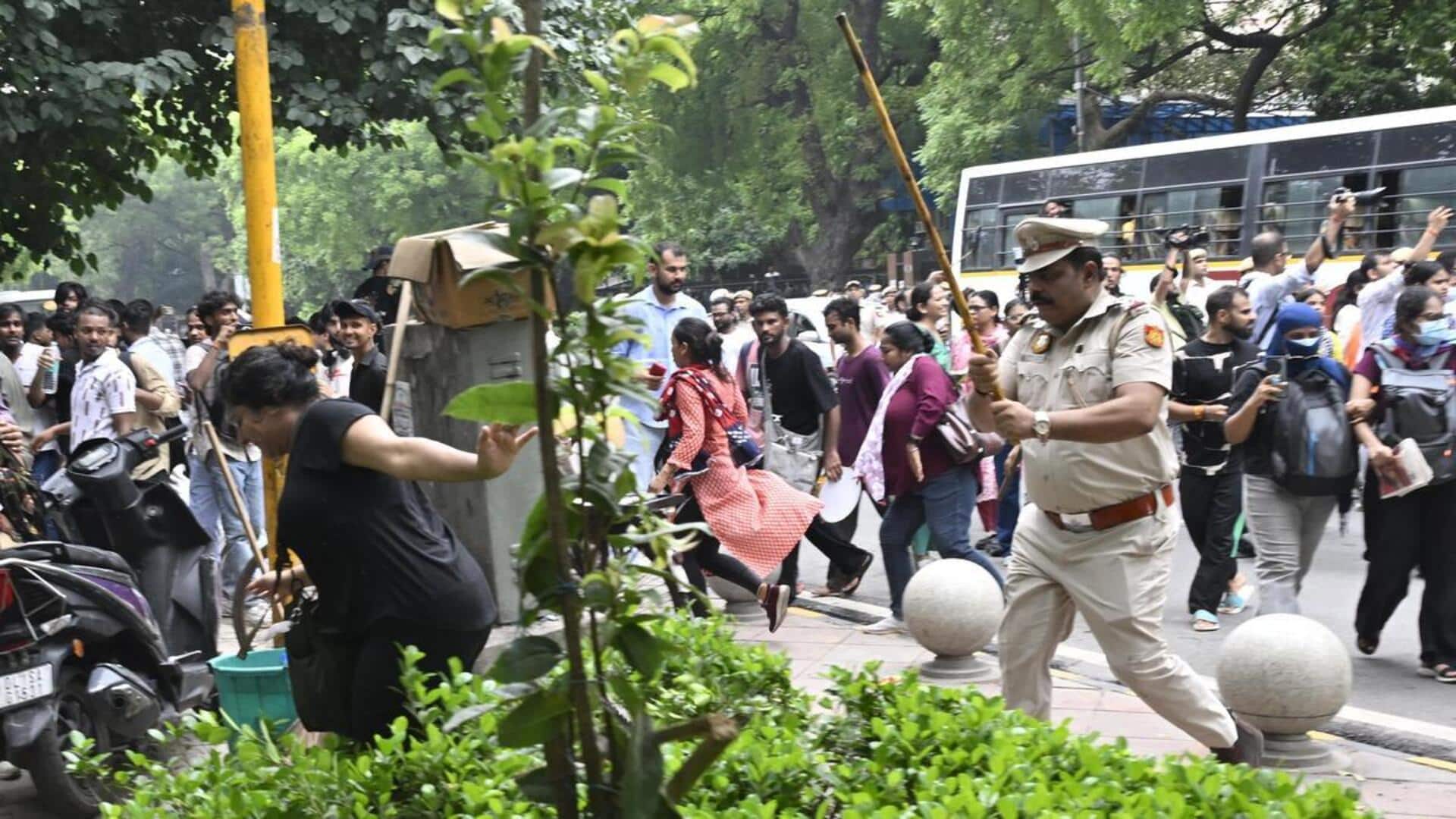
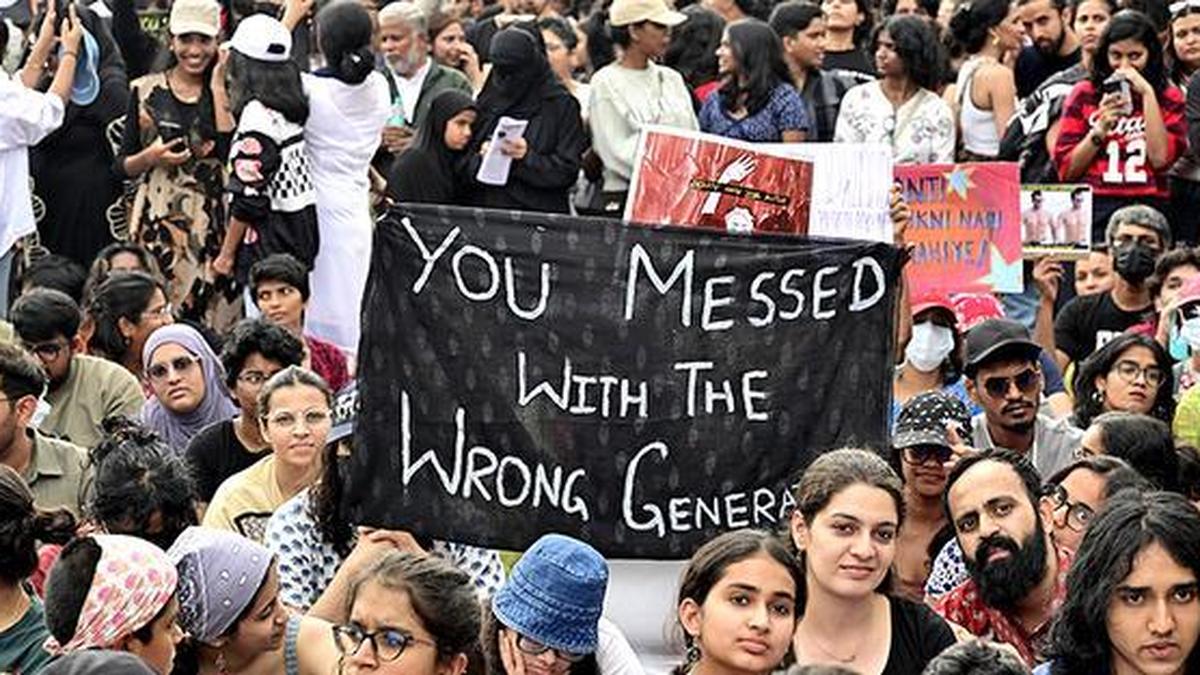
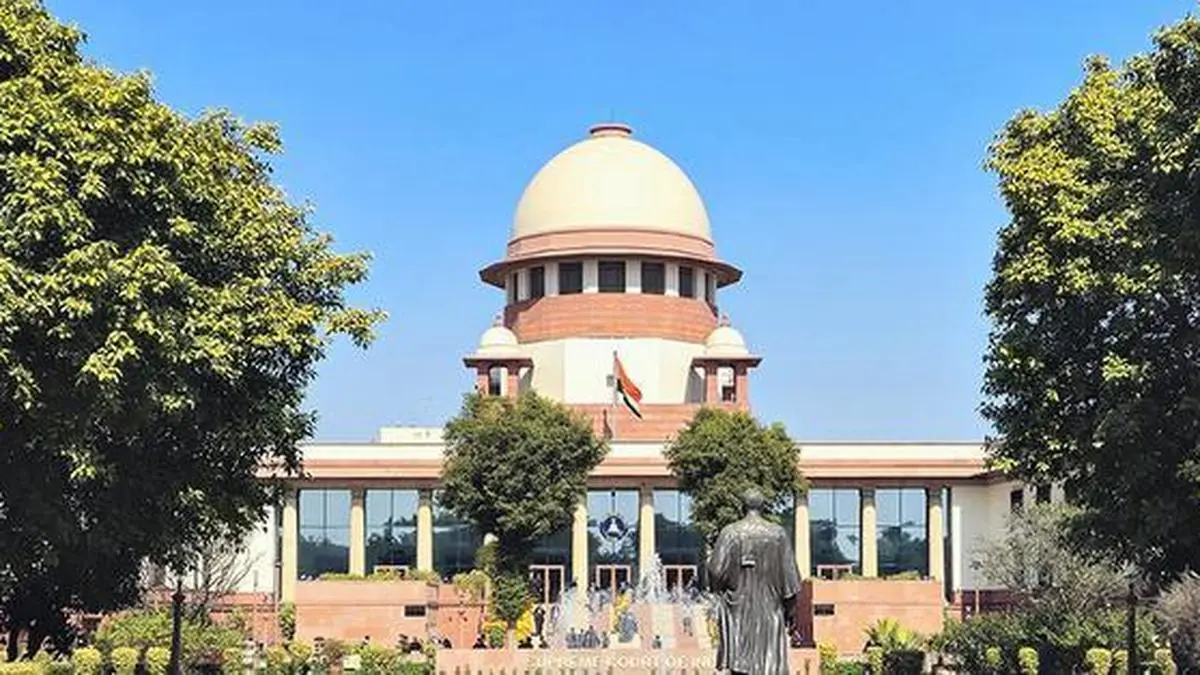
The Supreme Court on Thursday “completely agreed” with victims of pellet injuries sustained during the July 20 police crackdown during NEET-UG protests that the state must meet students’ protests and persons publicly demonstrating dissatisfaction about government policies with non-violence and not brutality.However, a three-judge Bench headed by Chief Justice of India Surya Kant said it was also aware of the possibility of unscrupulous elements “hijacking” a bona fide students’ protest, driving it into a spiral of violence.Balanced Approach“We are completely in agreement with the plea of no-violence principle when it comes to agitation of students or persons expressing dissatisfaction with a government policy… But there is also the question of elements hijacking students’ protests. A protest must have started with a bona fide purpose, but it may end up as a vehicle for various ulterior purposes… The hijacking may even be intended to sabotage the bona fide protests,” Justice Joymalya Bagchi, on the Bench, observed.The court said the police have to be prepared with graded responses, including the use of force, to every possible turn of events while dealing with a restive crowd.Justice Bagchi sounded the government on the dire need to arm the police with protective, rather than offensive, gear. This would give them the confidence to think before unleashing violence on protestors. The judge told the government that every person, including the policeman confronting a crowd, was only human.“The best way is to arm your police with defensive gear. That gives them the confidence to ponder... Everyone is a human being. If someone comes with a lathi at you, whether it is a policeman or other, if you wear a helmet, you would take a few more seconds to gauge the situation before deciding the course of action. These aspects must also be included in this debate here,” Justice Bagchi explained.The court was hearing a petition filed jointly by former IPS officer Yashovardhan Azad, Prashant Kumar Singh and Shekh Irshad Mansoori. The plea said the latter two were injured by pellets during the July 20 police action on crowds which had converged at Jantar Mantar during the Cockroach Janta Party protests for the resignation of then Education Minister Dharmendra Pradhan over the rampant paper leaks.The petitioners said the Rapid Action Force (RAF) personnel had fired pump-action guns, releasing a wide spray of splinter-like pellets, at fleeing protestors, many of whom had their arms raised in “surrender”. The petition, represented by advocate Vrinda Grover, said an RAF inquiry reportedly showed that seven rounds of pellets were fired by personnel at the protestors on July 20 at the Connaught Place region in the national capital.The petition argued that the use of projectile-activated guns (PAG) or pellet guns loaded with partly or wholly metallic pellets for crowd dispersal fails the constitutional tests of necessity, proportionality and reasonableness.“It amounts to an unconstitutional fetter on the right to freedom of assembly guaranteed by Article 19(l)(b) of the Constitution,” the petition said.The petitioners' first prayer to the court is for a direction banning these weapons from being deployed for crowd dispersal against civilian assemblies.But the court appeared hesitant to go for a blanket ban on pellet guns. The Bench said the petitioners, in such a case, would have to show that the very use of pellet guns in any situation of violence would violate constitutional rights.The court said it would examine particular incidents during which the police had used pellet guns indiscriminately or arbitrarily in violation of the standard regulations mapping graded responses for crowd control. The Bench said Grover may amend the “vague” prayer.It also asked Solicitor General Tushar Mehta to upload any standard regulations or protocol followed by the police in controlling unlawful assemblies.Chief Justice Kant said the court could intervene to frame protocol or guidelines in case of absence of any standardised regulations or if the force used by the police was found to be excessive.Grover urged the court to direct the Union government and the Delhi Police to preserve the duty logs, weapon and ammunition logs and register pertaining to RAF deployment on July 20. The senior lawyer said these records were not part of the documents directed to be preserved in the court’s previous orders.The court also directed the Delhi government to provide comprehensive treatment to Singh for his injuries.The Bench had previously ordered the safekeeping of footage from CCTVs, body cams, drones and other video evidence along with wireless and PCR communications.Published on July 30, 2026