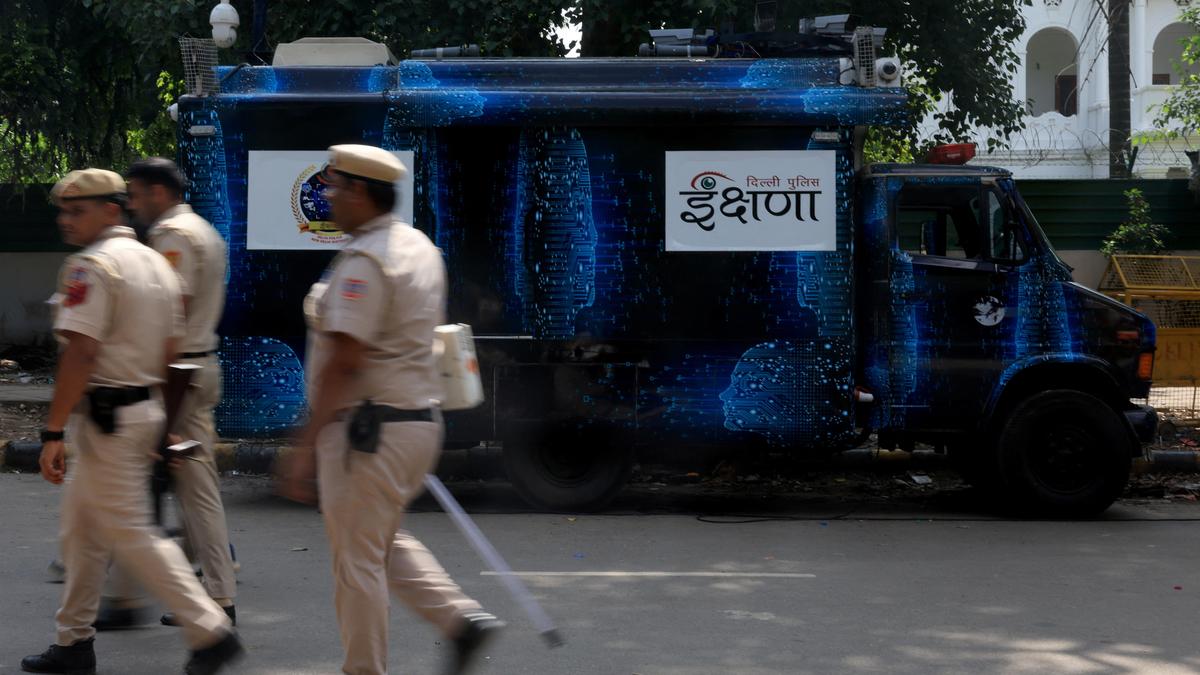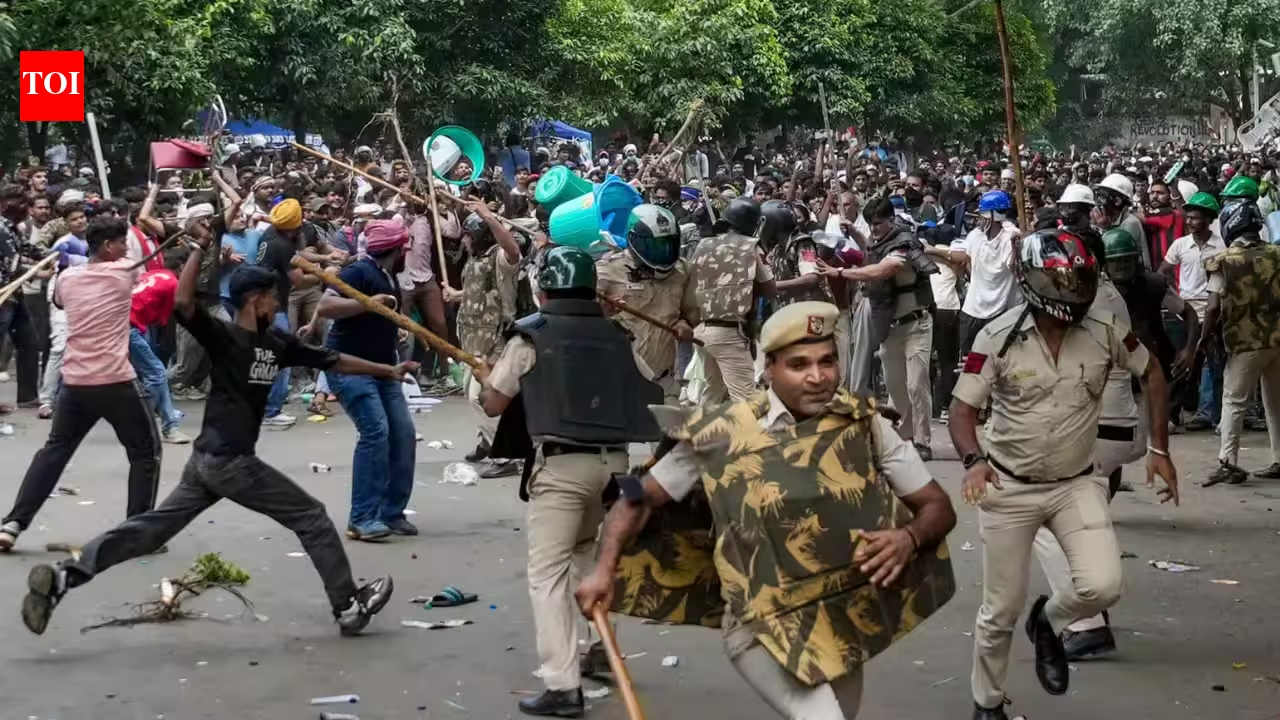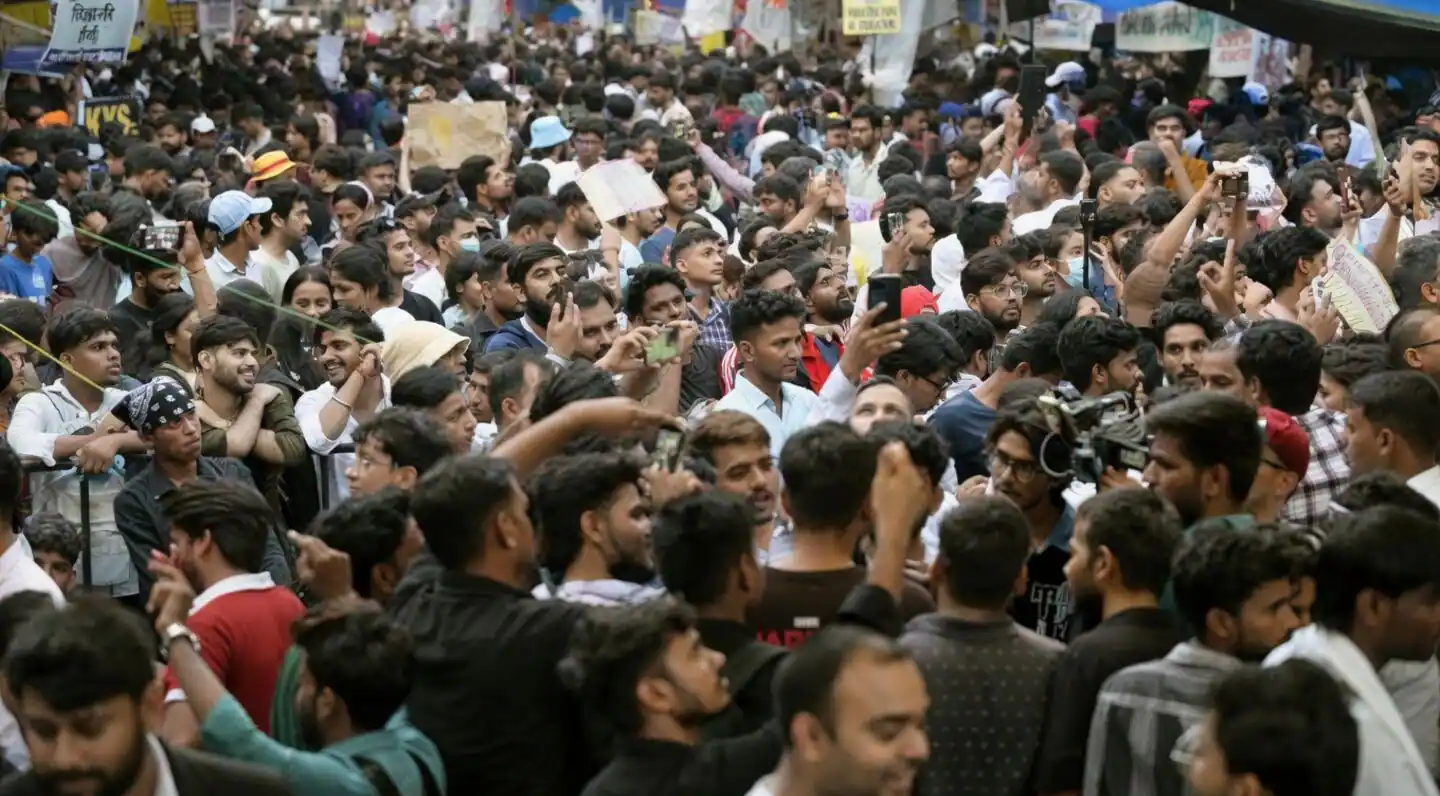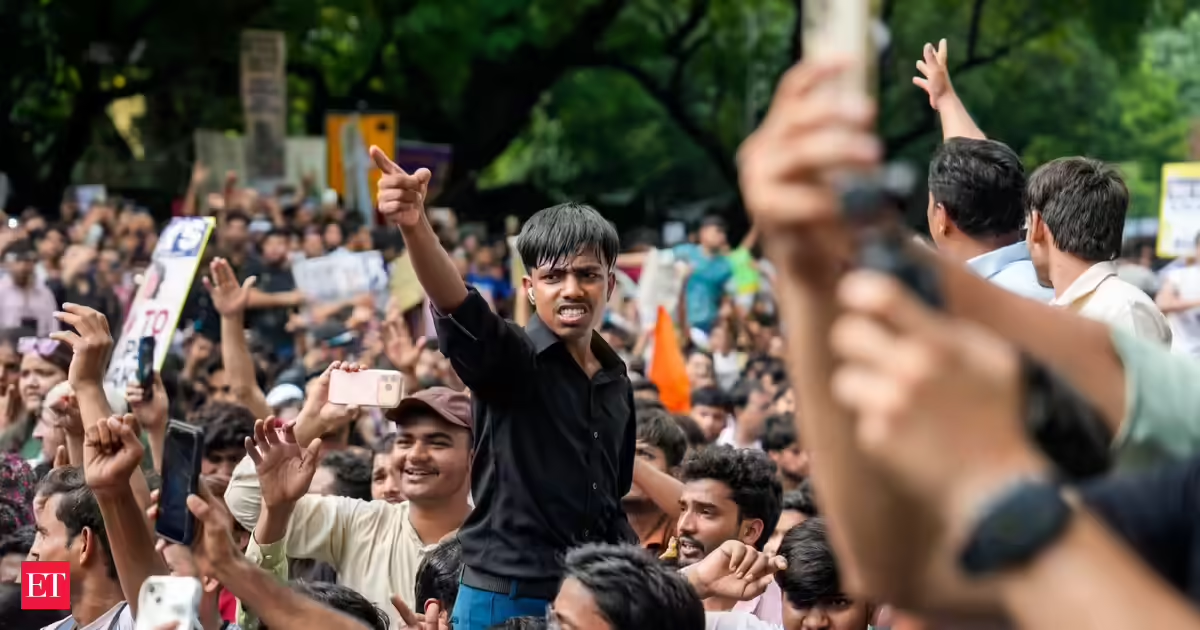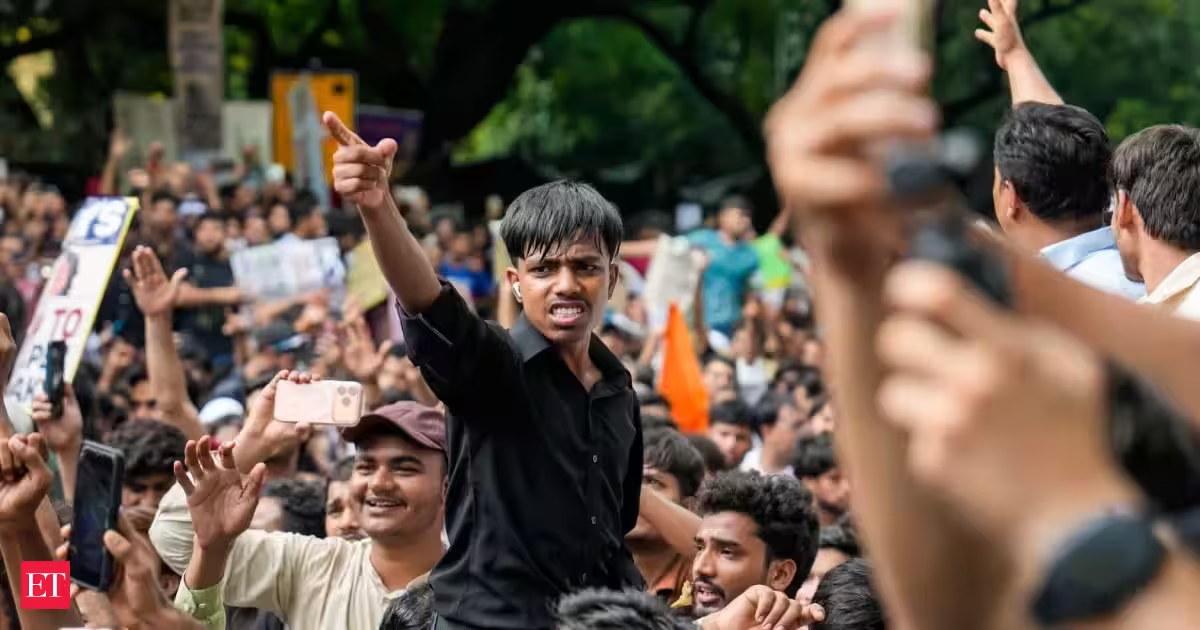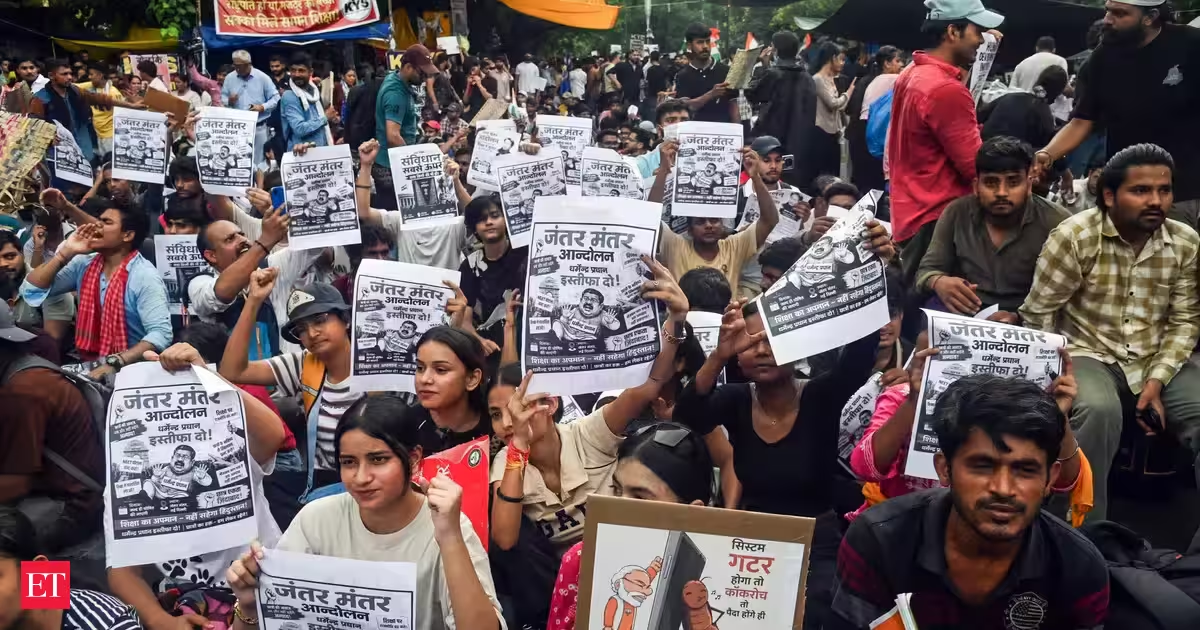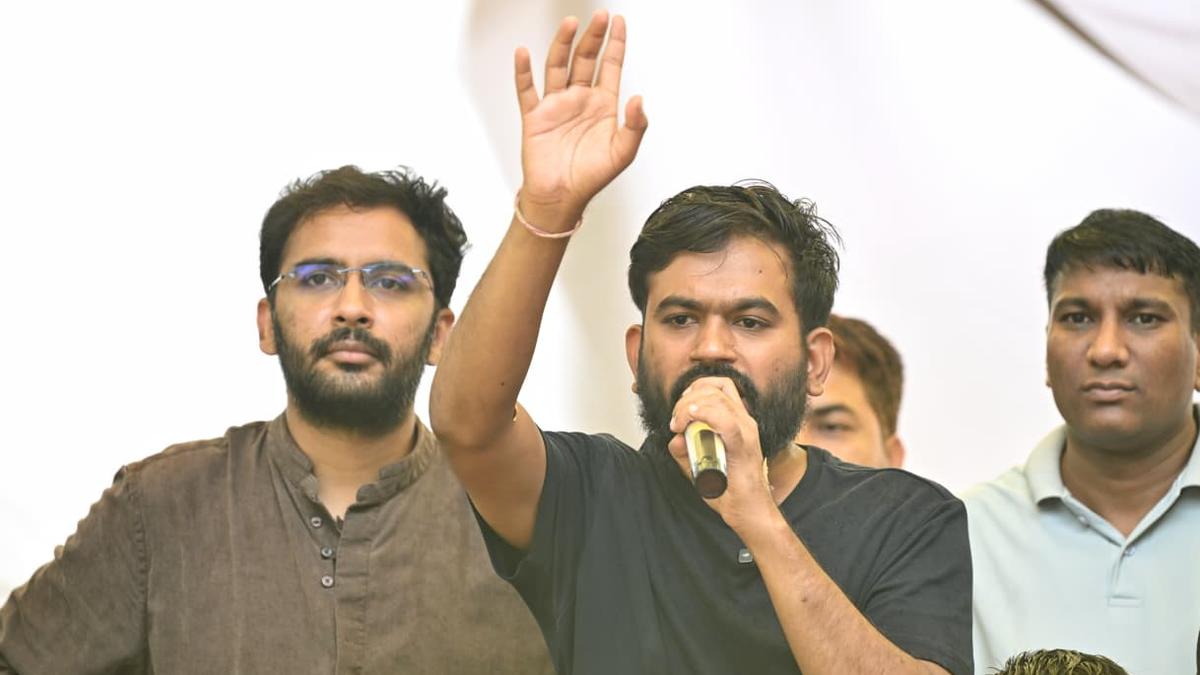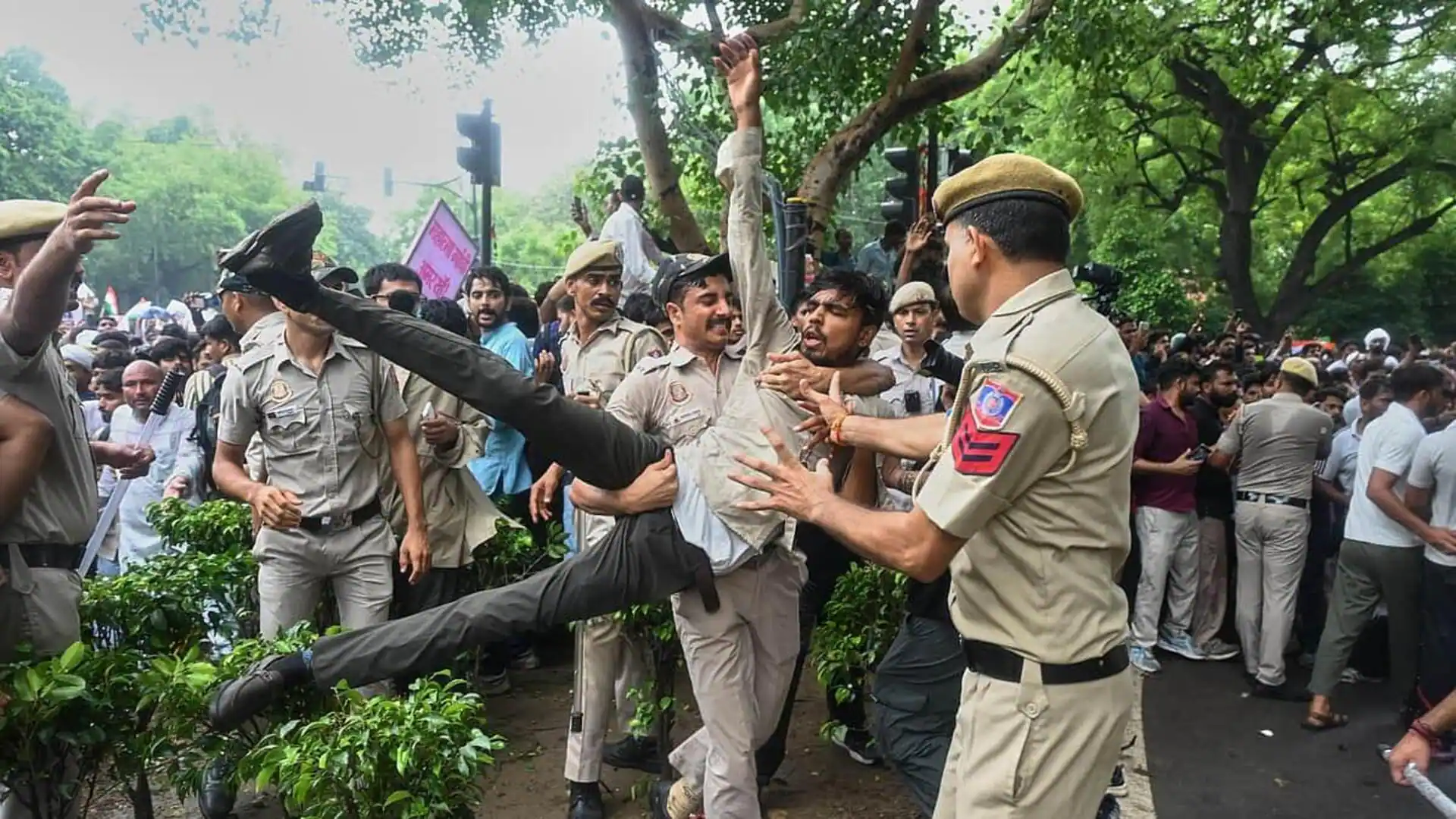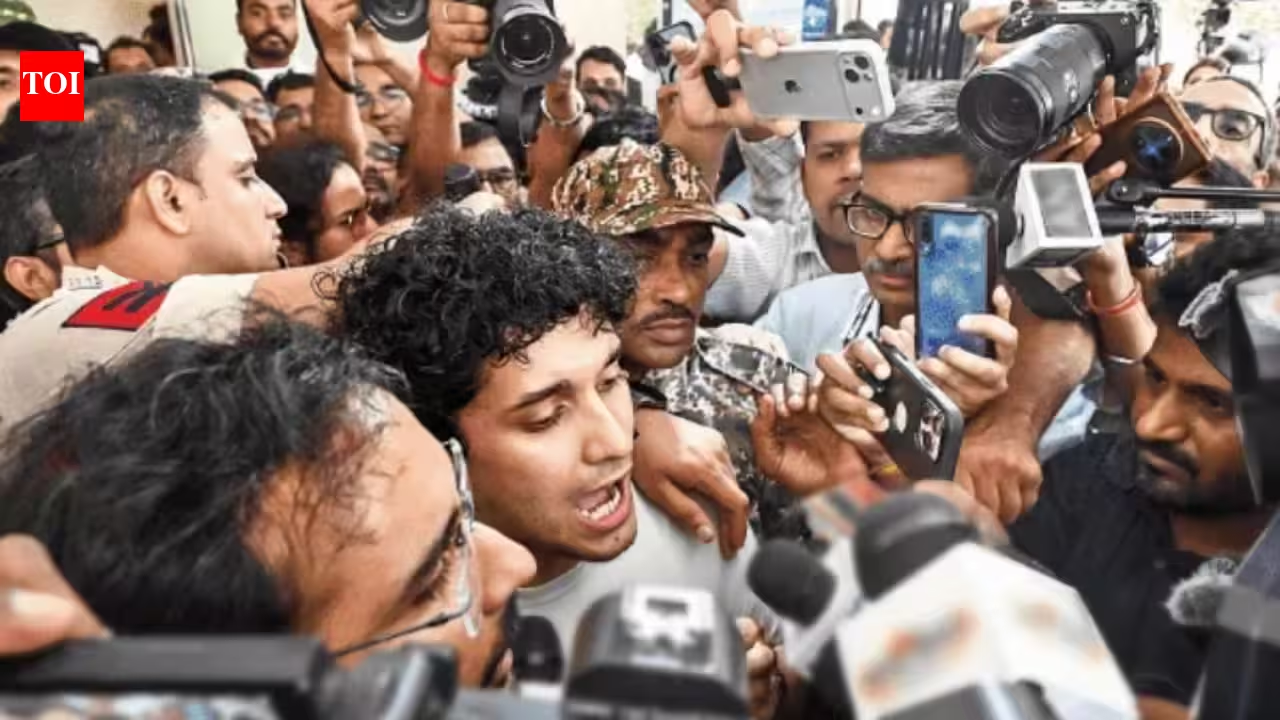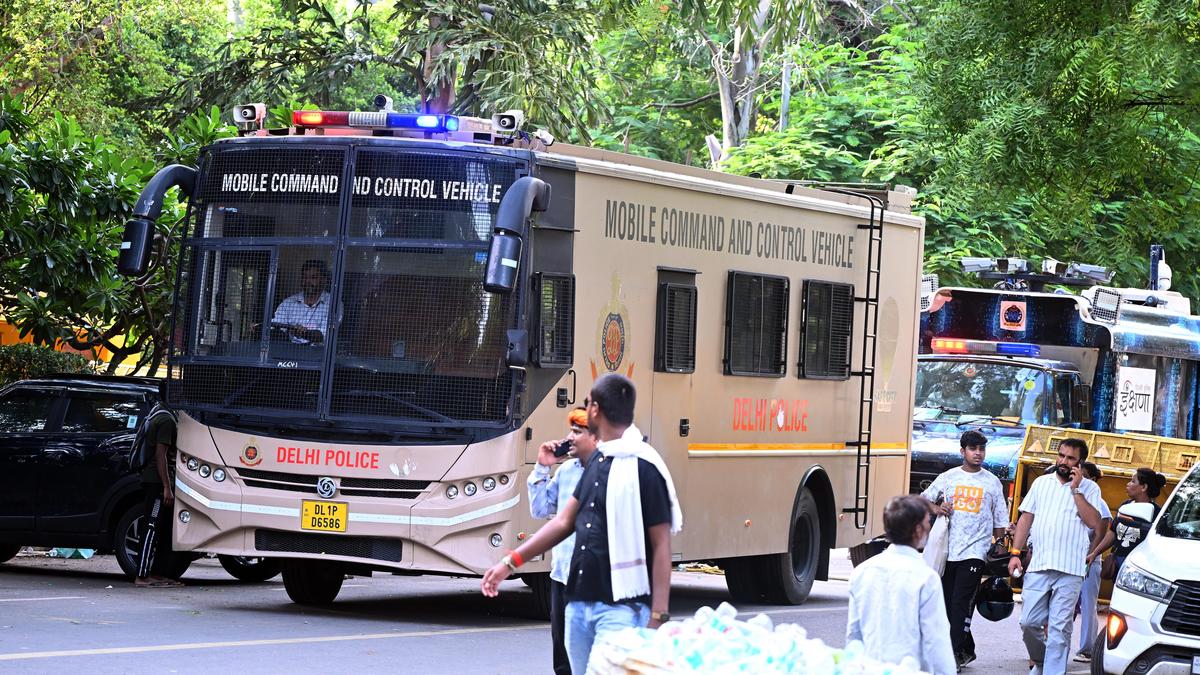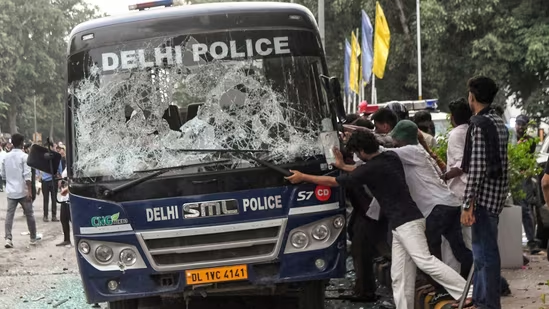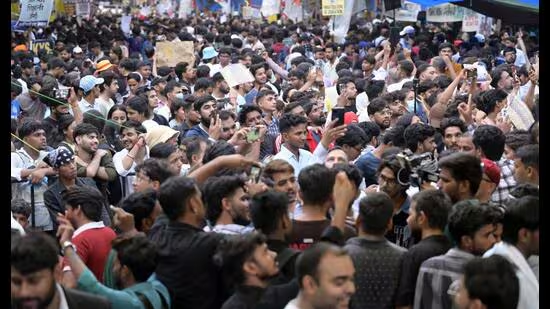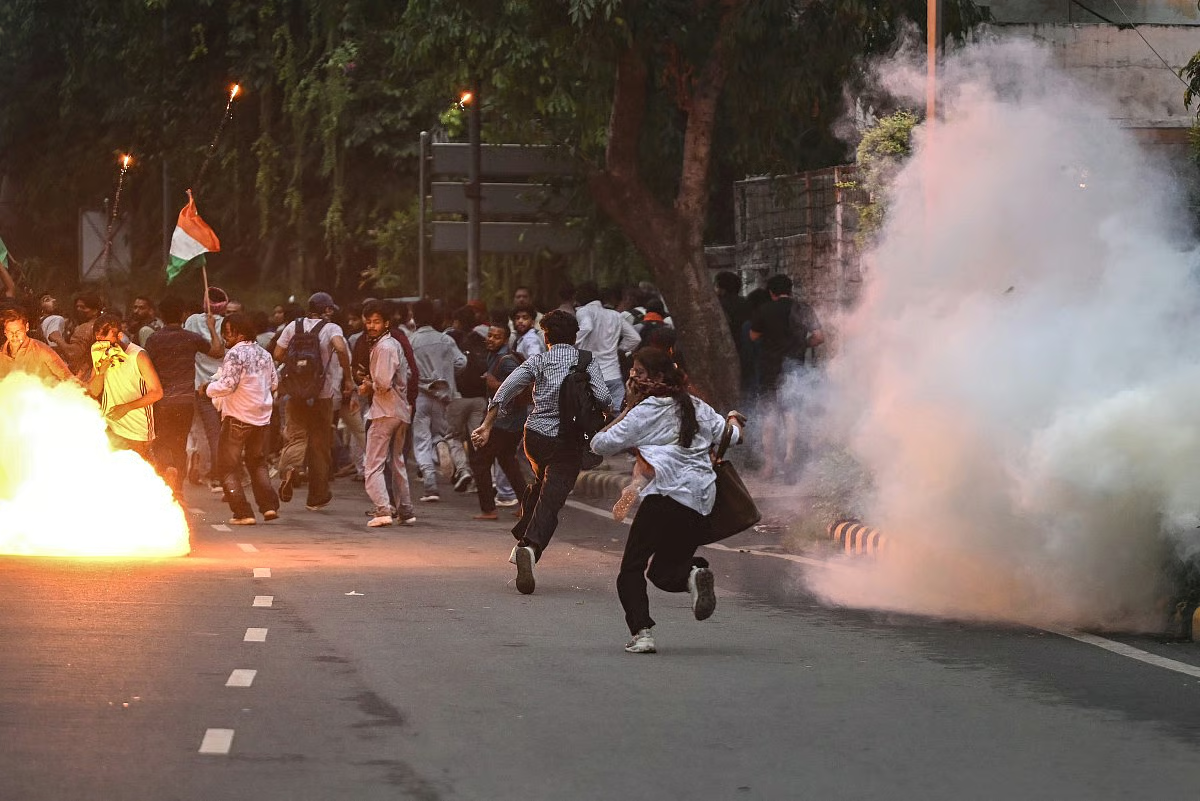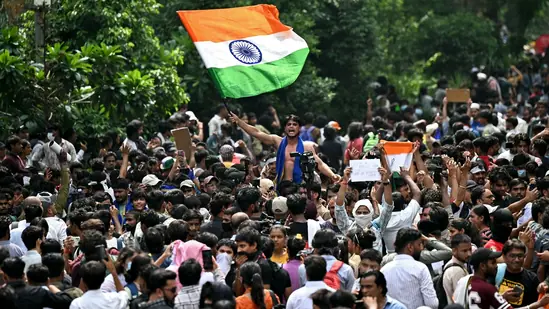
Delhi Police use facial recognition to verify 2,873 people from CCTV footage; officials say 989 had serious criminal antecedents. More than 100 people facing murder charges and hundreds accused in robbery, sexual offences, Arms Act and narcotics cases were among those identified through facial recognition during the violence at the Cockroach Janta Party's (CJP) march to Parliament, according to an internal Delhi Police report submitted to the government.CJP supporters at Jantar Mantar in New Delhi after education minister Dharmendra Pradhan resigned. (AFP)Police verified 2,873 people captured on CCTV footage allegedly attacking police personnel during the protest using Facial Recognition System (FRS). Of them, 2,402 were matched through the "Crime Kundli" database and 471 through the police dossier system. According to officials familiar with the probe, 989 of those identified had serious criminal antecedents involving heinous offences.Criminal antecedentsThe assessment found that 101 individuals were facing murder charges, 284 were booked in dacoity and robbery cases, while 92 were accused in offences against women and children, comprising 61 rape accused, 25 booked for molestation and six under the Protection of Children from Sexual Offences (POCSO) Act.The list also includes 229 people booked under the Arms Act, 135 accused in snatching cases, 67 under the Narcotic Drugs and Psychotropic Substances (NDPS) Act, 19 in kidnapping cases, and 62 accused in attempt-to-murder cases.Officials said many of those identified were habitual offenders with multiple criminal cases against them.According to officials, 42 of the 101 murder accused had been booked in two or more criminal cases, while 12 had criminal histories spanning at least 10 cases. Similarly, 155 of the 284 robbery and dacoity accused had multiple criminal cases against them, including 31 who had been booked in 10 or more cases.Breakup of cases against the habitual offenders identified by officials.Suspects identifiedThe report also maps the identified individuals district-wise. The highest number of those with criminal antecedents were linked to North district (285), followed by Outer district (257) and North West district (256). Other districts with significant numbers included North East (174), East (173), South West (166), Railways (147), Shahdara (139) and Central (138).The report contains individual profiles of those identified, including their names, photographs captured during the protest, FIR details, police stations concerned, criminal histories and the time at which the facial recognition system recorded the match.Area-wise breakupThe findings are expected to form part of the investigation into the CJP protest violence.Parliament march violenceThe CJP-led agitation began last month after the NEET examination was scrapped over an alleged paper leak, with students demanding the resignation of then Union education minister Dharmendra Pradhan and reforms to the examination system.The protest at Delhi's Jantar Mantar gathered momentum after activist Sonam Wangchuk joined it on an indefinite hunger strike. On July 20, thousands of protesters attempted to march to Parliament, triggering clashes after police stopped the procession.The 37-day protest ended on July 25 after the Centre accepted key demands, including Pradhan's resignation and the setting up of a Nandan Nilekani-led task force to overhaul the examination system. CJP leaders also claimed the government had assured that no legal or police action would be taken against protesters or volunteers.The presence of people with a criminal past at the protest is likely to add a fresh dimension to the investigation, amid competing claims over police excesses and attacks on security personnel.Follow the latest breaking news, major developments and agenda-setting stories from India and around the world with the newsdesk at Hindustan Times. Operating round the clock, the desk brings together experienced editors, reporters and correspondents to deliver fast, accurate and contextual reporting across subjects that influence public policy, governance, business, society and international affairs.
Murder, rape, narcotics: Police find crime suspects involved in CJP protest violence
Delhi Police use facial recognition to verify 2,873 people from CCTV footage; officials say 989 had serious criminal antecedents. | India News
802 words~4 min read