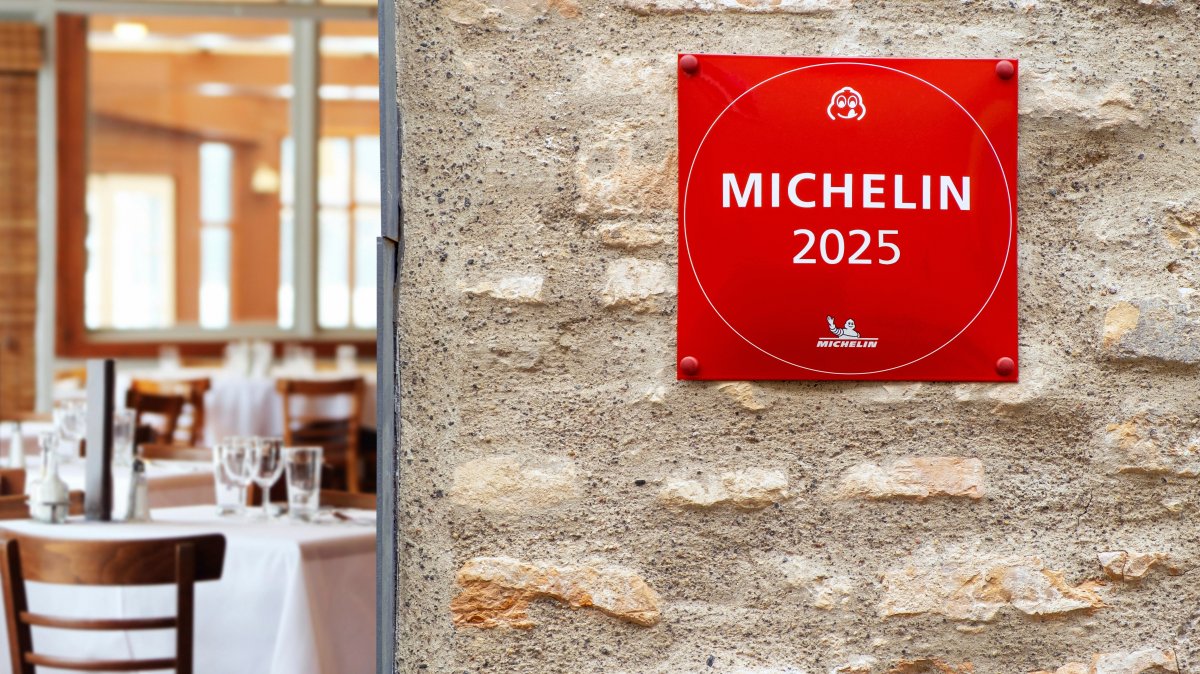
A century ago, motorists winding their way through France gained a new option when choosing where to stop for a meal: the Michelin star.
The Michelin Guide had first appeared in 1900, the brainchild of tire magnates André and Édouard Michelin, based in the modest French town of Clermont-Ferrand.
Their clever marketing ploy involved handing out 35,000 free copies of a little red guidebook to drivers. It was packed with practical details including maps, tips for repairs, listings of garages, places to stay — and places to eat. The underlying strategy was simple: get people driving more, so their tires would need replacing sooner.
The concept caught on fast, so in 1926 the guide first hired undercover diners — today called Michelin inspectors — who chose 46 restaurants as worthy of extra attention, awarding each one star.
The now familiar one-, two- and three-star rating system followed in 1931, then five years later Michelin laid out the ranking criteria still used today: a single star signals “high-quality cooking, worth a stop”; two stars mean “excellent cooking, worth a detour”; and three stars are reserved for “exceptional cuisine, worth a special journey.”