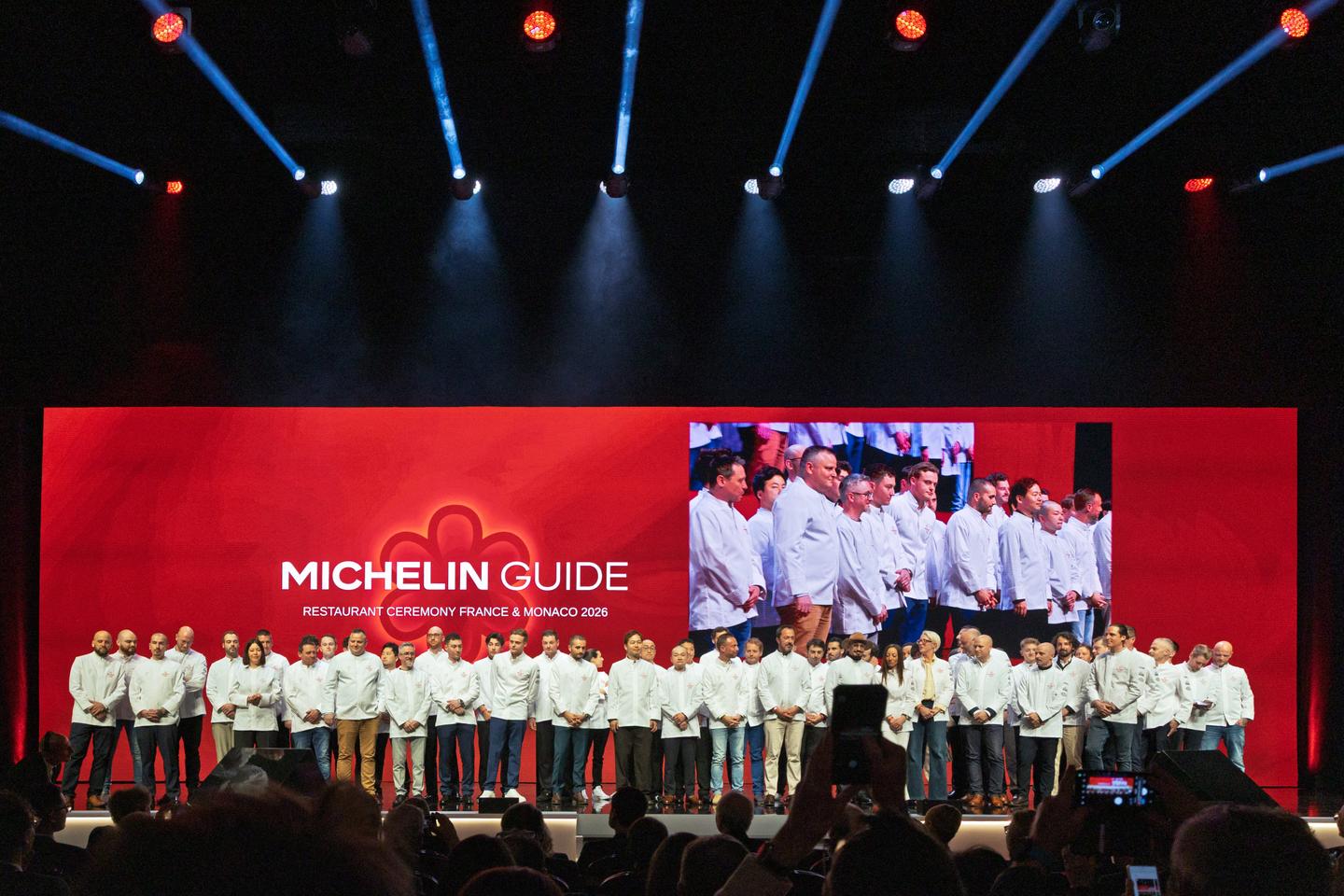
Founded at the start of the 20th century by French tire-makers, the Michelin Guide has evolved from being a practical handbook for motorists to the world’s star-studded reference in gastronomy and hospitality.
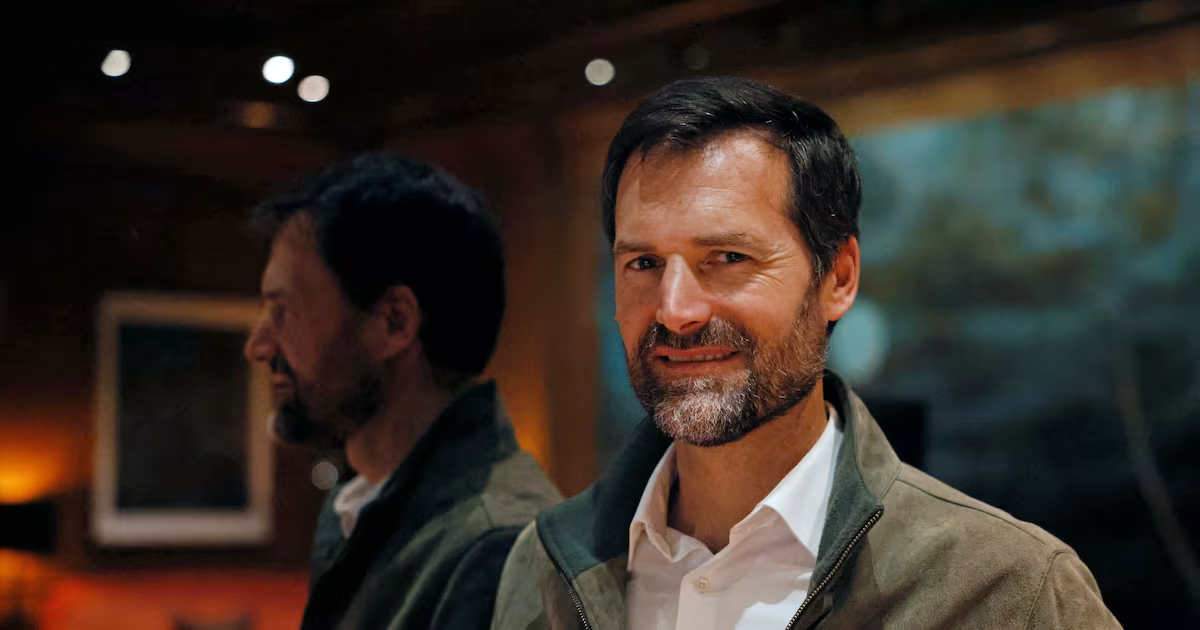
Yet despite its global reach, there are still places beyond the Michelin Guide’s reach — something that its international director Gwendal Poullennec is seeking to change. In an exclusive interview with Reuters, Poullennec discussed the history and influence of the Michelin Guide on global gastronomy, its role in exporting the French "art de vivre” and where its focus may expand to next.
Poullennec described joining the Michelin Guide as “a dream job,” driven by a desire to explore global food cultures. He said he has traveled to more than 70 countries to discover cuisines and meet the people shaping the industry, noting that “new culinary scenes are emerging almost everywhere” as global food culture continues to evolve.
The Michelin Guide was created in 1900 as a practical tool for early motorists. Originally a marketing product for Michelin tires, it helped drivers navigate roads, maintain their vehicles and find places to rest and eat. Over time, it shifted from a travel aid into a broader lifestyle reference.