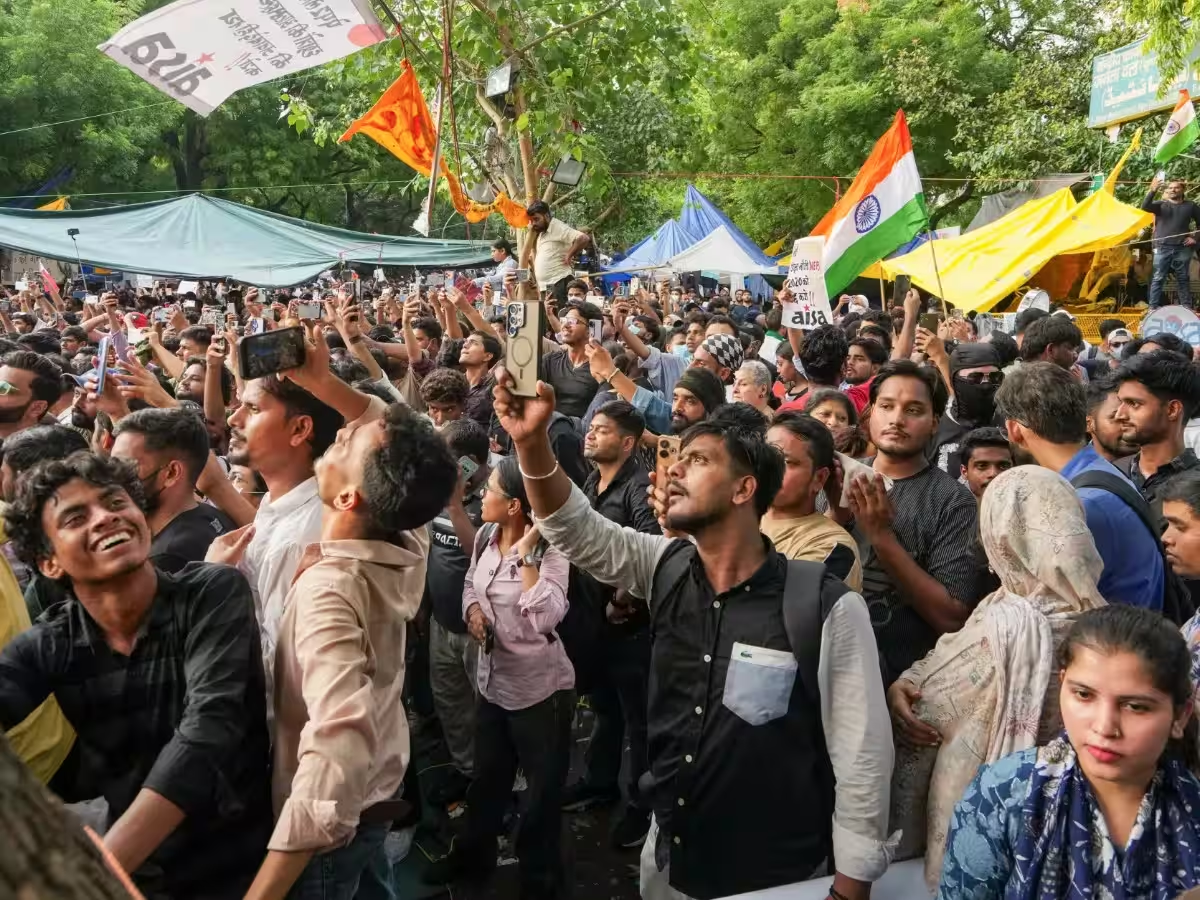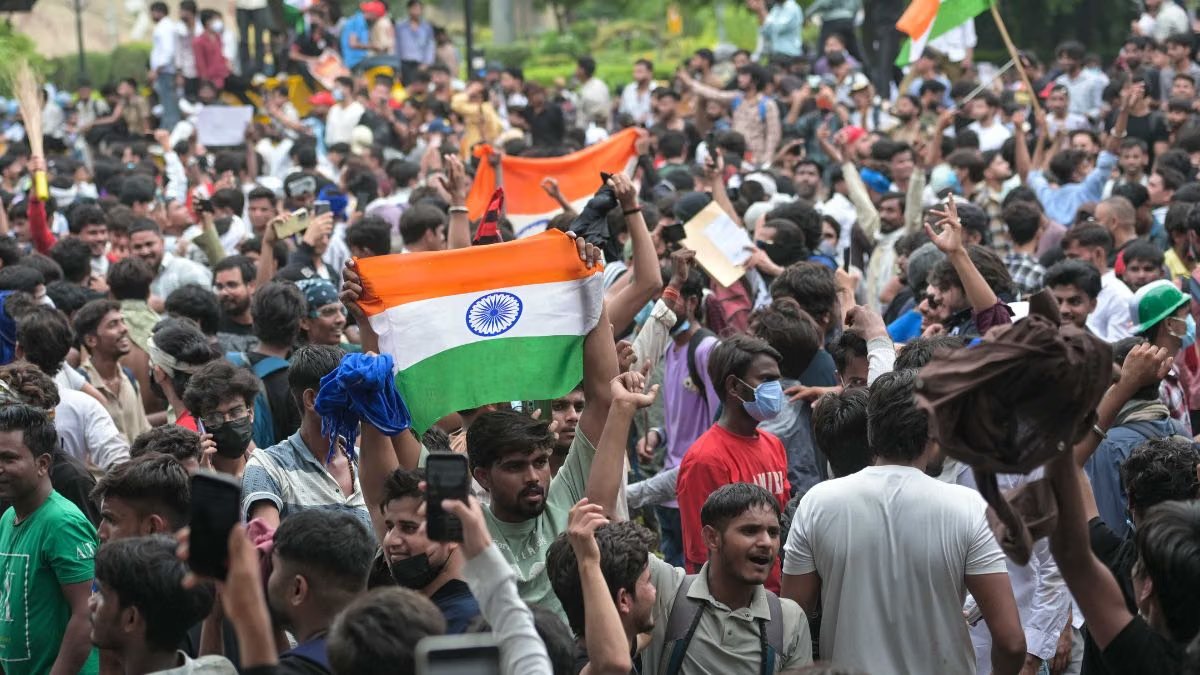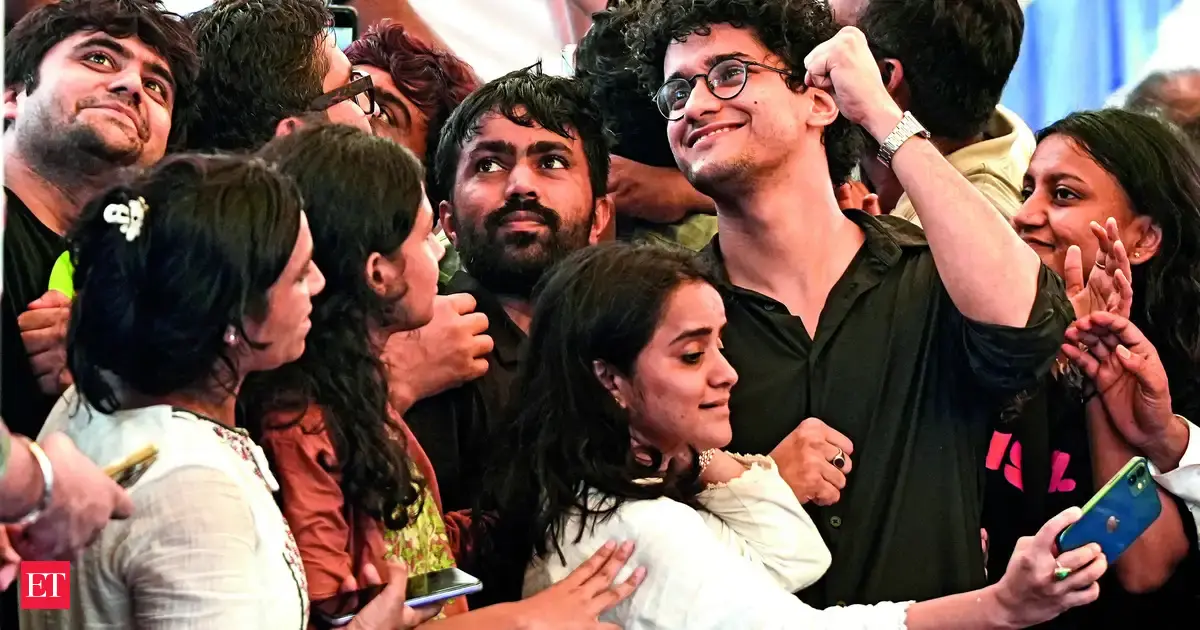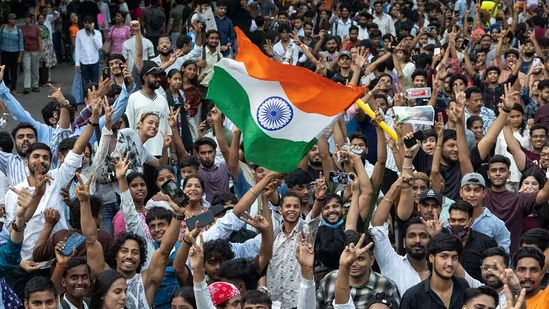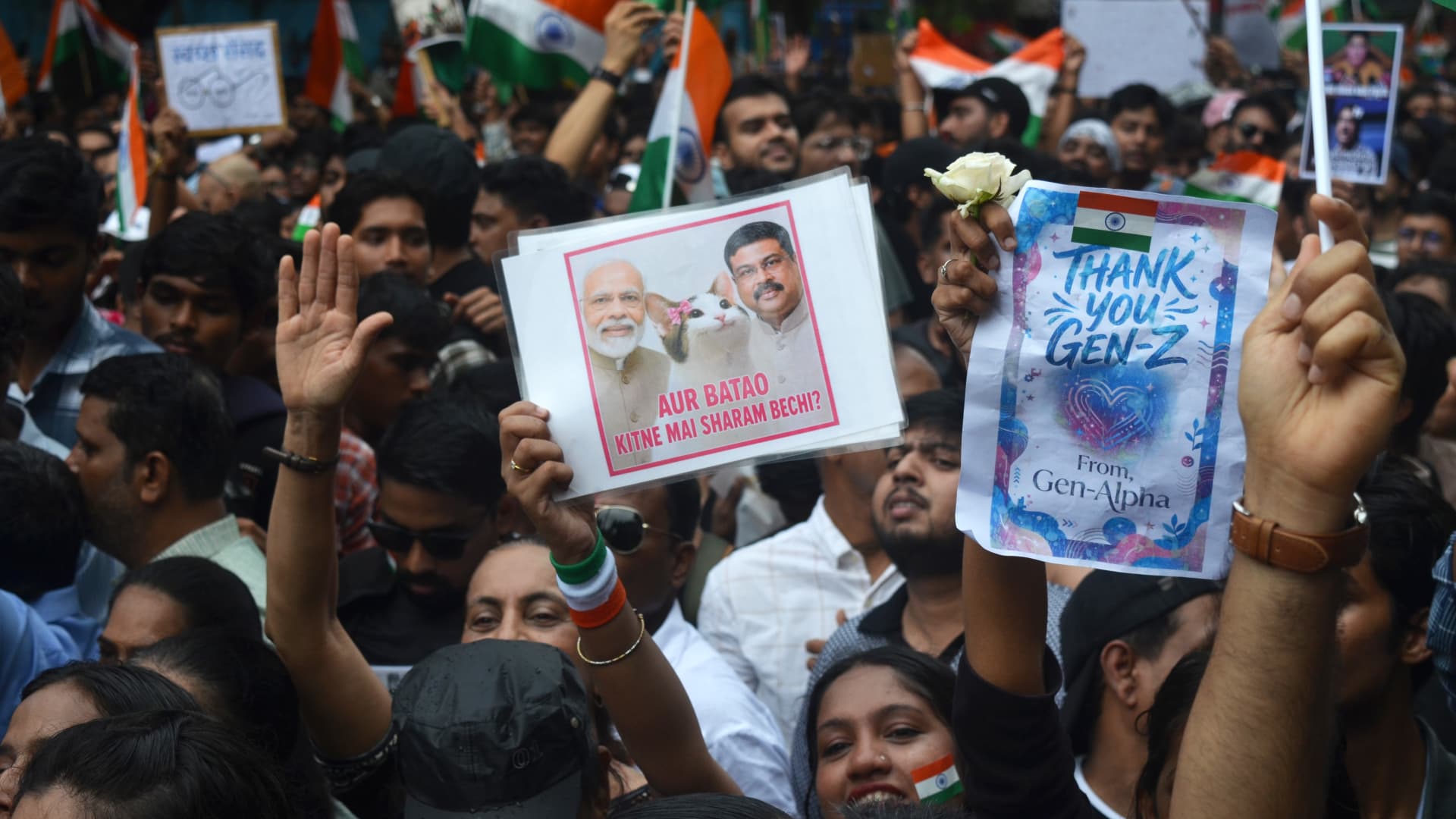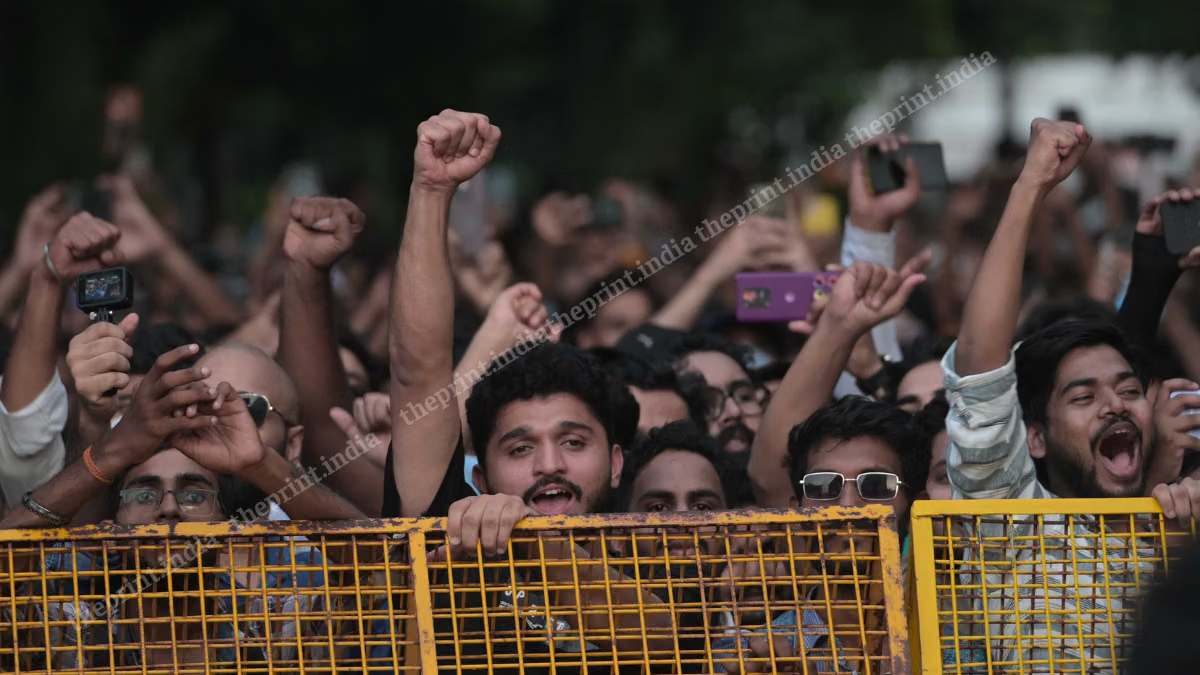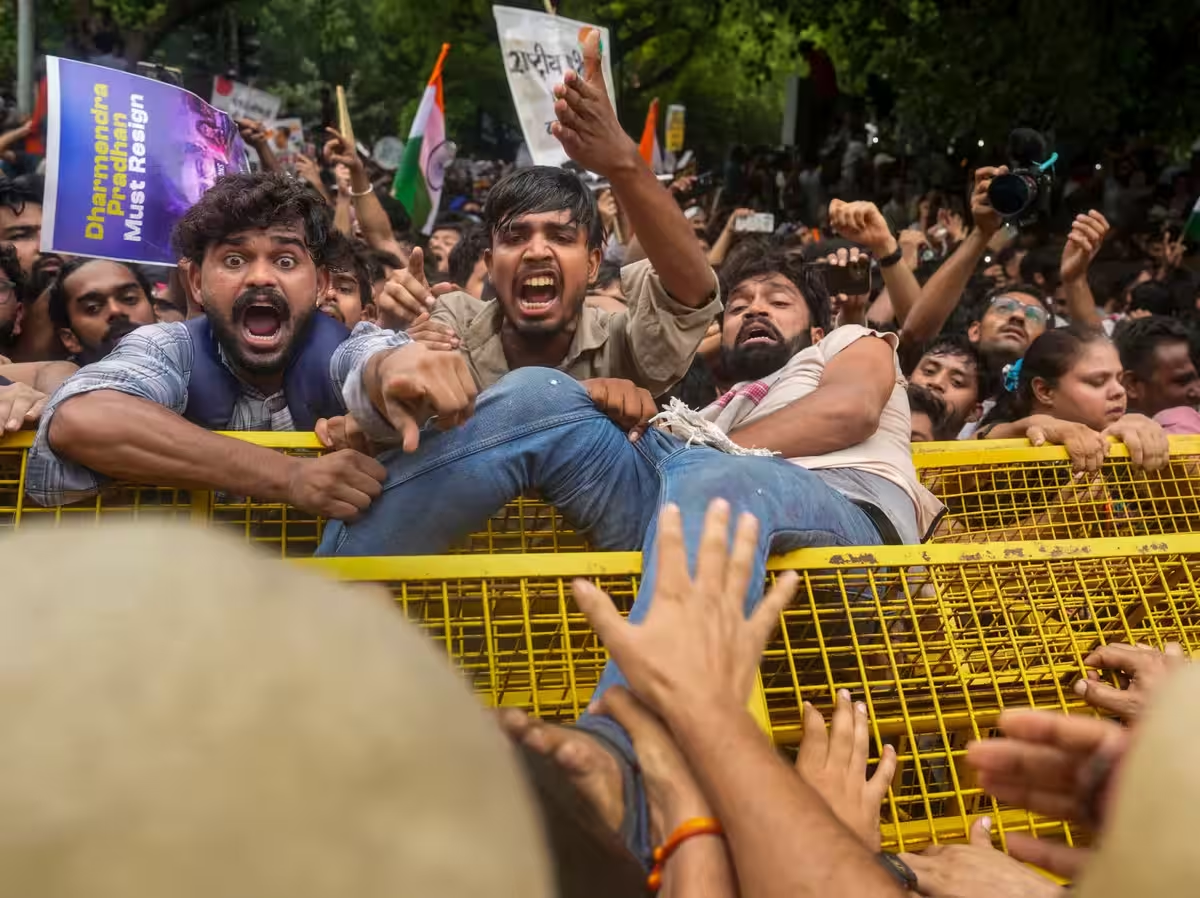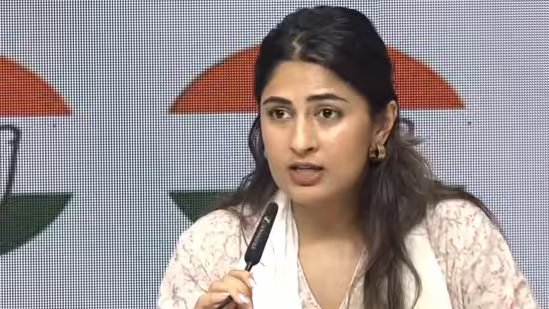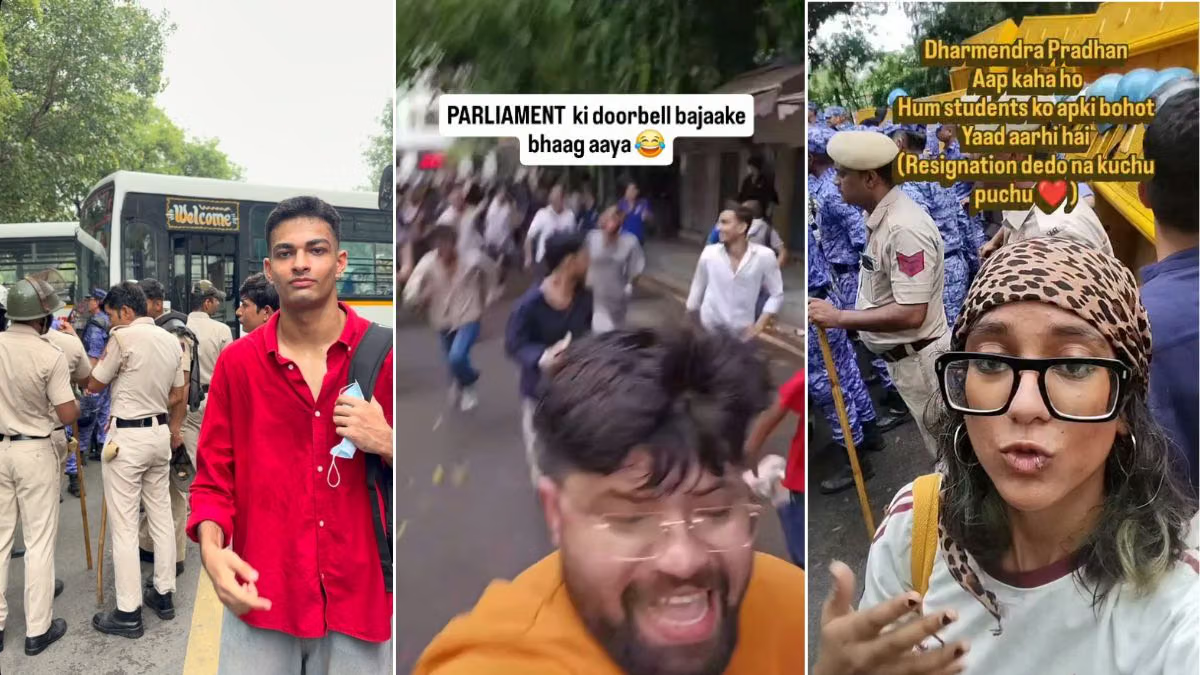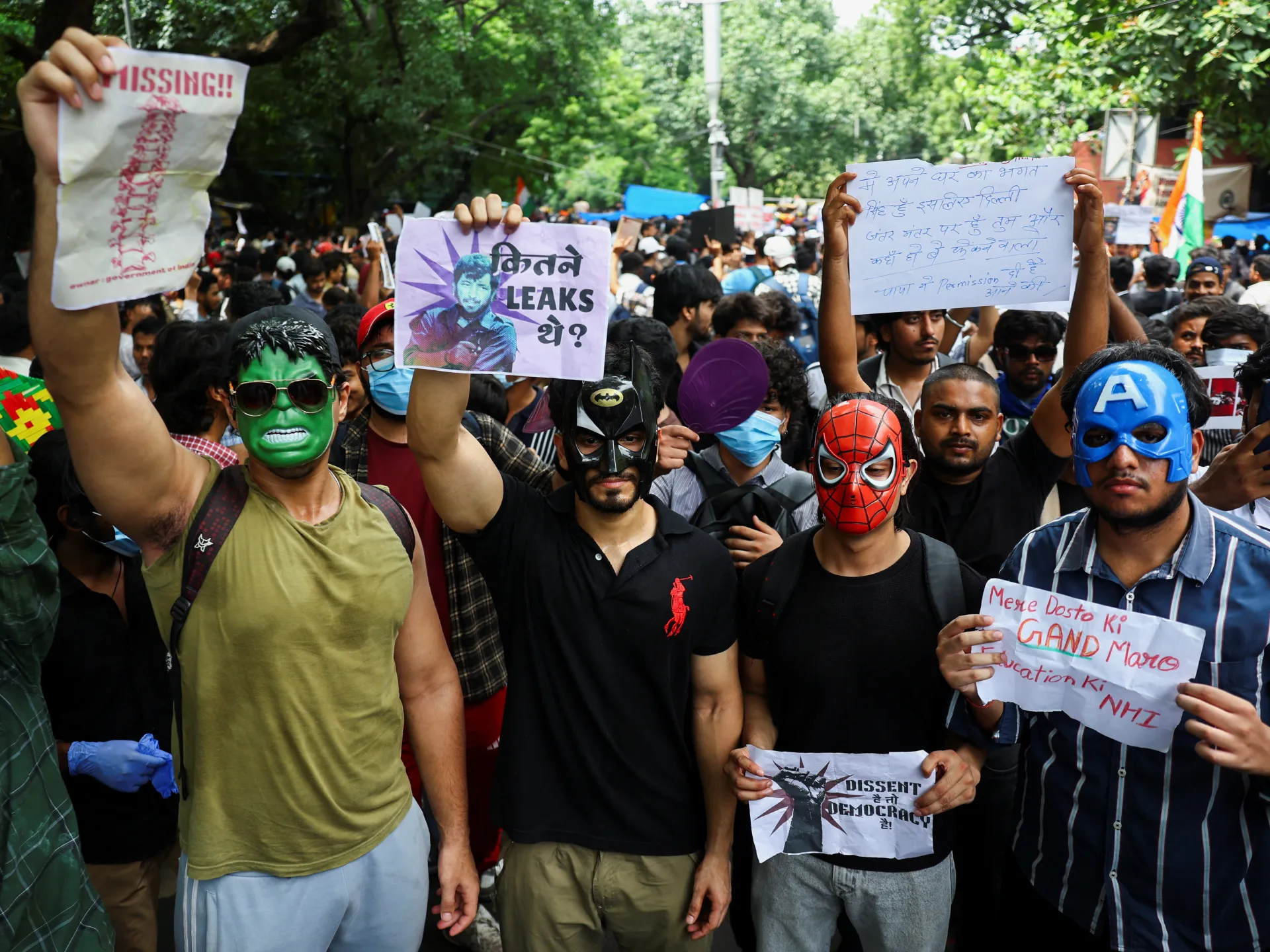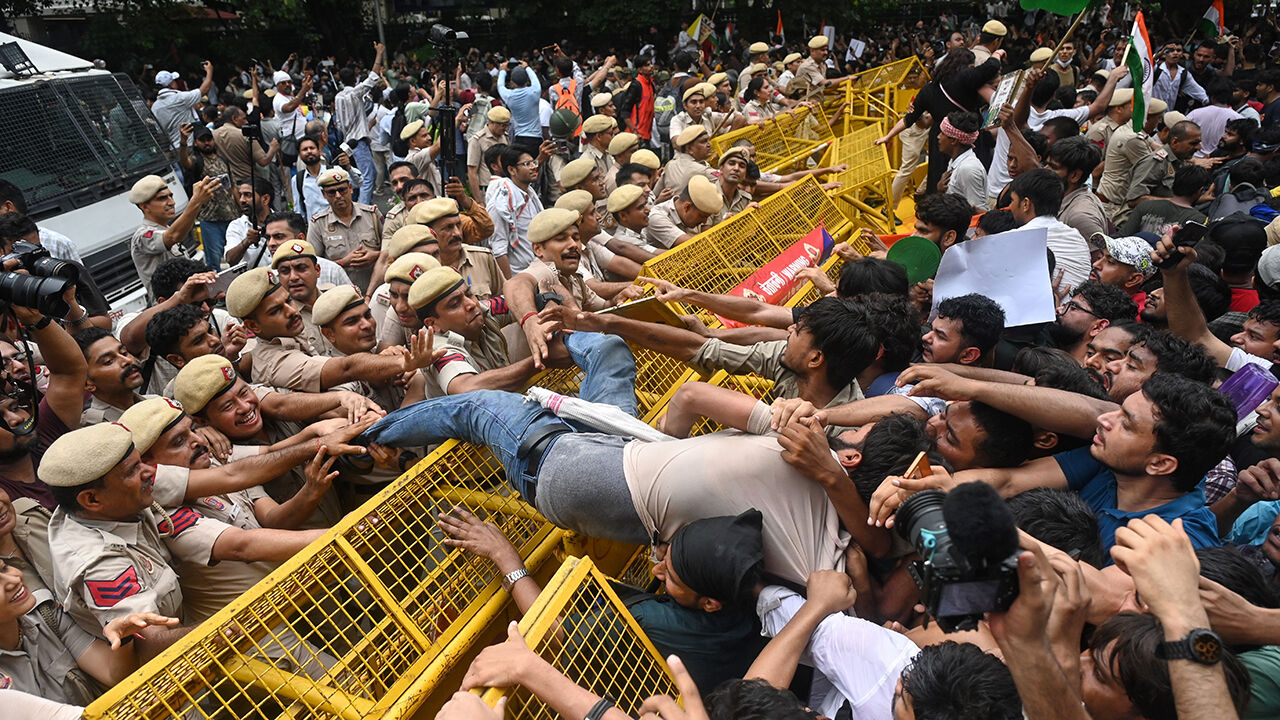
Long before the police lathi-charged the Gen Z protesters in Delhi, Aishe Ghosh was attacked by masked men wielding iron rods, sticks and acid, on her college campus in January 2020, as the police stood by. A photo of the petite student leader, injured after she confronted the attackers, blood pouring down her forehead, went viral then.Ghosh, now 30, was at the Jantar Mantar protests from the start and participated in a symbolic three-day fast when activist Sonam Wangchuk was hauled out of the venue by the Delhi Police. Her postmortem of the biggest protest India has seen in years is important because she was at the forefront of the 2019 protests against the Citizenship Amendment Act (CAA) and the National Register of Citizens (NRC). “We were the Gen Z of that moment,” she says, confirming that she feels a strong sense of déjà vu.When the anti-CAA/NRC protests began, Ghosh, who represented left-wing student groups (Students’ Federation of India, SFI), was a freshly-minted student union president at Jawaharlal Nehru University (JNU). She had won with a comfortable margin against her rival from the Hindu right.The protests deeply impacted Ghosh, who had grown up in industrialised Durgapur, West Bengal, with a machine operator father and a homemaker mother. Her father was associated with a labour organisation and she was familiar with trade unions and strikes. In 2021, she became the first sitting president of the JNU students’ body to contest an Assembly election. She fought on a CPI(M) ticket and lost. She remains the national joint secretary of the SFI.
Column | 'We were the Gen Z of that moment’: student leader Aishe Ghosh
Aishe Ghosh reflects on the evolution of student dissent and the importance of political awareness among today's youth.
933 words~4 min read