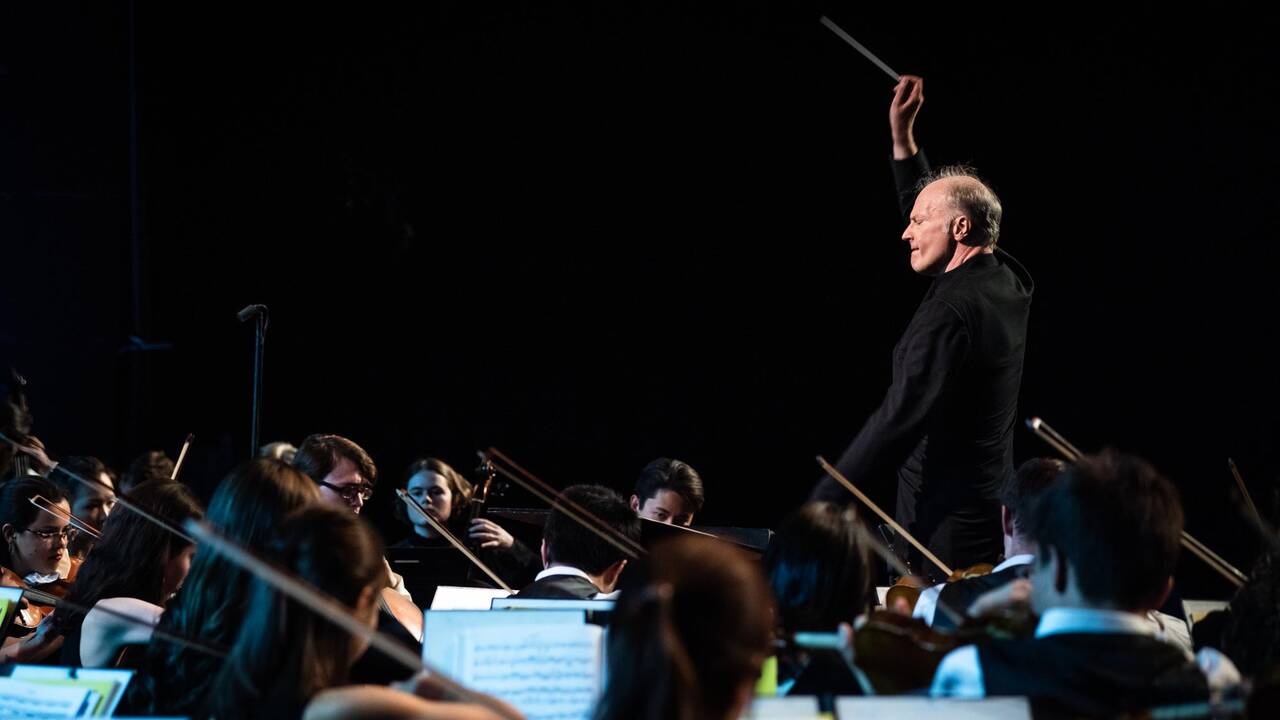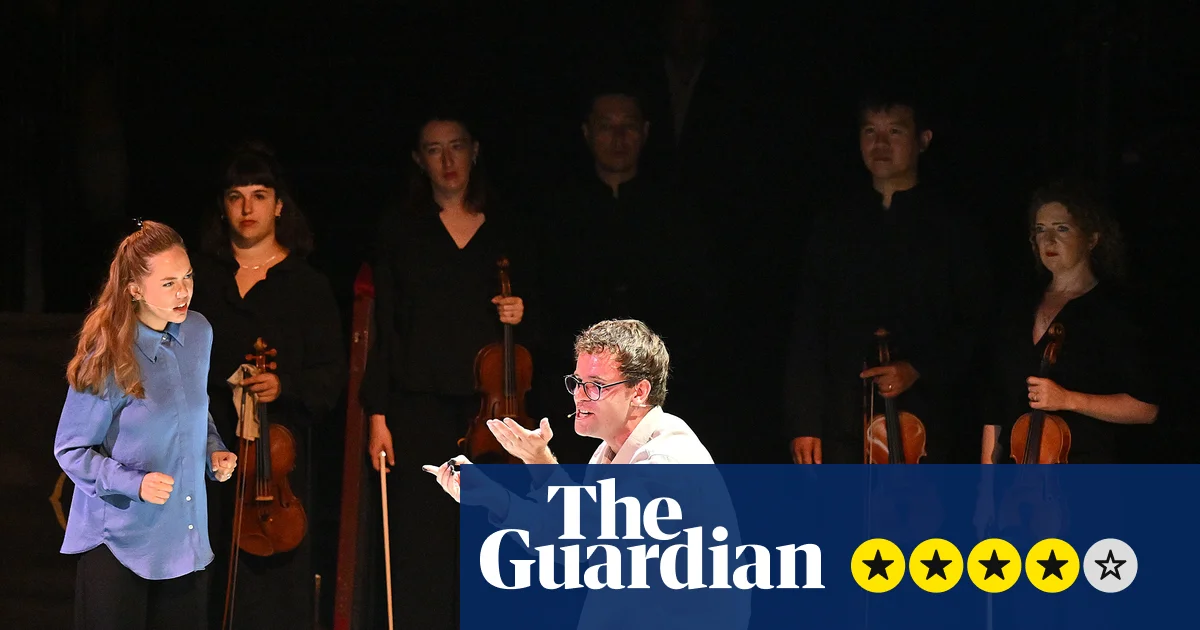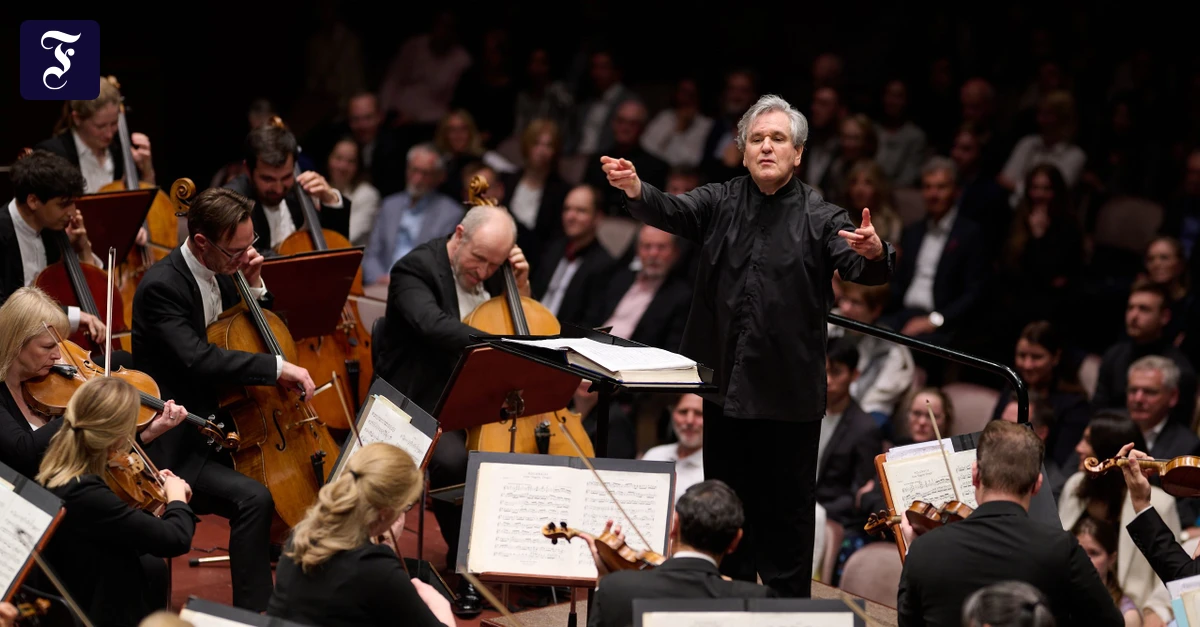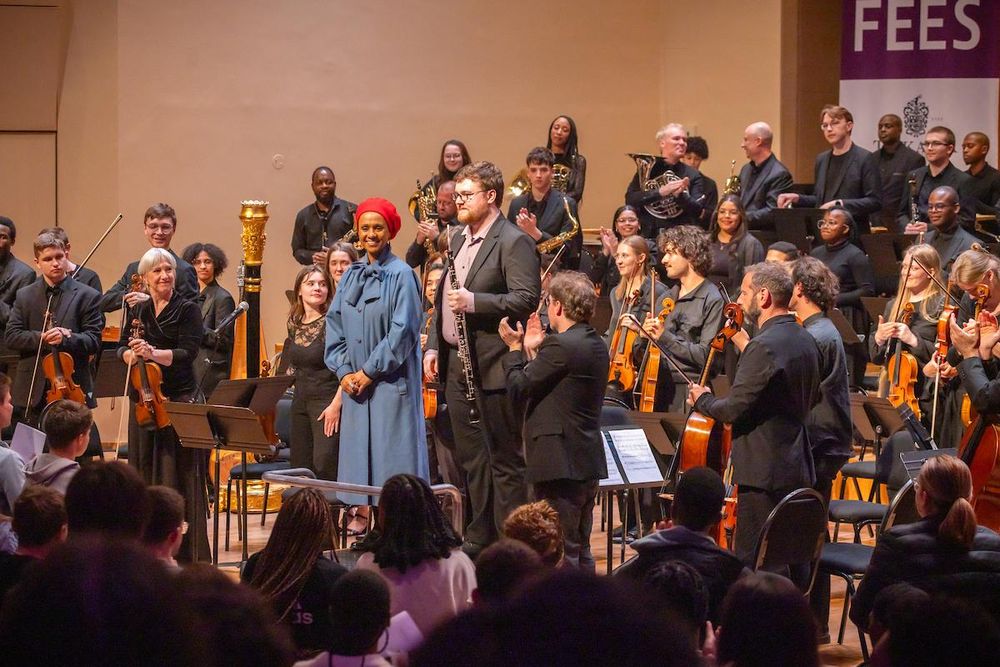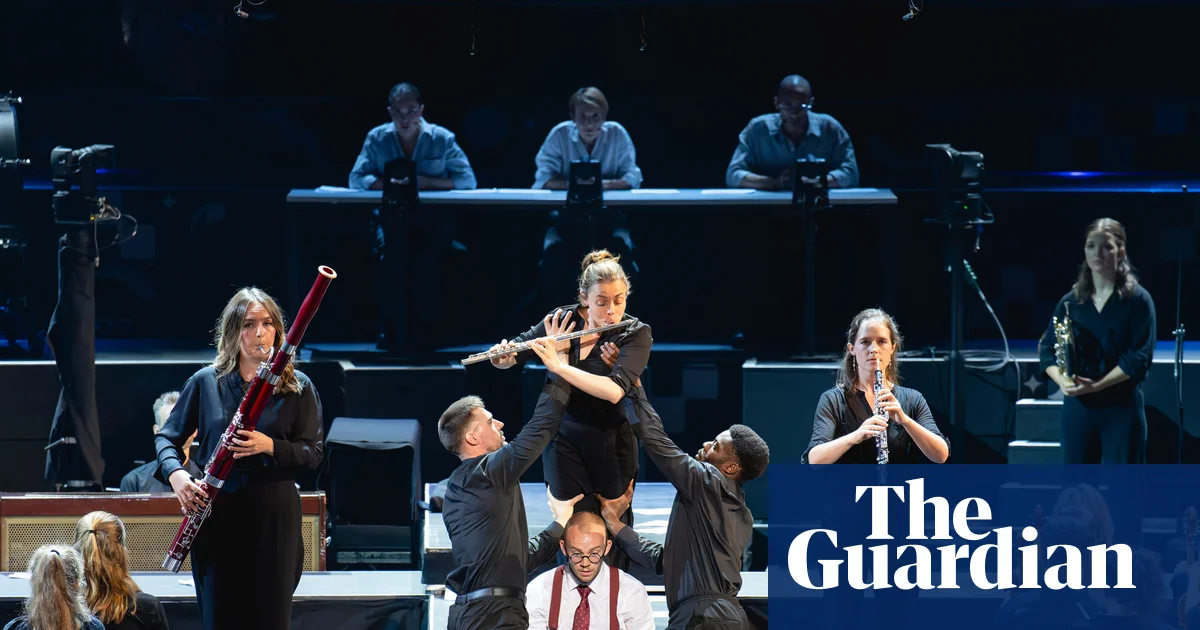
In 2014, Aurora Orchestra did something that had never been done at the Proms before. We played Mozart’s 40th symphony – that has been done, many times – but from memory.It was terrifying. Orchestral musicians usually start getting out their instruments 10 minutes before they go on stage, but people started warming up nearly an hour before – endless repetitions of fragments of music as players tested what they thought they might forget. We didn’t know if we would get on stage and freeze or fall off. Thankfully, we did neither and fear turned into excitement. Our bassoonist Amy Harman described the feeling as “like skydiving without a parachute. But in a good way.”Even so, if someone had told me then that 12 years later we would be performing from memory Mahler’s First Symphony – a piece almost twice as long as the Mozart that uses more than double the number of musicians – I would have been surprised. And if I’d then been told that in the first half of the concert we’d be presenting a new play about Mahler, featuring choreography involving the entire orchestra alongside two actors and a complicated sound design (and written by me!), I’d have laughed. But this weekend we will do exactly this.Rehearsals earlier this week for Mahler’s First By Heart. Photograph: Aurora OrchestraAfter the Mozart, our performances from memory became a regular Proms feature. Then, three years ago, we upped the ante when we took on Stravinsky’s The Rite of Spring. Memorising that enormously complex work was a challenge, but what felt especially scary was the fact we were dedicating the concert to a single piece. The second half would feature the performance; the first would introduce the work to the audience … somehow. It was my job to figure out what this actually meant – and it took a really long time.What emerged was a 40-minute first half that told the story of how the Rite was written and premiered, combining text, musical analysis, orchestral excerpts, choreography for the whole orchestra and video projection, and featuring performances by the actors Charlotte Ritchie and Karl Queensborough.It felt as if we had hit on something, so we have continued in this vein. At the following year’s Proms, we presented a first half dedicated to the creation of Beethoven’s Ninth Symphony before performing the work itself; last year, we turned to Shostakovich’s Fifth.It’s hard to know what to call these first halves. We used to use the word “presentation”, but it has become more than that. “Play” or “orchestral theatre” feel closer, but all suggestions are welcome.Karl Queensborough and Charlotte Ritchie with Aurora Orchestra’s 2023 The Rite by Heart at the BBC Proms. Photograph: Andy ParadiseOur choice of repertoire tends to be as simple as what would be fun to perform from memory and which pieces have an interesting story to explore. The first question is especially important, as we are asking players to spend hours and hours with this music. Everyone will have their own process of memorising – some go for runs with the music on headphones, some play it over and over – and some get out highlighter pens.My own creative process always begins with reading. I’ll know the music from playing it (I’m the Aurora’s principal flautist), but I’ll want to learn more about the composer and the historical context. It’s always the words that come directly from the composers and their contemporaries that tell me what we should do.When I researched The Rite of Spring, I was struck by the many collaborative voices clamouring to give their accounts of how they created the premiere production. For Beethoven’s Ninth, I read the composer’s conversation books: notebooks in which he asked friends to write down what they were saying, as an aide for his profound hearing loss, and realised we didn’t need any other words. With Shostakovich’s Fifth, I realised how few words exist from the composer himself – however much I read, he remained elusive.I work closely with our conductor, Nicholas Collon, to untangle the score and decide which passages to focus on and how to present the music in a way that shows physically what the score is doing. James Bonas co-directs – we often refer to him as our “bad audience member”, as he tells us what is working, what is not and what is too academic or music-jargony. I used to find this part of the process excruciating, but I’ve learned to enjoy it.I love the fact that every year I get to be completely immersed in a different composer’s world and music. This year has all been about Mahler. The first time I performed his music as a student flautist, I felt as if I had stepped inside a world I didn’t quite understand, but which was oddly familiar. I remember clinging on to the other more experienced instrumentalists and their phrasing and timing. Everything seemed exaggerated. Every melody carried so much emotion, with dynamics lurching from the quietest, highest held chord to the loudest eruption of the full orchestra. Daunting stuff when you’re just starting out, but also the adrenaline high orchestral players live for.Mahler, in stark contrast to Shostakovich, left us many words, and they reveal an artist constantly analysing his own feelings and emotions.
Freudian trip: how psychoanalysis and skydiving are helping Aurora orchestra open up Mahler’s First
When Mahler premiered his first symphony, it left audiences baffled. For their latest Prom, Aurora are bringing it to life – with the help of Sigmund Freud
1,712 words~8 min read