Press return to see results.
cmd / ctrl + k to open and close.
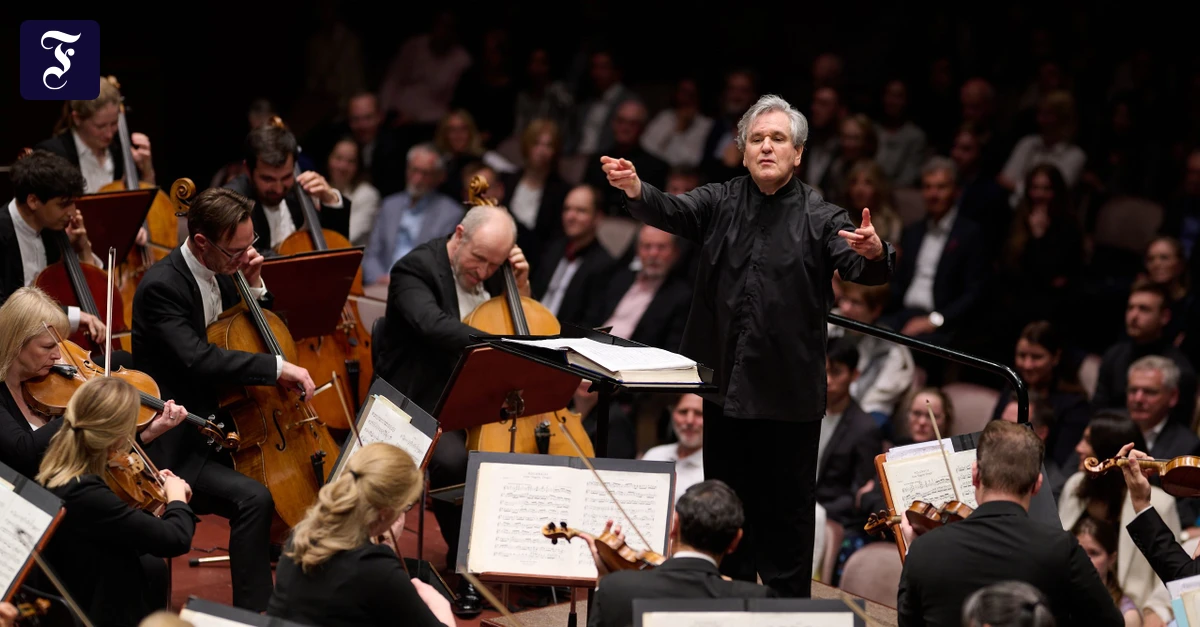
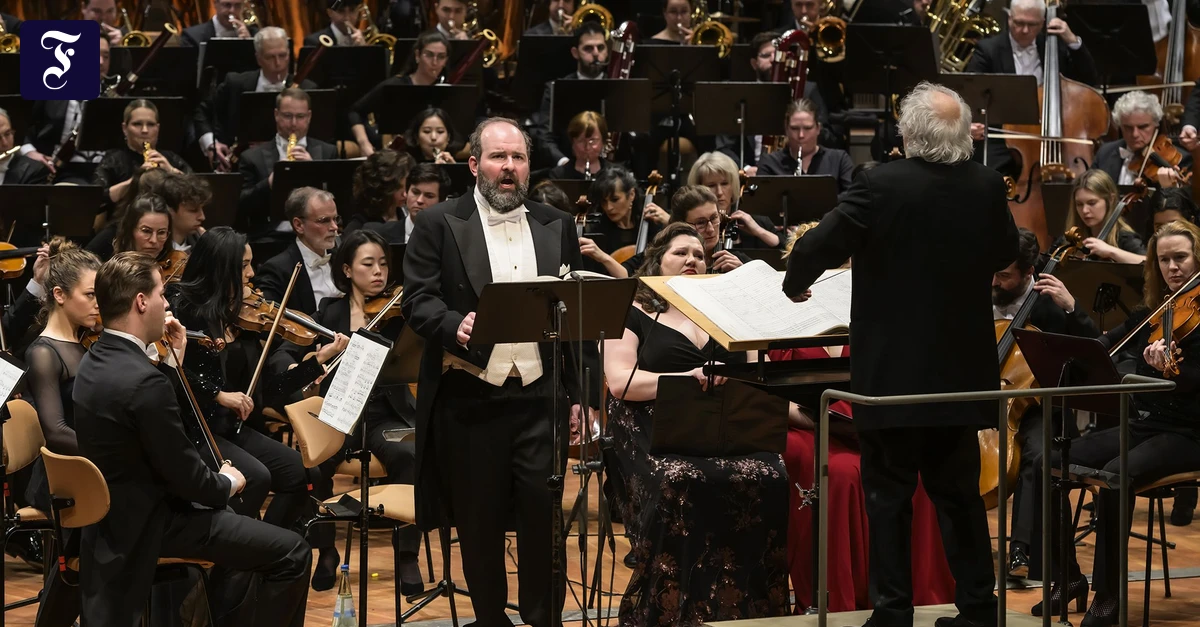
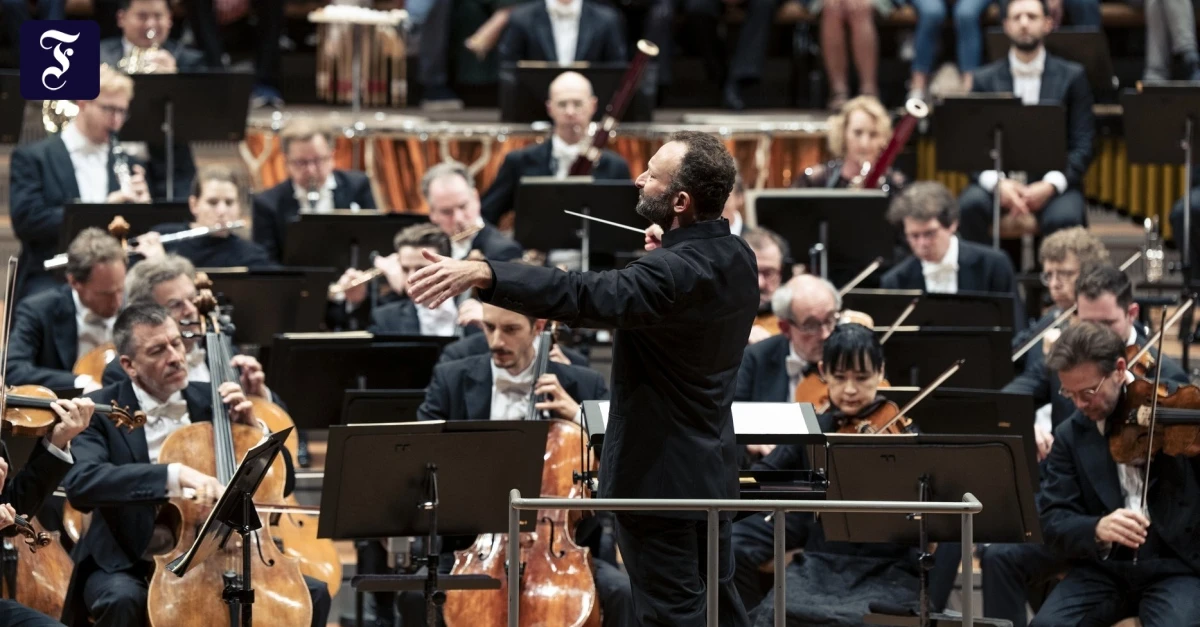
On the evening of February 18, the Deutsch-Romantisches Orchester (DRO) gave a performance in Berlin’s Funkhaus, a one-time radio broadcasting center converted into a chic concert hall. It was a classical concert like any other—except for the guest list, five-course banquet, and glaring mismatch between the skill levels of the professional instrumentalists and their conductor, a relatively unknown young musician named Marina Quasha.
Just after 7:00 p.m., Quasha strode to the podium in the cavernous concert hall. A kind of gray mist hovered above the orchestra. She gave the audience a tiny combination bow-nod. She then raised her hands and launched into conducting the overture to Verdi’s opera Rigoletto, followed by arias selected from Tosca and Macbeth, and, finally, Brahms’s First Symphony. Her work smacked of inexperience: Beautiful individual solos were undermined by an overall loud, blunt, and sludgy sound, a sign of missing vision and restraint. She let phrases that needed distinction bleed together and neglected the subtle countermelodies that give the music richness. Her hands beat timid time, and the musicians often ignored her tempo—they barely even looked at her.