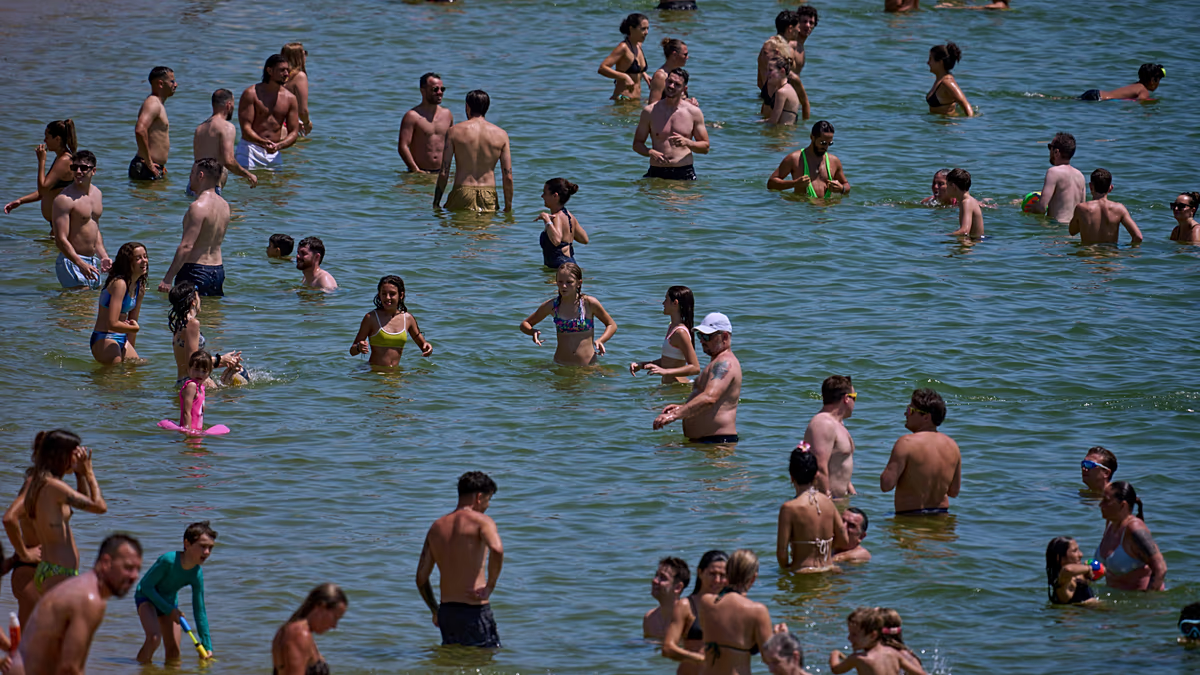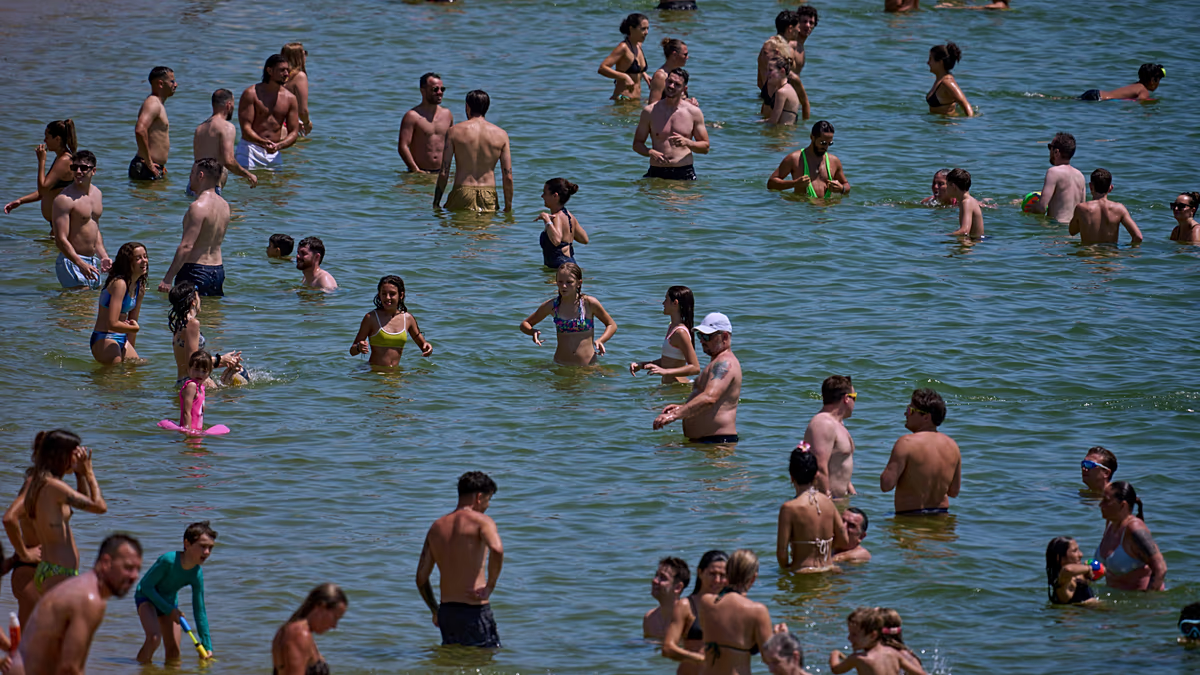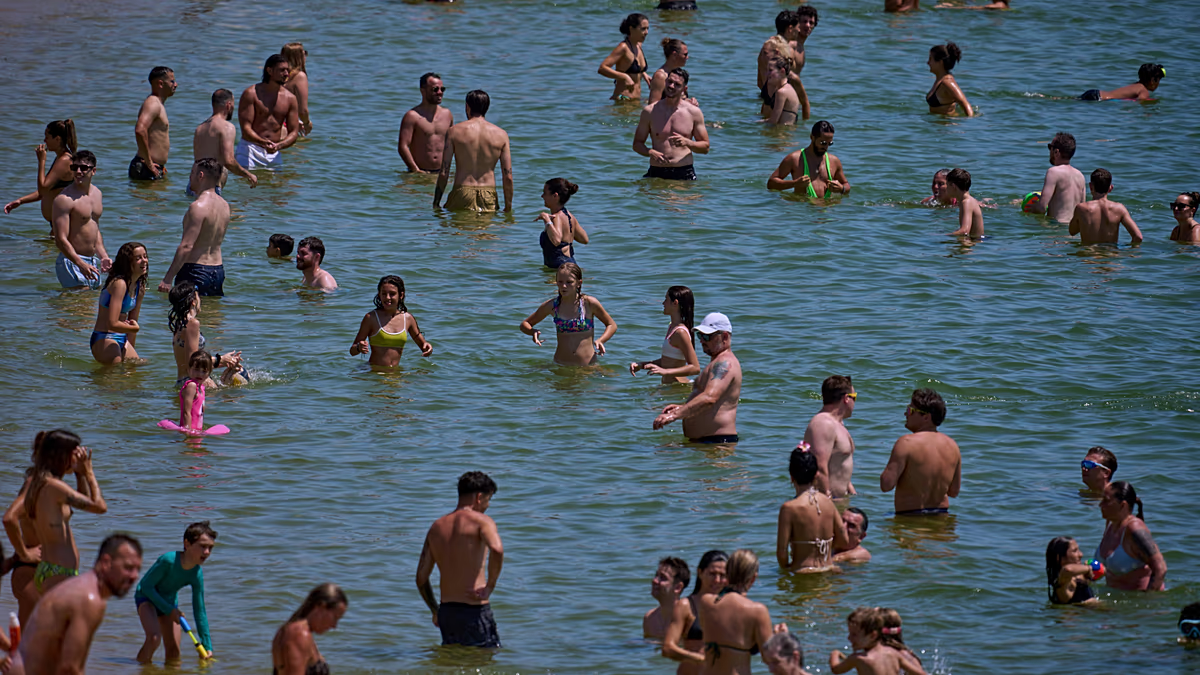
Soaring temperatures are not only making this a record-breaking summer in Europe, but they may also increase the risk of water-related infections, such as vibriosis, swimmer's ear, gastroenteritis and certain infections of the skin and urinary tract.
Against the backdrop of longer and hotter summers, the European Centre for Disease Prevention and Control (ECDC) has warned that certain bacteria are finding ever more favourable conditions in which to thrive, particularly in warm coastal waters with low salinity.
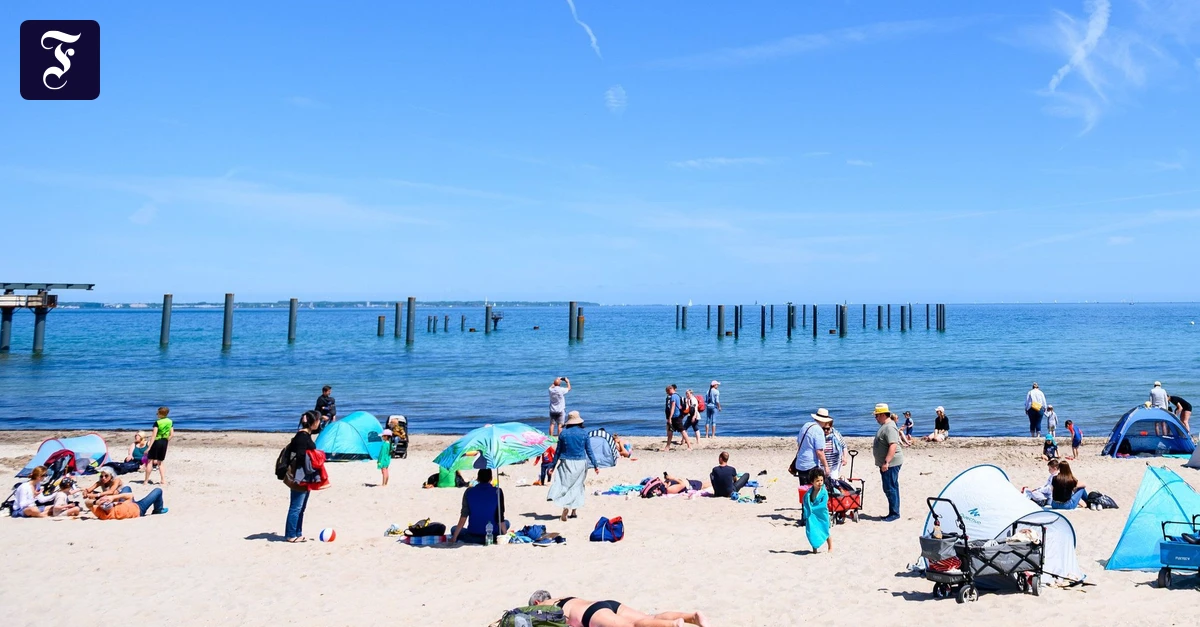
Although the risk of contracting these infections remains low, experts stress that a few simple precautionary measures can drastically reduce the chances of infection over the summer months, when millions of people head to beaches, swimming pools, rivers and other bathing areas to cool off.
Heat encourages bacterial growth
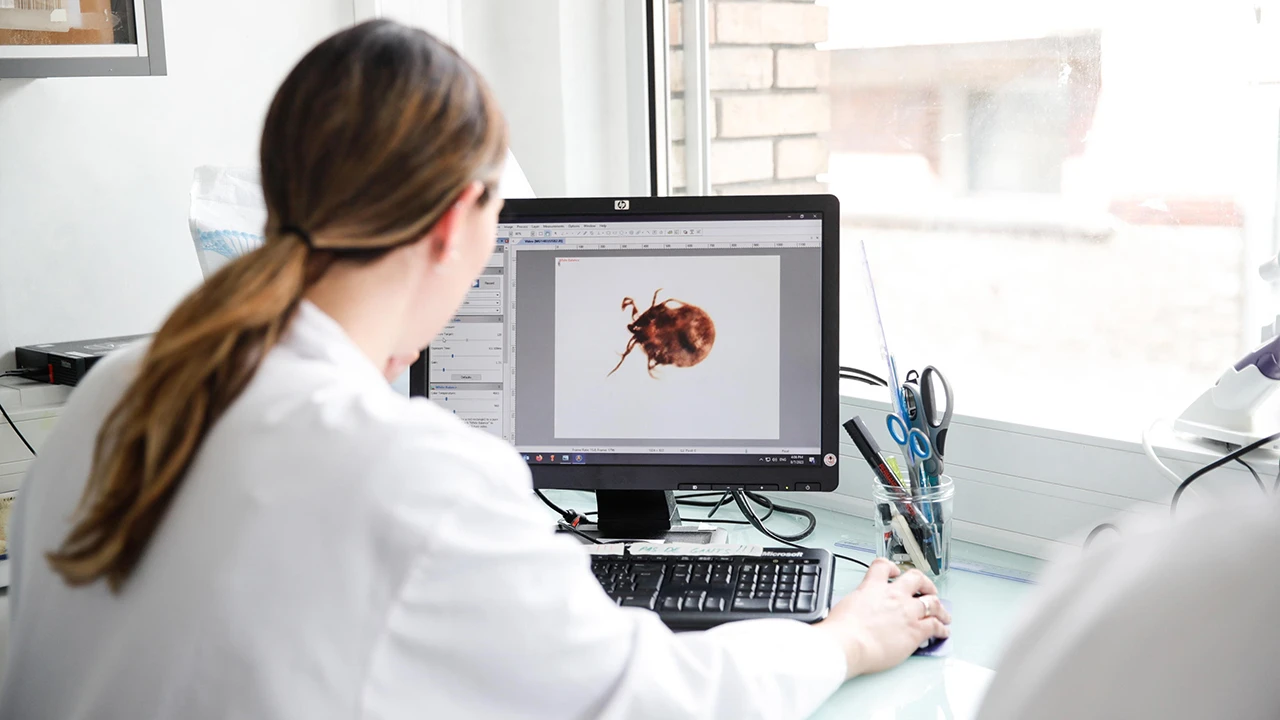
According to the ECDC, the rise in water temperatures, combined with environmental changes and increased travel during the summer, is changing how some infectious diseases are distributed across Europe.