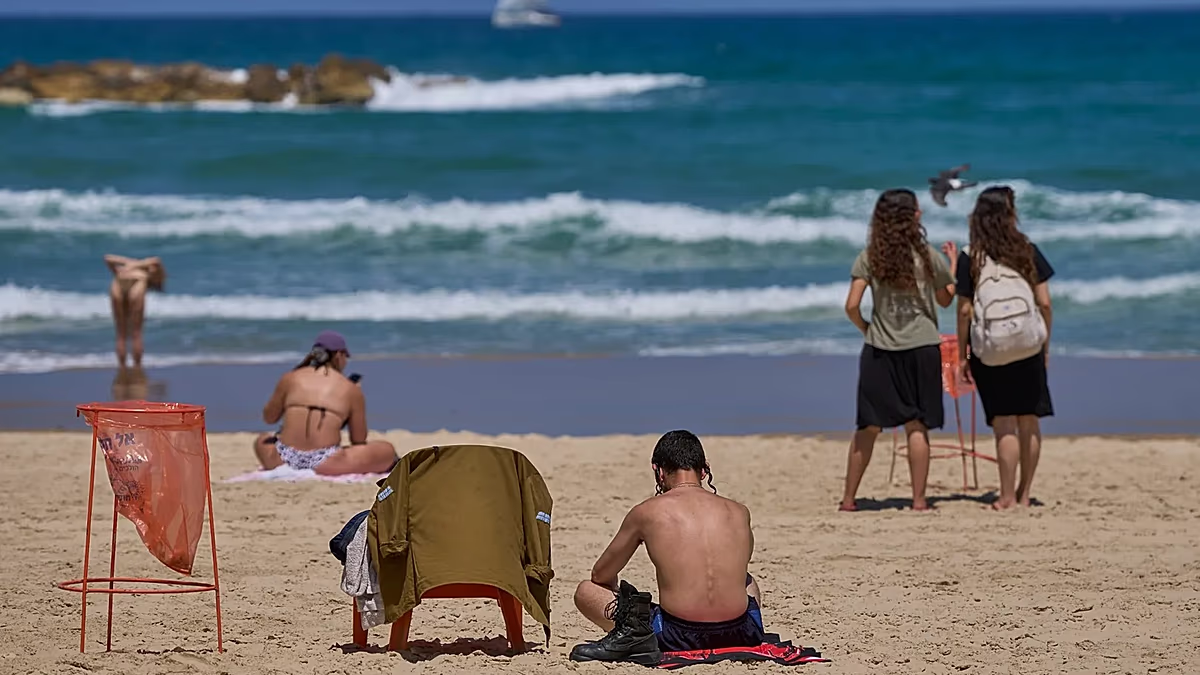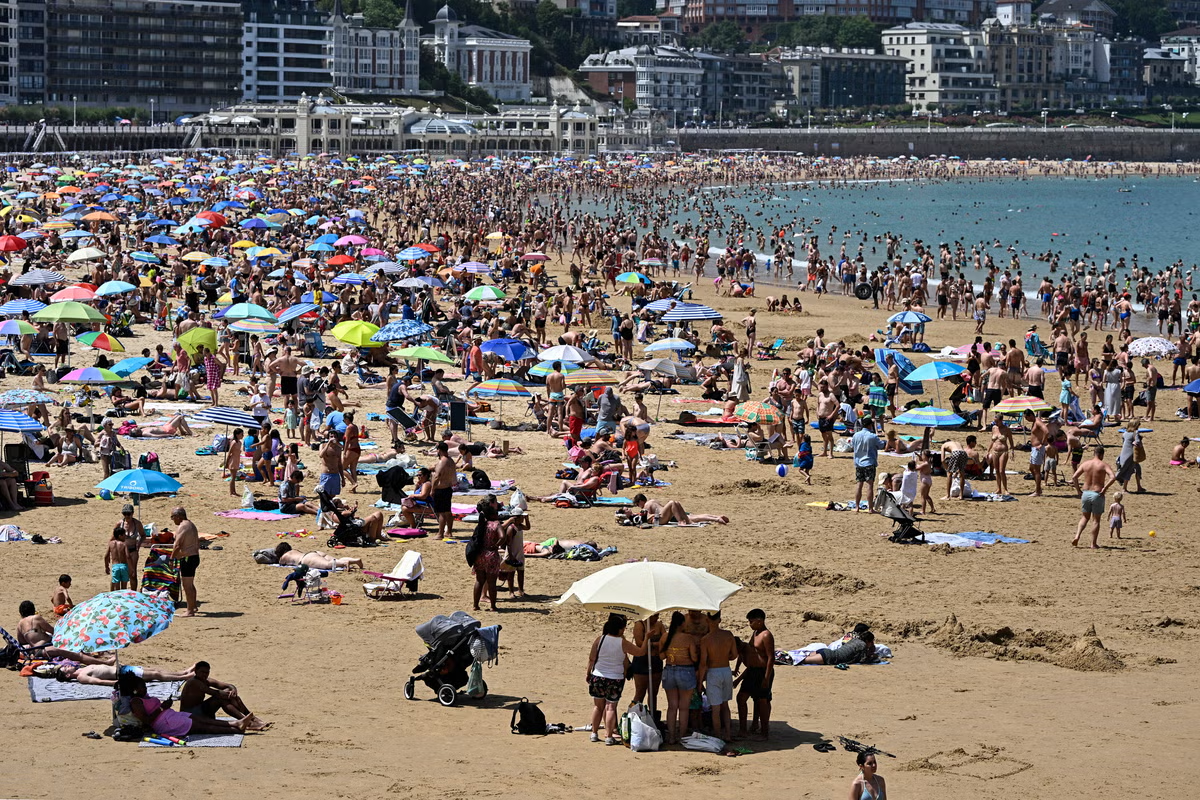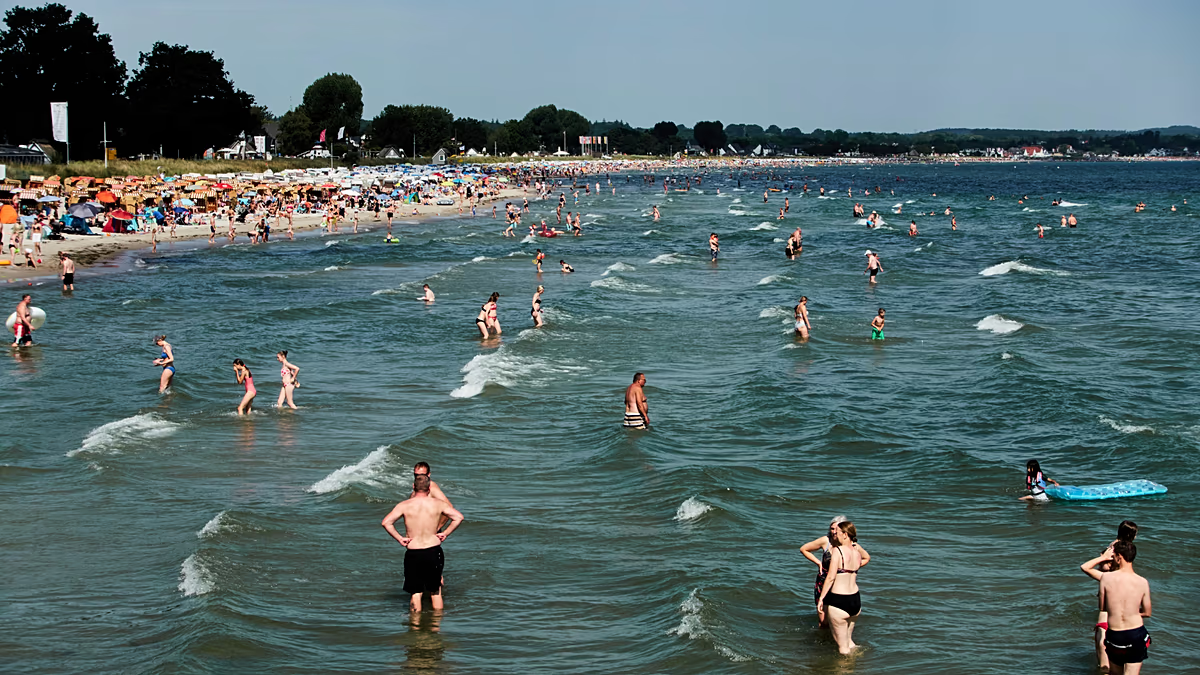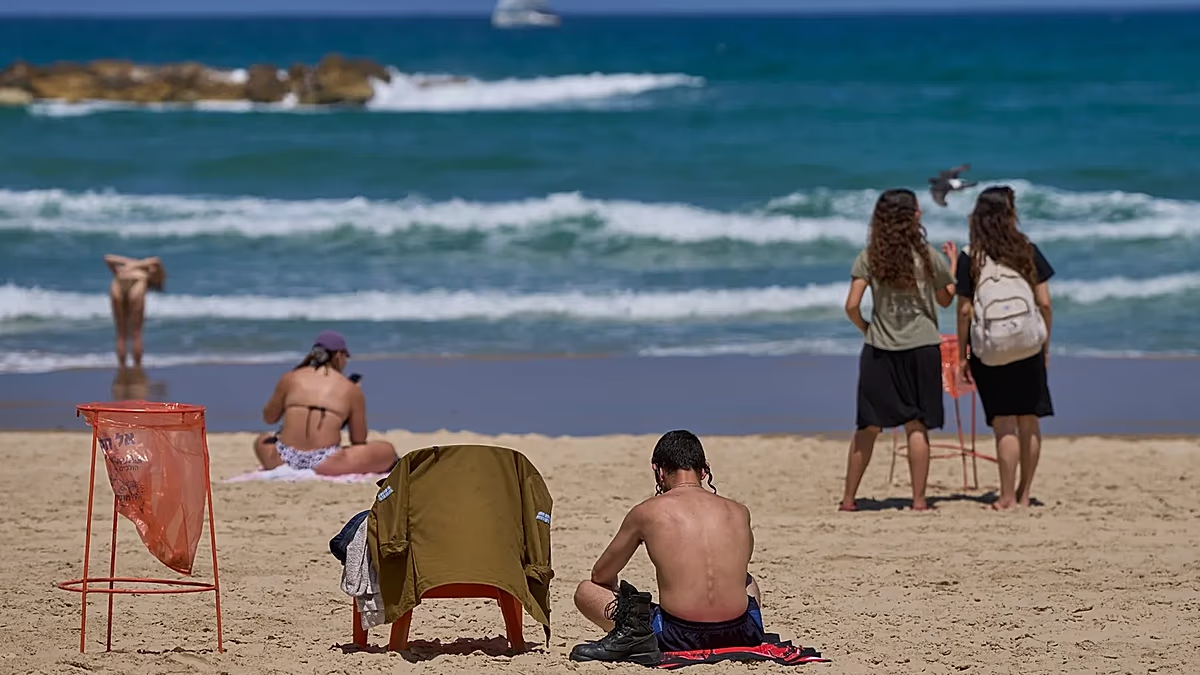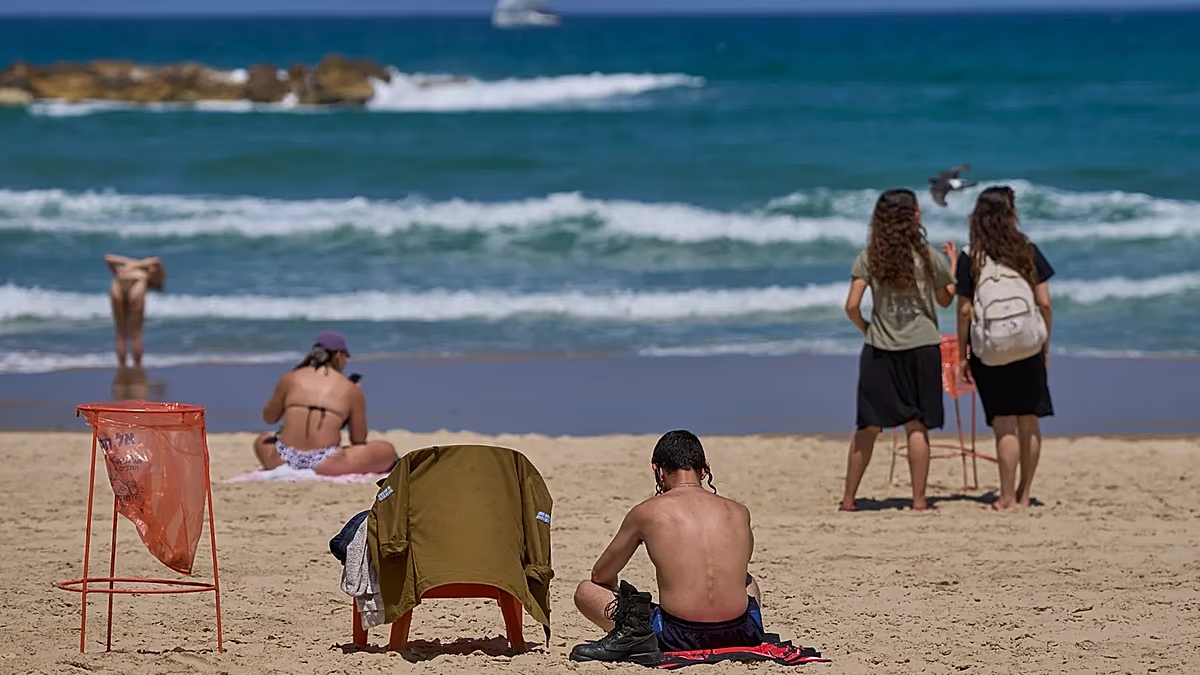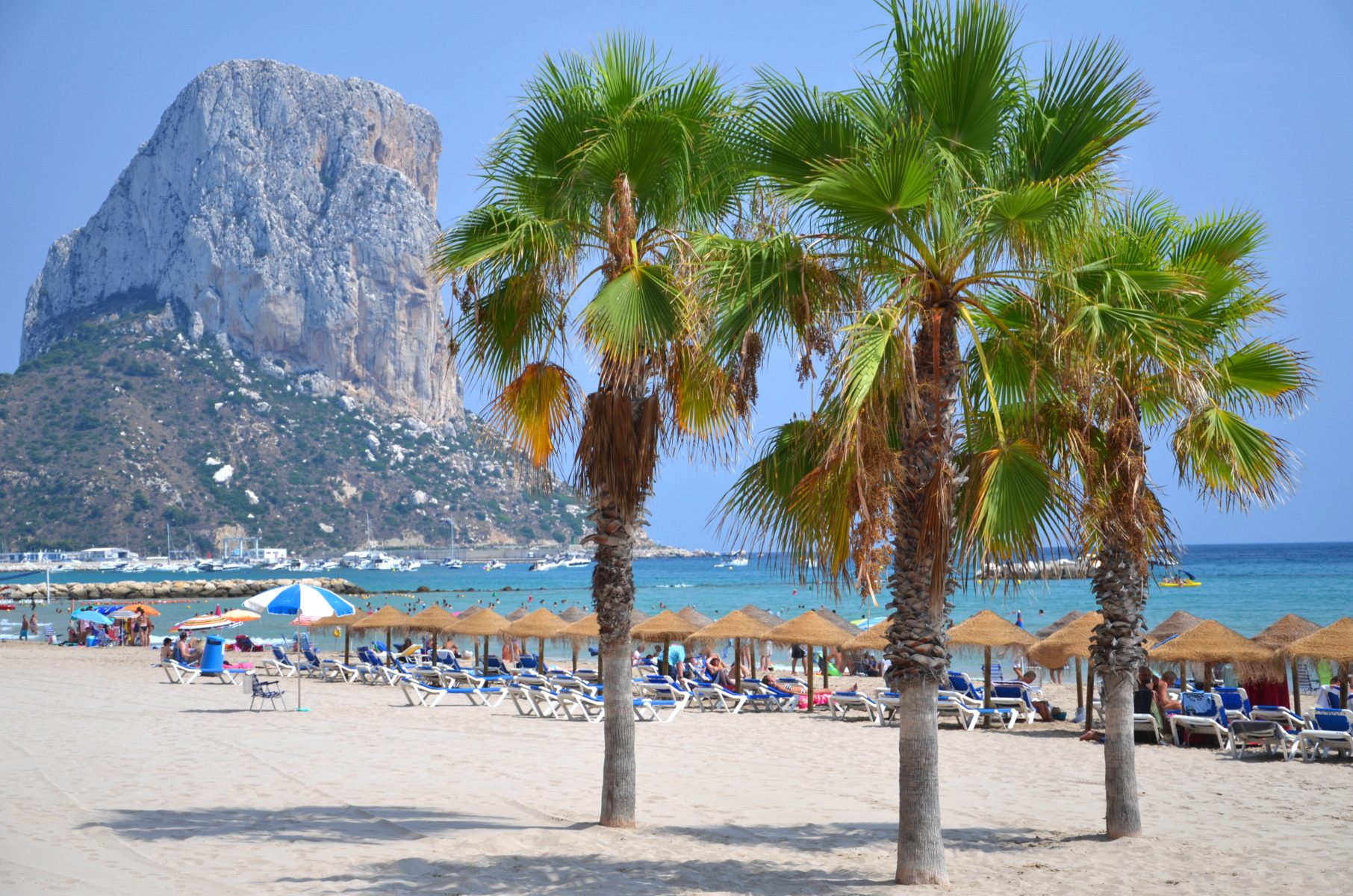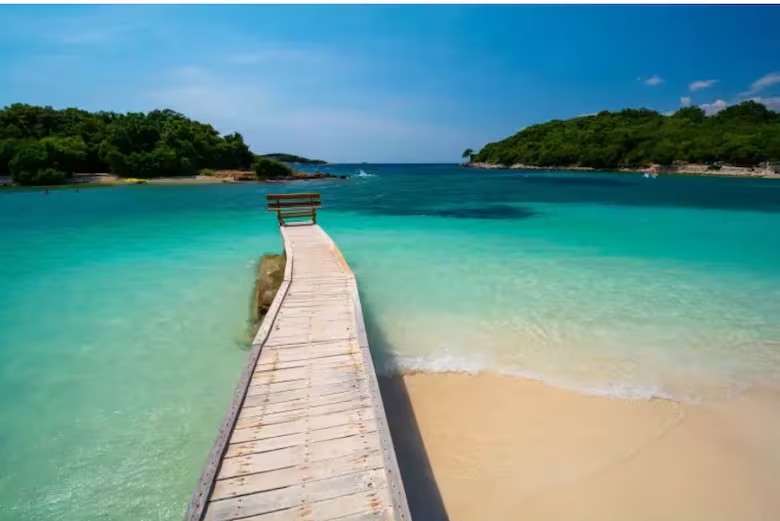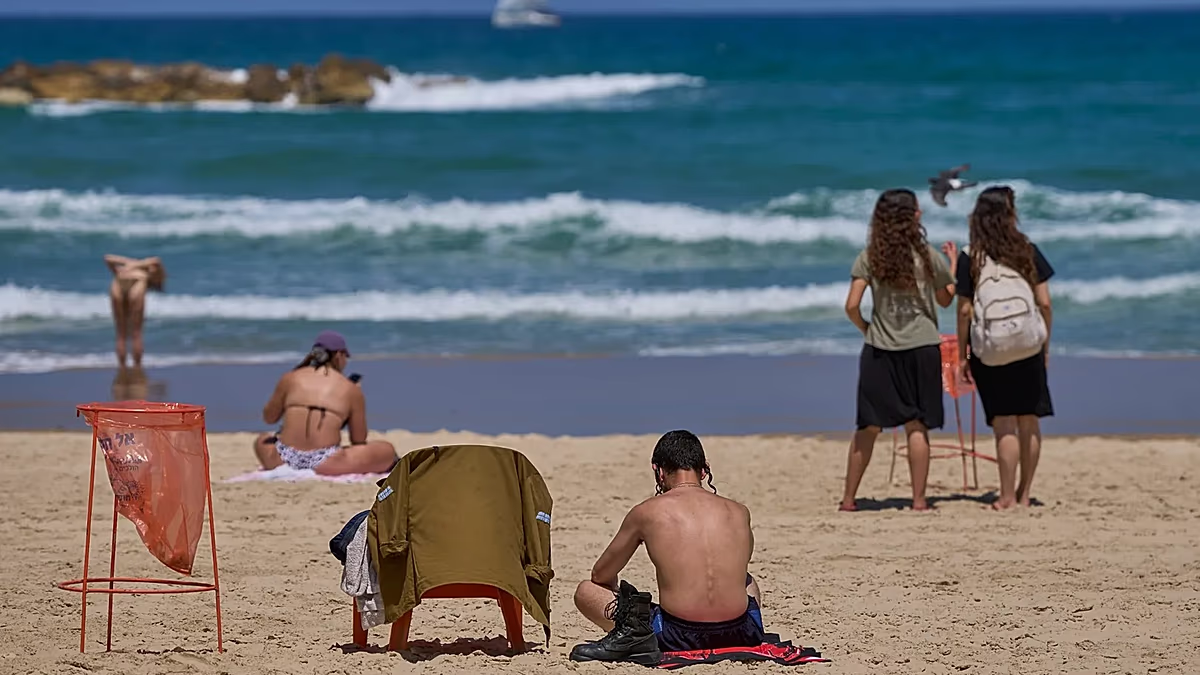
Now that summer has officially begun, millions of tourists are eagerly waiting for their holidays and, in many cases, planning to head to the coast to enjoy the beach. However, this year a long shadow hangs over the tourism sector because of the spread of bacteria in the sea, which has already forced the closure of several beaches in Spain.
In recent years, across different parts of Europe’s coastline, episodes of pollution and health alerts have been recorded that have led to restricted access to the sea, against a backdrop of ever-higher water temperatures and growing tourist pressure.
“The Mediterranean is showing us what a hotter world represents,” says Union for the Mediterranean Projects, Climate Action and Energy Resilience analyst Hatim Aznague in comments to Euronews. “The countries that share this sea can still choose to share a solution.”
The threat of the “flesh-eating” bacterium
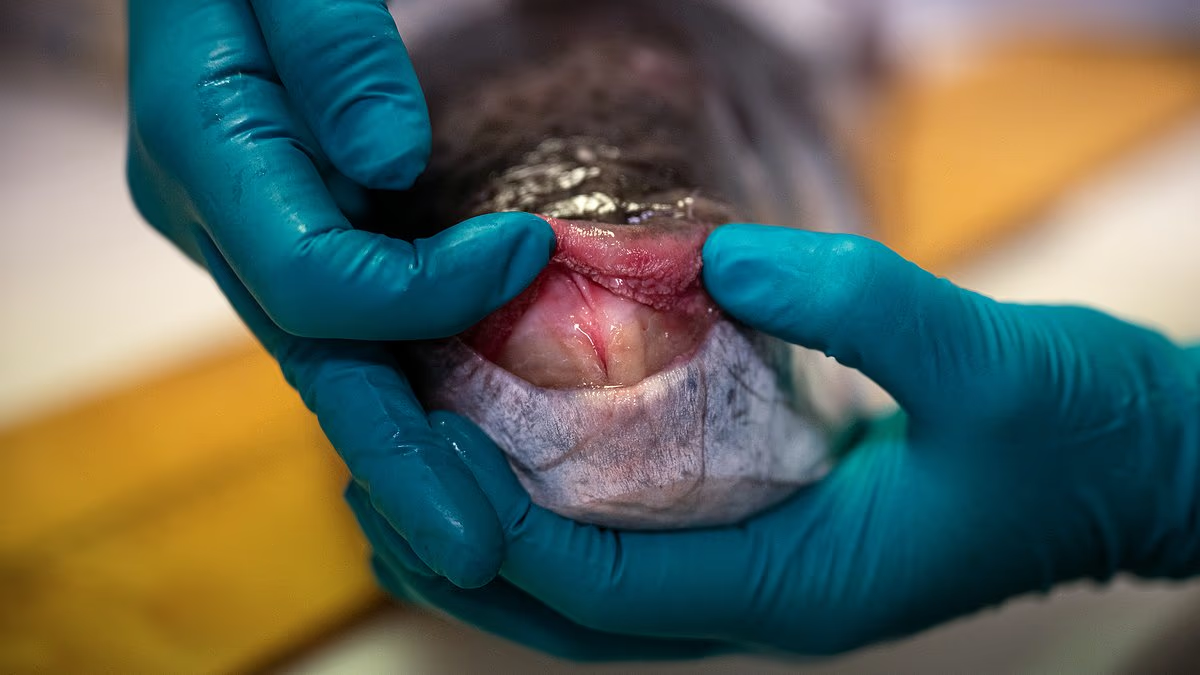
Particular concern surrounds the Vibrio bacterium, popularly known as the “flesh-eating” bacterium, a waterborne microorganism that lives naturally in marine and brackish waters, especially in areas where rivers meet the sea. According to the European Food Safety Authority (EFSA) (source in Spanish), “Vibrio is an aquatic bacterium that can be found in seafood”, and some strains can cause anything from gastroenteritis to severe and even fatal infections.