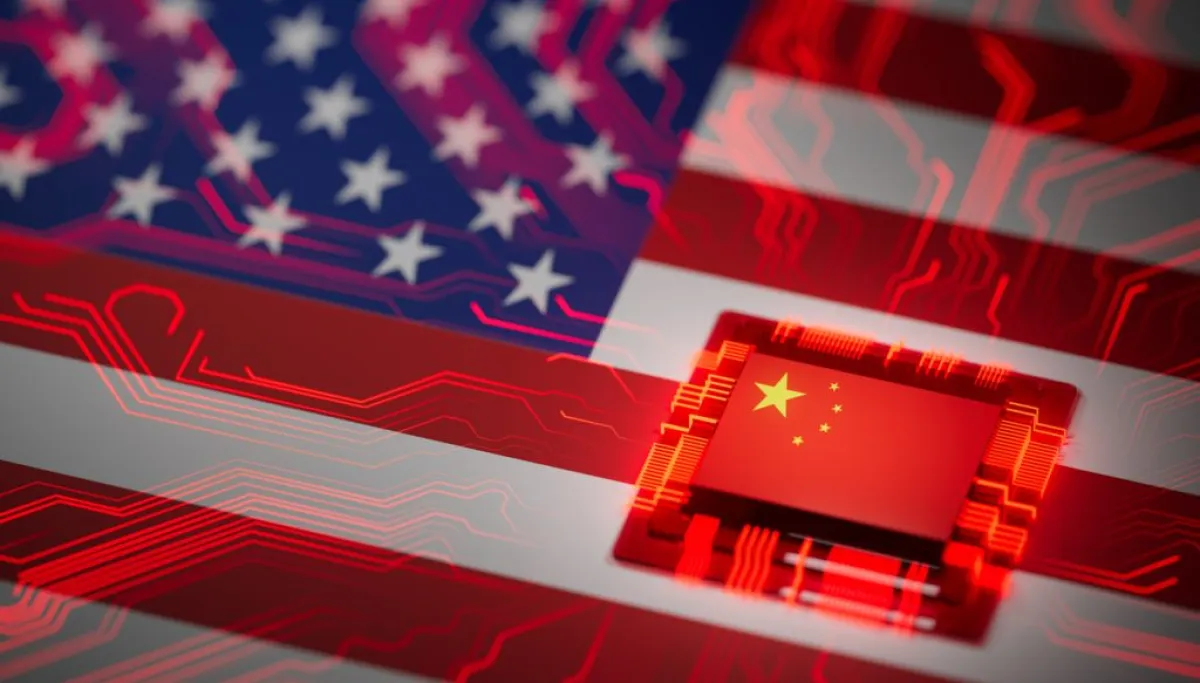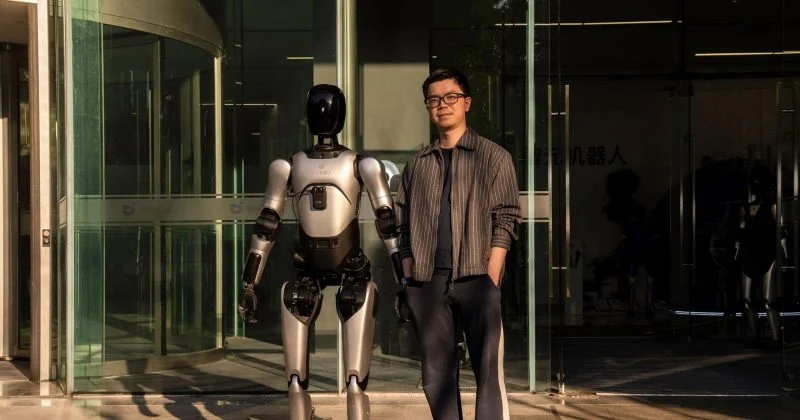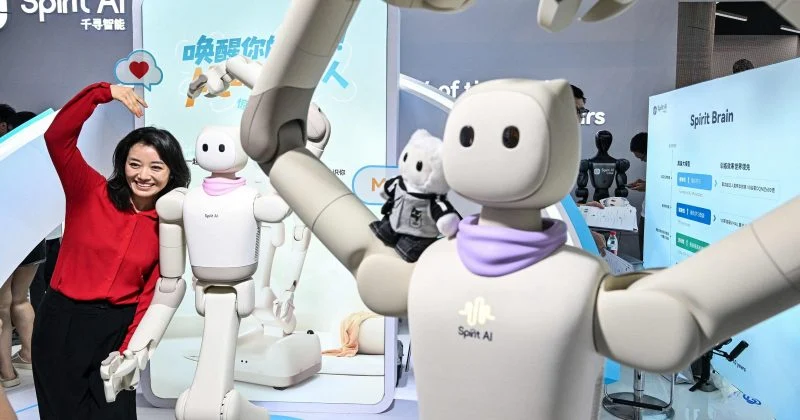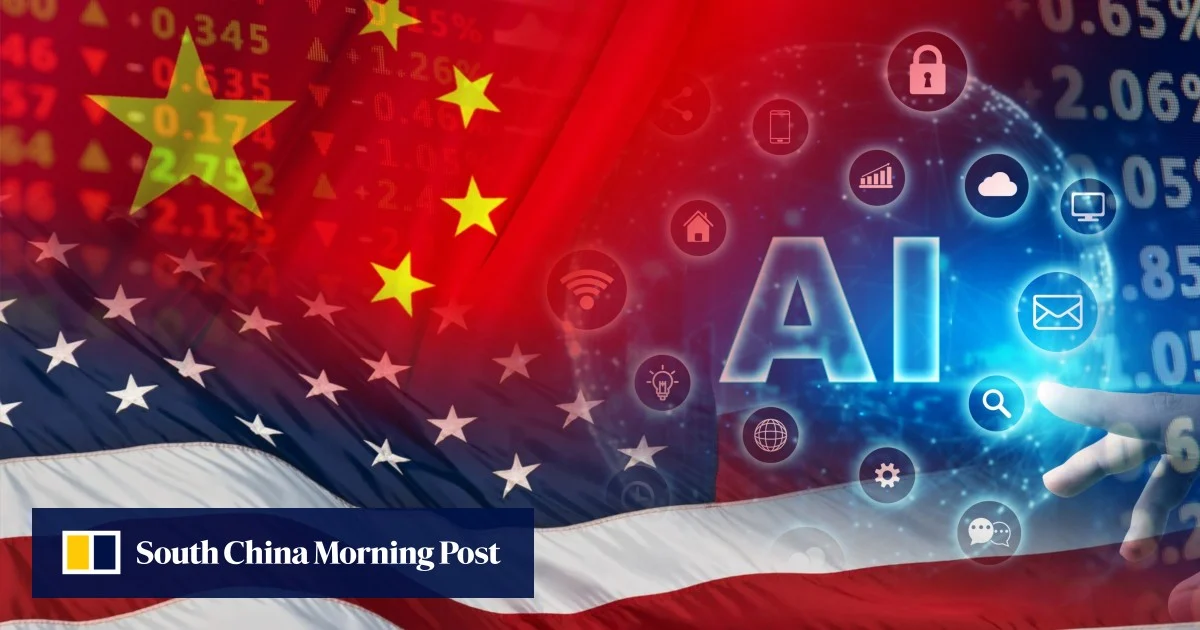
China has entered a new phase of strategic competition. After spending more than a decade exporting roads, ports, fiber-optic cables, and digital infrastructure through the Belt and Road Initiative (BRI), Xi Jinping is now seeking to export something even more consequential: China’s entire artificial intelligence (AI) ecosystem, from chips and cloud infrastructure to foundation models, standards, applications, workforce training, and governance.
Nvidia CEO Jensen Huang warned about China fusing the BRI and AI late last year. The deeper a country climbs into that stack, the harder it becomes to climb out. If the BRI created the debt trap, China’s latest initiative risks creating a far more consequential tech trap.
China’s AI Diplomacy and the Emerging Tech Trap
China’s emerging AI diplomacy centers on a proposed World AI Cooperation Organization (WAICO), supported by AI application centers, open-source models, technical training, digital standards, and infrastructure assistance. Together, these initiatives represent the next evolution of Beijing’s international strategy, aligning a diplomatic strategy with an AI technology stack. Built directly on the Digital Silk Road, already a major pillar of the BRI, this new effort carries implications that may prove even more profound.