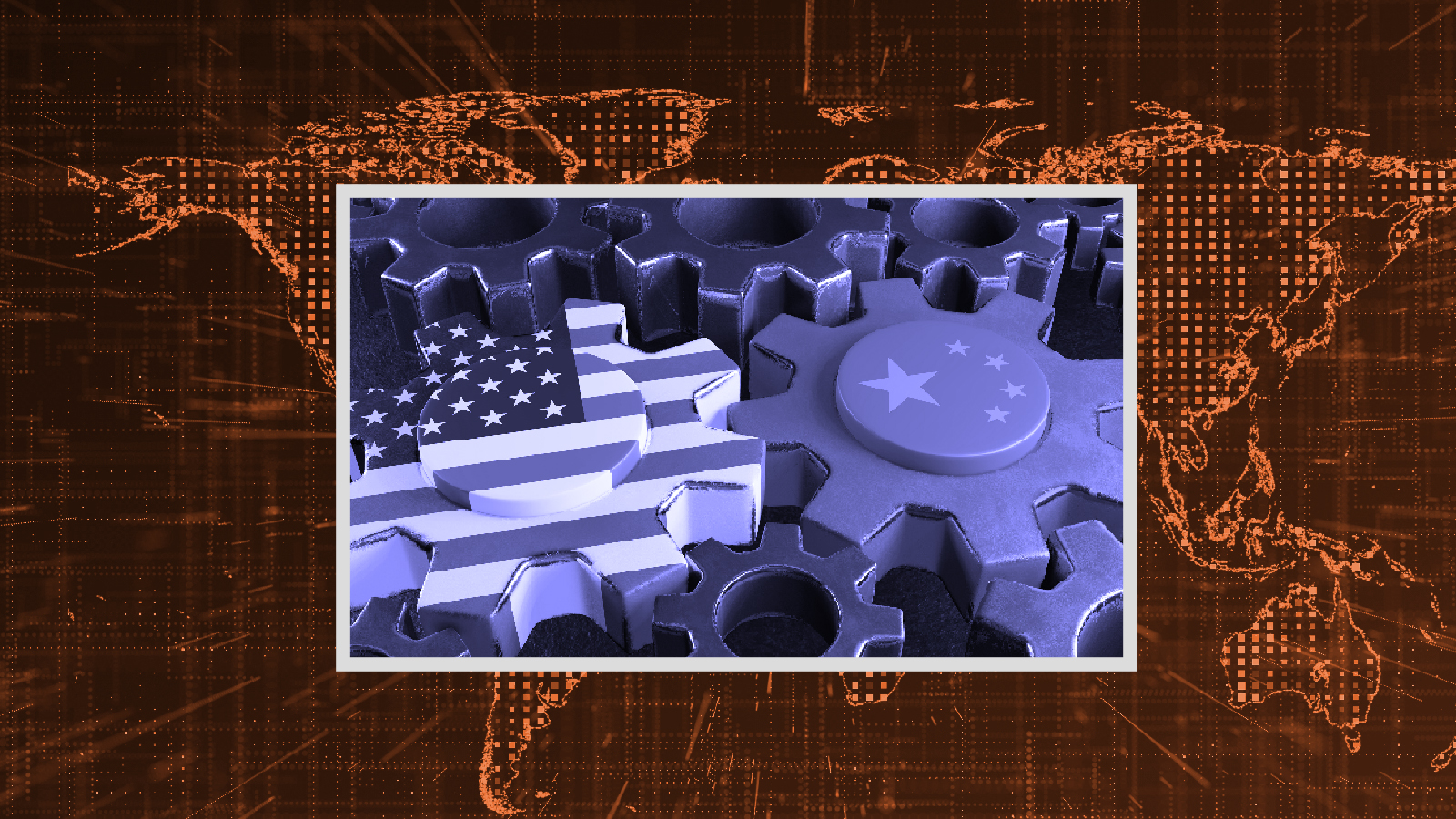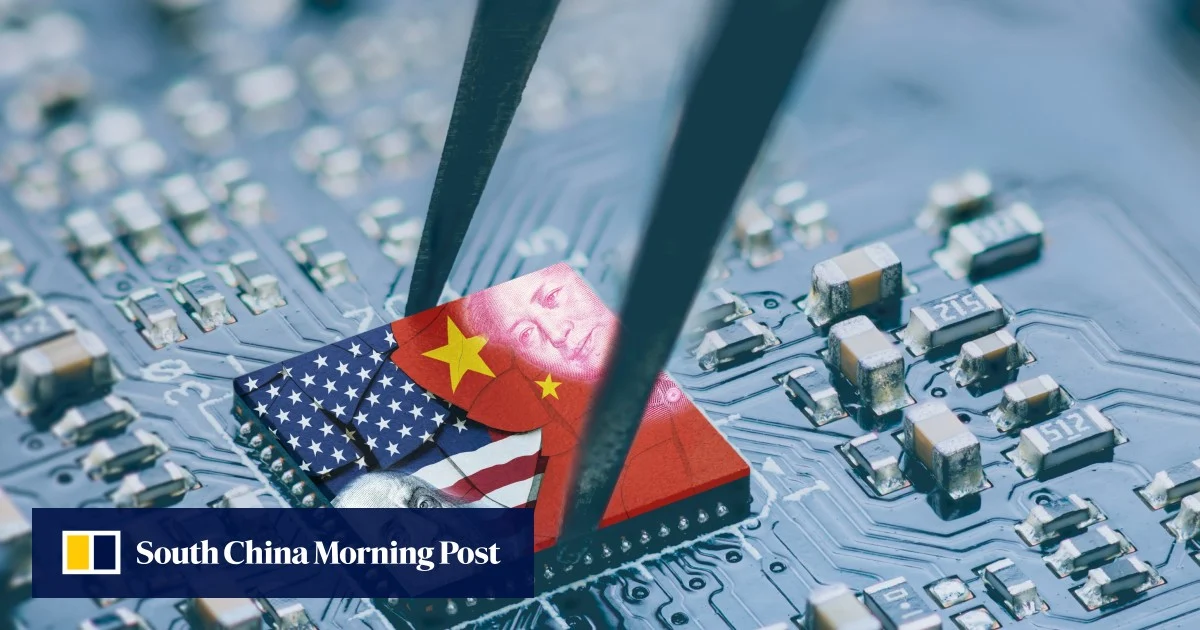
As China and the United States race to expand their artificial intelligence capabilities, economists said the two countries need closer cooperation on global governance and safety standards in order to better manage the potential risks of the technology.
While the US continues to lead in frontier AI research, large-scale models and computing power, economists said that China is rapidly catching up and has developed strengths in integrating AI into manufacturing, consumer services and other parts of the real economy, reflecting different development priorities in the two countries.
"There are two main players in the development of frontier AI — China and the US," economist and Nobel laureate Michael Spence told China Daily. "There's almost no measurable difference between them now in terms of performance. Whatever difference there was, China has caught up."
According to Stanford University's Institute for Human-Centered Artificial Intelligence, US and Chinese AI models have traded places at the top of performance rankings multiple times since early 2025.
As of March, the top US model led by only 2.7 percent, with a marginal gap that fluctuated over the past year while remaining in single digits, according to the institute's 2026 AI Index Report.