Rest of World/iStock
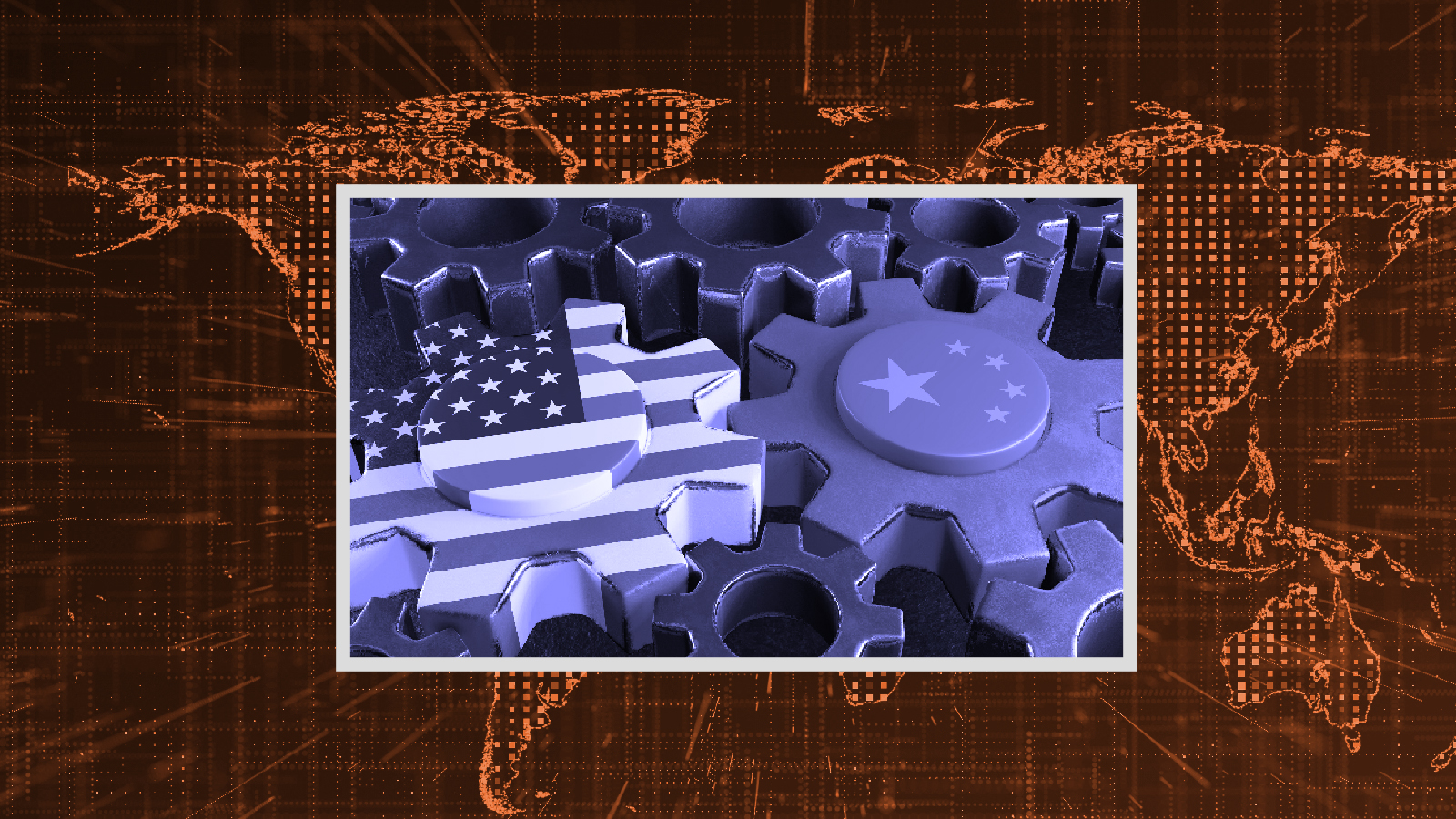
The tech race between the U.S. and China seems to heat up daily. Headlines center on how America seeks to lead global AI with its capital and chips, while China tries to catch up through government subsidies and engineering ingenuity. But look closer, and you find two ecosystems that are deeply intertwined — in talent, research, and culture.
I recently wrote a feature about Chinese AI researchers in Silicon Valley, spending time with people straddling both worlds. America’s AI industry has recruited some of China’s brightest minds, offering not just seven-figure salaries but the chance to work on the world’s most advanced technologies.
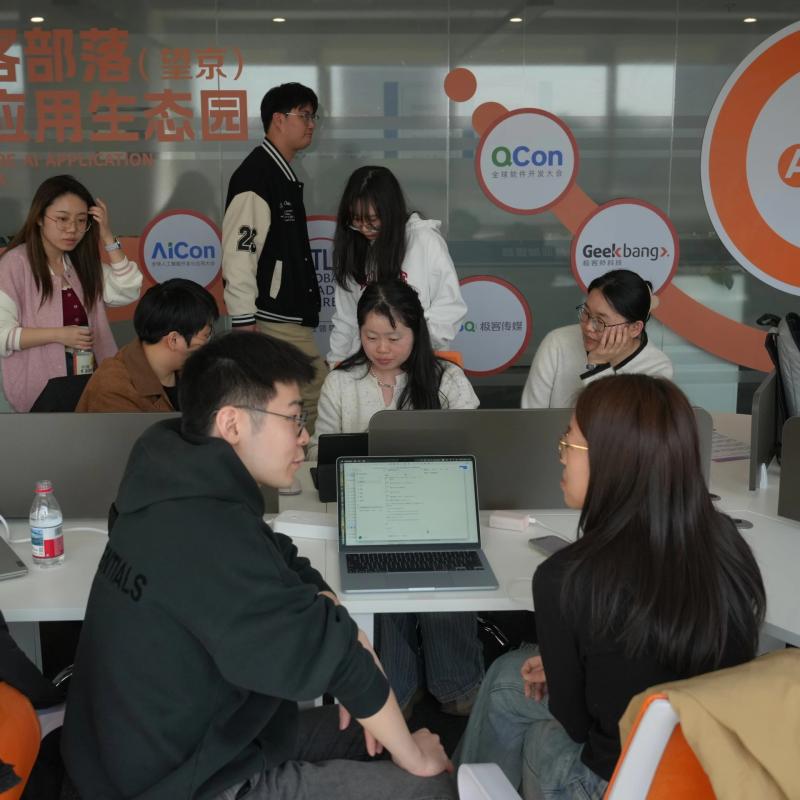
Researchers at U.S. and Chinese labs often share alumni networks. They trade gossip and the latest papers in WeChat groups. One U.S.-based researcher told me that whenever a Chinese lab releases a new model, he messages his friends there to congratulate them.
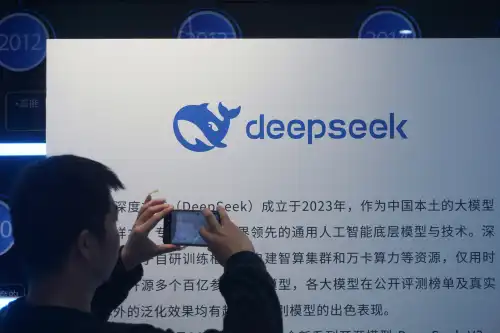
Collaboration between the two countries remains vibrant. Over the past decade, the U.S. and China have been the most frequent partners in AI research. ChatGPT and other leading American models have inspired the Chinese tech industry to start building similar large language models. The influence now flows both ways. Chinese labs have produced the best open models and pioneered new ways to make AI models more energy-efficient. Engineers in the U.S. told me they have adopted algorithms used in Chinese AI models, including DeepSeek and Qwen, to improve their own models’ performance.