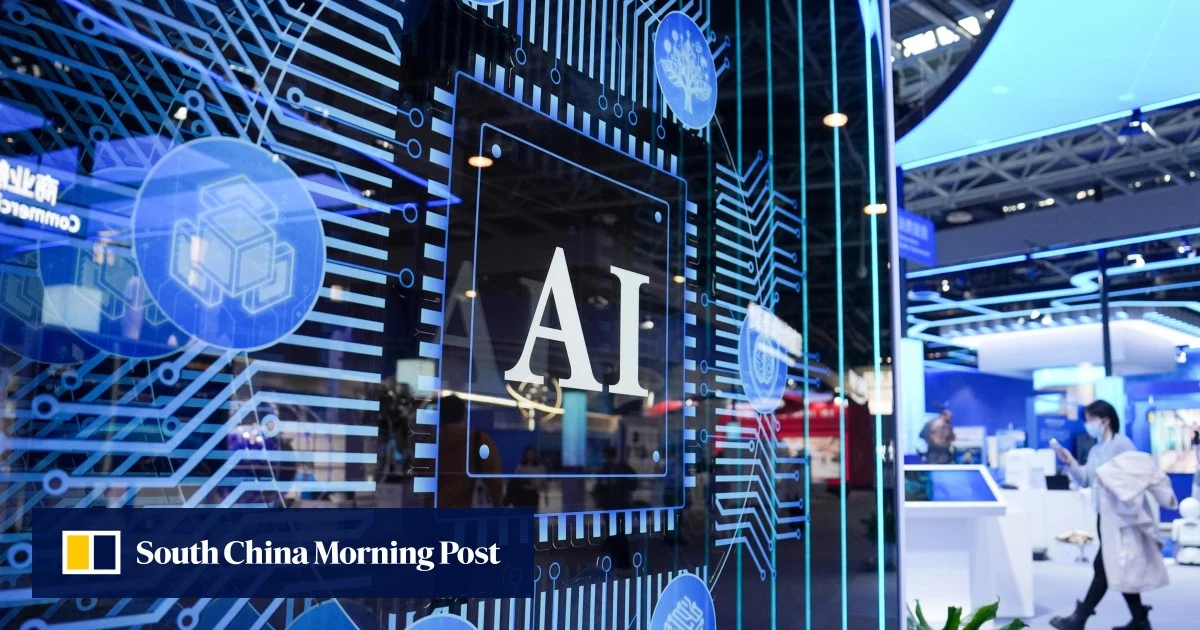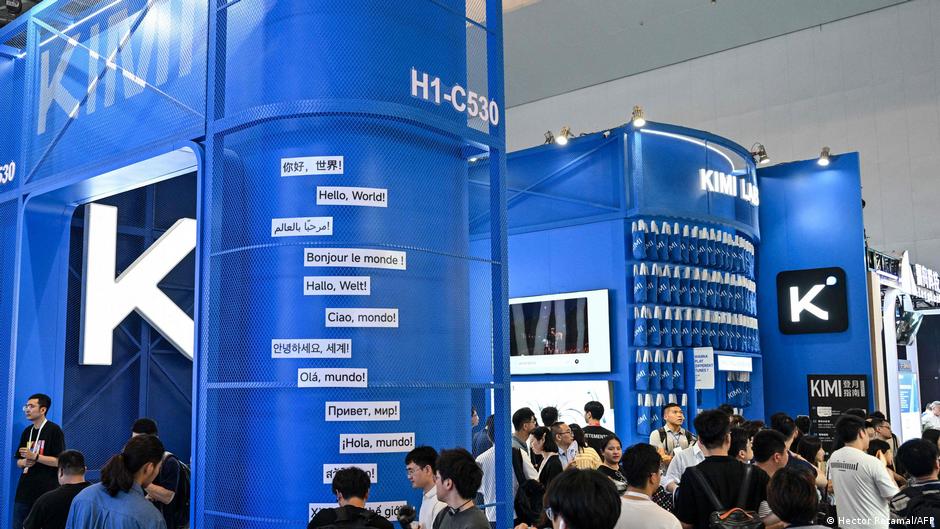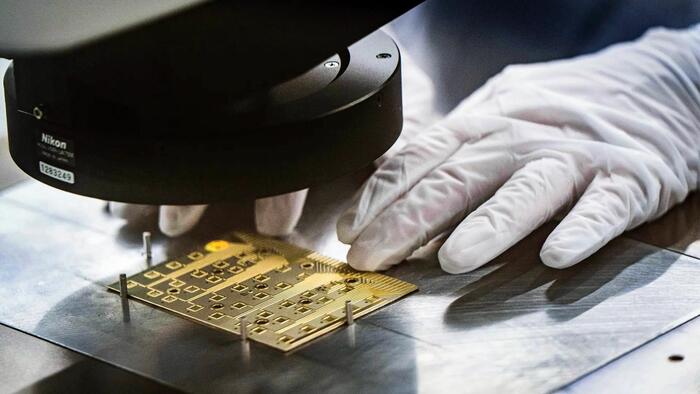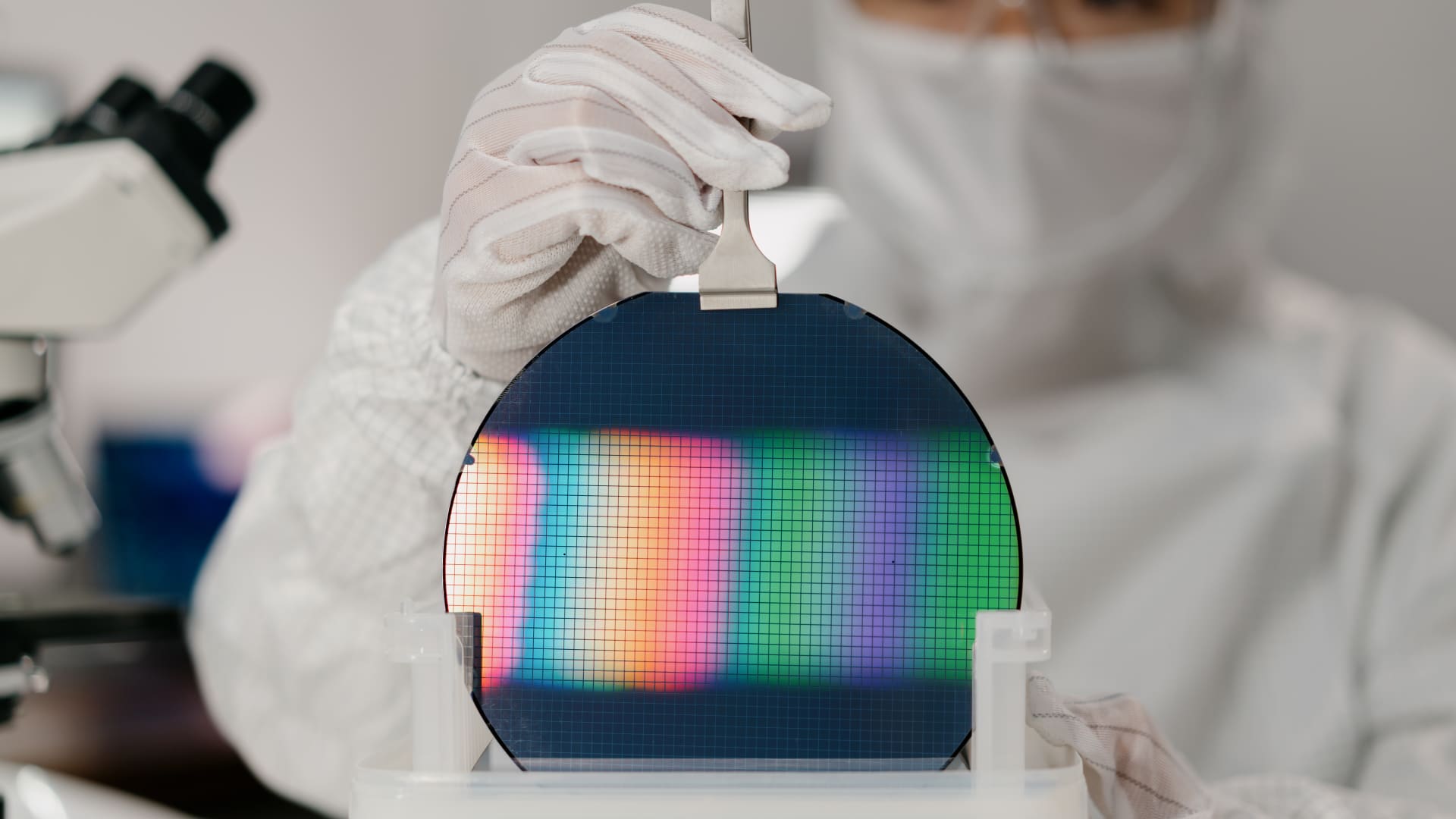
While the rest of the world fixates on who can manufacture the most advanced semiconductors, China appears to have quietly decided to change the game entirely. Beijing’s evolving AI strategy centers not on winning the chip war head-on, but on building an ecosystem around open-source models, massive infrastructure spending, and computational efficiency that sidesteps the bottleneck of US export controls.
For crypto investors, this matters more than it might seem at first glance. AI infrastructure, compute markets, and decentralized AI tokens are increasingly intertwined with the trajectory of how major economies deploy artificial intelligence. When a country responsible for 54% of global industrial robot installations in 2024 decides to pour roughly 2 trillion yuan, around $295 billion, into AI data centers over five years, the ripple effects reach well beyond Beijing.
The strategy: if you can’t buy the best chips, build everything else
China’s response has been the “AI+” initiative, launched around 2024-2025, which targets something far broader than chip manufacturing. The plan calls for over 70% penetration of AI-enabled intelligent terminals by 2027 and 90% by 2030.
The crown jewel of the investment plan is a nationwide network of interconnected AI data centers, announced in June 2026 with that 2 trillion yuan price tag. The goal is to have at least 80% domestic technology powering these facilities by 2028, including chips from local suppliers like Huawei.