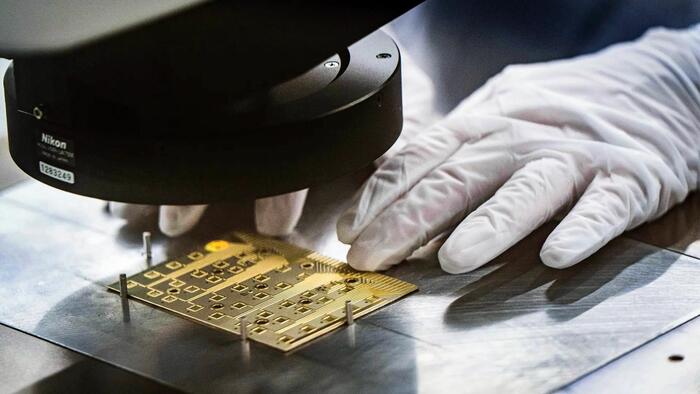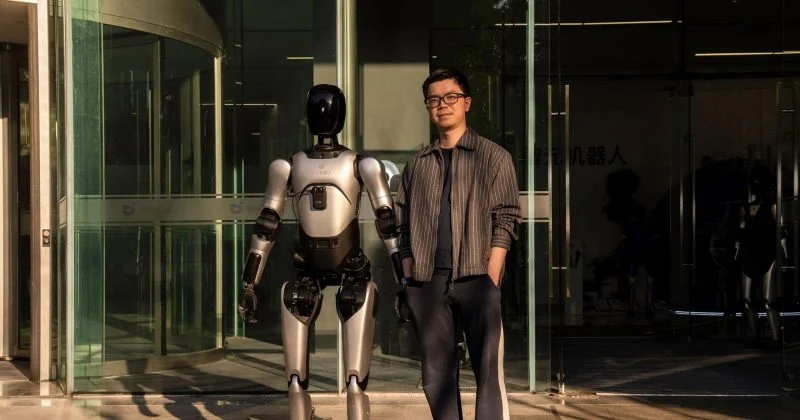
China has decided that winning the AI race isn’t about having the fastest chip. It’s about owning the entire stack, from silicon to software to the factory floor where it all gets deployed.
The country’s full-stack AI strategy integrates domestic semiconductor production, computing infrastructure, foundation models, and real-world applications into a single cohesive national effort.
What full-stack actually means here
Alibaba CEO Joe Tsai put it plainly on June 19, framing the integrated approach as the company’s core strategy. The idea spans proprietary chips through to end-user applications, with no Western dependency at any layer.
China’s 2017 New Generation AI Development Plan laid the groundwork, and the more recent “AI Plus” initiative doubled down on semiconductor localization and economic integration. US export controls on advanced semiconductors forced China’s hand. Huawei and Cambricon have become central players in this hardware-software co-development push.