Thursday 30 July 2026 8:10 am
Meta reported record quarterly revenue of $60.8bn
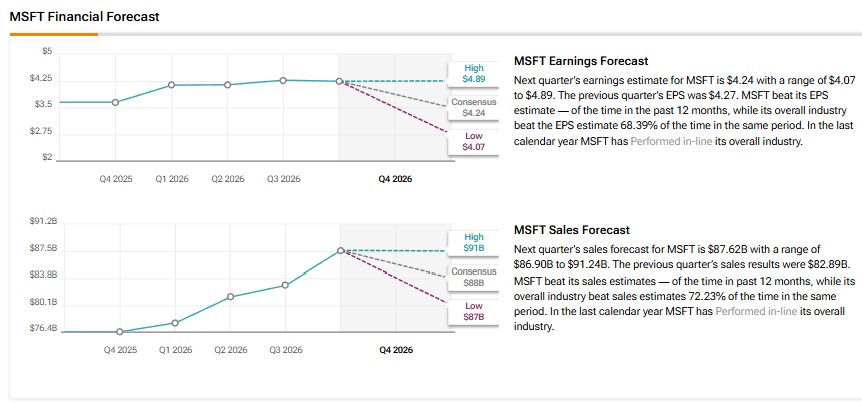
Microsoft saw strong growth over the last quarter as demand for its AI products continued to climb, while Meta’s rising spending on AI overshadowed record sales and sent its shares lower.The two US tech giants reported quarterly results after the closing bell on Wednesday, offering investors a clear picture of whether billions of dollars being poured into AI are starting to generate returns.Microsoft reported revenue of $90bn (£67bn), up 18 per cent from a year earlier; overall profits rose 31 per cent to $35.8bn. Its cloud platform, Azure, revenue grew by 43 per cent, and Microsoft 365 Copilot now has more than 30 million paid users.Meanwhile, Meta reported record quarterly revenue of $60.8bn (£45.5bn), up 28 per cent, but profit fell 14 per cent to $15.8bn after expenses jumped 55 per cent. The Facebook owner also raised its capital spending forecast between $130bn and $145bn this year.Chris Beauchamp, chief market analyst at IG, said Microsoft “appears to be back on track”, with a strong rise in cloud revenue reinforcing recent momentum.He said Meta’s results told a different story, with “eye-watering spending levels still making investors nervous”.Microsoft bets on corporate AI rolloutMicrosoft says businesses are increasingly rolling out AI tools across entire organisations rather than limiting them to small pilot projects, a shift it argues is helping justify the industry’s huge investment in the technology.Charles Lamanna, Microsoft’s executive vice president for Copilot, Agents and Platform, told City AM the company had reached a “tipping point”, with customers expanding from trials involving a few hundred staff to deployments covering tens of thousands of employees.“Whenever you see those big numbers of very large Copilot adoption from our customers, it’s usually safe to assume that’s a reflection of moving from experimentation to production,” he said, pointing to deployments involving between 50,000 and 500,000 workers.Lamanna said tech firms, banks and pharmaceutical firms had been the quickest to adopt AI, while manufacturers and healthcare providers had accelerated their use over the past year.He cited NHS rollouts alongside deployments at Volkswagen and Stellantis as examples of organisations moving beyond early testing.He also denied any concerns over AI reliability as a barrier to adoption. “A lot of the big blockers are resolved,” Lamanna said. “We’ve definitely started to reach a tipping point.”Tracy Woo, principal analyst at Forrester, said Microsoft’s latest results suggested its investment in AI infrastructure was “beginning to deliver returns”, helped by rising demand for Copilot and continued growth in its cloud business.She added, however, that questions remained over whether Microsoft could sustain profit margins as it continues spending heavily on new data centres.For Meta, despite another quarter of record sales, free cash flow fell to $784m from $8.55bn a year earlier, while Reality Labs, the division behind its virtual reality headsets and AI glasses, lost $4.6bn in the quarter.Kathleen Brooks, research director at XTB, said investors had looked beyond Meta’s revenue growth and instead focused on the company’s rising costs and lower cash generation as it accelerates spending on AI infrastructure.“Meta’s cash burn rate also looks unsustainable, especially since recent announcements that data centres in Alberta and Louisiana would cost nearly $60bn to build”, she said.