The RAG Security Gap
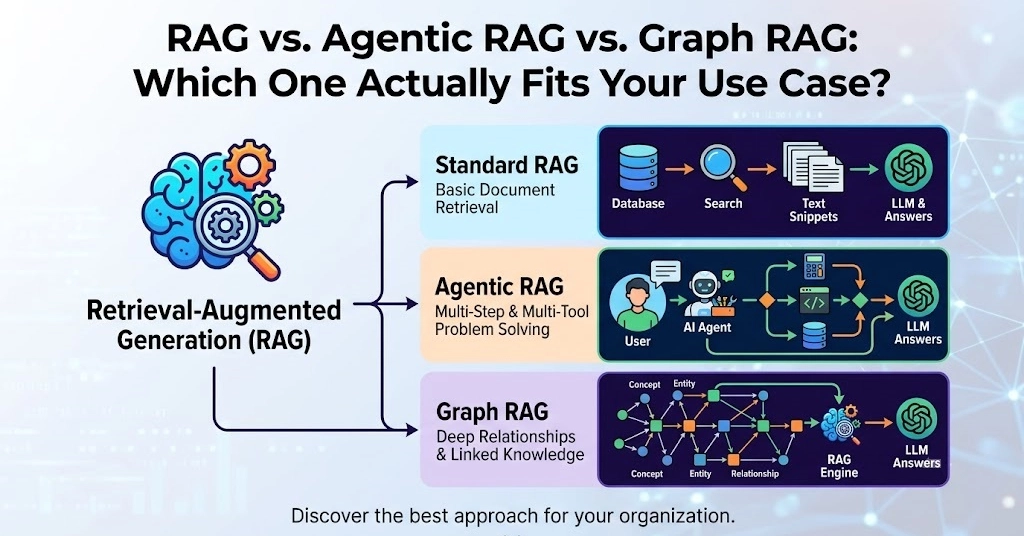
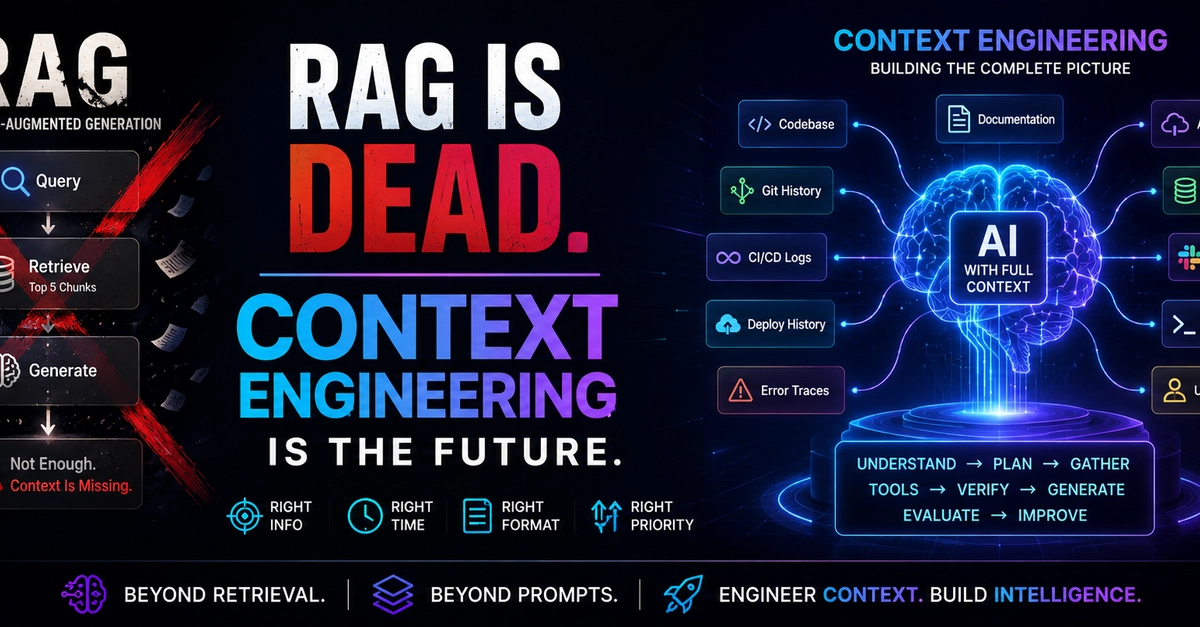
Retrieval-Augmented Generation (RAG) has rapidly emerged as the foundational architecture for grounding enterprise AI agents in proprietary corporate knowledge. By pairing Large Language Models (LLMs) with high-density vector databases and knowledge graphs, organizations enable agents to answer complex queries, analyze financial records, and automate customer support workflows using live operational context.
However, as agentic workflows transition from prototype sidecars to core infrastructure, exposing unstructured enterprise data to vector search pipelines introduces severe, unmonitored security surfaces.
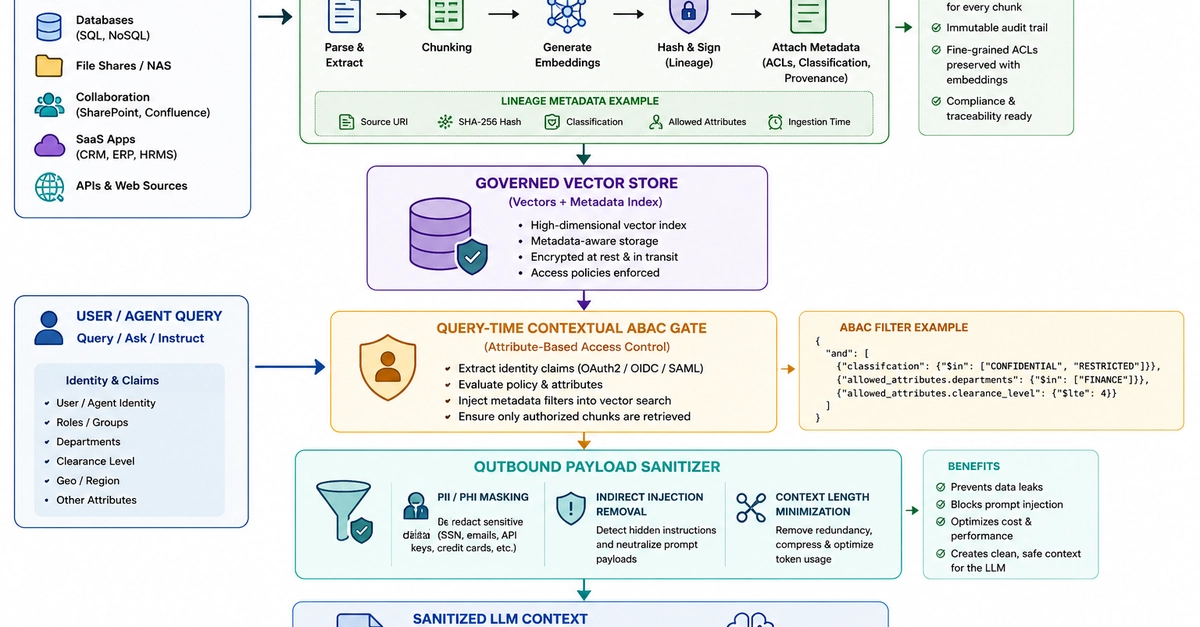
When an LLM retrieves document chunks from vector stores, traditional identity management frameworks break down. Role-Based Access Control (RBAC) configured in legacy SQL databases or cloud storage buckets does not natively translate into vector embedding spaces.
If a vector store ingests documents without preserving fine-grained document-level Access Control Lists (ACLs) or cryptographic data lineage, autonomous agents operate in an over-permissioned context.