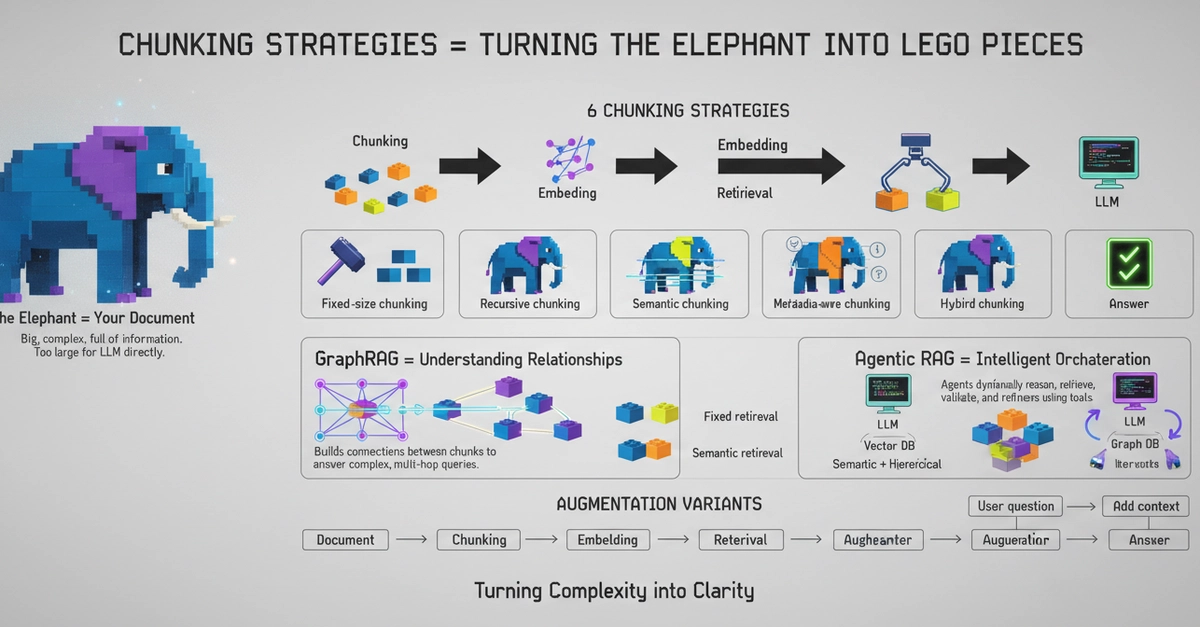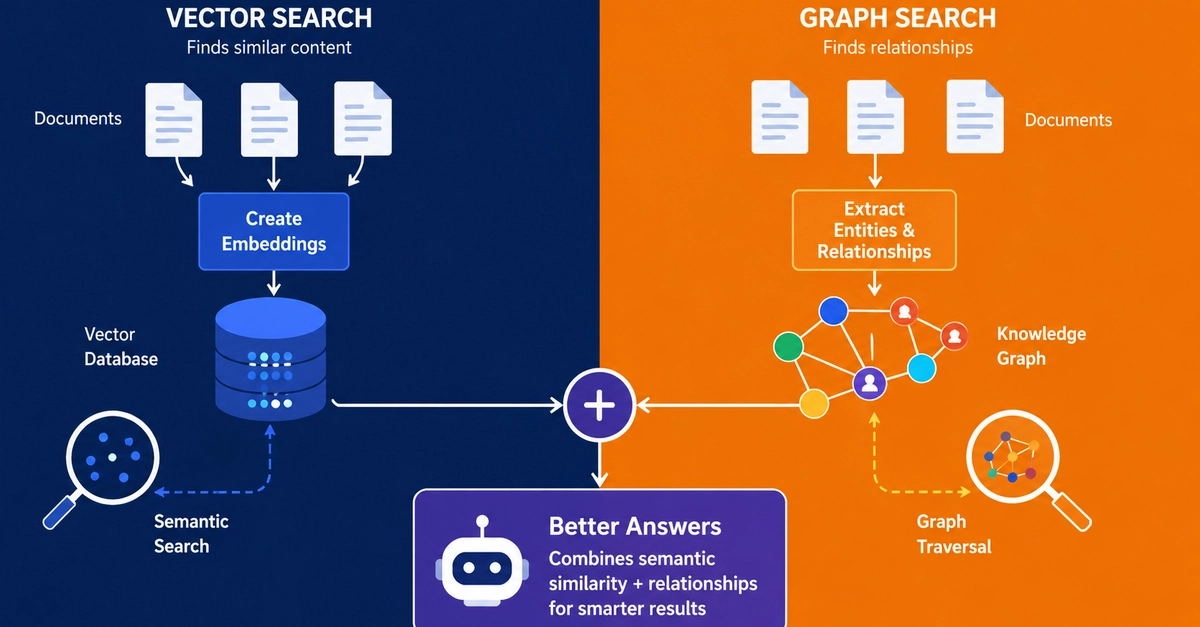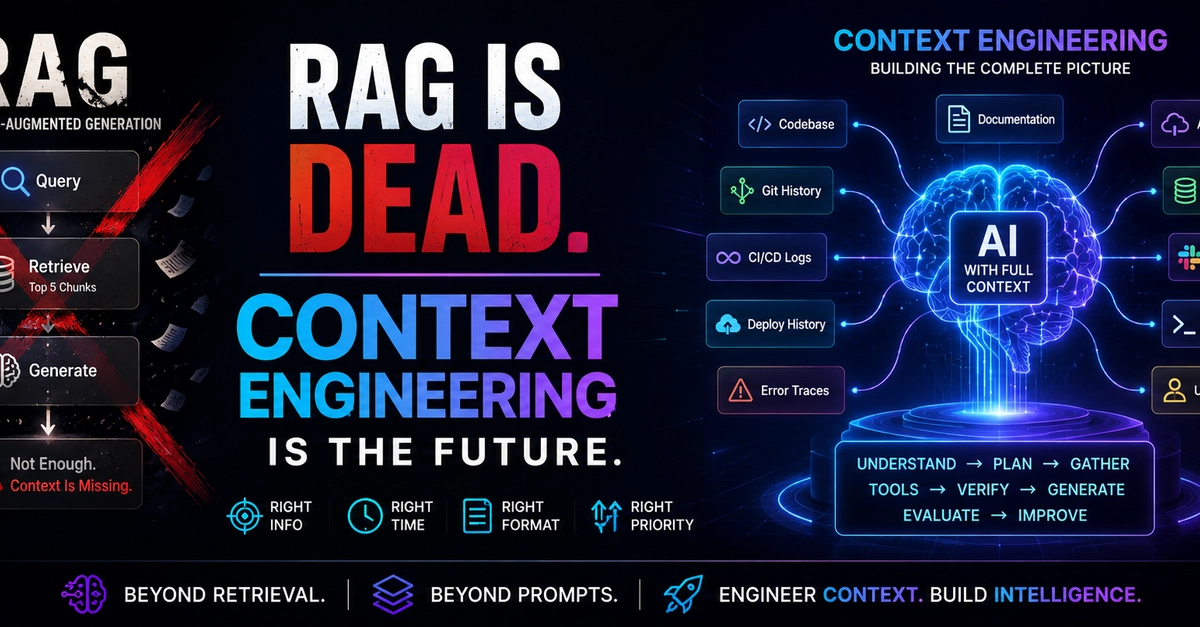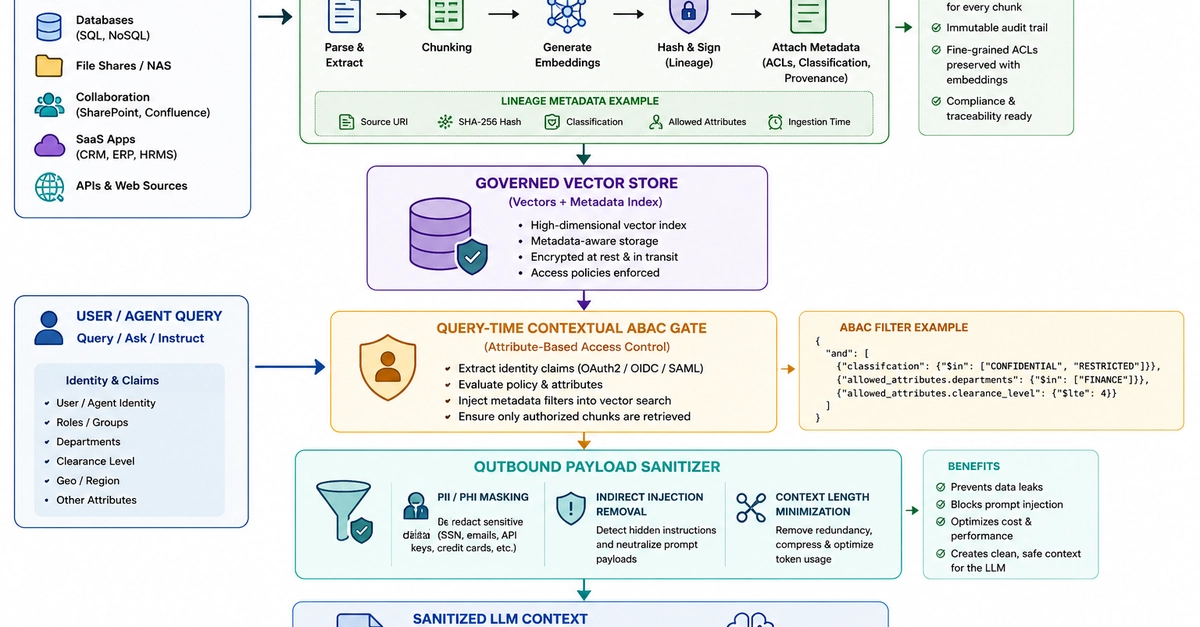
RAG architectures are good at one thing: surfacing semantically relevant documents. That's also where they stop.
A framework called a decision context graph addresses that gap by giving agents structured memory, time-aware reasoning, and explicit decision logic. Rippletide, a startup in the Neo4j ecosystem, has built one. The key capability: agents that are non-regressive, able to freeze validated sequences of actions and compound on them over time.
Keep Watching
“The key point you want is non-regressivity: How do you make sure that, when the agent will generate something new, you can compound on the previous discoveries?” said Yann Bilien, Rippletid’s co-founder and chief scientific officer.
Why RAG doesn’t go far enough