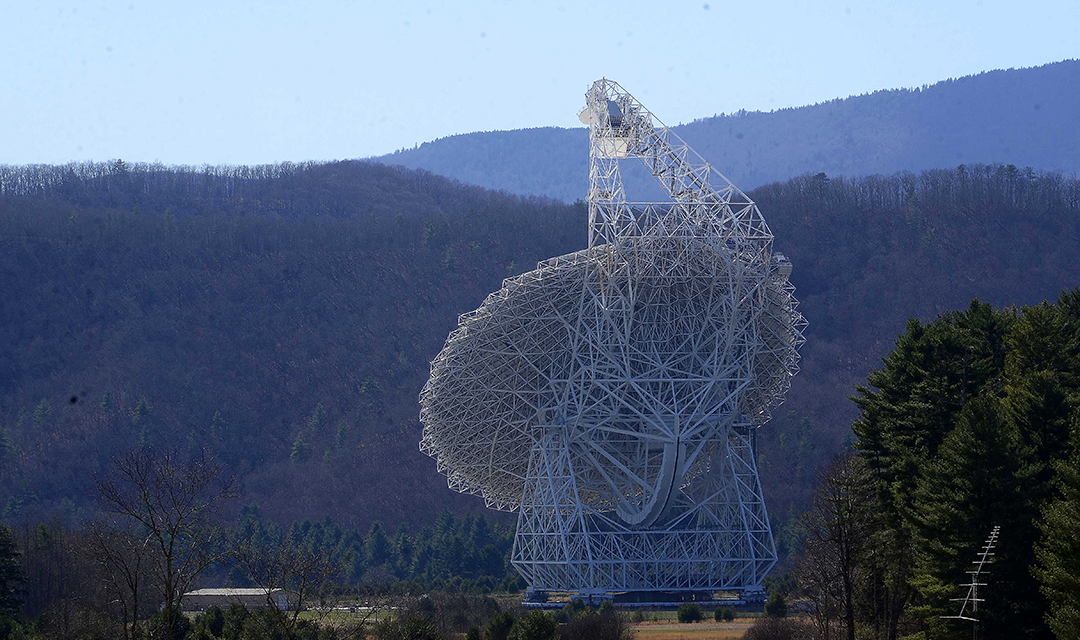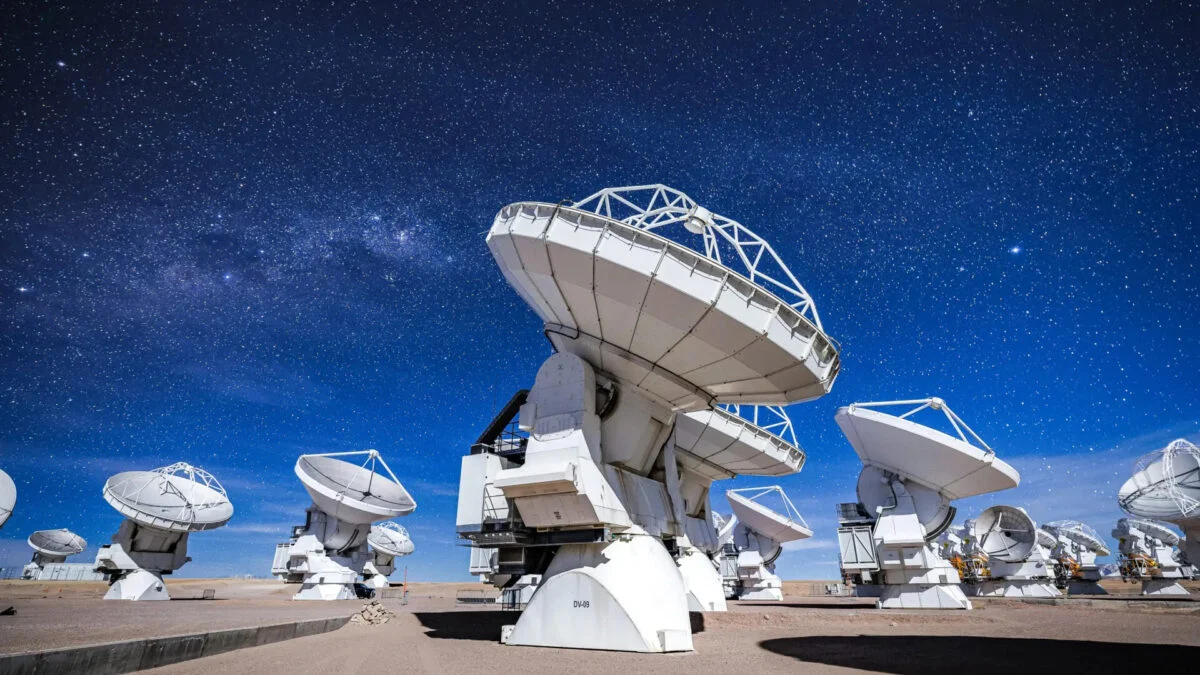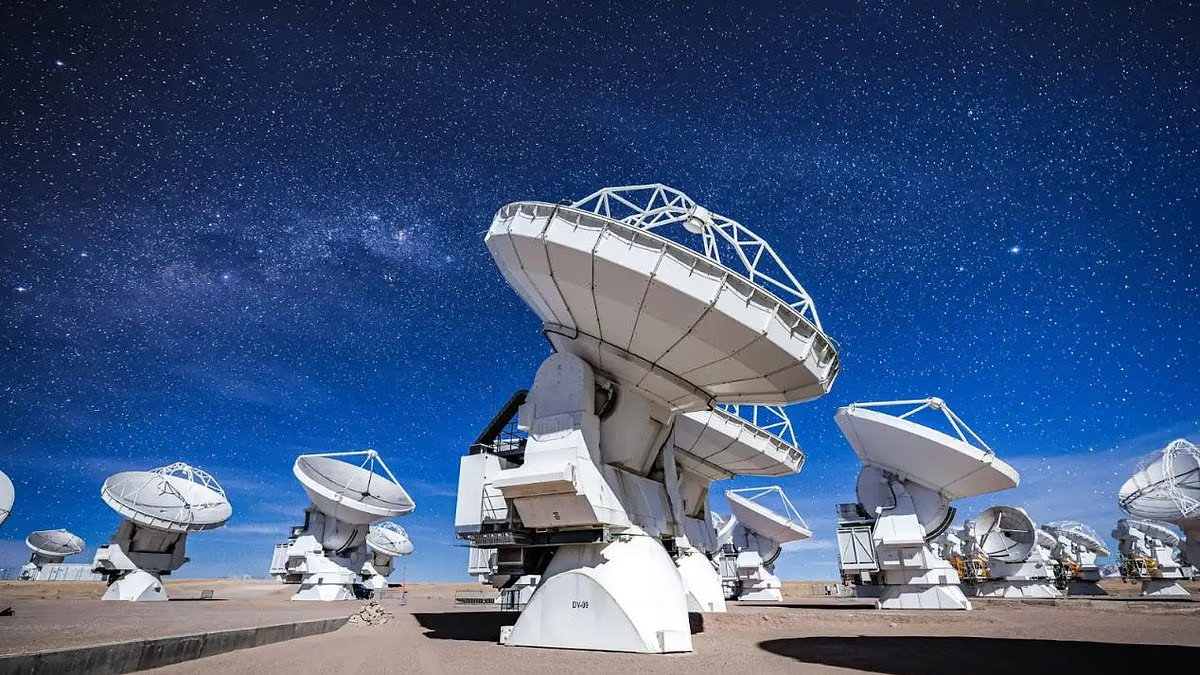
Astronomers looking for evidence of intelligent life beyond Earth may have overlooked promising signals simply because they have concentrated on a relatively narrow portion of the radio spectrum.
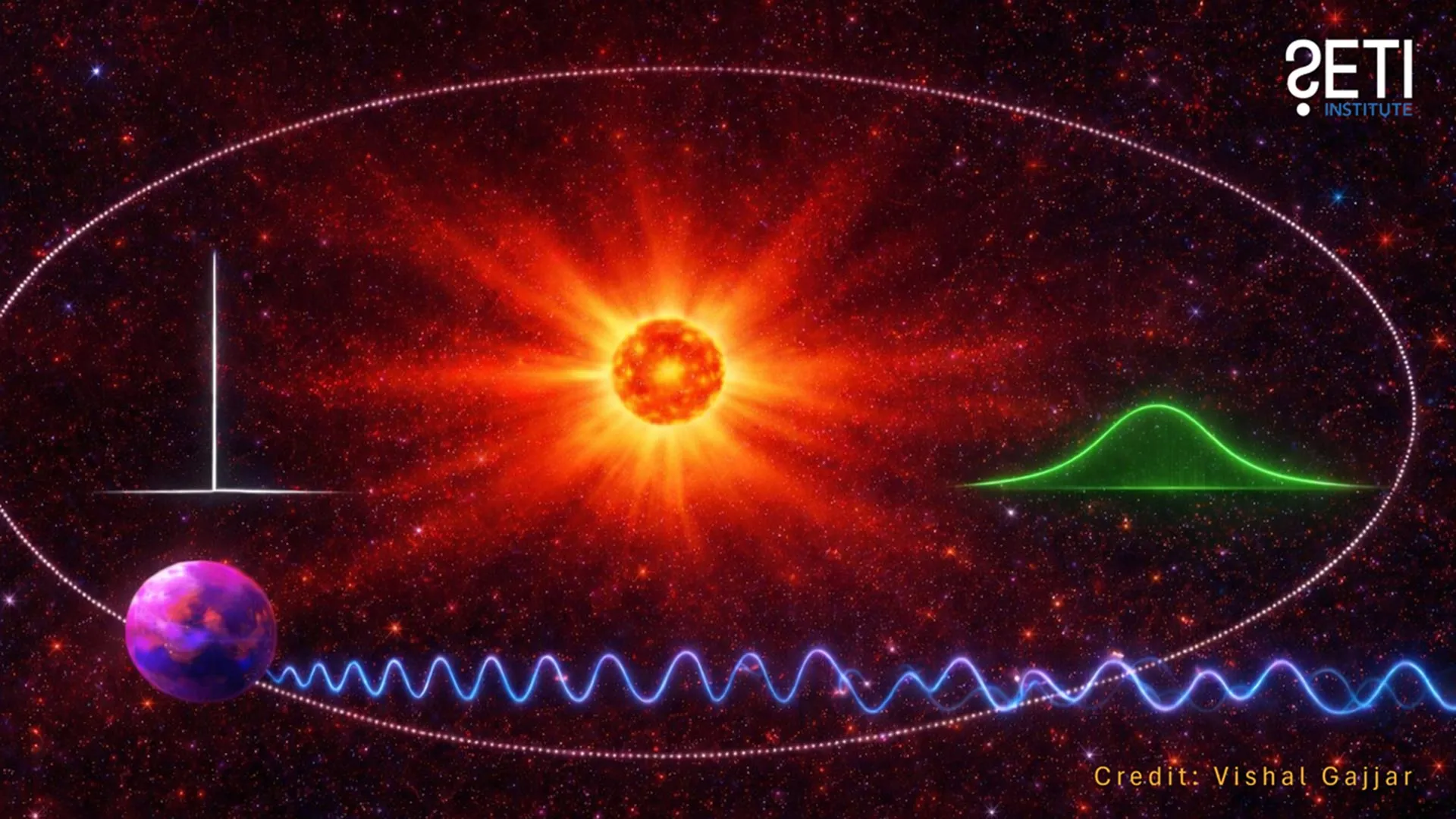
Most radio SETI (Search for Extraterrestrial Intelligence) projects have targeted frequencies between 1.42 and 1.66 GHz. This region is often called the 'water hole' because it falls between the natural radio emissions produced by hydrogen and hydroxyl, which combine to form water.
Researchers have long considered this quiet region of the spectrum a potentially logical meeting place for interstellar communication. An advanced civilization might recognize the importance of hydrogen and hydroxyl and choose to send or monitor signals there.
Searching Beyond the Cosmic Water Hole
New research now suggests that higher radio frequencies could offer another valuable place to search for technological signals from distant civilizations. The findings are being presented this week at the Royal Astronomical Society's National Astronomy Meeting in Birmingham.