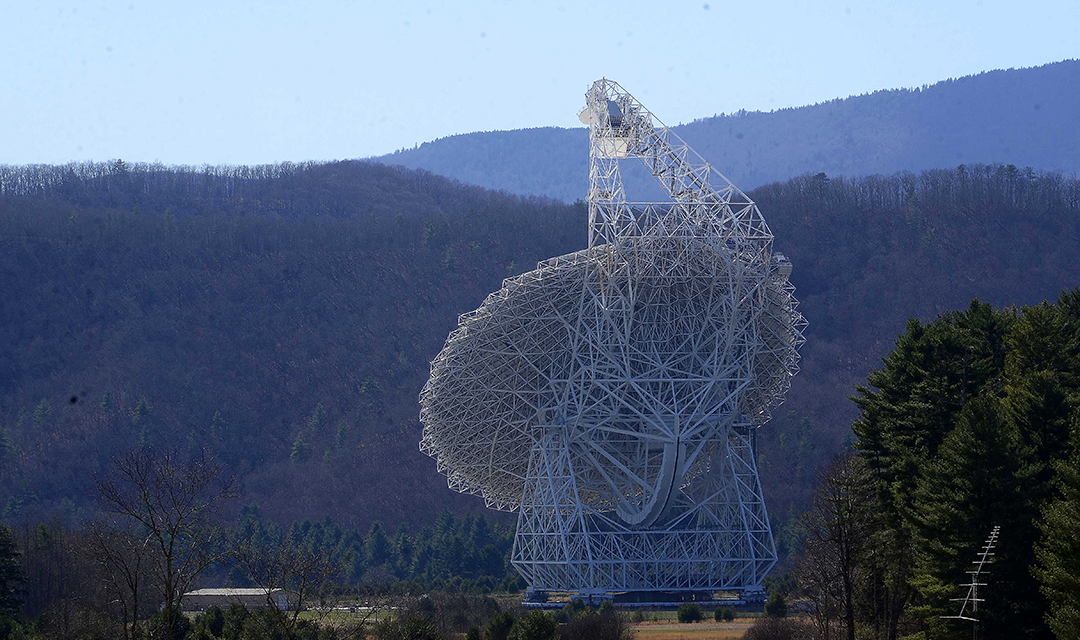
Radio telescopes give us a glimpse into the cosmos. Detecting faint radio waves from stars, galaxies, and black holes, these instruments allow scientists to monitor the universe without interruption. Despite their size, radio telescopes are designed to detect extremely weak cosmic signals. Because of this high sensitivity, even low-power local radio interference can dominate the signal and mask the astronomical data.
Radio quiet zones (RQZs) are essential for the operation of radio telescopes. With legal restrictions on WiFi, Bluetooth, cell phones, and radio broadcasts, RQZs protect sensitive radio astronomy telescopes and military intelligence equipment from interference. However, despite layers of regulation, the quiet is breaking down. Over the past few years, there has been an increased proliferation of various terrestrial wireless communication technologies around the world. Consumer electronics, like phones and routers, constantly leak energy across the spectrum. Just a faint, persistent signal from a faulty device, like a microwave oven miles away, can blur the data from a distant galaxy, or mask the signature of a pulsar entirely.
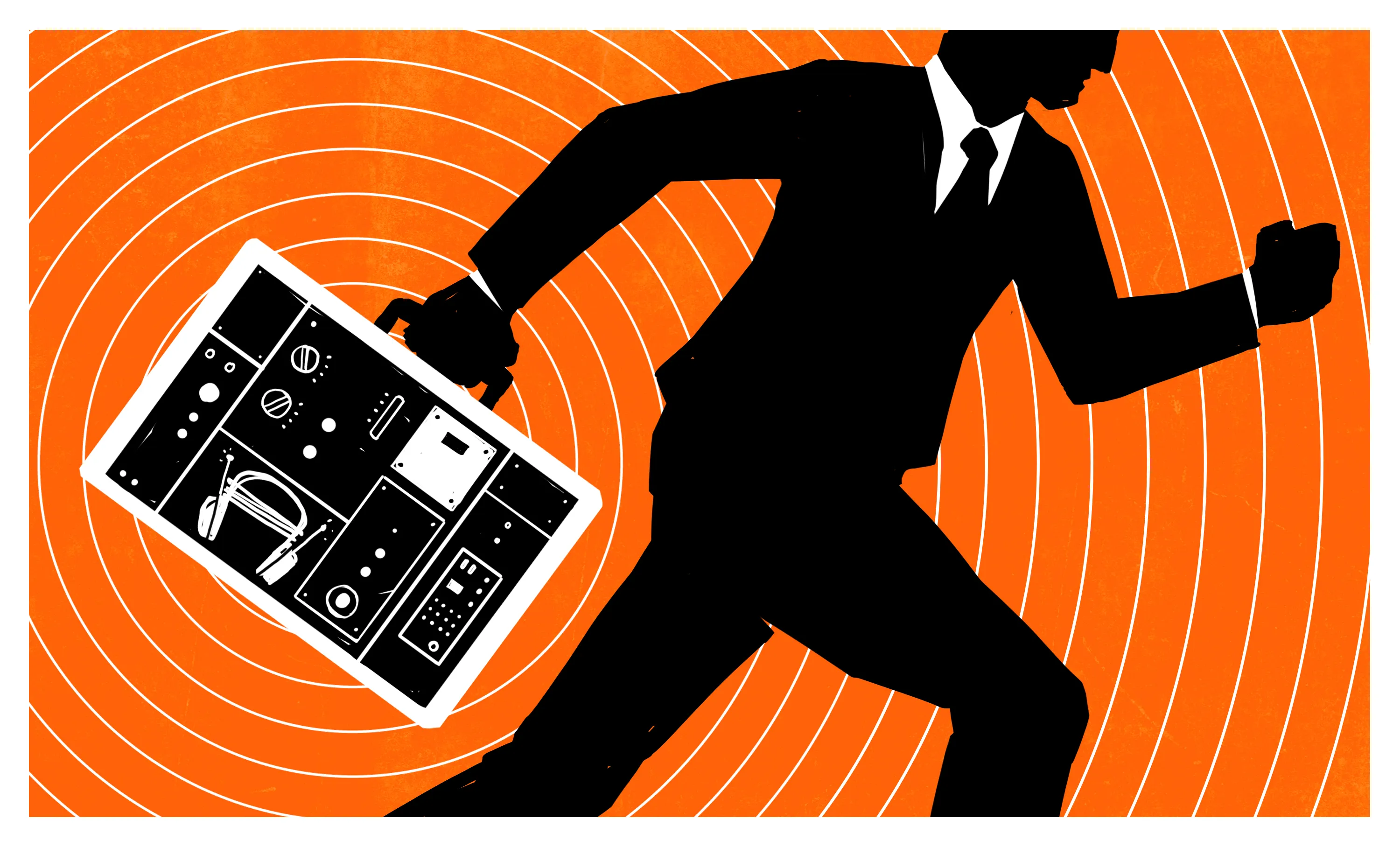
Traditionally, tracking down these rogue signals has been time-consuming. Engineers load up trucks with spectrum analyzers and drive, triangulating signals based on power readings. It’s slow, expensive, and deeply human.