As artificial intelligence increasingly becomes a part of ecological monitoring, a growing body of research suggests integrating Indigenous ecological knowledge (IEK) into ethical frameworks for AI governance to prioritize environmental reports contributor Shradha Triveni for Mongabay.
Researchers in a recent study published in the journal AI and Ethics examined how the Navajo philosophy of Hózhó, meaning balance and harmony, and the Māori concept of Kaitiakitanga or guardianship, could reshape AI development. They argue that these Indigenous values emphasize collective responsibility and reciprocity, offering a basis for questioning the environmental costs of large-scale AI models.
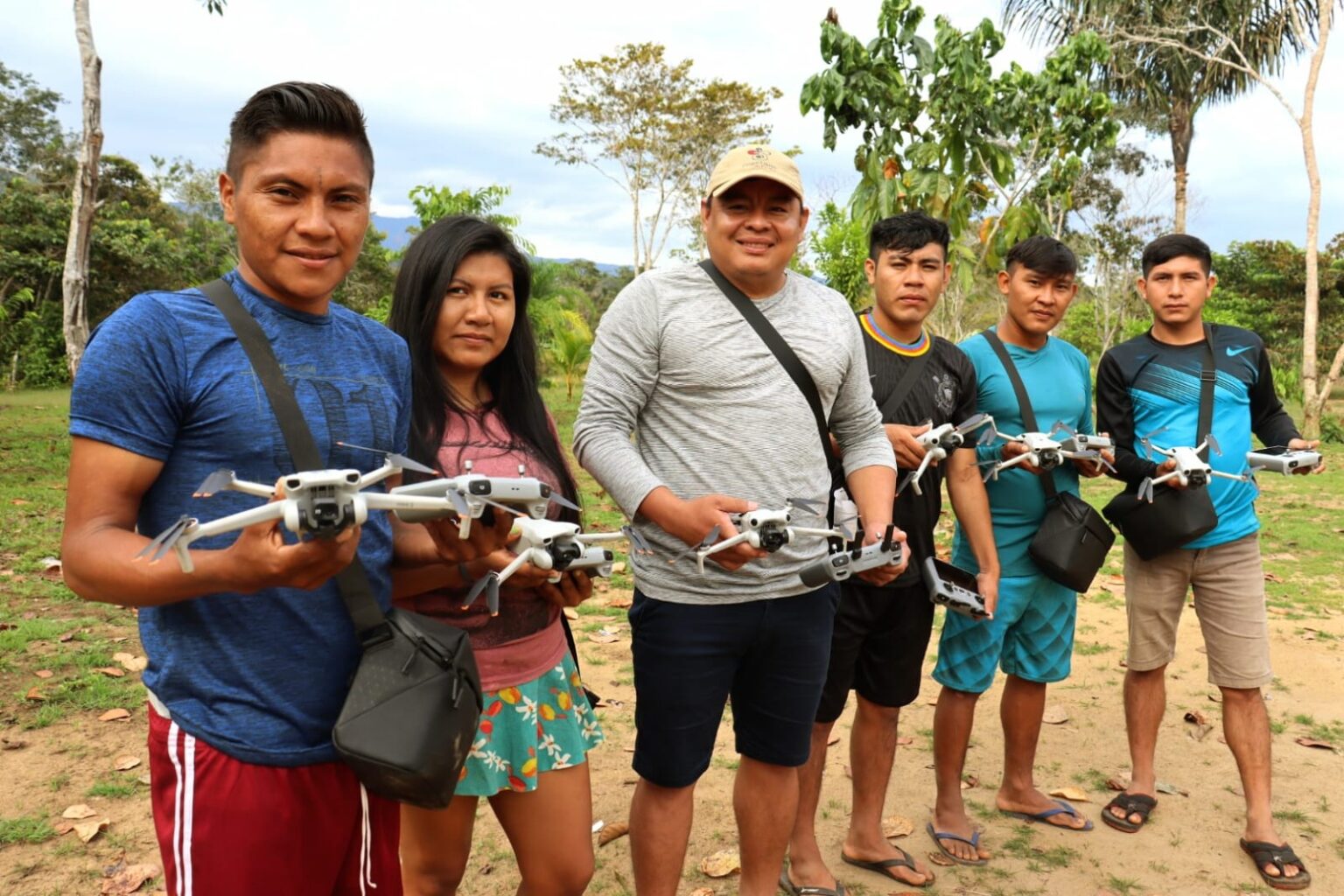
AI tools are already being used in partnership with Indigenous communities to track illegal mining in the Amazon and causes of deforestation in the Congo Basin and Indonesia. But AI infrastructure often poses significant risks. Data centers, for instance, can place immense stress on local water resources.
In another study, Sebastián Lehuedé, a researcher at King’s College London, observed that Indigenous resistance to such infrastructure, such as efforts that recently halted a Google data center in Chile, views natural resources as enabling a way of being rather than as commodities to be owned.