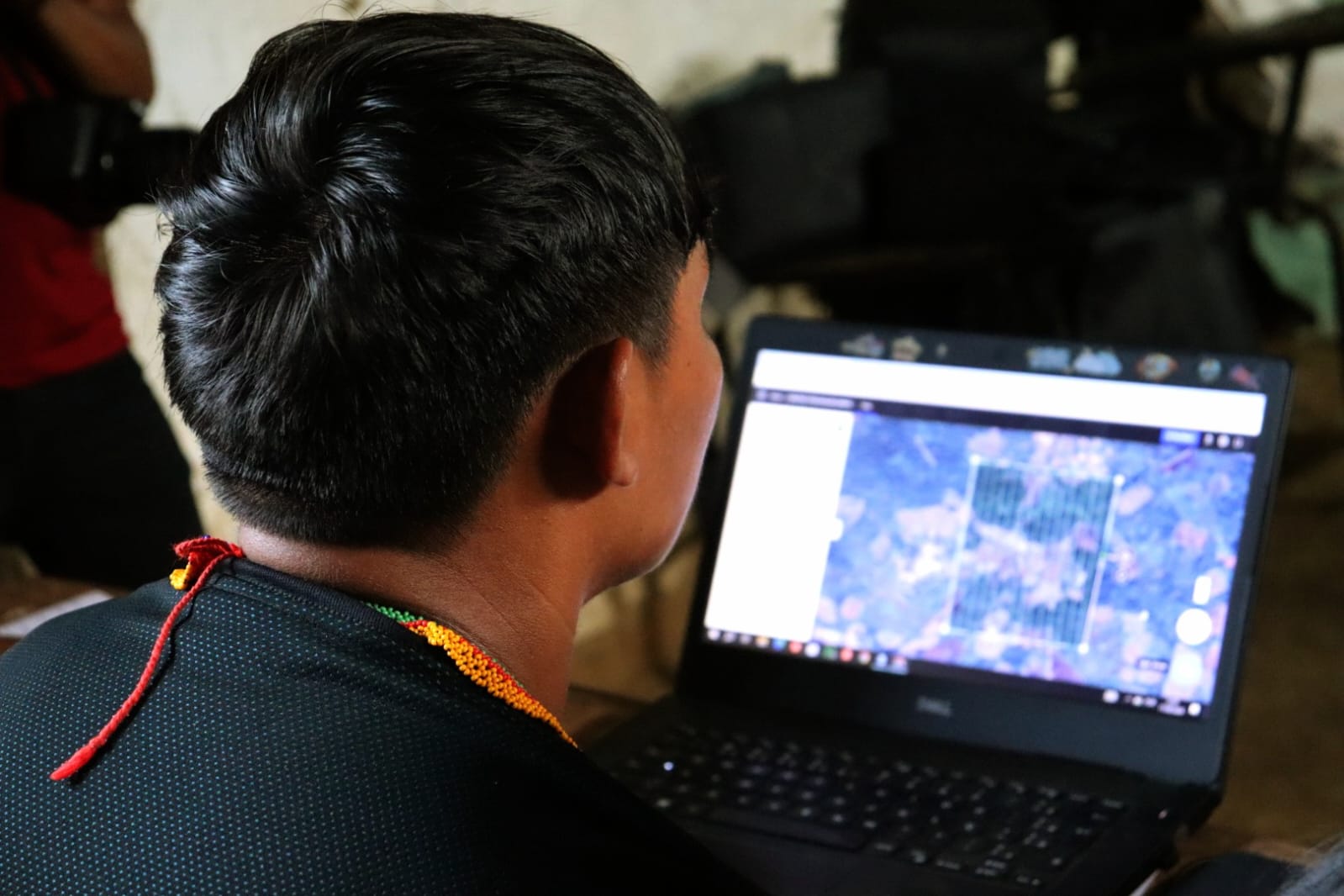
A recent study provides a framework for the integration of Indigenous knowledge and values into AI governance and examines how these ethical principles can translate to practical requirements for individual AI projects.The authors say that Indigenous ecological knowledge embodies collective responsibility and could provide an ethical basis for questioning whether the scale of a proposed AI model is justifiable given its environmental cost, prioritizing ecological integrity over unbounded technological expansion.Some Indigenous researchers voice skepticism over whether a broad category of ‘Indigenous values’ exists and whether Indigenous knowledge could truly be translated into AI tools.
Nicole Horseherder has seen the impacts of unsustainable development on Indigenous communities. A Navajo environmental activist and co-founder of Tó Nizhóní Ání (Sacred Water Speaks), a Diné-led nonprofit organization based in Arizona in the U.S., she has spent years protecting water that sustains communities from industrial use.
She sees parallels with today’s artificial intelligence development, she said.
As technology is advancing at an unprecedented rate, a growing body of research is looking at Indigenous knowledge systems for guidance on ethical frameworks for AI. But for someone like Horseherder, Indigenous knowledge is not data to be harvested, she said.