These contemporary Native artists are reimagining relationships between technology, memory, and resistance.
There is no word for art in most Native American languages. Instead, the closest terms speak not to objecthood but to action and intention. In Lakota, “wówačhiŋtȟaŋka” implies deep thought or reflection, while “wóčhekiye” suggests offering or prayer. Art is not separate from life; it is ceremony, instruction, design. Like architecture or code, it carries knowledge and enacts responsibility. Its power lies not in being preserved or displayed but in how it moves, teaches, and connects through use—principles that challenge the tech industry’s assumptions about intelligence and interaction.
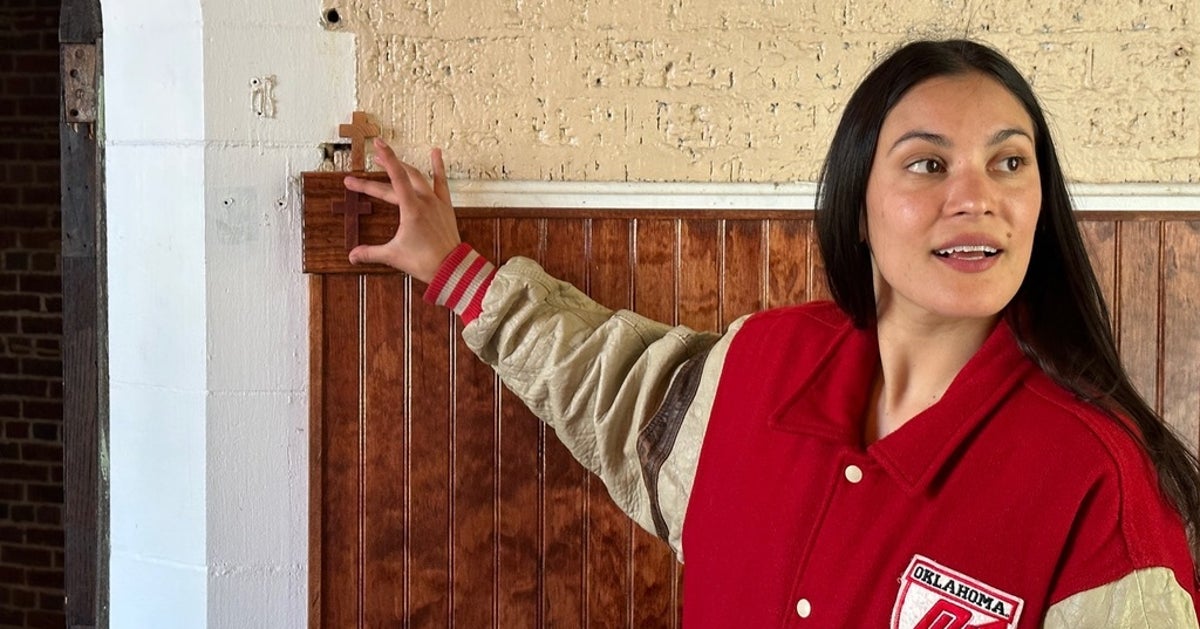
A new vanguard of Native artists—Suzanne Kite (Oglala Lakota), Raven Chacon (Diné), and Nicholas Galanin (Tlingít)—are building on this principle. They are united not by stereotypical weaving and carving or revanchist critique of Silicon Valley, but through their rejection of extractive data models in favor of relationship-based systems. These technologists put the human-tech relationship at the center of their work.
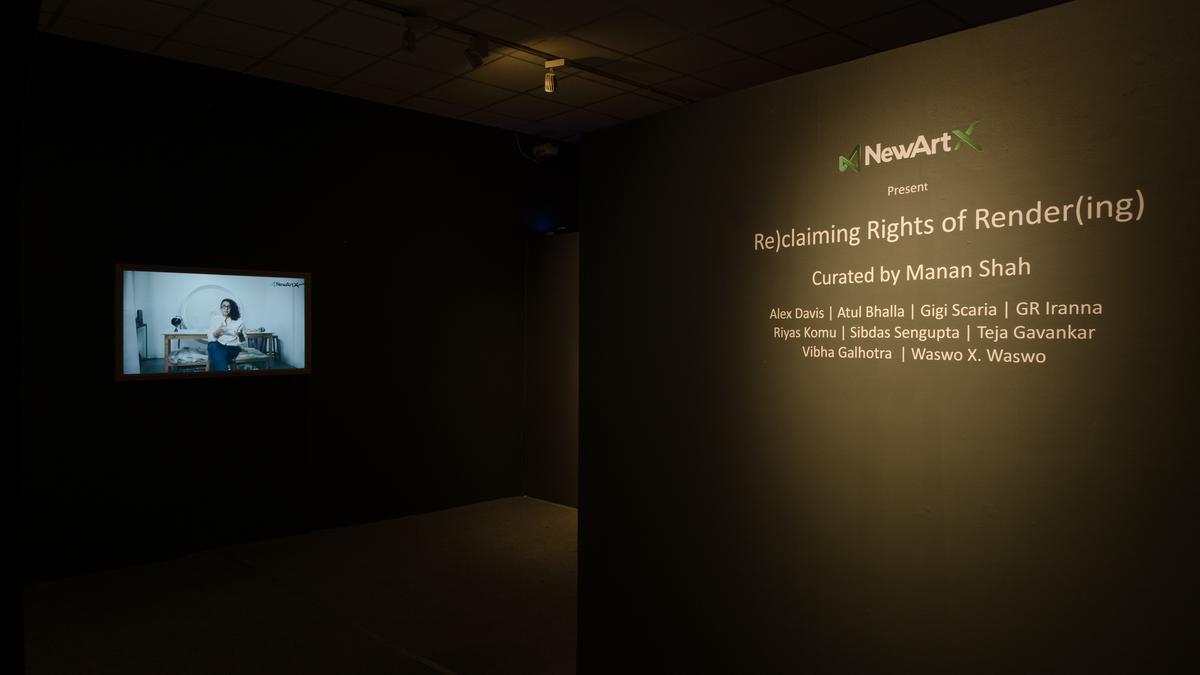
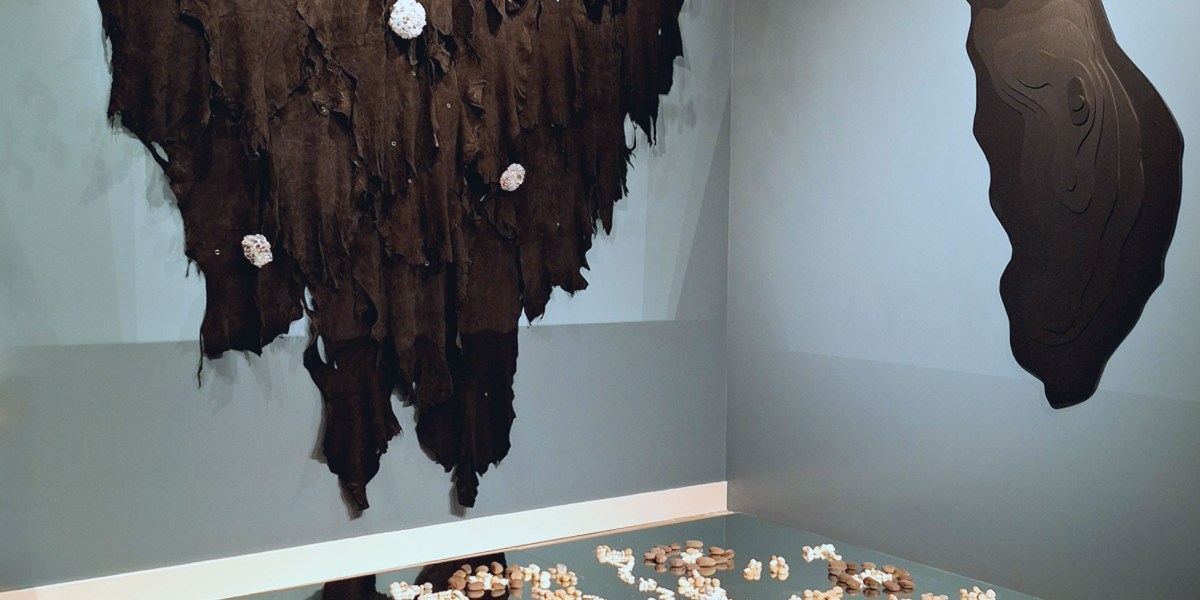
Suzanne Kite’s AI art installations, for example, model a Lakota framework of data sovereignty: intelligence that emerges only through reciprocal, consensual interaction. Unlike systems that assume user consent via opaque terms of service, her kinetic machines require the viewer’s physical presence—and give something back in return.