Copy Link Copied! Republish
The Markup, now a part of CalMatters, uses investigative reporting, data analysis, and software engineering to challenge technology to serve the public good. Sign up for Klaxon, a newsletter that delivers our stories and tools directly to your inbox.
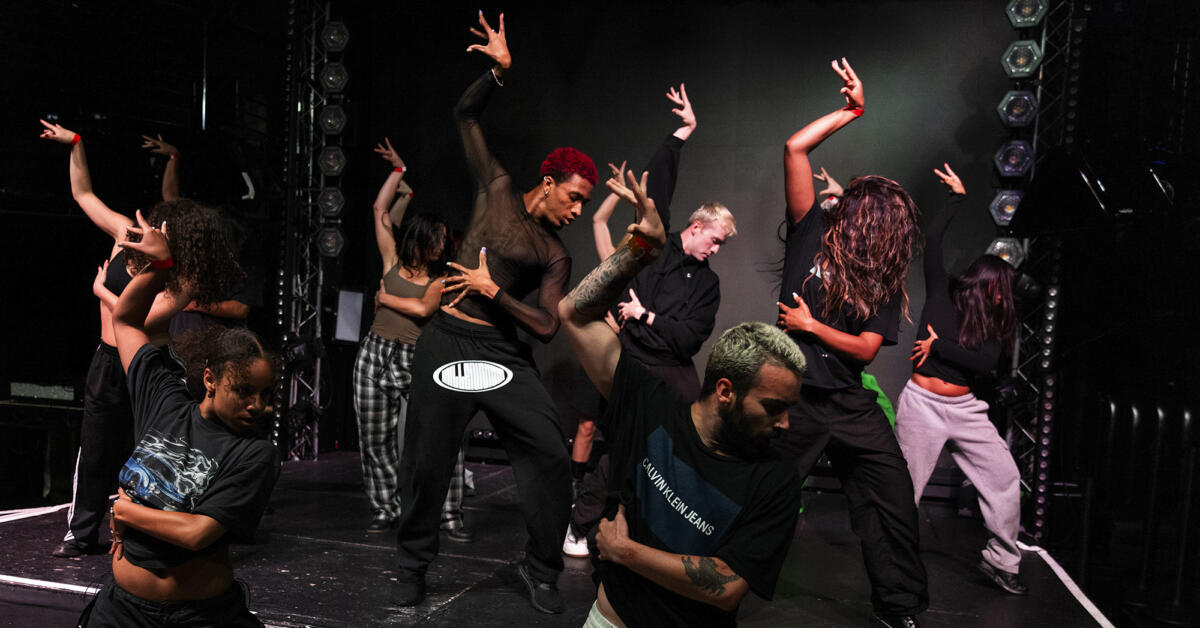
Bird singing and dancing, as practiced by the Cahuilla Band of Indians, tell a story about the creation of the world, and how the Cahuilla migrated to their current home in Southern California. Moving the same way your ancestors did, perhaps on the exact same land, makes you feel part of the past, present, and future all at once, said tribal member Emily Clarke. She’s done bird dance with her loved ones since she was 7 years old—an act, she said, not only of spirituality but also of perseverance, since bird dance is among the acts of Native American culture nearly eradicated by colonization and U.S. government policy.
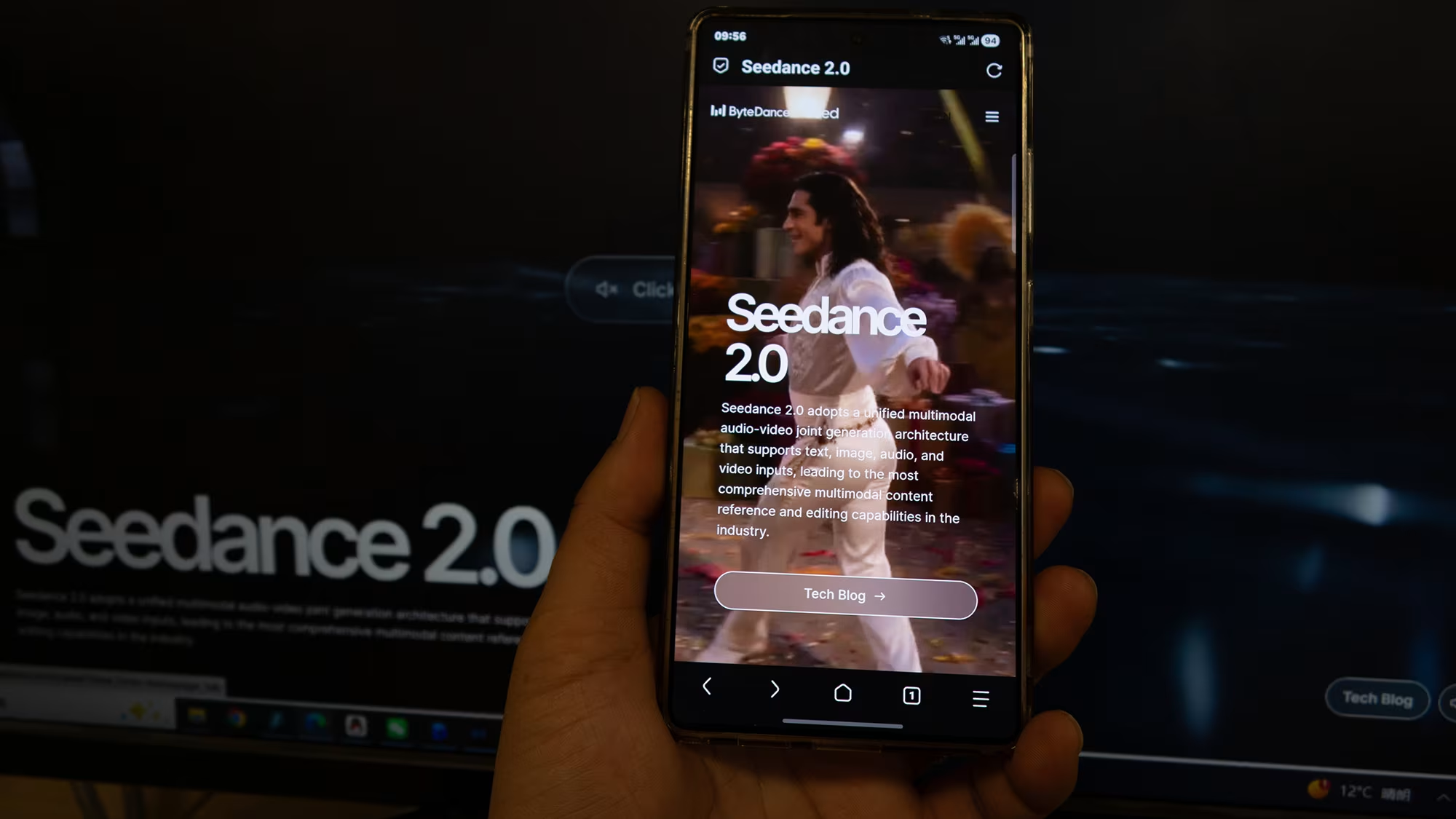
So when Clarke heard that some generative artificial intelligence models, like Google’s Veo 3 and OpenAI’s Sora 2, can mimic the dance, her first thought was that it was wrong, distasteful and disrespectful. Then she wondered briefly if automated forms of bird dance could help preserve her culture—before deciding they can’t, since they will never replicate the conversations and community bonds that have helped give Cahuilla bird dance its distinct style and impassioned practitioners.