Researchers are weaving Native practices with western methods to revive ecosystems and reclaim food sovereignty
“I’m a glorified clam counter.”
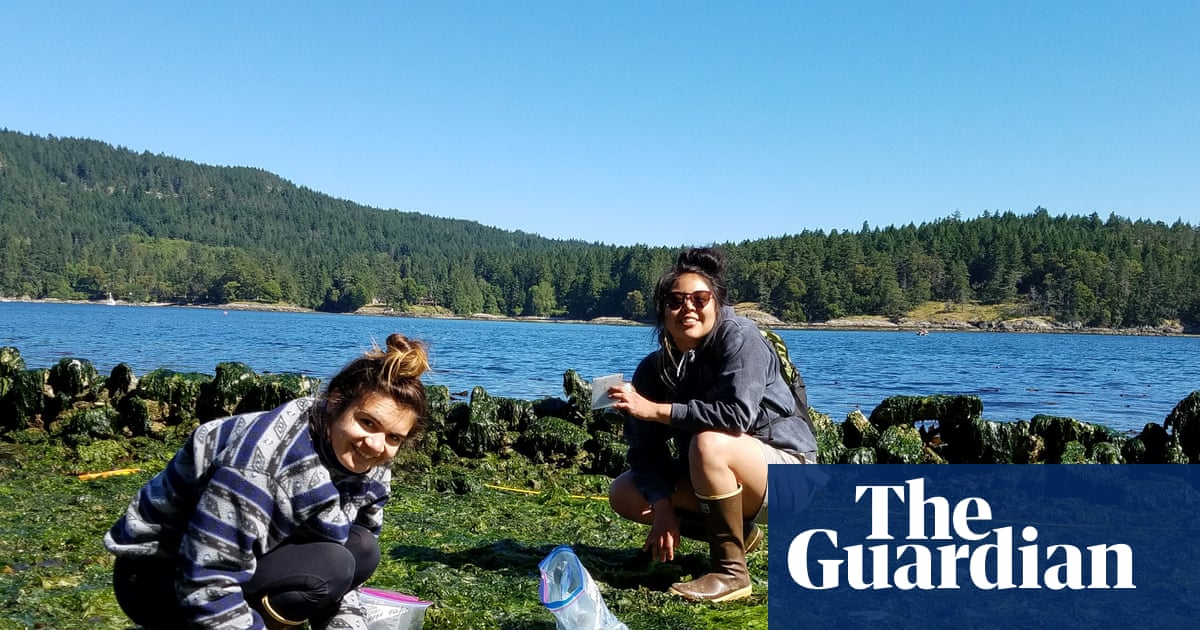
So said Marco Hatch, a marine ecologist at Western Washington University and an enrolled member of the Samish Indian Nation. Hatch has been conducting surveys of mollusks growing in and around clam gardens in the Pacific north-west, as he collaborates with seven Indigenous communities to build or rebuild these rock-walled, terraced beaches once created and tended by their ancestors.
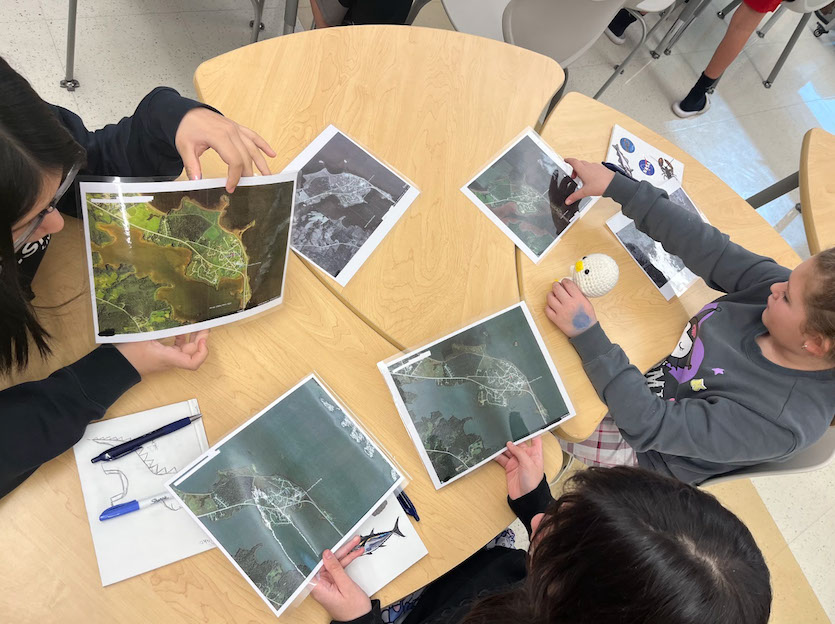
Hatch’s surveys in service of this reclamation are rooted in western scientific methodology and increase understanding about beach ecology and clam health. But, just as important, the data Hatch provides can help these nations obtain the local, state and federal permits they need to maintain or re-engineer these structures. And that helps them assert greater control over their heritage and regain food sovereignty for their communities.
Rather than dismissing Indigenous knowledge, more western scientists are discovering its viability for themselves and adjusting their research goals to embrace it.