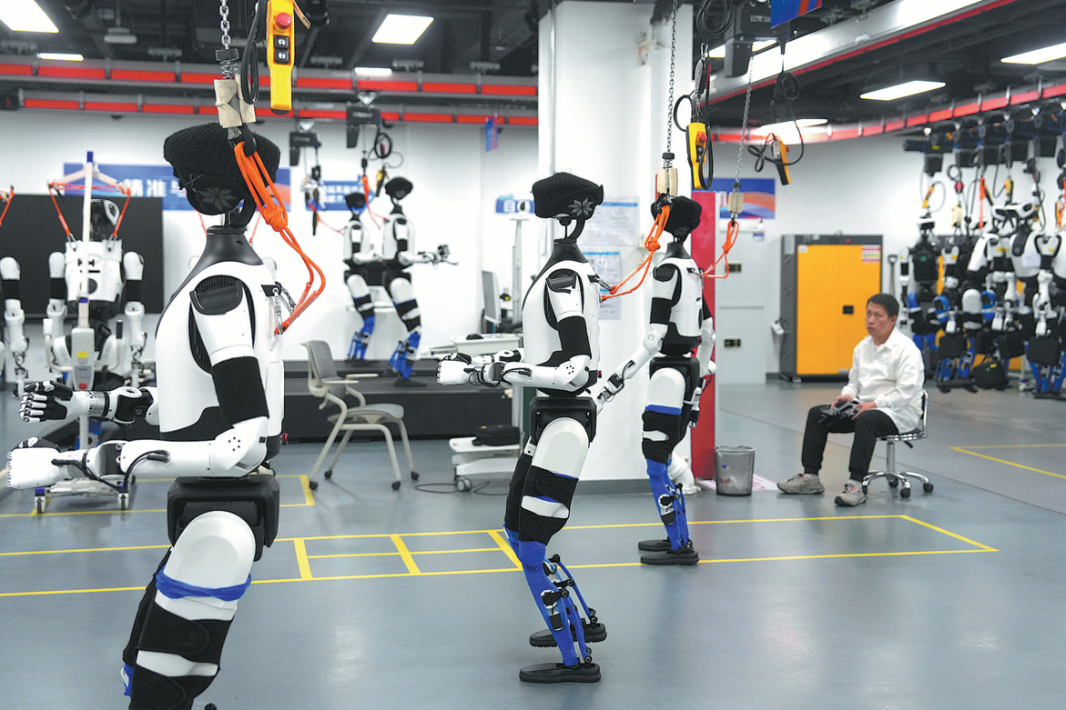
AIOLIA’s findings suggest the next challenge for AI ethics is understanding not only what AI does, but what it does to people
Artificial intelligence is often judged by what it can do. Can it make better decisions? Is it transparent? Is it fair? Researchers behind the Horizon Europe-funded AIOLIA project believe the more pressing question is no longer about the technology alone, but about what increasingly intelligent systems are doing to the people who use them.
“The starting premise of AIOLIA is about ‘what is the role of technology for human beings?’” Petra Saskia Bayerl, head of research and professor of digital communication and security at CENTRIC, told Euractiv. “What AIOLIA does is to look at how AI shapes our behaviour and cognition.”
That, she argues, is what makes AI fundamentally different from previous technologies.
“AI is different because it increasingly takes over tasks we traditionally associated with human thinking. It can make cognitive work more efficient, automate certain decisions and identify patterns that we once considered uniquely human capabilities,” she said.