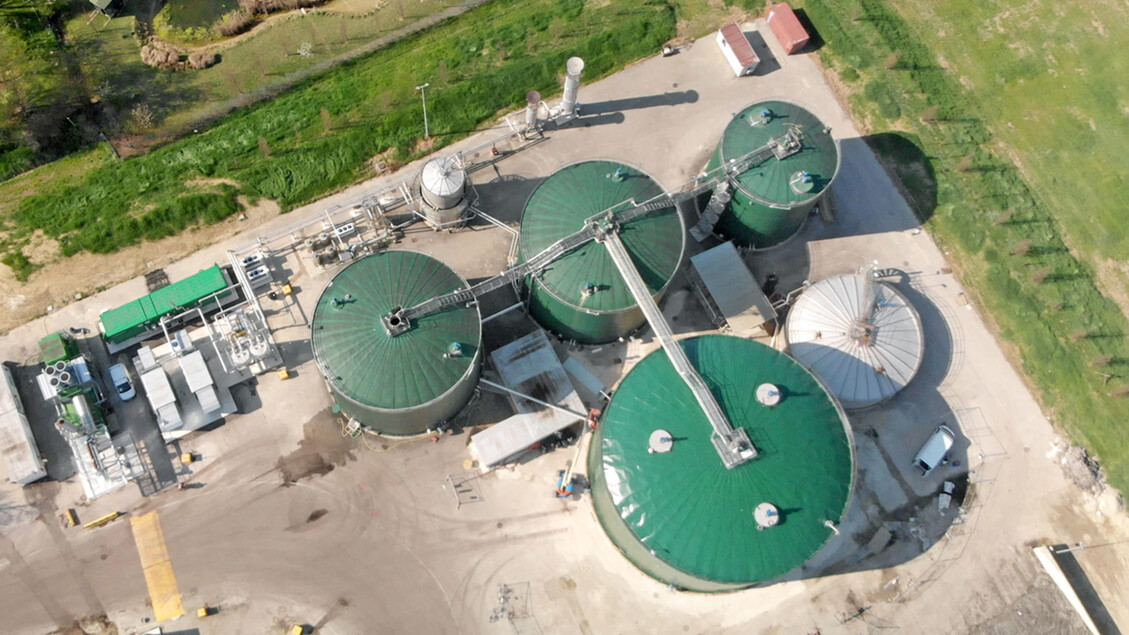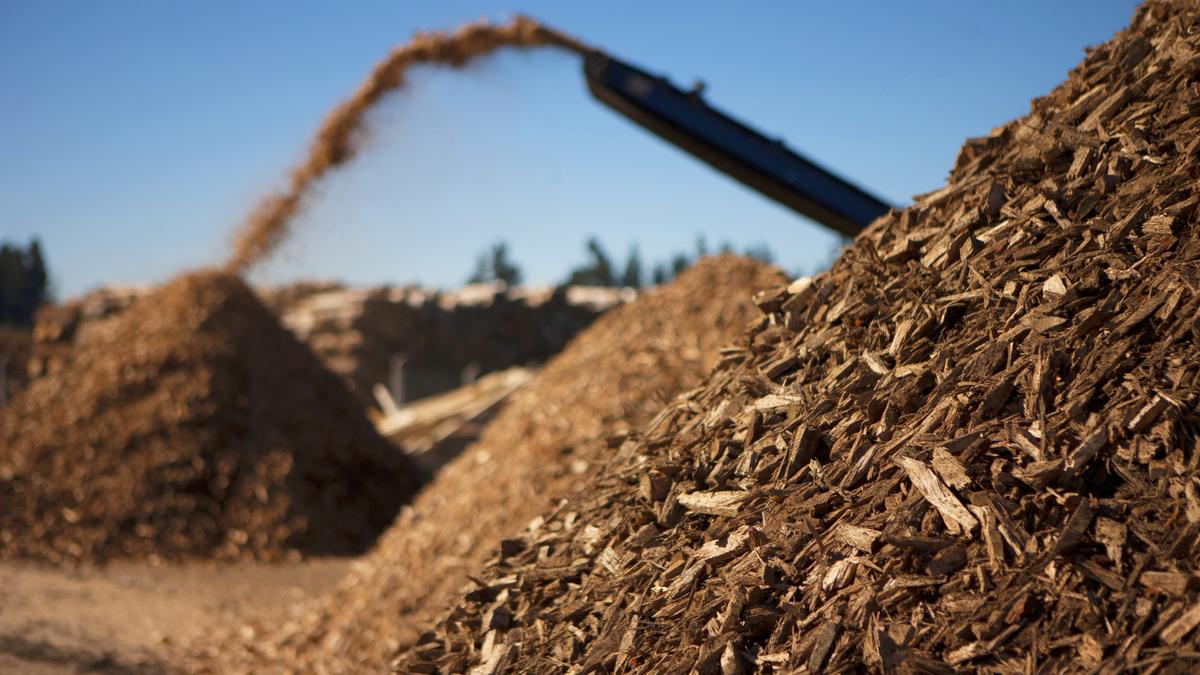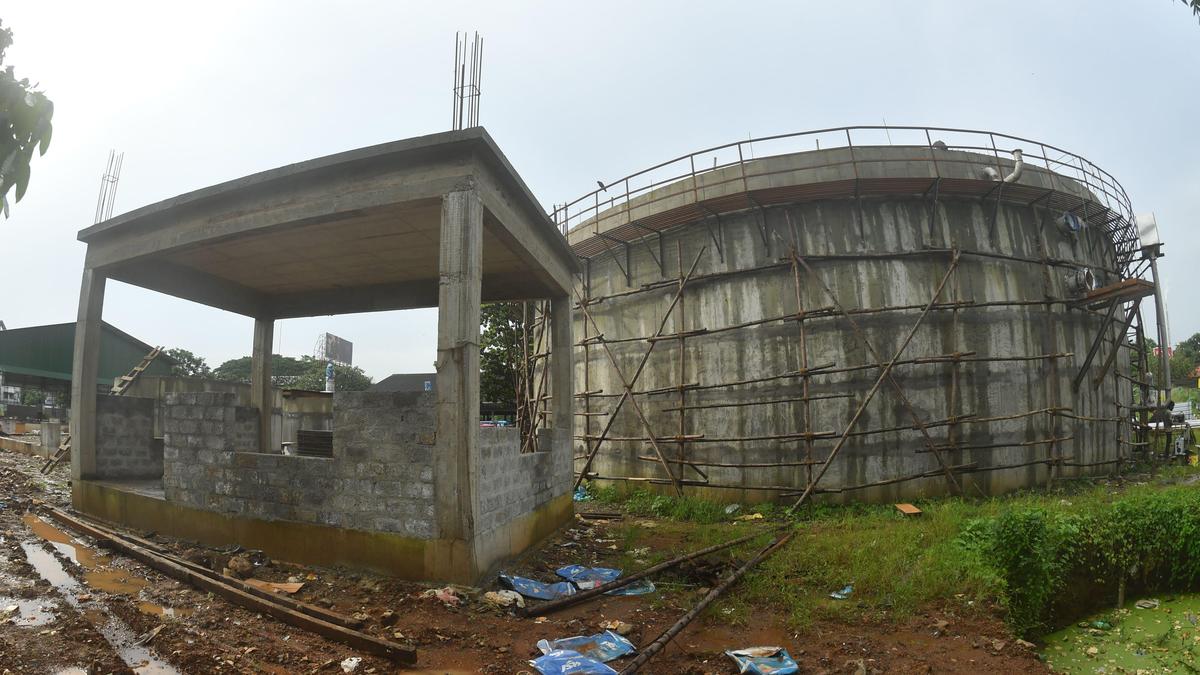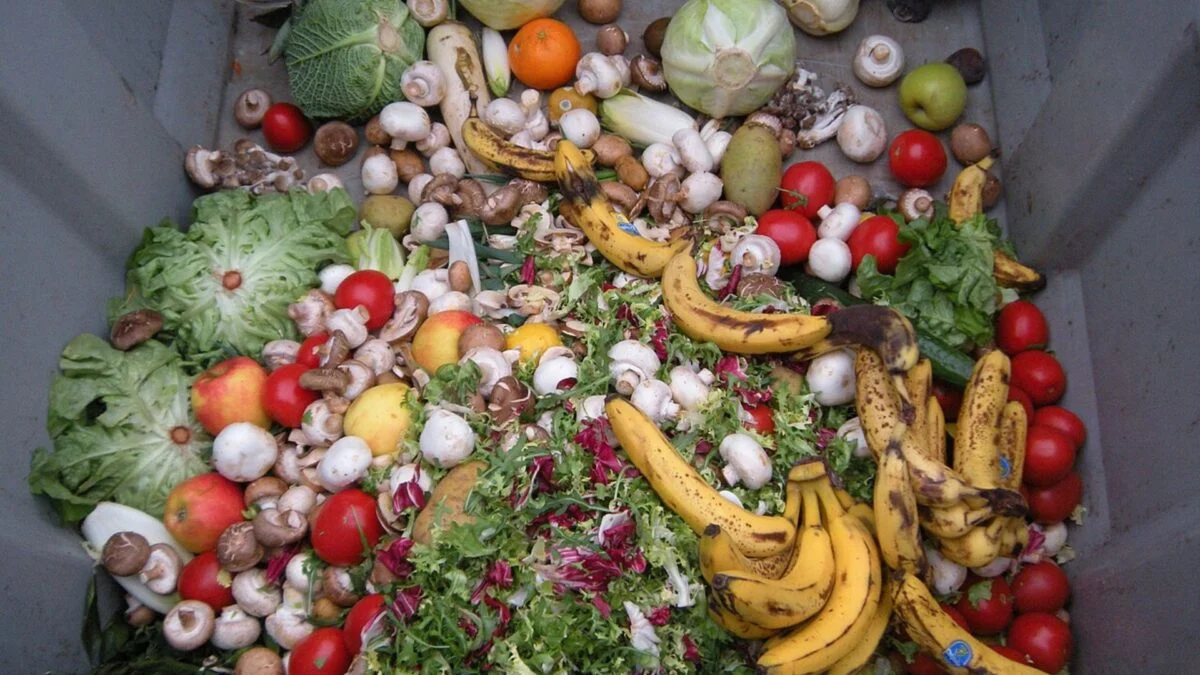
As one component of the energy transition formula, biomethane has a lot to recommend it. Instead of the linear “take, make, waste” model that has done so much damage to the climate, biomethane relies on a “take waste and make” process. Chemically identical to natural gas, biomethane is manufactured by putting food and agricultural wastes and other feedstocks through an anaerobic digestion process.The biomethane can be injected directly into the gas grid or used as a fuel for transport or heat. And, completing the circle, the byproducts of the production process are rich in nutrients and can be used as fertiliser on the very farms that provided the waste in first place.It’s little wonder then that the Government has set a production target of 5.7TWh of biomethane annually by 2030, enough to power half a million homes. But just how realistic is that target?“The 5.7 TWh target was ambitious when it was first established and, given the slow pace of development to date, it is now unlikely to be fully achieved by 2030,” says Russell Smyth, head of sustainable futures and corporate finance at KPMG. “However, that does not mean the target has failed. Biomethane projects typically take several years to move from concept to operation, and much of the sector has been waiting for policy certainty.”Russell Smyth, sustainable futures lead, KPMG He says the forthcoming Renewable Heat Obligation (RHO), which will require fuel suppliers to source a proportion of their energy from renewable fuels such as biomethane, is expected to provide a long-term route to market for producers. “With the RHO progressing and more projects expected to connect over the coming years, production should increase significantly,” he adds.Progress has been relatively slow so far, however. “As of last year, only two biomethane plants were injecting gas into the national network, which is well below the level required to achieve the 2030 target,” Russell points out. “However, momentum is beginning to build. More projects are expected to connect this year, while developers, farmers, suppliers and investors are becoming increasingly active in the sector.”The project pipeline is also growing, with more than 20 biomethane plants granted planning permission by local authorities since 2020, he notes. “In addition, a number of planning applications are currently awaiting determination, while many developers are progressing project platforms with the intention of submitting further applications in the coming years. The introduction of clearer policy support and a route to market through the RHO should help unlock further investment and accelerate deployment over the remainder of the decade.”Aisling O’Donoghue, partner, energy, infrastructure and natural resources with A&L Goodbody, says a number of policy and regulatory efforts are under way to address barriers to investment in biomethane production.Aisling O'Donoghue, partner, energy, infrastructure and natural resources group, A&L Goodbody “Critically, in order to scale biomethane production in Ireland, we need viable and diversified routes to market for project developers,” she says. “That means long-term offtake contracts with transport fuel suppliers, heat suppliers and industrial customers that help underpin capital investment.”She also notes the importance of the RHO, saying it is an imperative for developers, but points to a delay in finalising the regulation. She explains that earlier this year the EU Commission published a “reasoned opinion” in relation to the Irish Government’s proposed RHO scheme and its “multiplier” for entities purchasing domestically produced biomethane, and its compatibility with EU law.“Following this opinion, a revised proposal on the scheme which adequately addresses the EU Commission’s concern in respect of free trade between member states was required. Finalisation of this scheme will be one of the most crucial investment signals for the biomethane market,” O’Donoghue says.Outside of the RHO, several other challenges remain, according to Smyth. “Feedstock availability will be critical to supporting large-scale biomethane production,” he explains. “Most Irish biomethane plants are expected to be based on agricultural feedstocks, including slurry and other residues. While this presents a significant opportunity to create new revenue streams for farmers and support rural economies, sufficient feedstock must be secured and mobilised to support a large number of projects.”Grid connection timelines have also been a worry for developers seeking to inject gas into the network, he adds. “Policy uncertainty has been another major barrier, delaying investment decisions for several years. While the RHO helps address that challenge, the absence of incentives for indigenous biomethane means local producers will have to compete against imports from more established markets. Faster project delivery, efficient grid connections and continued market confidence will be essential to growing a competitive indigenous biomethane industry.”
Waste not: How Ireland is realising the benefits of biomethane
Momentum is beginning to build on national take waste and make gas project
753 words~3 min read