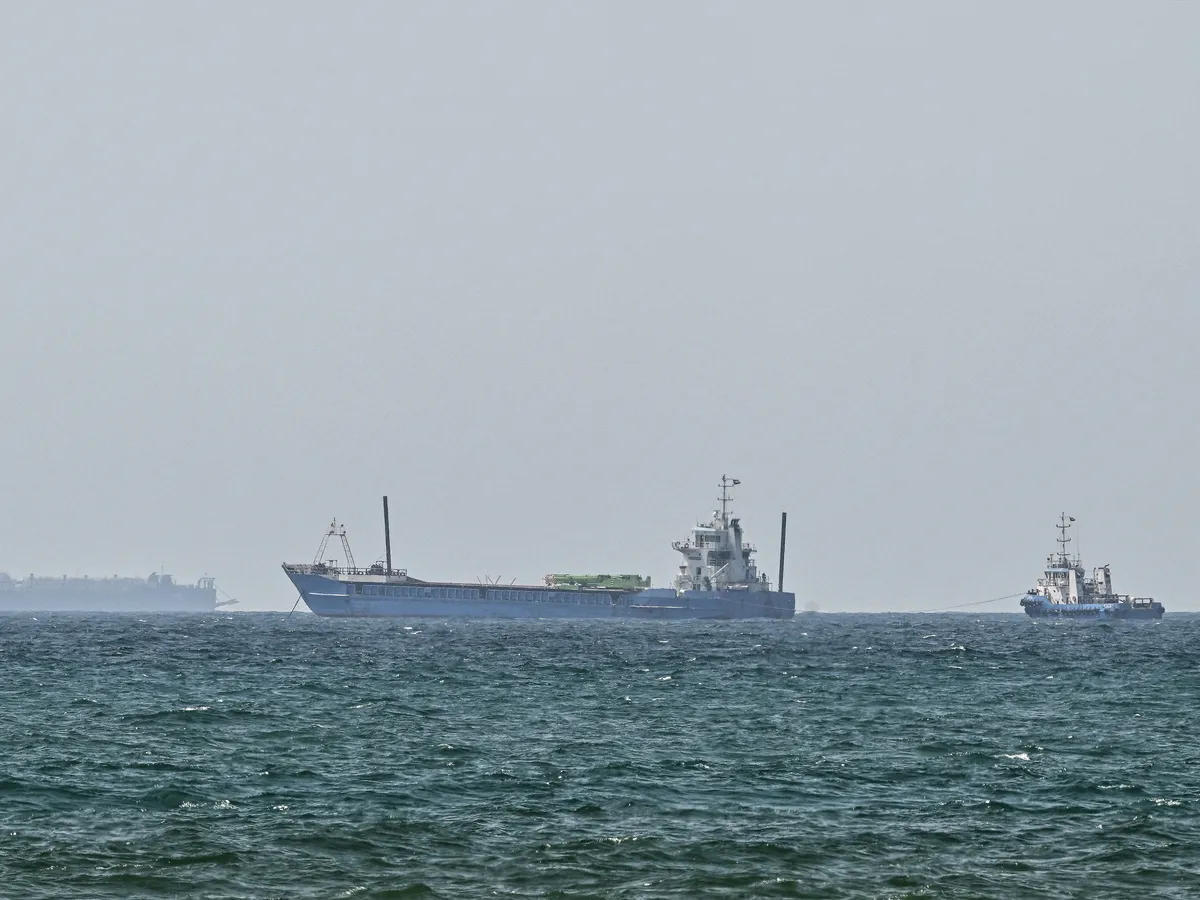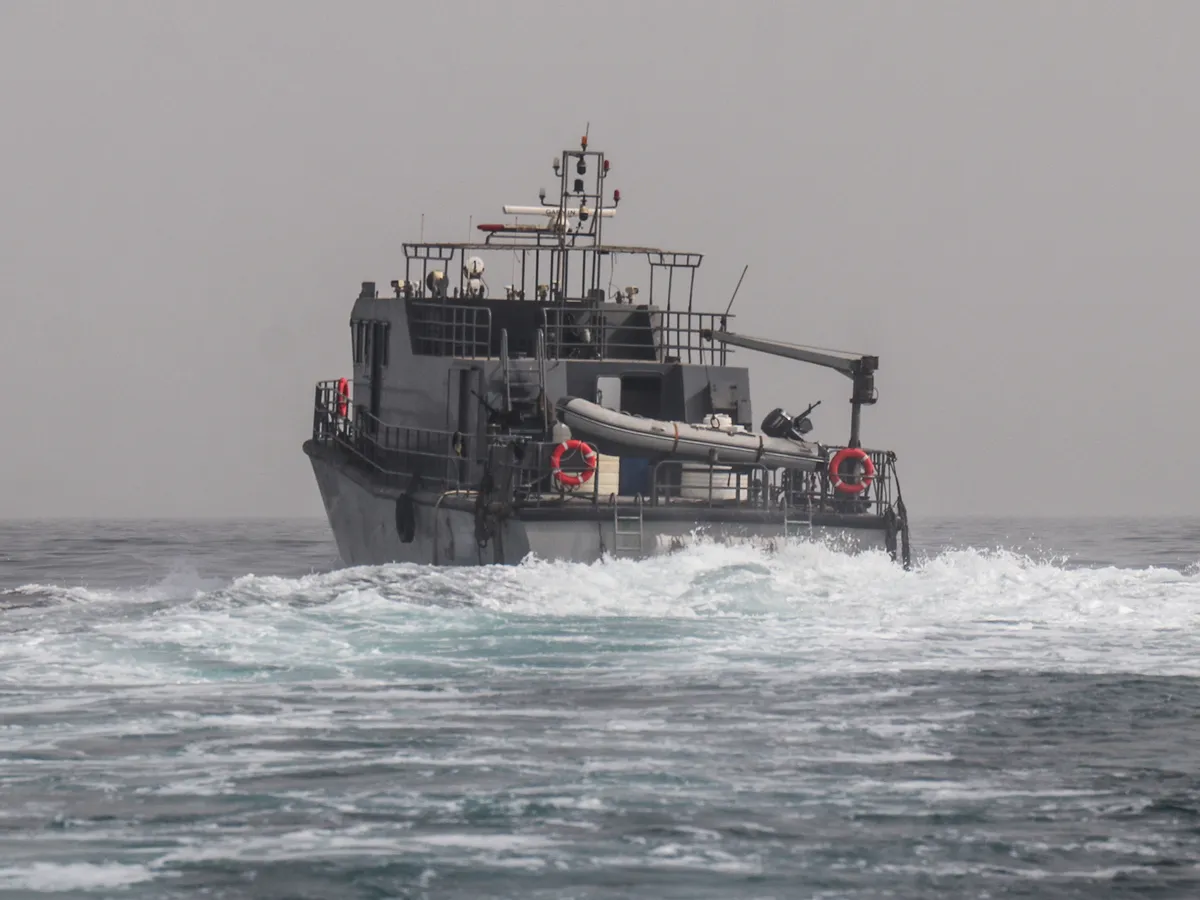
Skip to Content News Archives Economy Energy Oil & Gas Renewables Electric Vehicles Mining Commodities Agriculture Real Estate Mortgages Mortgage Rates Finance Banking Insurance Fintech Cryptocurrency Work Wealth Smart Money Wealth Management Investor Personal Finance Family Finance Retirement Taxes High Net Worth FP Comment Executive Women Puzzmo Newsletters Financial Times Business Essentials More Innovation Information Technology FP500 Podcasts Small Business Lives Told Tails Told Shopping Financial Post Store Obituaries Place a Notice Advertising Advertising With Us Advertising Solutions Postmedia Ad Manager Sponsorship Requests Classifieds Place a Classifieds ad Working Profile Settings My Subscriptions Saved Articles My Offers Newsletters Customer Service FAQ News Economy Energy Mining Real Estate Finance Work Wealth Investor FP Comment Executive Women Puzzmo Newsletters Financial Times Business Essentials HomeCommoditiesEnergyOil & GasU.S. war with Iran set to drag on for months over Hormuz deadlockThe latest clashes came hours after Trump sounded optimistic about the chances of a diplomatic breakthroughAuthor of the article:Last updated 4 hours ago You can save this article by registering for free here. Or sign-in if you have an account.A vessel of the navy of Yemen's Aden-based internationally recognised government patrols a shipping lane off Hanish Island in the Red Sea on July 27, 2026. Photo by Khaled ZIAD / AFP via Getty ImagesThe U.S.’s conflict against Iran looks set to drag on, possibly for months, with the sides unable to break a deadlock over the Strait of Hormuz and achieve a lasting ceasefire deal, according to several current and former officials from the U.S., Iran and Europe.Subscribe now to read the latest news in your city and across Canada.Exclusive articles from Barbara Shecter, Joe O'Connor, Gabriel Friedman, and others.Daily content from Financial Times, the world's leading global business publication.Unlimited online access to read articles from Financial Post, National Post and 15 news sites across Canada with one account.National Post ePaper, an electronic replica of the print edition to view on any device, share and comment on.Daily puzzles, including the New York Times Crossword.Subscribe now to read the latest news in your city and across Canada.Exclusive articles from Barbara Shecter, Joe O'Connor, Gabriel Friedman and others.Daily content from Financial Times, the world's leading global business publication.Unlimited online access to read articles from Financial Post, National Post and 15 news sites across Canada with one account.National Post ePaper, an electronic replica of the print edition to view on any device, share and comment on.Daily puzzles, including the New York Times Crossword.Create an account or sign in to continue with your reading experience.Access articles from across Canada with one account.Share your thoughts and join the conversation in the comments.Enjoy additional articles per month.Get email updates from your favourite authors.Create an account or sign in to continue with your reading experience.Access articles from across Canada with one accountShare your thoughts and join the conversation in the commentsEnjoy additional articles per monthGet email updates from your favourite authorsSign In or Create an AccountorThe stark assessments from the people, who asked not to be named discussing sensitive matters, come with last month’s interim peace deal having collapsed.Overnight, Iran’s Islamic Revolutionary Guard Corps fired on American forces in Jordan, while the U.S. and Saudi Arabia attacked Tehran-backed militias in Iraq that have tried to hit the kingdom’s oil facilities in recent days. U.S. President Donald Trump, using expletives, told Fox News Iran would be hit hard for the Jordanian strike.The latest clashes came hours after Trump sounded optimistic about the chances of a diplomatic breakthrough, and highlight how difficult it will be for him to end a war that’s increasingly unpopular with Americans.The pattern from the past few weeks, of skirmishing followed by a lull in hostilities and then more fighting, is likely to repeat itself, according to the people, who between them are in contact with senior members of the U.S. and Iranian governments.Iran, while battered militarily since the U.S. and Israel started the war in February, is confident it can hold out against an American naval blockade for much longer, one Iranian official said. Iranian leaders, according to the people, believe Trump will avoid the significant escalation he’s repeatedly threatened because of Tehran’s ability to inflict severe damage on Gulf Arab states and because he’s wary of pushing oil and fuel prices up further.Crude’s surge to more than US$100 a barrel last week was one reason Trump paused his daily airstrikes on Iran and opted to try diplomacy again, one person said.“Comments from anonymous sources pretending to have insight into President Trump’s thinking should be discarded as mere speculation,” White House spokeswoman Anna Kelly said. “Only the commander-in-chief knows what he will do next.”Iran, the people said, is fully aware that Trump’s ability to intensify his campaign is hindered by the depletion of global oil stockpiles and American munitions since the war erupted. The U.S. Strategic Petroleum Reserve is now at its lowest since the 1980s, thanks to the White House drawing it down to keep fuel prices in check. Sophisticated U.S. weaponry, including air-defense missiles, has been used up in significant numbers.Even so, the people added, Trump is unlikely to back away until Iran relents on Hormuz, a vital waterway for the global economy. The Islamic Republic continues to demand the right to manage traffic through the chokepoint and to impose fees on energy tankers and other vessels.Iran sees control of the strait, through which one fifth of oil and liquefied natural gas supplies normally flow, as a source of leverage over the U.S. and key to its national security.Oman is trying to negotiate a short-term deal with Iran to get more ships through the waterway and thus enable Tehran and Washington to restart formal peace talks, Bloomberg reported. Yet those discussions have faltered because of Iran insisting it gets sole control over vessels coming into the Persian Gulf, Iranian media said on Tuesday.“A return to long-term stability won’t come anytime soon,” said Bloomberg Economics analysts Dina Esfandiary and Becca Wasser. “The U.S. continues to try to get Iran to capitulate, and Tehran demonstrates it’s willing and able to match U.S. escalation.”The most likely outcome is for fighting to be at a fairly low level, with Gulf states and the likes of Pakistan trying to calm tensions, said most of the people. Neither side, they said, wants a return to the all-out war seen in March and early April, when the U.S. and Israel were blitzing Iranian cities and Tehran was firing thousands of missiles and drones at Washington’s allies in the region.One of the people, who has plenty of experience dealing with conflicts during his career as a diplomat, said Iran and the U.S. are constantly talking, even if indirectly via mediators.Those talks, including the ones between Oman and Iran, are progressing, according to a person with knowledge of the situation. That is likely to eventually lead to a diplomatic deal even if fighting continues at some level, he said.Trump is under pressure from American politicians to end the conflict, with many Republicans keen for that to happen before midterm elections in November. “We got to wrap it up,” House Speaker Mike Johnson, an ally of Trump, said around a week ago.For all his frustration, Trump on Monday denied he was running out of patience with Iran and said he had “plenty of time.”Even if the warring sides resume sit-down negotiations, there’s no guarantee they can resolve wider issues related to Iran’s atomic program. The June interim agreement, dubbed a memorandum of understanding, was meant to lead to 60 days of talks in which Tehran would agree to stringent restrictions on its enrichment of uranium and the rest of its nuclear activities. Washington and Tehran have made barely any progress on that so far. Join the Conversation This website uses cookies to personalize your content (including ads), and allows us to analyze our traffic. Read more about cookies here. By continuing to use our site, you agree to our Terms of Use and Privacy Policy.
U.S. war with Iran set to drag on for months over Hormuz deadlock
The U.S.’s conflict against Iran looks set to drag on with the sides unable to break a deadlock over the Strait of Hormuz. Read more.
1,318 words~6 min read